

Table of Contents
- Living room shelf styling with plants: The foundational concept
- Living room shelf styling with plants: Choosing the right containers
- Balancing height and proportion on shelves
- Color coordination and texture mixing
- Seasonal rotation and maintenance tips
- Small space solutions for apartments
- Integrating art and accessories with plants
- Quick Tips for Effective Shelf Plant Styling
- Common Mistakes to Avoid
- Frequently Asked Questions
- Conclusion
[ CATEGORY ]: Living Room
Living Room Shelf Styling with Plants – Fresh Ideas for Modern Homes
Adding greenery to a living room instantly breathes life into the space, but the magic truly unfolds when plants are thoughtfully arranged on shelves. Living room shelf styling with plants offers a versatile canvas for both aesthetics and functionality, turning ordinary storage into a curated display that reflects personal style. Whether you’re working with a sprawling loft or a compact apartment, the right plant‑filled shelves can become the focal point that ties the entire room together.
This article walks you through the essential principles of arranging plants on living room shelves, from choosing the perfect containers to mastering color balance and seasonal rotation. You’ll also discover practical tips for small spaces, common pitfalls to avoid, and answers to frequently asked questions. By the end, you’ll have a clear roadmap to transform your shelves into living art that enhances comfort, improves air quality, and showcases your design sensibility.
Living room shelf styling with plants: The foundational concept

The first step in living room shelf styling with plants is to understand the role each element plays. Shelves act as stages, and plants are the performers that draw the eye. Start by assessing the existing shelf layout: note the depth, length, and height of each unit. This information guides you in selecting plant sizes that fit without crowding and in determining how many pots you can comfortably display.
Think of the overall visual flow. A well‑styled shelf creates a sense of rhythm, using varying heights and leaf shapes to guide the viewer’s gaze from left to right. Grouping plants with similar care needs—like light‑loving succulents together—also simplifies maintenance while preserving the aesthetic harmony.
Living room shelf styling with plants: Choosing the right containers
Containers are as influential as the plants themselves. Opt for pots that complement the room’s palette; matte ceramics work well in minimalist settings, while woven baskets add texture to boho‑inspired interiors. Size matters: a tall, slender pot can accentuate vertical space, whereas a wide, low‑profile tray can anchor a grouping of smaller plants. For a cohesive look, limit the number of different materials to two or three.
- Match pot color to existing décor—neutral tones for flexibility.
- Consider weight; heavier pots prevent tipping on open shelves.
- Use saucers to protect shelves from water damage.
For further inspiration on coordinating colors and textures, explore our guide on soft minimalist home interior ideas – calm, clean, and cozy. The principles of minimalism translate beautifully to plant shelving, emphasizing simplicity and intentionality.
Balancing height and proportion on shelves

Proportion is the backbone of effective living room shelf styling with plants. Arrange taller plants at the back or on higher shelves to draw attention upward, creating an illusion of higher ceilings. Shorter foliage, such as trailing ivy or compact herbs, works well on lower levels where they can spill gently over the edge.
Use a “golden ratio” approach: place the tallest plant at roughly one‑third of the total shelf height, then step down in size for the next two positions. This creates a pleasing visual hierarchy without overwhelming the space. When multiple shelves are stacked, stagger the heights across each tier to avoid a monotone column.
Color coordination and texture mixing
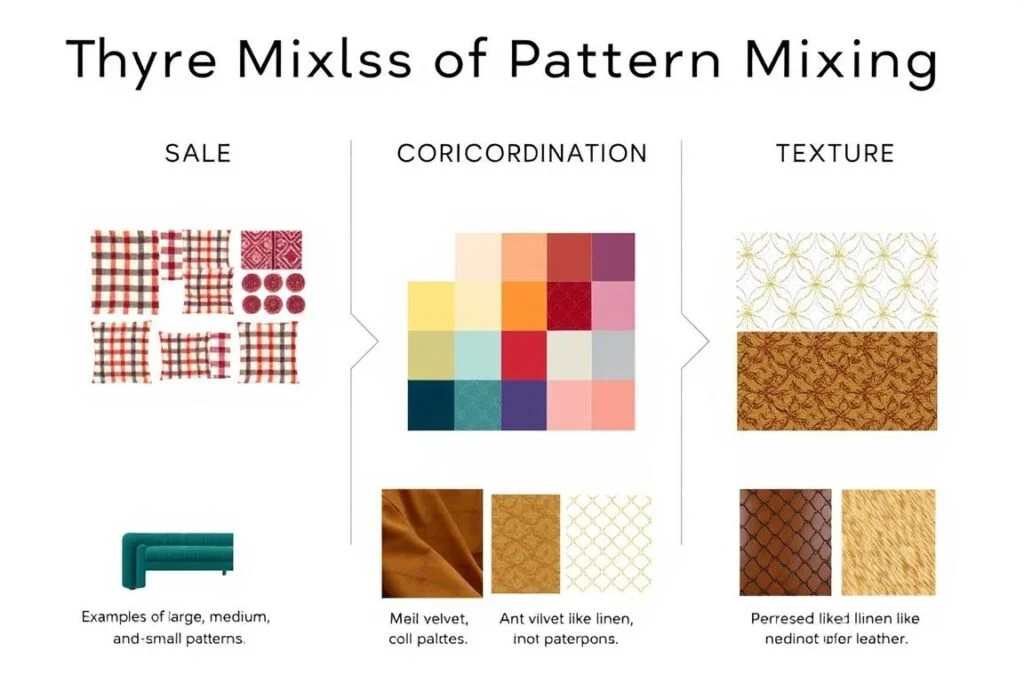
Plants introduce a natural palette of greens, but the surrounding pots and accessories can expand this spectrum. Pair deep‑green foliage with muted earth tones for a calm, cohesive vibe, or contrast it with bright, jewel‑colored pots for a pop of excitement. Incorporating different textures—smooth ceramics, rough terracotta, woven baskets—adds depth and invites tactile interaction.
Don’t shy away from integrating non‑plant elements. Small decorative books, vintage figurines, or a sleek metal sculpture can break up the greenery and reinforce the room’s theme. For a curated look, limit the number of extra accessories to three per shelf, ensuring the plants remain the stars of the arrangement.
Seasonal rotation and maintenance tips
Keeping your living room shelf styling with plants fresh means rotating species and caring for each plant’s needs. In spring, introduce flowering varieties like African violets to add color. As the days shorten, replace sun‑heavy succulents with low‑light tolerant ferns to maintain vibrancy.
Regular maintenance is key. Dust leaves weekly with a soft cloth to maximize photosynthesis, and check soil moisture before watering—overwatering is a common mistake that can lead to root rot. For a practical guide on caring for specific plants, see our comparison of Echeveria harmsii vs pulvinata, which outlines watering schedules and light requirements.
Small space solutions for apartments
Compact living rooms benefit from vertical shelving and modular units that double as storage. Floating wall shelves free up floor space while providing a dedicated platform for plants. Pair a narrow shelf with a trailing pothos that cascades down, creating a sense of height without occupying valuable square footage.
When space is limited, choose multi‑purpose containers—such as a decorative basket that also holds blankets or magazines. This dual functionality maintains a clutter‑free environment, essential for small‑space living. For more ideas on maximizing tight areas, check out our article on everyday living room styling ideas for modern homes.
Integrating art and accessories with plants
Artworks can serve as backdrops that accentuate plant colors. A subtle abstract painting behind a shelf adds depth, while a bold graphic piece creates a striking contrast with the natural greens. Position the art at eye level above the shelf, ensuring the plants do not obscure the composition.
Accessories like minimalist candle holders or geometric trays can unify the look. Choose items that echo shapes found in the plants—rounded pots with circular trays, for example—to reinforce visual continuity. Remember, the goal is to enhance, not compete with, the botanical display.
Quick Tips for Effective Shelf Plant Styling
- Group plants by light requirement to simplify care.
- Use a mix of plant heights to create visual rhythm.
- Incorporate at least one textured container for depth.
- Rotate plants seasonally to keep the display dynamic.
- Protect shelves with trays or saucers to catch excess water.
Common Mistakes to Avoid
Even seasoned decorators can stumble. One frequent error is overcrowding shelves, which stifles each plant’s growth and creates a chaotic look. Another is ignoring the weight of pots; heavy ceramic jars on narrow shelves may tip over. Lastly, mismatching plant lighting needs leads to unhealthy foliage—always match the plant’s natural preferences with the shelf’s exposure.
Frequently Asked Questions
Can I use artificial plants on my living room shelves?
Artificial plants offer a low‑maintenance alternative, but they lack the air‑purifying benefits of real foliage. If you choose them, opt for high‑quality varieties with realistic textures and combine them with real plants for a balanced approach.
How often should I water shelf plants?
Watering frequency depends on plant type, pot size, and indoor humidity. As a rule, allow the top inch of soil to dry before watering succulents, while ferns prefer consistently moist soil. Always check the specific needs of each species.
What are the best plants for low‑light shelves?
Snake plants, ZZ plants, and pothos thrive in low‑light conditions. Their tolerant nature makes them ideal for corners or shelves away from windows.
Is it okay to mix herbs with decorative plants?
Absolutely—herbs like basil or mint add scent and utility. Just ensure they receive sufficient light and are placed on a shelf that can handle occasional water spillage.
How do I keep my shelves looking tidy with growing plants?
Prune regularly to control size, repot when roots outgrow containers, and rotate plants to fill empty spots. Using uniform pot sizes can also create a cleaner visual line.
Conclusion
Mastering living room shelf styling with plants is about balance—between height, color, texture, and functionality. By selecting the right containers, arranging plants with thoughtful proportion, and integrating complementary accessories, you can transform ordinary shelving into a vibrant centerpiece that reflects your personal style. Remember to rotate plants seasonally, maintain proper care, and avoid common pitfalls like overcrowding. With these strategies, your living room will not only look more inviting but also feel fresher and more alive. Explore more design ideas on The Homara and let your creativity flourish.
[Living Room]