
Table of Contents
- living room décor with beige color palette: why it works
- Choosing the right shade of beige for living room décor with beige color palette
- Layering textures to add depth
- Strategic accent colors
- Furniture selection for a balanced look
- Lighting: enhancing the beige ambiance
- Quick Home Décor Tips
- Common Mistakes to Avoid
- Frequently Asked Questions
Choosing the right color scheme is often the first step toward creating a living space that feels both welcoming and sophisticated. A beige color palette offers a subtle, warm backdrop that can adapt to a variety of design styles—from coastal chic to urban minimalism. In this guide, we explore how to use a beige palette to shape a living room décor that feels timeless yet fresh, and why this neutral foundation can be a game‑changer for homeowners and renters alike.
Beyond its soothing aesthetic, beige works as a versatile canvas that highlights textures, patterns, and accent colors without overwhelming the eye. Whether you’re starting from an empty room or looking to refresh an existing layout, understanding the principles behind a living room décor with beige color palette will empower you to make confident design decisions. Below, you’ll find practical tips, common pitfalls, and expert advice that translate theory into real‑world results.
living room décor with beige color palette: why it works
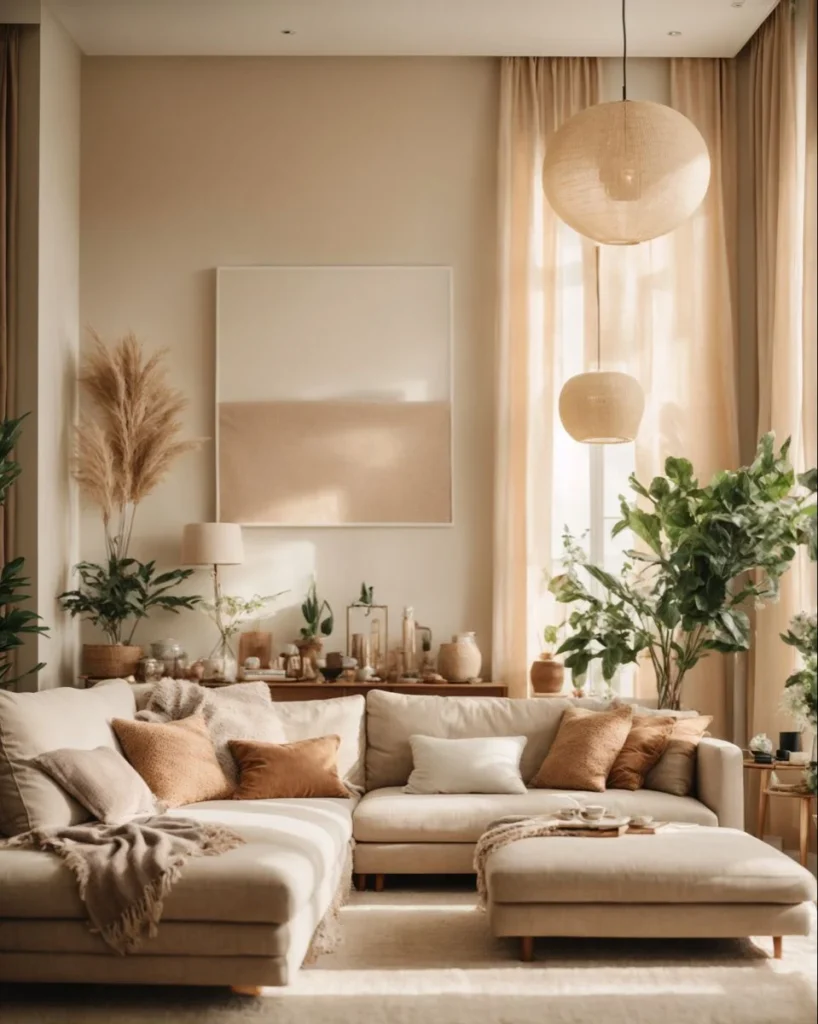
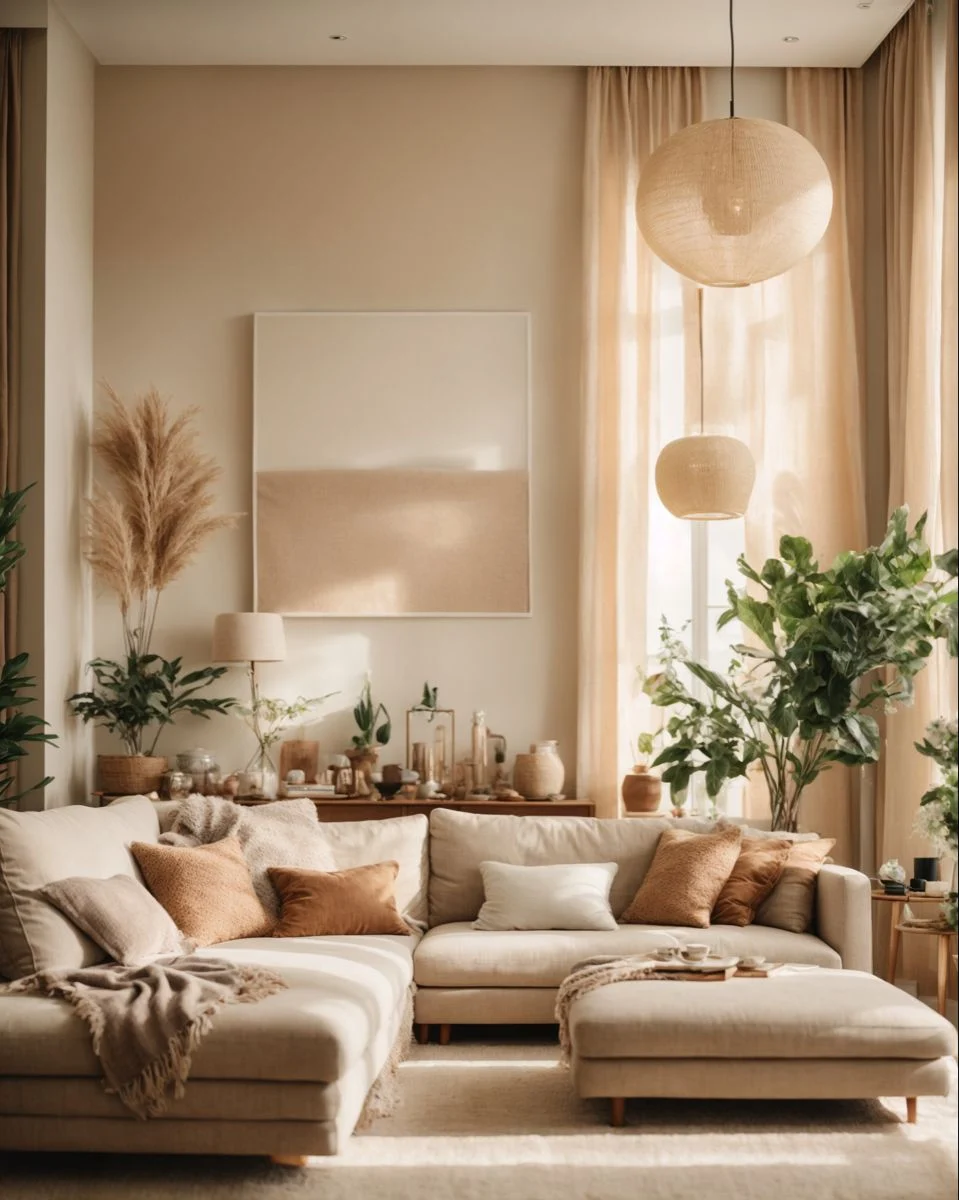
Beige is more than just a “safe” choice; it’s a strategic one. The neutral tones absorb and reflect natural light, making small rooms appear larger and brightening darker spaces. Moreover, beige pairs effortlessly with a wide range of accent colors—think deep navy, soft sage, or vibrant terracotta—allowing you to switch styles seasonally without repainting walls. When used thoughtfully, a beige palette can anchor a room while letting furnishings and artwork take center stage.
Choosing the right shade of beige for living room décor with beige color palette
The term “beige” covers a spectrum from light cream to warm camel. Selecting the right undertone depends on your room’s exposure to sunlight and the mood you wish to convey:
- Cool beige: Slight gray or taupe undertones work well in modern, minimalist settings.
- Warm beige: Hints of yellow or pink add coziness, perfect for traditional or farmhouse looks.
- Deep beige: Rich, earthy tones create a dramatic backdrop ideal for larger living areas.
Test paint swatches at different times of day to see how they interact with natural light. This small step can prevent costly re‑paints later on.
Layering textures to add depth
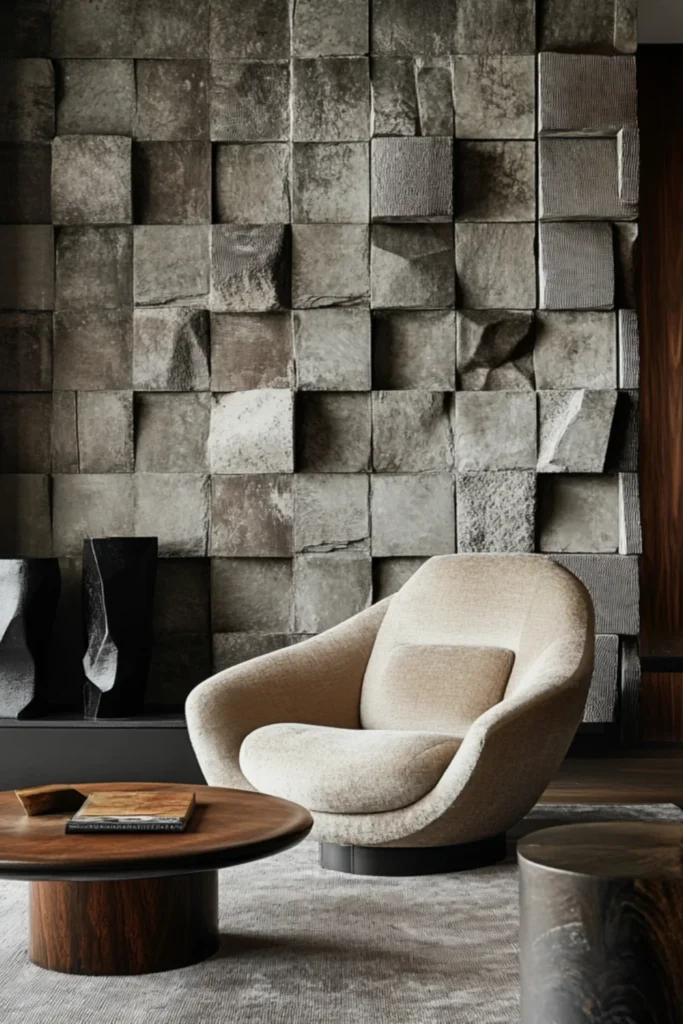
When the walls are a uniform beige, texture becomes the hero of the room. Introduce a mix of fabrics—linen, velvet, woven jute—to create tactile interest. A plush beige sofa paired with a textured wool rug can keep the palette cohesive while preventing visual monotony. For more ideas on how rugs can transform the space, check out our guide on Living Room Décor with Layered Rugs – A Complete Guide.
- Use a chunky knit throw on a sleek beige armchair.
- Incorporate a reclaimed wood coffee table for natural contrast.
- Hang woven wall hangings or macramé to bring softness to the walls.
Strategic accent colors
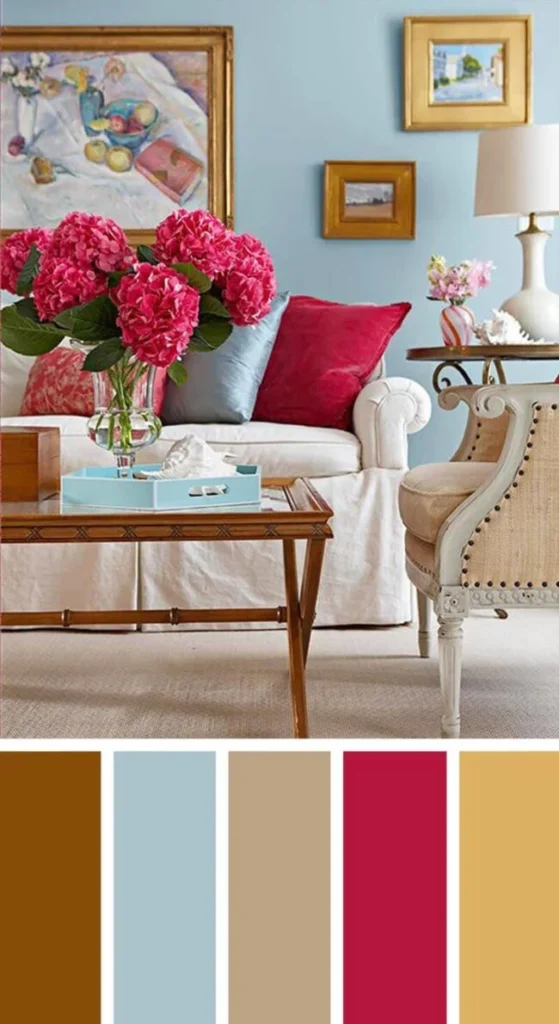
While beige forms the neutral base, accent colors inject personality. Consider the following combinations that work especially well with a beige foundation:
- Blue: Navy or muted teal adds depth and a sense of calm.
- Green: Olive or sage introduces an organic vibe.
- Terracotta: Warm orange tones create a cozy, inviting feel.
- Metallics: Brass or brushed gold fixtures add a touch of luxury.
Apply these hues through cushions, artwork, or decorative objects. A single pop of color can become a focal point without disrupting the harmonious beige backdrop.
Furniture selection for a balanced look
The furniture you choose should complement, not compete with, the beige palette. Opt for pieces in natural wood, upholstered in neutral fabrics, or painted in muted tones. A mid‑century modern sofa in a light tan leather pairs beautifully with a walnut coffee table and a beige area rug, creating a cohesive yet layered look.
If you’re living in a rental, consider modular furniture that can be easily moved or swapped. Our How to Decorate Rental Home: Practical Tips & Stylish Solutions article offers additional strategies for renters looking to personalize a temporary space.
Lighting: enhancing the beige ambiance
Lighting plays a crucial role in how beige hues are perceived. Soft, diffused lighting enhances the warm undertones, while bright, directional lighting can highlight texture and accent pieces. Mix ambient ceiling fixtures with table lamps in ceramic or woven shades to create layers of light that add depth to the beige backdrop.
- Floor lamps with a brass base work well in modern settings.
- Wall sconces in matte black add a contemporary edge.
- Natural light from large windows should be balanced with light‑filtering curtains in a sheer beige tone.
Quick Home Décor Tips
- Start with one beige element—walls, a sofa, or a rug—and build around it.
- Introduce a single bold accent color to avoid overwhelming the neutral base.
- Mix textures (linen, velvet, wood) to add depth without changing the palette.
- Use mirrors strategically to reflect light and make the beige tones appear brighter.
- Update accessories seasonally; a change of pillows or throws can refresh the look instantly.
Common Mistakes to Avoid
Even with a seemingly simple palette, it’s easy to slip into pitfalls that diminish the overall effect. Here are the most frequent errors and how to prevent them:
- Over‑matching: Using the same shade of beige for walls, furniture, and flooring can create a flat, lifeless space. Counterbalance with texture and accent colors.
- Ignoring scale: Large beige sofas in a tiny room can make the space feel cramped. Choose appropriately sized pieces.
- Neglecting lighting: Dim lighting can turn beige into a dull gray. Ensure a mix of natural and artificial light sources.
- Choosing the wrong undertone: A cool beige in a sun‑filled room may appear too stark, while a warm beige in a dark room can feel muddy. Test samples first.
Frequently Asked Questions
Can I use a beige palette in a small living room?
Absolutely. Beige reflects light, making compact spaces feel larger. Pair it with strategic accent pieces to prevent the room from looking washed out.
What flooring works best with a beige color scheme?
Light hardwood, polished concrete, or a subtle beige carpet all complement the palette. Choose a finish that adds subtle contrast to avoid a monotone effect.
Is beige suitable for a modern minimalist aesthetic?
Yes. A cool, gray‑infused beige paired with sleek furniture, clean lines, and minimal accessories creates a sophisticated minimalist look.
How often should I refresh my beige décor?
Since the base color is neutral, you can update the look as often as you like by swapping accent accessories—cushions, artwork, or lighting—every season.
Can I combine multiple shades of beige in one room?
Layering different shades of beige adds depth and visual interest. Use lighter tones on walls and deeper shades for furniture or accent walls to create dimension.
Living a space styled with a beige color palette doesn’t mean sacrificing personality. By embracing texture, thoughtful accent colors, and proper lighting, you can craft a living room that feels both timeless and uniquely yours. Take inspiration from our other articles, such as the Harvey Windows vs Pella: A Comprehensive Comparison for Modern Homeowners, to see how complementary design decisions—like window choices—can enhance the overall ambiance. With these guidelines, you’re ready to transform any living area into a serene, stylish haven that welcomes both family and guests.