
Table of Contents
- Understanding Light Filtering Shades: What Sets Them Apart
- Key Features of Light Filtering Shades
- Solar Shades Explained: Maximizing View and Glare Control
- Core Advantages of Solar Shades
- Comparing Light Filtering and Solar Shades: Performance at a Glance
- Design Tips: Integrating Light Filtering or Solar Shades into Different Rooms
- Living Room: Balancing View, Light, and Comfort
- Bedroom: Prioritizing Privacy and Soft Light
- Home Office: Reducing Glare Without Sacrificing Natural Light
- Kitchen: Managing Heat While Maintaining Style
- Small Spaces: Maximizing Light Without Overwhelming the Room
- Installation & Maintenance: What to Expect
- Installation Basics
- Cleaning and Upkeep
- Quick Tips for Choosing the Right Shade
- Common Mistakes to Avoid When Selecting Window Treatments
- Frequently Asked Questions
- Final Thoughts on Light Filtering vs Solar Shades
Light Filtering vs Solar Shades: A Comprehensive Guide for Modern Interiors
When it comes to dressing your windows, the choice between light filtering and solar shades can dramatically influence both the ambiance and energy performance of a room. Homeowners often grapple with questions like: “Will these shades preserve my view while keeping the glare down?” or “Which option best protects my furniture from UV damage?” Understanding the nuances of each type helps you make an informed decision that aligns with your aesthetic goals and functional needs.
In this article we’ll explore the core characteristics of light filtering and solar shades, compare their performance in different spaces, and provide actionable design tips. Whether you’re updating a sleek living‑room, a cozy bedroom, or a home office, the right window treatment can enhance comfort, protect your interiors, and complement your overall décor vision.
By the end of the guide, you’ll have a clear roadmap for selecting the perfect shade style, learning how to blend functionality with modern design trends while staying within budget.
Understanding Light Filtering Shades: What Sets Them Apart
Light filtering shades are engineered to allow a gentle, diffused glow to enter a room while softening harsh sunlight. Typically made from fabrics with a medium‑weight weave, these shades strike a balance between privacy and illumination. They are ideal for spaces where you want natural light without the distraction of direct glare.
Key Features of Light Filtering Shades
- Soft Diffusion: The fabric’s weave disperses light, creating an even, calming illumination.
- Privacy: While some light still passes through, the material obscures clear views into the room, making them suitable for bedrooms and bathrooms.
- UV Protection: Many light filtering fabrics are treated to block up to 70 % of UV rays, helping to preserve artwork, upholstery, and flooring.
- Style Versatility: Available in a wide range of colors, patterns, and textures, they can seamlessly integrate with modern or traditional décor.
Because they allow a gentle flow of daylight, light filtering shades are frequently paired with interior design elements that thrive on soft illumination, such as pastel walls, natural wood tones, and subtle metallic accents. In a living room, for example, they can enhance the visual depth of a neutral palette while keeping the space bright enough for reading or entertaining.
Solar Shades Explained: Maximizing View and Glare Control

Solar shades, sometimes called sun shades or sun screens, are purpose‑built to reduce glare and heat gain while preserving an unobstructed view of the outdoors. Constructed from tightly woven, often screen‑type fabrics, they block a high percentage of UV radiation—sometimes up to 99 %—while still allowing you to see through the material.
Core Advantages of Solar Shades
- Superior Glare Reduction: The dense weave cuts down on reflective glare on screens, making them perfect for home offices and media rooms.
- Energy Efficiency: By limiting solar heat gain, they help maintain a cooler indoor temperature, reducing reliance on air‑conditioning.
- Preservation of Outdoor Views: The open weave lets you maintain a clear line of sight to cityscapes or gardens without sacrificing comfort.
- Modern Aesthetic: Their sleek, minimalist design aligns well with contemporary interiors, especially in spaces with large window walls.
Solar shades are often selected for rooms where you spend considerable time in front of screens—like a home office or a living room with a wall‑mounted TV—because they minimize the reflection that can cause eye strain. Their ability to block heat also makes them a popular choice in sun‑intensive climates, contributing to lower energy bills.
Comparing Light Filtering and Solar Shades: Performance at a Glance
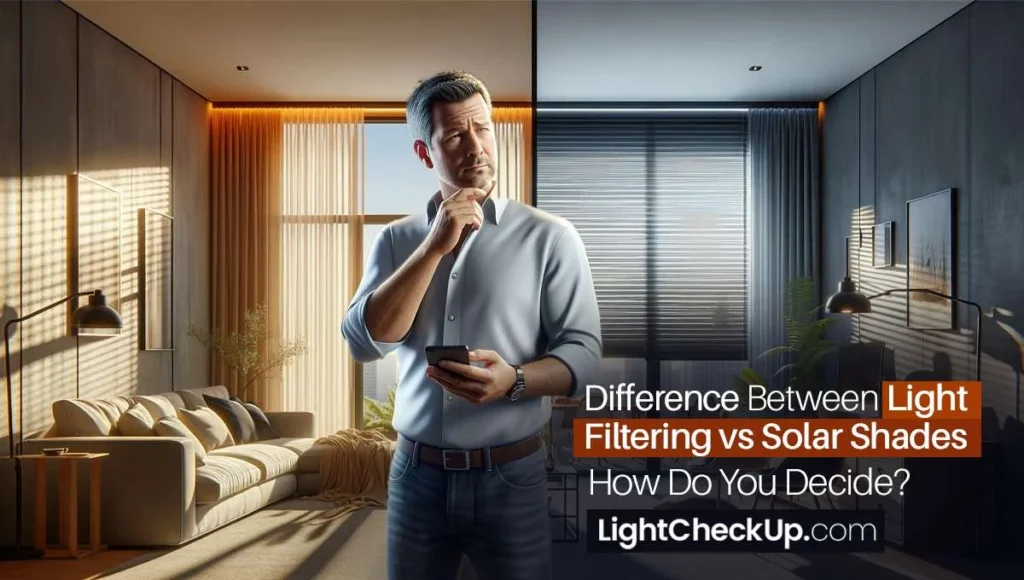
Both light filtering and solar shades serve distinct functions, and choosing between them depends on several factors including room purpose, orientation, décor style, and energy goals. Below is a side‑by‑side comparison that highlights the most relevant considerations.
| Aspect | Light Filtering Shades | Solar Shades |
|---|---|---|
| Light Transmission | 30‑60 % (soft, diffused) | 5‑20 % (direct view, minimal glare) |
| Privacy | Moderate to high (depends on opacity) | Low to moderate (clear view outward) |
| UV Blocking | Up to 70 % | Up to 99 % |
| Heat Reduction | Moderate | High |
| Design Flexibility | Wide range of fabrics & patterns | Generally neutral tones; focus on function |
| Best For | Bedrooms, living rooms seeking ambience, bathrooms | Home offices, sunrooms, rooms with large glass walls |
In practice, many homeowners blend the two—using light filtering shades in rooms where privacy is paramount and solar shades where glare and heat are the primary concerns. This layered approach can maximize comfort while preserving the visual flow throughout the home.
Design Tips: Integrating Light Filtering or Solar Shades into Different Rooms
Choosing the right shade is only half the story; placement and styling determine how effectively it enhances your interior. Below are room‑specific recommendations that marry functionality with modern aesthetics.
Living Room: Balancing View, Light, and Comfort
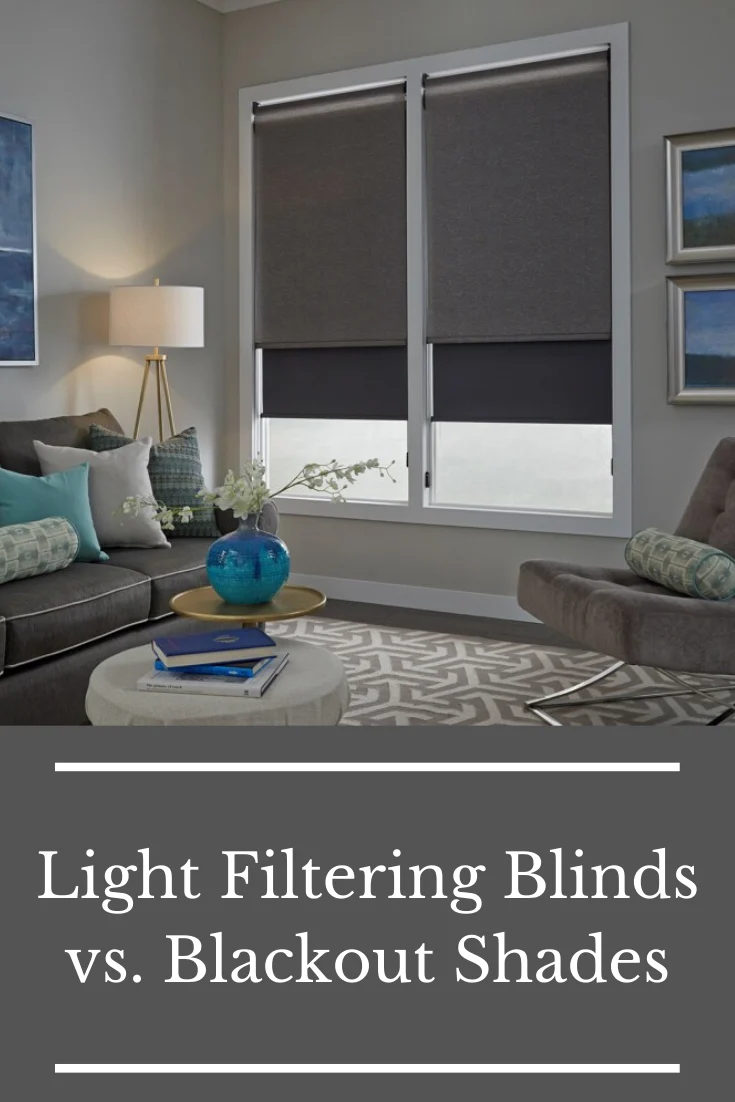
Living rooms often serve as the centerpiece of a home, so the window treatment must complement both the décor and daily activities. If your living room features a large picture window overlooking a garden, solar shades can preserve that view while cutting glare on your TV screen. Pair them with a simple décor tray on a coffee table to create a cohesive, streamlined look.
- Opt for a light grey or charcoal solar shade to maintain a neutral palette.
- Layer with sheer curtains for added texture during evenings.
- Consider motorized operation for effortless control, especially in high‑traffic spaces.
Bedroom: Prioritizing Privacy and Soft Light
In bedrooms, privacy and a soothing atmosphere are key. Light filtering shades are ideal because they let in enough daylight for a gentle wake‑up while keeping the space private. Choose a fabric in a muted hue that echoes your bedding—think soft blues, warm beiges, or muted greens.
- Combine with a plush headboard to create a layered, hotel‑like feel.
- Use blackout liners underneath for full darkness when desired.
- Integrate a subtle accent, such as a narrow wooden valance, for added depth.
Home Office: Reducing Glare Without Sacrificing Natural Light
Productivity thrives when you have adequate illumination without screen glare. Solar shades excel in a home office setting because they cut down on reflective light while still allowing you to enjoy a view of the outdoors—a proven boost to mood and focus.
- Pick a solar shade with a 10‑15 % openness factor for optimal visibility.
- Pair with an ergonomic desk lamp that complements the shade’s sleek lines.
- For inspiration on desk styling, see our guide on home office shelf decoration ideas.
Kitchen: Managing Heat While Maintaining Style
Kitchens often have windows above countertops where heat from the sun can make cooking uncomfortable. Solar shades can significantly lower temperature spikes, while light filtering shades add a warm ambience for meals.
- In a modern kitchen with stainless steel appliances, a brushed‑nickel solar shade complements the industrial vibe.
- If the kitchen doubles as a dining area, choose a light filtering shade in a warm tone to create a welcoming atmosphere.
- Combine with a coordinating backsplash to reinforce the color story.
Small Spaces: Maximizing Light Without Overwhelming the Room
In compact apartments, every square foot counts. Light filtering shades can make a small room feel airy, while solar shades help keep the temperature stable, preventing the space from feeling cramped on hot days.
- Use a high‑opacity light filtering shade in a light pastel to brighten the room.
- Install motorized solar shades that retract fully, allowing the window to serve as a visual extension of the room.
- Pair with mirrored décor elements to amplify reflected light.
Installation & Maintenance: What to Expect
Both light filtering and solar shades are relatively straightforward to install, but each comes with its own set of maintenance considerations.
Installation Basics
- Measure Precisely: Take width and height measurements at least three times to ensure a perfect fit.
- Mounting Options: Choose between inside‑mount (clean, modern look) or outside‑mount (adds visual width).
- DIY vs. Professional: Light filtering fabric shades are often easy for DIY installation, while solar shades—especially motorized models—may benefit from professional handling.
Cleaning and Upkeep
- Light Filtering Shades: Most can be vacuumed with a soft brush attachment or spot‑cleaned with mild detergent.
- Solar Shades: Because they’re made of synthetic screen material, they can be wiped down with a damp cloth; avoid abrasive cleaners to preserve the weave.
- Routine Checks: Inspect cords, brackets, and rollers quarterly to ensure smooth operation.
Regular upkeep prolongs the life of your shades and maintains their aesthetic appeal, keeping your interior looking fresh for years to come.
Quick Tips for Choosing the Right Shade
- Identify the primary function: privacy, glare reduction, or energy efficiency.
- Match the shade’s color palette with existing décor for a harmonious look.
- Consider motorized options for hard‑to‑reach windows or for a sleek, handle‑free appearance.
- Layer with curtains or blinds if you need both light diffusion and full blackout capability.
- Check the fabric’s UV rating to protect furniture and artwork.
Common Mistakes to Avoid When Selecting Window Treatments
Even with thorough research, homeowners sometimes make choices that compromise comfort or style. Here are frequent pitfalls and how to sidestep them.
- Choosing Based Solely on Appearance: A beautiful shade that lets in too much heat will increase energy costs. Always evaluate performance specs.
- Ignoring Orientation: South‑facing windows receive more direct sun; solar shades are usually a better fit there than light filtering options.
- Over‑Layering: Stacking too many window treatments can clutter the visual field and impede operation.
- Skipping Professional Measurements: A mis‑measured shade can look sloppy and affect functionality.
- Neglecting Maintenance: Some fabrics require regular cleaning; failing to maintain them can lead to discoloration.
Frequently Asked Questions
What is the main difference between light filtering and solar shades?
Light filtering shades soften and diffuse natural light while offering moderate privacy, whereas solar shades are designed to cut glare and heat while preserving an outward view, with less emphasis on privacy.
Can I use solar shades in a bedroom?
Yes, especially if you need glare control for a bedside reading lamp or to keep the room cooler. However, for full privacy you may want to pair them with a blackout curtain or a light filtering shade.
Do light filtering shades protect against UV damage?
Most light filtering fabrics block around 60‑70 % of UV rays, which helps protect furnishings and artwork, but solar shades typically provide higher UV protection—up to 99 %.
Are motorized shades worth the investment?
Motorized options add convenience, especially for hard‑to‑reach windows or large pane installations. They also integrate well with smart home systems, allowing scheduling that can improve energy efficiency.
How do I clean solar shades without damaging the fabric?
Use a soft, damp cloth and mild soap if needed. Avoid abrasive cleaners or high‑pressure water, as they can stretch or tear the screen material.
Final Thoughts on Light Filtering vs Solar Shades
Choosing between light filtering and solar shades isn’t a one‑size‑fits‑all decision; it’s a nuanced balance of light, privacy, energy performance, and style. By evaluating each room’s unique needs—whether you crave a soft, sun‑kissed ambience or a glare‑free, cool workspace—you can select the shade that best complements your modern interior design vision.
Remember to factor in fabric opacity, UV rating, and heat‑blocking capabilities, and don’t shy away from layering or incorporating motorized solutions for added flexibility. With thoughtful selection and proper installation, your window treatments will not only elevate the aesthetic of your home but also enhance comfort and sustainability for years to come.
For more inspiration on how to blend window treatments with other décor elements, explore our article on Edgecomb Gray vs Revere Pewter and discover how subtle color choices can harmonize with your shade selection.