
Table of Contents
- Lawn Sweeper vs Lawn Vacuum: Core Differences
- Lawn Sweeper vs Lawn Vacuum: How the Mechanisms Differ
- Performance Factors to Consider When Choosing Between Lawn Sweeper vs Lawn Vacuum
- Grass Type and Debris Size
- Terrain and Slope
- Cost, Maintenance, and Environmental Impact
- Energy Consumption and Noise Levels
- Practical Use Cases: Which Tool Fits Your Landscape?
- Small Yards and Tight Spaces
- Large Estates and Professional Use
- Quick Tips for Getting the Most Out of Your Lawn Cleaner
- Common Mistakes When Using Lawn Sweeper vs Lawn Vacuum
- Frequently Asked Questions
Keeping a lawn tidy isn’t just about aesthetics; it’s also about preventing pests, protecting grass health, and maintaining a safe outdoor environment. Homeowners often wonder whether a lawn sweeper or a lawn vacuum will give them the best results. Both tools promise a cleaner yard, yet they operate on different principles, cost structures, and maintenance requirements. Understanding the nuances of lawn sweeper vs lawn vacuum can save you time, money, and frustration, especially when you’re juggling other home décor projects.
In this comprehensive guide we’ll walk through the mechanics, performance criteria, cost considerations, and real‑world scenarios for each device. By the end of the article you’ll be equipped to decide which machine aligns with your landscaping style, budget, and the overall design vision you have for your outdoor space. Let’s dive in and explore how these two cleaning champions stack up against each other.
Lawn Sweeper vs Lawn Vacuum: Core Differences

At the most basic level, a lawn sweeper collects debris using rotating brushes or a series of rollers that lift leaves, grass clippings, and small twigs onto a collection bag or hopper. The motion is mechanical; the brushes physically push material into the storage compartment. A lawn vacuum, on the other hand, creates suction through a powered fan or motor that draws debris into a bag or canister, much like a household vacuum cleaner but on a larger scale.
The choice between the two often hinges on the type of debris you face, the size of your yard, and how much time you’re willing to spend on maintenance. For example, a sweeper works exceptionally well on flat lawns with light, dry leaves, while a vacuum excels at handling damp clippings and heavier organic matter. When you compare lawn sweeper vs lawn vacuum side by side, the fundamental trade‑off is mechanical lift versus suction power.
Lawn Sweeper vs Lawn Vacuum: How the Mechanisms Differ
The mechanical action of a sweeper means fewer moving parts that can jam, making it a reliable choice for long‑term use. Brushes rotate at a steady pace, gathering debris and depositing it into a hopper that can usually be emptied without much effort. In contrast, a vacuum’s fan generates airflow that pulls material through a hose and into a collection chamber. This suction can be adjusted on many models, giving you control over the intensity of cleaning—an advantage when you encounter wet leaves or pine needles that tend to stick together.
Both tools can be powered by gasoline, electric cords, or rechargeable batteries. The power source influences noise levels, emissions, and mobility. A battery‑powered lawn vacuum often offers quieter operation, which can be a plus for neighborhoods with strict noise ordinances, while a gasoline‑driven sweeper may deliver the torque needed for larger, uneven terrains.
Performance Factors to Consider When Choosing Between Lawn Sweeper vs Lawn Vacuum
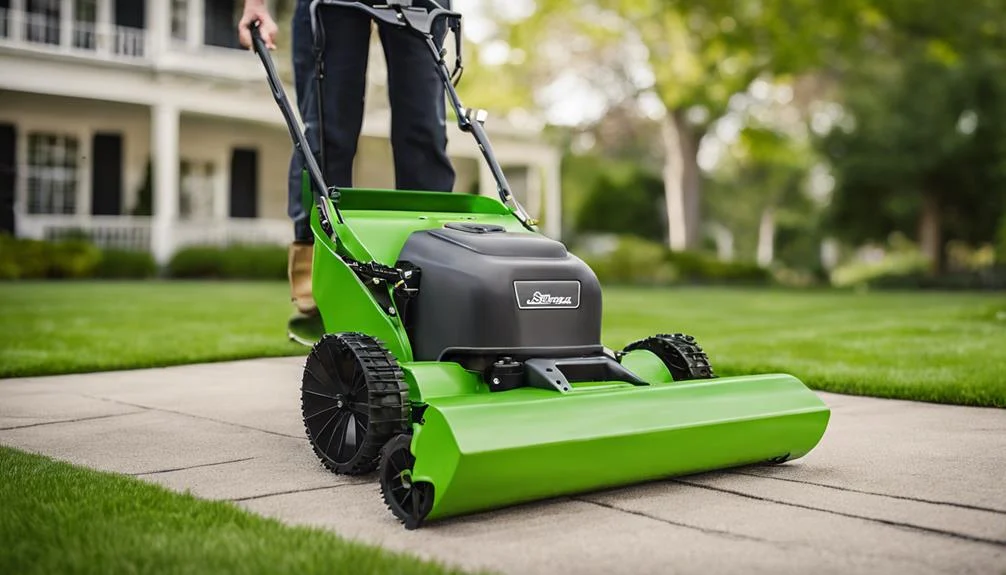
Beyond the basic operational differences, several performance metrics can help you decide which machine will suit your yard best. These include collection capacity, width of coverage, suction or brush power, and ease of maneuverability. A larger collection capacity reduces the frequency of emptying the hopper, which can be a significant time‑saver for extensive lawns.
Coverage width determines how many passes you need to complete a job. Sweeper models often feature a wider brush array, covering up to 30 inches in a single pass, whereas many vacuum units have a narrower intake, typically 18–20 inches, but compensate with higher suction that picks up more material per foot traveled.
Grass Type and Debris Size
The type of grass and the size of debris in your yard can dramatically affect efficiency. Fine‑bladed grasses like Bermuda or Zoysia produce small clippings that a vacuum can easily suction, while coarser grasses such as fescue may generate larger clippings better handled by a sweeper’s brushes. Likewise, if you have a lot of pine needles, a sweeper might struggle because the needles can slip through the brush gaps; a vacuum’s strong suction typically captures them more reliably.
Terrain and Slope
Uneven or sloped terrain poses challenges for both tools, but the impact varies. A sweeper’s rollers can lose traction on steep grades, causing uneven collection or even damage to the machine. Conversely, a vacuum’s hose can be directed to the lower side, allowing you to work against gravity with less strain. However, a very steep slope may still be problematic for any motorized equipment, so you may need to break the job into smaller sections.
Cost, Maintenance, and Environmental Impact

When evaluating lawn sweeper vs lawn vacuum, cost is an obvious factor but it’s not the only one. Initial purchase price for a basic sweeper can range from $150 to $300, while entry‑level vacuums start around $200 and can exceed $800 for professional‑grade models with larger motors and advanced filtration systems. Ongoing maintenance—such as blade sharpening for sweepers or filter replacement for vacuums—adds to the lifetime expense.
From an environmental standpoint, a gasoline‑powered sweeper emits more CO₂ than an electric vacuum, especially if the vacuum runs on renewable electricity. Battery‑powered models also have a lower carbon footprint, but they require periodic battery replacement. If sustainability is part of your home design philosophy, you may favor a lawn vacuum that runs on clean energy.
Energy Consumption and Noise Levels
A lawn vacuum’s motor typically draws more power than a sweeper’s brush system, leading to higher electricity usage when plugged into an outlet. However, the increased power often translates to faster job completion, potentially offsetting the energy cost. Noise is another consideration: vacuums can produce 70–80 decibels, comparable to a lawn mower, while sweepers usually stay below 65 decibels, making them less intrusive for early‑morning or evening work.
Practical Use Cases: Which Tool Fits Your Landscape?
Let’s match common yard scenarios with the most suitable device. If you have a small, flat lawn with primarily dry leaves, a lightweight lawn sweeper may be the most efficient option. Its simple operation and low maintenance make it ideal for weekly clean‑ups. For larger properties with mixed debris—including wet grass, bark, and heavy mulch—a lawn vacuum provides the suction power needed to lift and contain heavier material without clogging.
Homeowners who enjoy a minimalist aesthetic often incorporate clean pathways and low‑maintenance lawns. In such cases, a vacuum can be used periodically to keep the yard free of organic buildup, preserving the sleek look you might be aiming for in your outdoor design. For those who love a more natural, cottage‑garden vibe, a sweeper can quickly collect the abundant foliage without disturbing the ground too much.
Small Yards and Tight Spaces
When space is limited—think urban backyards or patio borders—a compact, battery‑powered lawn vacuum can navigate narrow aisles more easily than a bulky sweeper. The flexible hose allows you to reach under furniture or around garden beds without having to lift the entire unit. Some vacuums even come with interchangeable nozzles for precision cleaning around flower pots and decorative stones.
Large Estates and Professional Use
Professional landscapers often prefer high‑capacity vacuums with large collection tanks and industrial‑strength motors. These machines can handle tons of debris per hour, making them cost‑effective for commercial contracts. Sweepers are still used in some large‑scale scenarios, especially where the ground is relatively even and the primary goal is to collect lightweight leaves quickly.
Quick Tips for Getting the Most Out of Your Lawn Cleaner
- Schedule regular clean‑ups: tackling leaf fall early in the season reduces buildup and eases the workload for both tools.
- Adjust brush speed or suction power based on moisture level: lower settings for dry leaves, higher for damp clippings.
- Empty the collection bag or hopper before it reaches the fill line to prevent spillage.
- For a lawn sweeper vs lawn vacuum comparison, test both on a small section of your yard to see which handles your specific debris better.
- Maintain sharp brush blades and clean filters regularly to preserve efficiency.
Common Mistakes When Using Lawn Sweeper vs Lawn Vacuum
Even experienced gardeners can fall into traps that reduce the effectiveness of their equipment. One frequent error is overloading the hopper or bag, which can cause the motor to strain and reduce suction or brush performance. Another mistake is neglecting to clear tangled debris from the brush rollers of a sweeper, leading to uneven collection and potential damage. With vacuums, forgetting to clean the filter after each use can quickly diminish airflow, turning a powerful machine into a weak blower.
Choosing the wrong power source for your terrain is also a pitfall. A gasoline‑powered sweeper on a small, flat yard adds unnecessary noise and emissions, while an electric vacuum on a hilly property may struggle with cord length or battery life. Assess your yard’s specific needs before committing to a particular model.
Frequently Asked Questions
What is the main advantage of a lawn sweeper over a lawn vacuum?
A lawn sweeper’s mechanical brushes require less power and typically generate less noise, making it ideal for dry leaf removal on flat surfaces. It also tends to be less expensive to maintain because there are fewer moving parts that need regular cleaning.
Can I use a lawn vacuum on wet grass clippings?
Yes, a lawn vacuum’s suction is especially effective on damp material that might clump together. However, ensure the collection bag is designed for moisture to prevent mold growth and consider using a model with a larger capacity to avoid frequent emptying.
Do lawn sweepers work on uneven or sloped lawns?
Sweepers can handle mild slopes, but steep gradients may cause the brushes to lose traction, leading to uneven collection. For steep terrain, a lawn vacuum with a flexible hose often provides better control.
Which tool is more environmentally friendly?
Electric or battery‑powered lawn vacuums have a smaller carbon footprint than gasoline‑driven sweepers, especially when charged with renewable energy. Sweepers that run on electricity are also greener than their gas counterparts.
How often should I clean the filter on a lawn vacuum?
It’s best to clean or replace the filter after every 5–10 uses, depending on how much debris you collect. A clogged filter reduces suction and can overheat the motor.
For more inspiration on integrating clean outdoor spaces with interior design, explore our living room décor with linen pillows guide. If you’re looking for broader home décor ideas, our resources can help you blend interior and exterior aesthetics seamlessly. And don’t miss the article on modern home styling for a cohesive look throughout your property.
Choosing between lawn sweeper vs lawn vacuum ultimately depends on the specific conditions of your yard, your budget, and your personal preferences for noise, maintenance, and environmental impact. By evaluating the core differences, performance factors, and practical use cases outlined above, you’ll be able to make an informed decision that keeps your lawn looking immaculate while complementing the overall design narrative of your home.