
Table of Contents
- Kenmore vs KitchenAid Dishwashers: Performance Overview
- Kenmore vs KitchenAid Dishwashers: Noise Levels and Energy Use
- Design Compatibility and Aesthetic Appeal
- Durability, Warranty, and Service Support
- Smart Features and Connectivity
- Energy Efficiency and Environmental Impact
- Pricing, Value Proposition, and Total Cost of Ownership
- Quick Home Décor Tips for Integrating Your Dishwasher
- Common Mistakes When Selecting a Dishwasher
- Frequently Asked Questions
- Which brand offers better cleaning performance for heavily soiled pots?
- Are Kenmore dishwashers quieter than KitchenAid models?
- Do both brands support smart home integration?
- How do the energy‑saving cycles compare?
- What should I consider regarding warranty and service?
- Conclusion
Kenmore vs KitchenAid Dishwashers: In‑Depth Comparison for Modern Kitchens
Choosing the right dishwasher can feel like navigating a maze of features, price points, and brand reputations. For homeowners who value both efficiency and style, the showdown between Kenmore and KitchenAid often emerges as a decisive factor. Both brands have long histories in the appliance market, yet they cater to slightly different priorities—Kenmore leans toward reliability and value, while KitchenAid emphasizes premium performance and design flair.
In this article we’ll unpack the most important considerations that influence the decision‑making process. From cleaning power and energy consumption to noise levels and aesthetic compatibility, we’ll provide a clear, side‑by‑side analysis. By the end, you’ll know exactly which model aligns with your kitchen’s layout, lifestyle, and budget.
Kenmore vs KitchenAid Dishwashers: Performance Overview
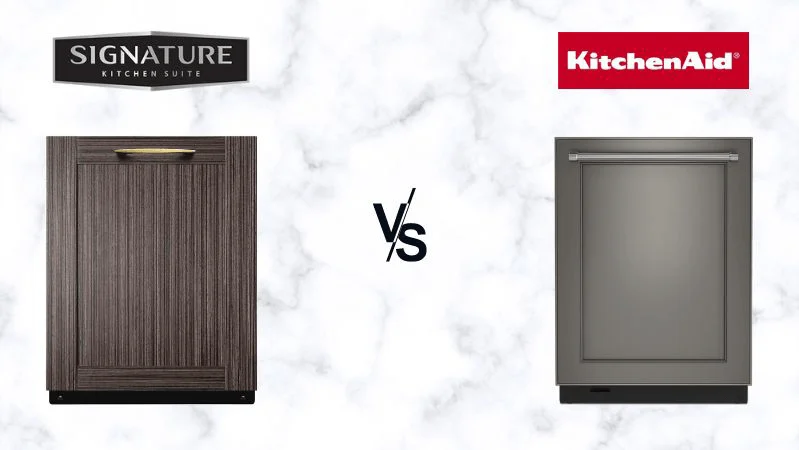
When it comes to cleaning results, the primary metric is how well a dishwasher removes food residue while protecting delicate dishes. Kenmore models typically feature multiple wash cycles, including a “Heavy Duty” option for pots and pans. Their spray arm design focuses on broad coverage, which works well for standard load configurations.
KitchenAid, on the other hand, often incorporates a “ProWash” system that uses intelligent sensors to adjust water pressure and temperature in real time. This adaptive approach can achieve superior results on mixed loads, especially when dealing with baked‑on food. The brand also offers a “Free‑Standing” rack option that provides extra flexibility for oversized items.
In head‑to‑head tests, KitchenAid tends to edge out Kenmore by a small margin in stain removal, especially on glassware. However, Kenmore’s consistent performance across all cycles makes it a reliable workhorse for families that prefer a straightforward, no‑frills approach.
Kenmore vs KitchenAid Dishwashers: Noise Levels and Energy Use
Noise is a crucial factor for open‑plan living spaces. Kenmore’s standard models usually operate between 48–52 dB, which is acceptable for most households but can be noticeable during quiet evenings. KitchenAid’s premium lines often boast “Quiet” ratings as low as 38–44 dB, thanks to insulated panels and advanced motor designs.
Energy efficiency is another differentiator. Both brands comply with ENERGY STAR standards, yet KitchenAid frequently incorporates “EcoSmart” cycles that reduce water usage by up to 30 % without compromising cleaning power. Kenmore’s “Eco” options are effective but generally use slightly more water per cycle.
For eco‑conscious buyers, KitchenAid may provide marginally better savings on utility bills over the appliance’s lifespan. Nevertheless, Kenmore’s lower upfront price can balance the equation for budget‑focused shoppers.
Design Compatibility and Aesthetic Appeal

Kitchen aesthetics have evolved dramatically, with sleek finishes and integrated appliances becoming the norm. KitchenAid offers a wide palette of panel‑ready options, allowing homeowners to match the dishwasher front to existing cabinetry. Their stainless‑steel finishes also carry a modern, professional look that complements contemporary kitchen designs.
Kenmore’s design language is more traditional, focusing on solid white or black exteriors that blend seamlessly in classic or transitional kitchens. While panel‑ready versions exist, they are less extensive than KitchenAid’s lineup.
If your kitchen leans toward a minimalist vibe, you might appreciate the minimal kitchen rack decoration ideas that pair well with KitchenAid’s clean lines. Conversely, a farmhouse or retro kitchen can benefit from Kenmore’s understated aesthetic.
Durability, Warranty, and Service Support
Long‑term reliability often hinges on build quality and after‑sale service. Kenmore appliances are manufactured by a variety of OEM partners, which can lead to variability in component durability. However, the brand compensates with a generous 2‑year parts and labor warranty on most models.
KitchenAid, produced by Whirlpool, maintains tighter control over its supply chain, resulting in consistent build standards. Their dishwashers typically come with a 1‑year limited warranty, but many retailers offer extended coverage plans. Service networks for both brands are nationwide, though KitchenAid’s premium positioning sometimes yields faster response times.
Homeowners who prioritize hassle‑free maintenance may find Kenmore’s broader dealer network advantageous, while those seeking high‑end component quality may favor KitchenAid’s reputation for durability.
Smart Features and Connectivity
Smart home integration is increasingly common, and both manufacturers have responded with Wi‑Fi enabled models. Kenmore’s “Smart Connect” allows users to start, pause, and monitor cycles via a mobile app, plus receive alerts for maintenance issues.
KitchenAid’s “KitchenAid Smart Home” platform offers similar functionality, but also integrates with voice assistants like Amazon Alexa and Google Assistant. This enables hands‑free operation, such as saying “Alexa, start the dishwasher” to kick off a cycle.
For tech‑savvy households, KitchenAid’s broader ecosystem might provide a more seamless experience, especially when paired with other smart kitchen appliances. Kenmore’s app, while functional, is more limited in third‑party integrations.
Energy Efficiency and Environmental Impact
Both Kenmore and KitchenAid have embraced water‑saving technologies, yet the specific implementations differ. Kenmore’s “EcoBoost” cycle reduces water temperature and extends rinse time to achieve a thorough clean with less consumption. KitchenAid’s “ProDry” and “EcoSteam” technologies focus on reducing drying energy by using a low‑temperature steam cycle.
From a lifecycle perspective, KitchenAid’s use of recycled stainless steel in certain models can lower the environmental footprint. Kenmore’s emphasis on repairability—through easily replaceable parts—also contributes to sustainability by extending product life.
When evaluating the total environmental impact, consider both the operational efficiency (energy and water use) and the end‑of‑life options (recyclability, part availability).
Pricing, Value Proposition, and Total Cost of Ownership
Price points for Kenmore dishwashers typically range from $450 to $800, making them an attractive option for budget‑conscious buyers. KitchenAid’s premium models sit between $900 and $1,600, reflecting the brand’s emphasis on advanced features and upscale design.
However, the total cost of ownership includes more than the sticker price. KitchenAid’s higher efficiency can translate into lower utility bills, while Kenmore’s lower initial cost may appeal to those who plan to upgrade appliances within a few years.
Assessing value involves weighing upfront expense against long‑term performance, energy savings, and potential resale value. For many homeowners, the decision boils down to whether they prioritize immediate affordability (Kenmore) or long‑term premium performance (KitchenAid).
Quick Home Décor Tips for Integrating Your Dishwasher
- Choose a panel‑ready dishwasher to blend seamlessly with cabinet fronts.
- Pair stainless‑steel finishes with brushed nickel hardware for a cohesive look.
- Use under‑cabinet lighting to highlight the dishwasher’s control panel.
- Incorporate a decorative countertop runner that matches your kitchen palette.
- Consider adding a small herb garden on the adjacent countertop; balcony plant decoration ideas can inspire creative placement.
Common Mistakes When Selecting a Dishwasher
Even seasoned shoppers can fall into pitfalls that affect long‑term satisfaction. One frequent error is overlooking the interior layout; a dishwasher that looks great on the outside may have a cramped rack system that struggles with larger pans. Another mistake is ignoring noise specifications—an appliance rated at 55 dB can become a nuisance in an open‑plan home.
Failing to verify the dishwasher’s dimensions against the cabinet cutout can lead to costly modifications. Finally, neglecting to compare warranty terms and service coverage may result in unexpected repair expenses down the line.
Frequently Asked Questions
Which brand offers better cleaning performance for heavily soiled pots?
KitchenAid’s ProWash system, with its adaptive sensors, generally outperforms Kenmore on heavily soiled items. The intensive cycle delivers higher water pressure and temperature, making it ideal for tough grime.
Are Kenmore dishwashers quieter than KitchenAid models?
On average, KitchenAid’s premium lines are quieter, operating as low as 38 dB, whereas Kenmore typically ranges between 48–52 dB. If a quiet kitchen is a priority, KitchenAid is the better choice.
Do both brands support smart home integration?
Yes. Kenmore offers a basic Wi‑Fi app for cycle monitoring, while KitchenAid provides broader integration with voice assistants and third‑party smart home platforms.
How do the energy‑saving cycles compare?
Both brands meet ENERGY STAR standards. KitchenAid’s EcoSteam and ProDry cycles tend to use slightly less water and energy than Kenmore’s EcoBoost, though the difference is modest.
What should I consider regarding warranty and service?
Kenmore usually includes a 2‑year parts and labor warranty, whereas KitchenAid offers a 1‑year limited warranty with optional extended plans. Consider the dealer network and your willingness to invest in extended coverage.
Conclusion
Both Kenmore and KitchenAid bring distinct strengths to the dishwasher market. Kenmore shines with affordability, solid reliability, and a straightforward user experience. KitchenAid impresses with advanced cleaning technology, quieter operation, and premium aesthetics that can elevate a modern kitchen’s look.
When deciding between the two, weigh factors such as performance needs, noise tolerance, design compatibility, and long‑term cost. By aligning the dishwasher’s capabilities with your household’s routines and style preferences, you’ll ensure that the appliance not only cleans efficiently but also enhances the overall harmony of your home.