
Table of Contents
- Japanese Holly vs Boxwood: Key Differences
- Japanese Holly vs Boxwood: Growth Habit and Size
- Landscape Design Considerations
- Maintenance and Care Requirements
- Seasonal Appearance and Color
- Cost, Availability, and Sustainability
- Quick Tips for Using Japanese Holly vs Boxwood
- Common Mistakes to Avoid
- Frequently Asked Questions
- Choosing the Right Evergreen for Your Space
Japanese Holly vs Boxwood: A Complete Comparison for Modern Garden Design
When it’s time to select evergreen shrubs for a polished landscape, many homeowners find themselves torn between two classic options: Japanese holly and boxwood. Both plants promise year‑round structure, but they differ in texture, growth pattern, and maintenance needs. Understanding these nuances can turn a simple planting decision into a strategic design move that enhances curb appeal, creates privacy, or adds a sculptural element to a small patio.
In this guide we’ll walk through every aspect that matters to a modern‑style homeowner: from the botanical basics and seasonal aesthetics to practical care tips and budget considerations. By the end, you’ll be equipped to decide which shrub fits your design vision, climate, and lifestyle, and you’ll have actionable ideas for integrating either plant into a variety of rooms and outdoor spaces.
Whether you’re revamping a formal garden, adding a low‑maintenance hedge to a balcony, or looking for a versatile backdrop for container planting, the comparison of Japanese holly vs boxwood will give you the confidence to choose the right evergreen for your project.
Japanese Holly vs Boxwood: Key Differences
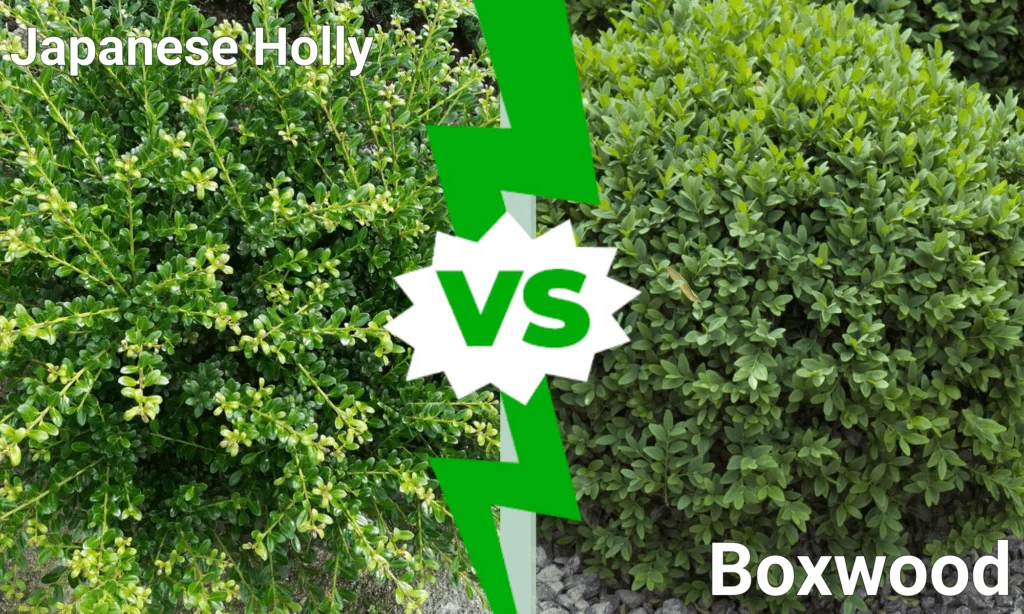
At first glance, Japanese holly (Ilex crenata) and common boxwood (Buxus sempervirens) appear quite similar—both are evergreen, shade‑tolerant, and often used for hedges. However, their botanical origins shape distinct characteristics. Japanese holly, native to East Asia, sports tiny, glossy leaves that resemble those of true hollies but are softer to the touch. Boxwood, a staple of European gardens, features broader, leathery leaves with a matte finish.
These leaf textures affect how each plant reflects light, which in turn influences the visual weight of a design. Japanese holly’s shinier foliage can brighten a dim corner, while boxwood’s muted tones create a subtle, grounding backdrop. The two also differ in growth habit: Japanese holly typically forms a denser, more compact mound, whereas boxwood tends to branch out with a slightly looser form, making it ideal for topiaries and formal shapes.
Understanding these nuances helps you align the plant’s natural behavior with your design intent, whether you’re aiming for a sleek, modern look or a classic, structured garden.
Japanese Holly vs Boxwood: Growth Habit and Size
When planning space, the ultimate size of each shrub matters. Japanese holly usually reaches 4–6 feet in height and spreads 3–5 feet, maintaining a relatively uniform shape even as it matures. Boxwood can grow taller—up to 10 feet in some varieties—though dwarf cultivars stay under 3 feet. This height flexibility makes boxwood a go‑to for both low borders and towering hedges.
Both plants respond well to pruning, but Japanese holly tolerates harder cuts without showing die‑back, making it forgiving for beginners. Boxwood, especially older varieties, can be prone to leaf scorch if pruned during extreme heat, so timing is key. Knowing these growth patterns lets you anticipate future space requirements and avoid overcrowding in small gardens or container settings.
Landscape Design Considerations
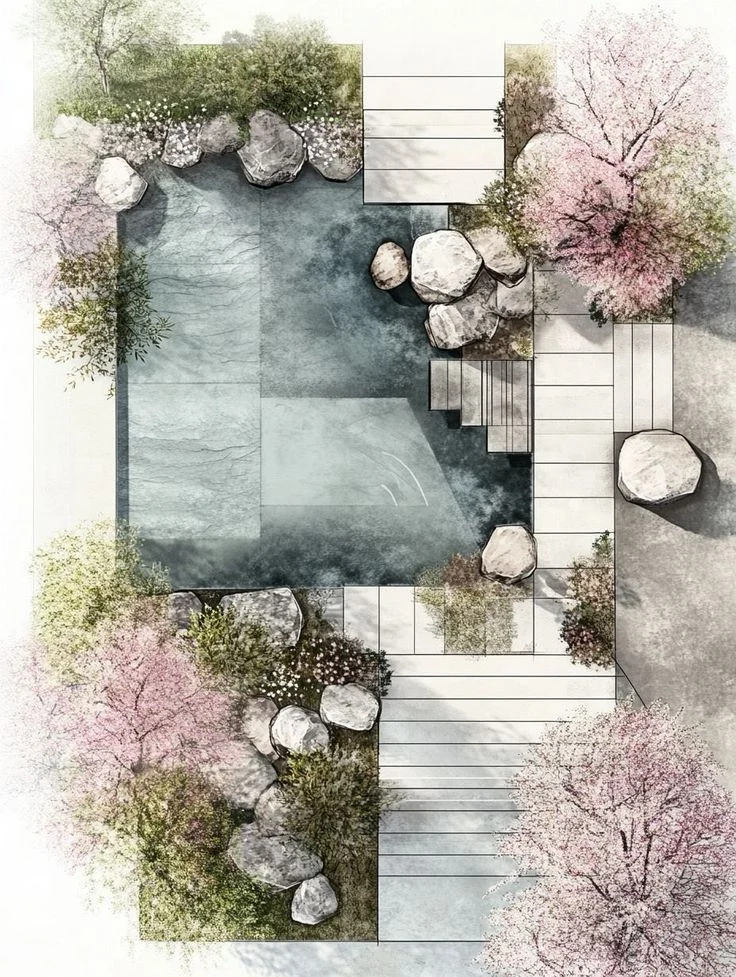
In modern home décor, the integration of plant material with architectural elements is essential. Japanese holly’s fine, dense foliage works beautifully as a backdrop for minimalist stone pathways, allowing the clean lines of hardscape to shine. Boxwood, with its broader leaves, pairs well with geometric planting beds, creating a subtle contrast to sharp-edged pavers or metal planters.
Both shrubs can be used in container gardens, but the choice influences the overall aesthetic. A group of Japanese holly in a sleek, monochrome pot adds a contemporary feel to a balcony, while a boxwood topiary in a classic ceramic urn evokes a timeless, formal garden vibe. For those who love seasonal flair, consider using Japanese holly as a low‑maintenance filler between bold, flowering perennials, whereas boxwood can be shaped into living walls that serve as living art installations.
- Formal Gardens: Boxwood’s classic look works well in symmetrical layouts.
- Modern Minimalism: Japanese holly’s subtle sheen enhances clean, uncluttered spaces.
- Small Urban Patios: Dwarf boxwood cultivars fit tight corners without overwhelming.
- Mixed Borders: Pair Japanese holly with ornamental grasses for texture contrast.
For more inspiration on pairing greenery with contemporary interiors, check out our Modern Cozy Kitchen Corner Décor: A Complete Guide. The same principles of balance and texture apply when you bring these shrubs into indoor‑outdoor flow spaces.
Maintenance and Care Requirements
Both Japanese holly and boxwood are celebrated for low maintenance, yet each has specific needs that affect long‑term health. Japanese holly thrives in well‑drained, slightly acidic soil (pH 5.5–6.5) and prefers partial shade, though it tolerates full sun if moisture is consistent. Regular watering during the first year establishes a strong root system; after that, it can handle occasional drought.
Boxwood is more tolerant of a wider pH range and can flourish in both sun and shade. However, it is susceptible to boxwood blight, a fungal disease that spreads in humid climates. Preventative measures include proper spacing for airflow, mulching to keep foliage dry, and applying fungicide in high‑risk seasons.
Pruning schedules also differ. Japanese holly benefits from a light trim in early spring to shape the plant and encourage fresh growth. Boxwood should be pruned in late winter or early spring before new shoots emerge, avoiding heavy cuts in summer heat that could cause leaf burn.
Both shrubs respond well to a balanced, slow‑release fertilizer applied in early spring. Over‑fertilizing can lead to soft, leggy growth, especially for boxwood, so follow label instructions closely.
Seasonal Appearance and Color
Evergreen foliage is a major draw, but subtle seasonal changes add visual interest. Japanese holly maintains its deep green hue throughout the year, with new shoots displaying a slightly brighter tone in spring. In winter, the glossy leaves catch low light, creating a luminous effect against a snowy backdrop.
Boxwood’s color is more variable. While the classic green persists, some varieties develop a bronze or yellowish tint in colder months, adding depth to winter garden palettes. Additionally, boxwood’s denser branching can cast soft shadows that accentuate textural contrasts when paired with ornamental grasses or winter‑blooming perennials.
If you’re looking for a splash of color, consider planting Japanese holly alongside spring‑flowering azaleas, while boxwood pairs nicely with autumnal foliage such as Japanese maples that provide a warm backdrop.
Cost, Availability, and Sustainability
Both Japanese holly and boxwood are widely available at garden centers, but price points can differ based on size and cultivar. Small container plants (1–2 gallons) typically start around $15 for Japanese holly and $12 for boxwood. Larger specimens (5–7 gallons) can range from $40 to $80, with rare cultivars commanding premium prices.
From a sustainability perspective, Japanese holly’s native range includes many temperate regions, making it a relatively low‑impact choice in those climates. Boxwood, however, has faced challenges due to disease pressure, leading some growers to adopt integrated pest management practices to reduce chemical use.
When budgeting, factor in long‑term care costs: boxwood may require occasional fungicide treatments, whereas Japanese holly generally needs less intervention. Selecting a disease‑resistant boxwood cultivar, such as ‘Green Velvet’, can mitigate future expenses.
Quick Tips for Using Japanese Holly vs Boxwood
- Choose Japanese holly for tight, low‑maintenance borders that need a sleek, reflective look.
- Opt for dwarf boxwood cultivars when space is limited but a formal shape is desired.
- Prune Japanese holly in early spring; prune boxwood in late winter to avoid leaf scorch.
- Mulch around both plants to retain moisture and reduce the risk of boxwood blight.
- Combine Japanese holly with bright‑colored annuals for a modern, layered effect.
Common Mistakes to Avoid
Even seasoned gardeners can stumble when working with evergreen shrubs. One frequent error is planting Japanese holly in heavy clay soils that retain water; this leads to root rot and declines in vigor. Amend the soil with organic matter and ensure good drainage.
Another pitfall is over‑pruning boxwood, especially during hot summer months. Excessive cuts can stress the plant, making it vulnerable to pests and disease. Stick to light shaping and reserve major pruning for dormant seasons.
Lastly, neglecting spacing can cause both shrubs to compete for light and air, fostering fungal issues. Provide at least 2–3 feet between plants to maintain healthy airflow.
Frequently Asked Questions
Can I grow Japanese holly and boxwood in containers?
Yes. Both species adapt well to large containers with good drainage. Use a high‑quality potting mix, water consistently, and fertilize monthly during the growing season.
Which shrub is more deer‑resistant?
Japanese holly generally fares better against deer due to its bitter leaf taste, while boxwood may be browsed in areas with high deer pressure.
How often should I fertilize these evergreens?
Apply a balanced, slow‑release fertilizer once in early spring. Avoid feeding in late summer, as this can promote tender growth susceptible to winter damage.
Is boxwood suitable for coastal gardens?
Boxwood tolerates salt spray better than many shrubs, making it a solid choice for coastal landscapes, provided you choose a salt‑tolerant cultivar.
What are the best companion plants for Japanese holly?
Companion plants that enhance texture include Japanese ferns, hostas, and low‑growth ornamental grasses. Their foliage contrasts nicely with the holly’s glossy leaves.
Choosing the Right Evergreen for Your Space
Ultimately, the decision between Japanese holly vs boxwood hinges on three core factors: design style, site conditions, and maintenance willingness. If you favor a sleek, modern aesthetic with minimal pruning, Japanese holly is an excellent choice. If you love the timeless elegance of formal hedges and enjoy occasional shaping, boxwood offers unmatched versatility.
Consider testing a small specimen of each in your garden to observe how they respond to light, soil, and moisture. This hands‑on approach will reveal subtle differences that may influence your final selection.
For a broader perspective on evergreen comparisons, you might also enjoy reading our Oakland Holly vs Oakleaf Holly – A Detailed Comparison for Home Styling. Understanding the traits of related species can further refine your planting strategy.
By aligning plant characteristics with your design goals, you’ll create a landscape that remains attractive throughout the year, adds value to your property, and reflects your personal style.
Now that you have a comprehensive view of Japanese holly vs boxwood, feel confident to select the shrub that best complements your home’s exterior or indoor‑outdoor transition spaces. Happy planting!