
Table of Contents
- incense cedar vs western red cedar unraveling the timber tale: An Overview
- Botanical Background and Growth Characteristics
- Incense Cedar: Species and Habitat
- Western Red Cedar: Species and Habitat
- Physical Properties and Aesthetic Qualities
- Grain, Color, and Aroma
- Performance in Home Applications
- Durability and Weather Resistance
- Acoustic and Insulation Benefits
- Design Considerations: Matching Cedar to Interior Styles
- Sustainability and Environmental Impact
- Quick Tips for Choosing the Right Cedar
- Common Mistakes and How to Avoid Them
- Frequently Asked Questions
- Which cedar is better for a closet lining?
- Can incense cedar be used outdoors?
- Is one cedar more sustainable than the other?
- How do I maintain the color of western red cedar?
- Do these cedars affect indoor air quality?
- Can I mix incense cedar and western red cedar in the same project?
When you step into a room where wood plays a starring role, the subtle scent, the warm hues, and the tactile feel can instantly shift the atmosphere. Two names often surface among designers and DIY enthusiasts: incense cedar and western red cedar. While they may share a common family tree, each brings a distinct personality that can influence everything from aroma to durability.
Understanding the nuances between these timbers is more than a botanical exercise; it’s about aligning material choice with the lifestyle, climate, and aesthetic goals of a space. Whether you’re planning a closet interior, a sauna panel, or an outdoor pergola, the decision between incense cedar and western red cedar can shape both function and feel.
In this article we’ll dive deep into the science, the look, and the practical applications of each species, offering clear guidance for anyone eager to make an informed timber selection. By the end, the timber tale of incense cedar vs western red cedar unraveling the timber tale will feel as natural as the wood itself.
incense cedar vs western red cedar unraveling the timber tale: An Overview
Both incense cedar (Calocedrus decurrens) and western red cedar (Thuja plicata) belong to the cypress family, yet their growth regions, physical attributes, and typical uses diverge significantly. Incense cedar thrives in the high elevations of California’s Sierra Nevada, whereas western red cedar dominates the moist, coastal forests of the Pacific Northwest. This geographic split informs many of the differences that designers notice when selecting wood for interior versus exterior projects.
The phrase incense cedar vs western red cedar unraveling the timber tale serves as a reminder that the comparison is not merely about grain patterns; it’s about how each species interacts with humidity, how long they last, and the sensory experience they provide. Below we explore those aspects in detail, giving you the knowledge to match timber to your design narrative.
Botanical Background and Growth Characteristics
Incense Cedar: Species and Habitat
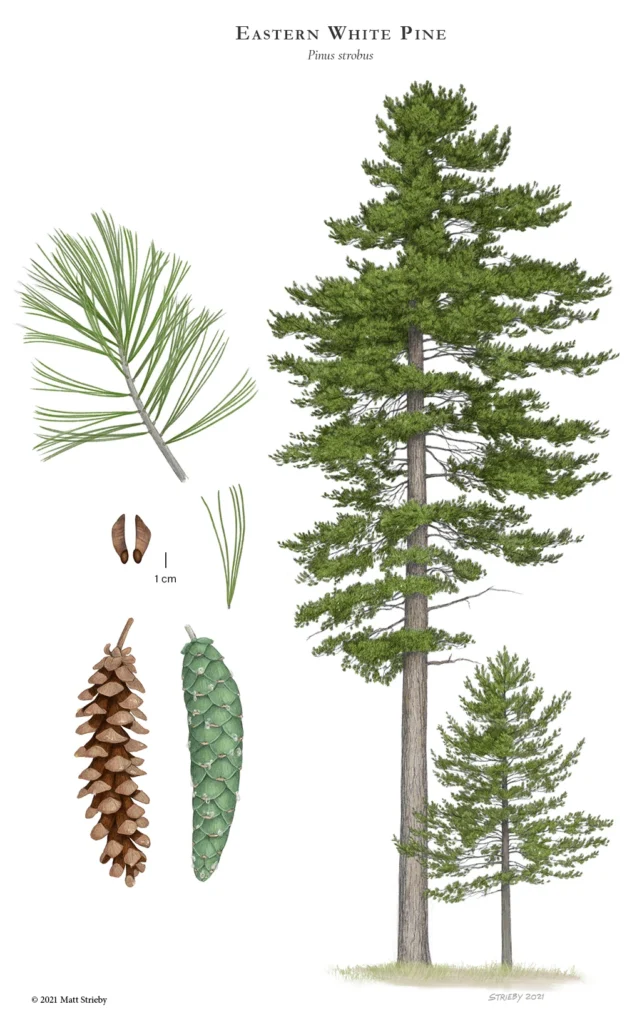
Incense cedar is a tall, evergreen conifer that can reach heights of 200 feet. Its needles are flat, scale‑like, and arranged in a way that minimizes water loss, making the tree well‑adapted to dry, mountainous environments. The slow growth rate—often less than a foot per year—produces dense, tight grain that contributes to the wood’s strength and fine texture.
Western Red Cedar: Species and Habitat
Western red cedar, on the other hand, prefers the damp, temperate climate of the Pacific coast, where it can grow over 300 feet tall. Its foliage consists of soft, feathery foliage that sheds water efficiently. Faster growth—sometimes two to three feet annually—creates a more open grain structure, which is why western red cedar feels lighter and more flexible than incense cedar.
Physical Properties and Aesthetic Qualities

Grain, Color, and Aroma
Incense cedar displays a warm, reddish‑brown hue with a subtle, straight grain. When freshly cut, it releases a faint, sweet scent reminiscent of incense sticks—hence the name. Over time, the color deepens, developing a rich amber tone that works beautifully in traditional or rustic interiors.
Western red cedar showcases a brighter, salmon‑pink to light reddish color that weathers to a silvery‑gray patina if left untreated outdoors. Its grain is more pronounced, with a distinct, wavy pattern that can add visual interest to siding or fencing. The aromatic profile is stronger, emitting a characteristic cedar aroma that can deter moths and other pests, making it a favorite for closets and storage.
Performance in Home Applications
Durability and Weather Resistance
Both timbers are naturally resistant to decay, but western red cedar edges ahead in outdoor durability due to its higher oil content. It can withstand rain, snow, and UV exposure for decades with minimal maintenance. Incense cedar, while still decay‑resistant, is better suited for interior uses where moisture exposure is limited.
Acoustic and Insulation Benefits
Incense cedar’s dense composition makes it an excellent acoustic panel, absorbing sound without compromising structural integrity. This quality is why many high‑end music studios and home theaters favor it for wall linings. Western red cedar, being lighter, offers superior thermal insulation, helping keep attics and exterior walls cooler in summer and warmer in winter.
Design Considerations: Matching Cedar to Interior Styles
Choosing the right cedar involves more than function; it’s about the story you want your space to tell. Below are common rooms and the cedar that typically shines there.
- Living Rooms: A western red cedar ceiling beam can become a striking focal point, especially when paired with modern natural décor. For inspiration on how to balance wood with furniture, see our guide on living room accent chair styling ideas.
- Bedrooms: Incense cedar headboards bring a warm, intimate feel, while the subtle scent can promote a calming atmosphere.
- Closets & Storage: Western red cedar’s moth‑repelling aroma makes it the go‑to choice for hanging garments and linens.
- Bathrooms: Though both are moisture‑sensitive, properly sealed incense cedar can add a spa‑like luxury to vanity tops.
- Outdoor Patios & Decks: Western red cedar’s weather‑proof nature ensures longevity with minimal upkeep.
Sustainability and Environmental Impact
Both species are harvested from responsibly managed forests in the United States, but the faster growth of western red cedar often translates to a lower carbon footprint per board foot. Certified FSC (Forest Stewardship Council) labels guarantee that the timber comes from forests where regeneration, biodiversity, and community benefits are prioritized.
When choosing between incense cedar and western red cedar, consider the source. Look for certifications and ask suppliers about their reforestation practices. Sustainable timber not only protects the environment but also ensures that the wood you love remains available for future generations.
Quick Tips for Choosing the Right Cedar
- Assess the exposure: Use western red cedar for exterior or high‑moisture areas; opt for incense cedar for interiors where a denser, more acoustic‑friendly material is desired.
- Match the aroma to the space: If you want a strong, natural scent, western red cedar excels; for a milder fragrance, choose incense cedar.
- Consider the finish: Both woods take stains well, but a clear finish highlights incense cedar’s warm tones, while a semi‑transparent stain can enhance western red cedar’s natural grain.
- Plan for aging: Western red cedar will gray over time if left untreated—great for a weathered look. Incense cedar retains its rich color longer.
- Check sustainability labels: FSC or PEFC certification ensures responsible harvesting.
Common Mistakes and How to Avoid Them
Even seasoned homeowners can stumble when working with cedar. Below are pitfalls to watch for:
- Neglecting proper sealing: Both timbers can warp or crack if exposed to rapid moisture changes without a protective seal.
- Using the wrong fasteners: Stainless steel or coated screws prevent corrosion that could stain the wood.
- Over‑staining: Heavy pigments can mask the natural beauty and aroma that make cedar special. Light, penetrating stains often work best.
- Ignoring grain direction: Aligning the grain with the load path improves strength, especially for structural beams.
Frequently Asked Questions
Which cedar is better for a closet lining?
Western red cedar is preferred because its natural oils repel moths and its pleasant scent helps keep clothing fresh. Incense cedar also works but offers a milder aroma.
Can incense cedar be used outdoors?
It can, but it requires a high‑quality sealant and regular maintenance. Western red cedar is the more practical choice for exterior applications due to its superior weather resistance.
Is one cedar more sustainable than the other?
Both can be sustainable when sourced from certified forests. Western red cedar’s faster growth rate often gives it a slightly lower environmental impact per board foot, but certification is the key factor.
How do I maintain the color of western red cedar?
Apply a UV‑blocking finish every 2–3 years to slow the natural graying process. If you love the weathered look, simply let it age without treatment.
Do these cedars affect indoor air quality?
The natural aromas of both woods are generally considered beneficial, providing a fresh, clean scent. However, people with severe sensitivities should ensure proper ventilation during installation.
Can I mix incense cedar and western red cedar in the same project?
Yes, mixing can create visual contrast and combine the acoustic benefits of incense cedar with the weather‑proof qualities of western red cedar. Just plan the transition points carefully to maintain structural integrity.
Choosing between incense cedar and western red cedar is ultimately a matter of aligning material strengths with the story you want your home to tell. By understanding the growth habits, aesthetic nuances, performance metrics, and sustainability credentials of each wood, you can confidently select the timber that best serves your design vision.
Ready to bring a cedar‑infused touch to your space? Explore more ideas on how to blend natural wood with modern décor in our home styling ideas for beginners guide, and let the timeless elegance of cedar elevate your interiors.
Remember, the true beauty of cedar lies not just in its appearance but in the way it ages, scents, and supports the life within your walls. With the right knowledge, incense cedar vs western red cedar unraveling the timber tale becomes a confident, creative decision that adds lasting value to any home.