

Table of Contents
- ideas for a welcoming and organized entryway design
- Define functional zones for an effortless flow
- Smart storage solutions for small entryways
- ideas for a welcoming and organized entryway design: hidden storage tricks
- Lighting and colour: setting the first impression
- Personal touches that invite warmth
- Maintaining an organized entryway: habits and routines
- Quick actionable tips
- Common mistakes to avoid
- Frequently Asked Questions
Ideas for a Welcoming and Organized Entryway Design
First impressions matter, and the entryway is the literal front line of every home. Whether you live in a compact city apartment or a sprawling suburban house, a thoughtfully designed entry space can set the tone for the rest of your interior. A welcoming and organized entryway not only greets guests with style, it also provides a functional hub for shoes, coats, mail, and the daily rush of life.
In this article we will explore a range of ideas for a welcoming and organized entryway design that blend aesthetics with practicality. You’ll learn how to define zones, choose storage that fits your lifestyle, use light and colour to create ambience, and establish habits that keep the space tidy day after day. By the end, you’ll have a clear roadmap to transform a neglected foyer into a polished, purposeful entrance.
ideas for a welcoming and organized entryway design
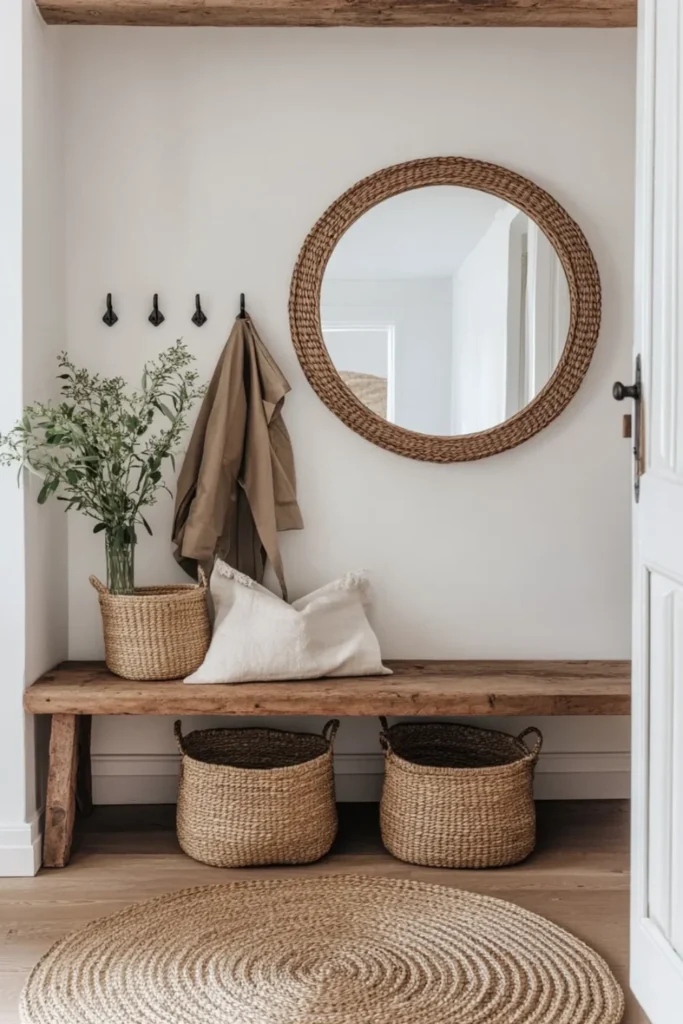
The core of any successful entryway redesign lies in balancing hospitality with order. Start by assessing the traffic flow: where do you place shoes? Where does the coat go? Where can you drop keys without creating a clutter pile? Answering these questions helps you decide which pieces are essential and which are optional. A well‑planned layout reduces bottlenecks and makes it easier for everyone in the household to maintain the space.
Define functional zones for an effortless flow
Breaking the entryway into distinct zones turns chaos into clarity. Typical zones include:
- Shoe station: A bench with built‑in cubbies or a sleek shoe rack keeps footprints off the floor.
- Coat and bag area: Hooks, a slim coat rack, or a tall console provide vertical storage without sacrificing floor space.
- Drop‑off table: A small console or wall‑mounted shelf is perfect for keys, mail, and everyday items.
- Mirror or artwork: Adds depth, helps with final outfit checks, and contributes to a welcoming vibe.
By assigning each function its own visual anchor, you create an intuitive pathway that encourages people to put items back where they belong. This systematic approach is a cornerstone of many ideas for a welcoming and organized entryway design.
Smart storage solutions for small entryways
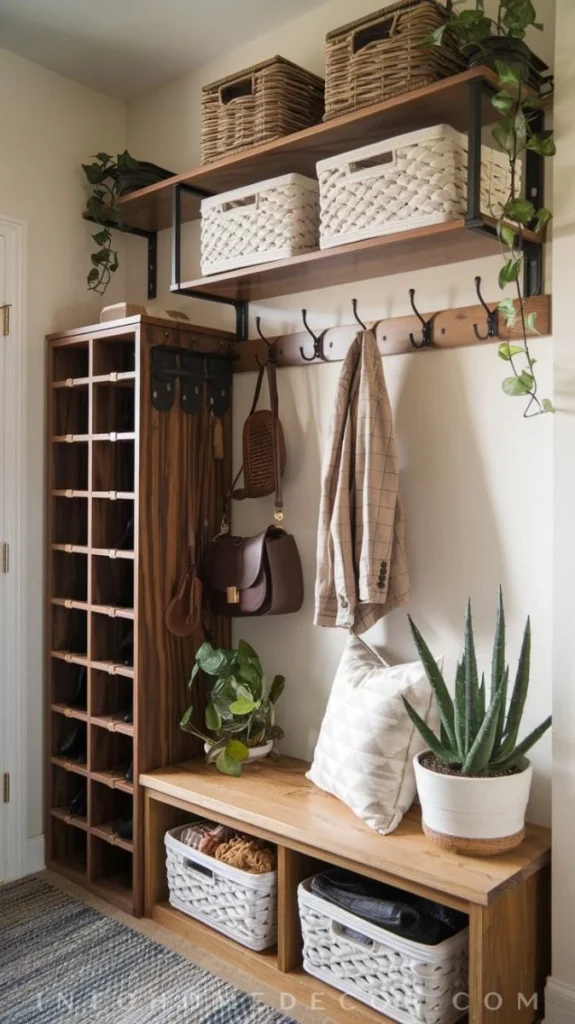
Space constraints are a common challenge, but clever storage can turn even the narrowest foyer into a tidy showcase. Think vertically: tall, narrow cabinets, open shelving, and stacked storage bins maximize height while keeping the floor clear. If you prefer a minimalist look, consider concealed storage such as a bench with hidden drawers or a wall‑mounted chest that doubles as a decorative piece.
ideas for a welcoming and organized entryway design: hidden storage tricks
One of the most satisfying ideas for a welcoming and organized entryway design involves hiding clutter in plain sight. A shallow console with sliding panels can conceal seasonal shoes, while a decorative basket placed beneath a console can store scarves and gloves. For renters, adhesive hooks and removable pegboards offer flexible solutions without damaging walls.
- Use a narrow ladder shelf to display decorative boxes that store everyday essentials.
- Install a pull‑out shoe rack inside an entryway closet for out‑of‑sight organization.
- Choose a multi‑purpose hall tree with built‑in mail slots and a small tray for keys.
These strategies keep the entryway looking tidy while ensuring everything you need is reachable. For inspiration on how to blend greenery with storage, see our guide on small bathroom plant corner ideas – fresh green styling. The same principles apply: a plant shelf can become a stylish storage element in the foyer as well.
Lighting and colour: setting the first impression
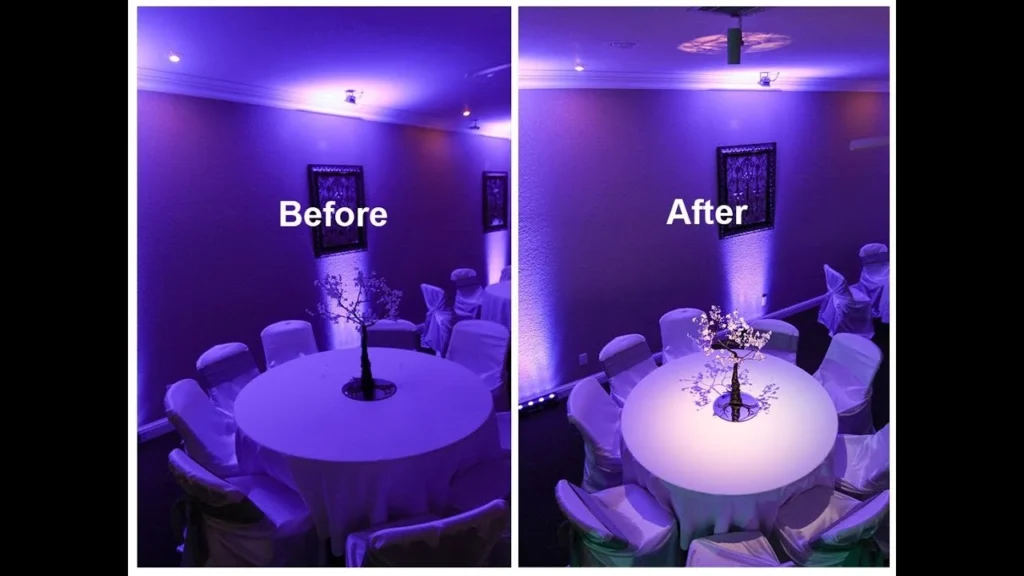
Lighting and colour are powerful tools for creating a warm, inviting atmosphere. A well‑lit entryway feels safe and spacious, while the right colour palette can either energise or calm the visitor. Consider layered lighting: a statement pendant or chandelier for ambience, wall sconces for task lighting, and a small LED strip under a console for subtle illumination.
When selecting paint or wallpaper, lighter hues such as soft greys, warm whites, or muted pastels reflect light and make the area feel larger. If you want a pop of personality, an accent wall behind a console can showcase a bold colour or patterned wallpaper without overwhelming the space. Pair this with natural textures—wood, woven baskets, or a jute rug—to soften the visual impact and add tactile warmth.
Personal touches that invite warmth
Beyond function, an entryway should feel personal. Incorporating décor that reflects your style makes guests feel welcome and encourages family members to treat the space with care. A gallery wall of family photos, a decorative mirror with an ornate frame, or a tray of seasonal décor can all serve as conversation starters.
Plants are an excellent way to bring life into the foyer. A tall fiddle‑leaf fig in a decorative pot or a series of small succulents on a shelf add colour and improve air quality. If you’re interested in how plant styling works in tight spaces, the Balcony Corner Plant Shelf Ideas article offers creative, space‑saving ideas that translate well to entryways.
- Display a curated collection of travel souvenirs on a low shelf.
- Use a decorative tray for keys, sunglasses, and mail to keep them together.
- Hang a statement hook for jackets and bags, then add a small hanging planter for a fresh touch.
Maintaining an organized entryway: habits and routines
Even the most meticulously designed foyer can devolve into clutter if daily habits are ignored. Establishing simple routines is essential for preserving the ideas for a welcoming and organized entryway design you’ve implemented. Here are a few habits that keep the space functional:
- Designate a “drop‑off” spot for mail and keys as soon as you walk in.
- Set a timer for 5 minutes each evening to clear shoes and coats.
- Rotate seasonal items (coats, scarves) to keep only current pieces visible.
- Schedule a quarterly deep clean to dust surfaces, wipe mirrors, and reorganise storage.
Consistency is key. When each family member knows where items belong, the entryway stays tidy with minimal effort.
Quick actionable tips
- Install a slim coat rack with adjustable hooks to accommodate different garment types.
- Choose a bench with a cushioned seat for comfort and hidden drawers for shoe storage.
- Add a mirror at eye level to make the space feel larger and aid final outfit checks.
- Use a decorative rug with a low pile to define the entry zone without trapping dirt.
- Incorporate a small, stylish waste bin for receipts and junk mail to prevent piles.
Common mistakes to avoid
Even seasoned homeowners can stumble when redesigning an entryway. Recognising common pitfalls helps you stay on track:
- Over‑filling the space: Packing too many decorative objects creates visual clutter. Keep accessories to a minimum.
- Ignoring traffic flow: Placing a large console directly in the path forces people to step around it, causing congestion.
- Choosing the wrong lighting: Harsh, overhead lights can feel clinical. Opt for warm‑toned fixtures that complement the colour palette.
- Neglecting durability: Entryways see heavy foot traffic. Select flooring and furnishings that can withstand wear, such as a durable rug or a sturdy bench.
- Forgetting personalisation: A sterile entryway feels unwelcoming. Add a piece of art or a family photo to make the space feel lived‑in.
Frequently Asked Questions
How much space do I need for a functional entryway?
Even a narrow hallway of 3–4 feet can accommodate a slim console, a wall‑mounted coat rack, and a small rug. The key is to use vertical storage and keep floor clutter to a minimum.
What are the best flooring options for high‑traffic entryways?
Durable options include porcelain tile, luxury vinyl plank, and sealed hardwood. Pair the flooring with a low‑pile rug that’s easy to clean and adds a touch of comfort.
Can I incorporate a mudroom into a small entryway?
Yes. A compact mudroom can be created with a narrow bench, a built‑in shoe rack, and a set of wall hooks. Choose a cohesive colour scheme to keep the space feeling unified.
How do I choose the right mirror size?
Select a mirror that is roughly 2/3 the width of the wall or console it will sit above. This proportion creates balance and maximises the illusion of space.
What lighting fixtures work best for limited ceiling height?
Flush‑mount ceiling lights or slim wall sconces keep the ceiling line clean. If you prefer a pendant, choose a low‑profile design that hangs no more than 12–14 inches below the ceiling.
By addressing these common concerns, you can refine your approach and ensure that the final result aligns with both style and practicality.
Transforming an entryway from a forgotten passage into a welcoming and organized hub is achievable with thoughtful planning, purposeful storage, and a touch of personality. Start by defining clear zones, choose storage that respects the scale of your space, and use light and colour to set the mood. Remember that consistency in daily habits will preserve the look you work hard to create.
We hope the ideas for a welcoming and organized entryway design inspire you to take the first step toward a more inviting home. Explore more interior design inspiration on The Homara, and enjoy the confidence that comes from a beautifully styled, functional entryway.