
Table of Contents
- Hunter Douglas vs Shade Store Unveiling the Best Window Treatment Options: Product Variety and Design Flexibility
- Hunter Douglas vs Shade Store Unveiling the Best Window Treatment Options: Material Choices
- Price Comparison: Understanding the Cost Structure
- Installation Experience: DIY vs Professional Service
- Performance and Longevity: How Do They Hold Up Over Time?
- Design Integration: Matching Window Treatments with Your Interior Style
- Quick Tips for Choosing Between Hunter Douglas and Shade Store
- Common Mistakes to Avoid When Selecting Window Treatments
- Frequently Asked Questions
Hunter Douglas vs Shade Store: Unveiling the Best Window Treatment Options
Choosing the right window treatment is more than a matter of aesthetics; it influences lighting, privacy, energy efficiency, and even the overall mood of a room. Homeowners and renters alike face a common dilemma: should they trust the long‑standing reputation of Hunter Douglas, or explore the customizable, boutique experience offered by Shade Store? This article breaks down the core differences, highlights practical considerations, and equips you with the knowledge to make an informed decision.
In the following sections we will compare product ranges, pricing structures, installation processes, and after‑sales support. We’ll also weave in real‑world design examples—from modern living rooms to cozy bedrooms—so you can visualize how each brand fits into your interior design vision. By the end, you’ll know exactly which window treatment solution aligns with your style, budget, and functional needs.
If you’re looking for complementary ideas, check out our guide on home décor with cozy décor accessories to pair your new shades with the perfect accents.
Hunter Douglas vs Shade Store Unveiling the Best Window Treatment Options: Product Variety and Design Flexibility
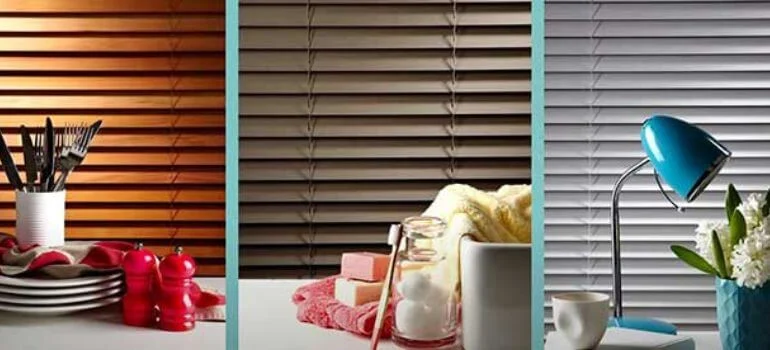
Both brands pride themselves on extensive catalogs, yet they approach variety differently. Hunter Douglas offers a comprehensive suite of motorized blinds, cellular shades, and specialty fabrics that cater to both residential and commercial projects. Their product lines—such as Duette, Silhouette, and Vignette—are engineered for high performance, especially in energy conservation.
Shade Store, on the other hand, positions itself as a design‑forward studio. Customers work directly with in‑house designers to customize fabrics, colors, and hardware. This collaborative process yields one‑of‑a‑kind solutions, perfect for spaces that demand a personal touch, like a boutique hotel lobby or a modern loft.
When it comes to design flexibility, Shade Store often wins on customization depth, while Hunter Douglas excels in offering proven, ready‑to‑install systems that meet strict building codes and sustainability standards.
Hunter Douglas vs Shade Store Unveiling the Best Window Treatment Options: Material Choices
- Hunter Douglas: Advanced fabrics with UV‑blocking technology, thermal insulation, and sound‑absorbing properties.
- Shade Store: Hand‑picked natural fibers, designer‑sourced textiles, and eco‑friendly options like bamboo and recycled polyester.
- Both brands provide motorization, but Hunter Douglas integrates with major smart‑home platforms (e.g., Amazon Alexa, Google Home) out of the box.
Price Comparison: Understanding the Cost Structure
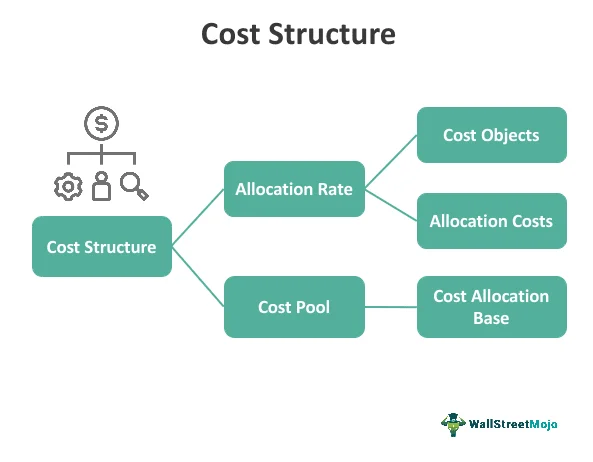
Price is often the decisive factor. Hunter Douglas typically follows a tiered pricing model based on product line and added features (e.g., motorization, blackout fabrics). Expect a baseline cost for standard cellular shades, with upgrades adding $50‑$150 per panel.
Shade Store adopts a bespoke pricing strategy. Because each order is custom‑designed, the base price may appear higher, but the final cost reflects the exact materials and dimensions you select. Bulk orders or repeat customers can negotiate discounts, and the brand frequently offers seasonal promotions.
For budget‑conscious homeowners, the key is to calculate total cost of ownership, including potential energy savings from Hunter Douglas’s insulating technologies versus the aesthetic premium of Shade Store’s designer fabrics.
Installation Experience: DIY vs Professional Service

Hunter Douglas offers a hybrid model. Many of its products are designed for easy DIY installation with clear instructions and mounting hardware included. For larger projects, the brand also maintains a network of certified installers who guarantee proper alignment and motor integration.
Shade Store’s model is decidedly service‑centric. After finalizing your design online, a professional team measures, fabricates, and installs the product at your home. This hands‑off approach ensures precision, especially for complex window shapes or high‑ceiling rooms where a mis‑fit can be costly.
Choosing between the two often comes down to how much time you’re willing to invest. If you enjoy a weekend project, Hunter Douglas’s DIY-friendly options may appeal. If you prefer a seamless, worry‑free experience, Shade Store’s full‑service installation is worth the extra cost.
Performance and Longevity: How Do They Hold Up Over Time?
Hunter Douglas invests heavily in research and development. Their cellular shades are tested for thermal performance, claiming up to 30% reduction in heating and cooling costs. The motorized mechanisms are backed by multi‑year warranties, reflecting confidence in durability.
Shade Store’s handcrafted products focus on material quality. Natural fibers such as linen or silk age gracefully, developing a patina that many owners love. However, they may require more delicate care and are less suited for high‑humidity environments like bathrooms.
Both brands offer warranties, but the terms differ. Hunter Douglas typically provides a 5‑year warranty on hardware and a 2‑year warranty on fabric, whereas Shade Store’s warranty is often limited to manufacturing defects for 1‑2 years. Understanding these nuances helps you anticipate long‑term maintenance needs.
Design Integration: Matching Window Treatments with Your Interior Style
Integrating window treatments into a cohesive interior design scheme is where the rubber meets the road. Hunter Douglas’s neutral palette and sleek hardware make it a safe choice for minimalist or contemporary interiors. The brand’s “Light & View” technology allows you to dial in exact light levels, a boon for artists’ studios or home offices.
Shade Store thrives in rooms where personality shines. Their library includes bold prints, artisanal textures, and custom‑sized solutions that can become focal points. Pair a dramatic floor‑to‑ceiling shade with a statement piece of furniture, and you have a room that feels curated.
Looking for inspiration on how to blend greenery with your new shades? Explore wall décor with hanging plants to create a fresh, modern vibe.
Quick Tips for Choosing Between Hunter Douglas and Shade Store
- Define your budget early: allocate 15‑20% of your total décor spend to window treatments.
- Assess the room’s functional needs: prioritize insulation in sunny spaces, aesthetics in low‑traffic areas.
- Consider future resale value: neutral, high‑performance options from Hunter Douglas often appeal to a broader buyer pool.
- Request fabric samples: both brands ship swatches; compare texture, color depth, and how they look in natural light.
- Plan for installation: schedule professional service if you have irregular windows or limited DIY experience.
Common Mistakes to Avoid When Selecting Window Treatments
Even seasoned decorators can slip up. Below are frequent pitfalls and how to sidestep them:
- Ignoring measurements: A 2‑inch miscalculation can ruin a custom shade. Double‑check dimensions, especially for recessed windows.
- Overlooking light direction: Choose blackout fabrics for bedrooms facing the street, but lighter fabrics for living rooms that benefit from natural daylight.
- Choosing solely on price: The cheapest option may lack durability, leading to higher replacement costs down the line.
- Neglecting hardware compatibility: Ensure motorized systems can integrate with existing smart‑home devices before purchase.
- Forgetting maintenance: Some fabrics require professional cleaning; factor this into long‑term budgeting.
Frequently Asked Questions
What is the main difference between Hunter Douglas and Shade Store?
Hunter Douglas focuses on high‑performance, ready‑to‑install systems with strong warranty coverage, while Shade Store emphasizes custom design, premium fabrics, and full‑service installation.
Can I automate shades from Shade Store?
Yes, Shade Store offers motorized options that can be integrated with popular smart‑home platforms, though the setup may require a professional installer.
Which brand offers better energy savings?
Hunter Douglas’s cellular shades are specifically engineered for insulation and typically provide measurable reductions in heating and cooling bills.
Are there eco‑friendly choices from both brands?
Both provide sustainable options. Hunter Douglas uses recycled polyester fabrics; Shade Store offers bamboo, linen, and recycled materials sourced responsibly.
How long does custom fabrication take at Shade Store?
Standard orders usually ship within 2‑3 weeks after final design approval, while more complex projects may require 4‑6 weeks.
For additional décor inspiration, check out bedroom plant styling ideas to see how greenery can complement your new window treatments.
Choosing between Hunter Douglas and Shade Store ultimately hinges on your priorities: performance and DIY convenience versus bespoke design and full‑service support. By weighing material quality, price, installation, and long‑term performance, you can select the window treatment solution that enhances both the look and functionality of your home.
Ready to start the transformation? Explore the catalogs, request samples, and let your windows become the canvas for your personal style.