
Table of Contents
- Hunter Douglas vs Levolor: Overview of Two Leading Blind Brands
- Design Flexibility and Aesthetic Range
- Hunter Douglas vs Levolor: Fabric and Color Choices
- Material Quality and Durability
- Construction and Longevity
- Price Point and Value Proposition
- Pricing Tiers and What You Get
- Installation and Customization Options
- DIY vs Professional Installation
- Energy Efficiency and Light Control
- Cellular Shades and Insulation
- Quick Tips for Choosing Between Hunter Douglas and Levolor
- Common Mistakes When Selecting Window Treatments
- Frequently Asked Questions
- Which brand offers better motorized blind options?
- Are Levolor blinds suitable for large windows?
- Can I install Hunter Douglas blinds myself?
- How do the warranties compare?
- Do both brands provide eco‑friendly options?
- Which brand is easier to match with existing décor?
When it comes to dressing a window, the market offers a dizzying array of brands, styles, and technologies. Two names consistently rise to the top of homeowners’ and designers’ lists: Hunter Douglas and Levolor. Both companies have built reputations for quality, but their product lines, pricing structures, and design philosophies differ enough to merit a side‑by‑side look. Understanding these differences helps you make an informed decision that aligns with your aesthetic goals, functional needs, and budget constraints.
In this article we’ll explore the history behind each brand, break down the core features of their most popular blind collections, and examine real‑world scenarios where one might outshine the other. Whether you’re redecorating a sleek urban loft, updating a suburban family kitchen, or seeking a child‑friendly solution for a nursery, the insights you’ll gain will guide you toward the best choice for your space.
We’ll also sprinkle practical tips, highlight common pitfalls, and answer the most frequently asked questions about blinds. By the end, you’ll have a clear roadmap for selecting the perfect window treatment and feel confident about how Hunter Douglas vs Levolor stacks up against your design aspirations.
Hunter Douglas vs Levolor: Overview of Two Leading Blind Brands
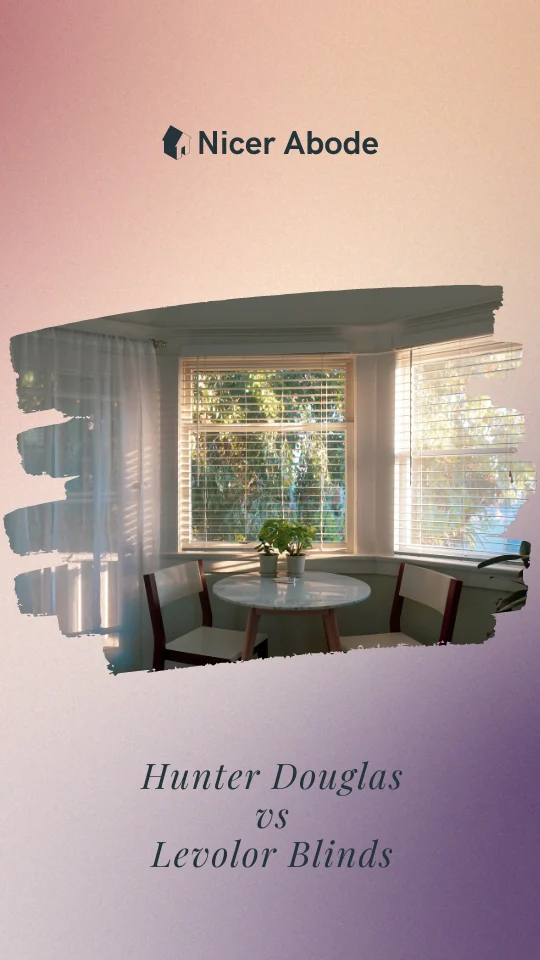
Hunter Douglas, founded in 1915 in the Netherlands, started as a small manufacturer of window screens before evolving into a global leader in custom window coverings. Their product portfolio spans everything from motorized cellular shades to sophisticated motor‑controlled pleated blinds. The brand prides itself on innovative technology—most notably the PowerView® Automation system, which allows homeowners to control blinds via smartphone, voice assistants, or wall switches.
Levolor, on the other hand, traces its roots back to 1914 in Chicago. Originally known for metal window hardware, Levolor shifted focus to blinds and shades in the mid‑20th century. Their strength lies in offering a broad range of ready‑made and semi‑custom options at competitive price points, making the brand a favorite for DIY enthusiasts and budget‑conscious renovators.
Both manufacturers emphasize durability and style, but their approaches to customization, technology integration, and material selection diverge. The following sections dissect these aspects in detail, giving you a granular view of how each brand performs in real home environments.
Design Flexibility and Aesthetic Range
One of the primary considerations when comparing blinds is how well the product can adapt to diverse interior styles. Hunter Douglas vs Levolor often differ in the breadth of finishes, fabrics, and patterns available.
Hunter Douglas vs Levolor: Fabric and Color Choices
- Hunter Douglas: Offers an extensive palette through its Silhouette®, Duette®, and Designer® collections. Fabrics range from sheer, light‑filtering textiles to blackout materials, with options for custom prints and designer collaborations.
- Levolor: Provides a solid selection of standard colors and textures, including wood grain, faux bamboo, and basic solid hues. While the range is respectable, it lacks the depth of high‑end designer collaborations found in Hunter Douglas.
Design‑savvy homeowners who love to match blinds with specific paint shades or accent walls may lean toward Hunter Douglas, especially when they can request a custom dye‑lot. For those seeking a straightforward, coordinated look without extensive swatches, Levolor’s curated palettes can be more than sufficient.
In terms of style, both brands cover classic verticals, horizontals, cellular shades, and Roman blinds. However, Hunter Douglas stands out with niche offerings such as Luxaflex® motorized shades and Silhouette® soft‑panel shades that create a layered, contemporary feel. Levolor’s lineup, while comprehensive, leans toward more traditional silhouettes that work well in classic or transitional spaces.
Material Quality and Durability
Long‑term performance is a decisive factor in the Hunter Douglas vs Levolor debate. While both brands meet industry standards, there are nuances worth noting.
Construction and Longevity
- Hunter Douglas: Utilizes proprietary fabrics and reinforced headrails designed to resist warping, fading, and wear. Many of their premium collections feature UV‑blocking treatments that extend the lifespan of the material, especially in sun‑heavy rooms.
- Levolor: Employs durable yet more cost‑effective materials. Their headrails are sturdy, but the fabric options may not have the same level of UV protection as Hunter Douglas’s high‑end lines.
For households with pets or children, durability can make or break a purchase. Hunter Douglas’s higher‑grade fabrics tend to hold up better under frequent cleaning cycles, while Levolor’s products are still reliable but may show signs of wear sooner under heavy use.
Price Point and Value Proposition
Cost is often the decisive factor for many shoppers. Understanding the price structure of each brand clarifies the value they deliver.
Pricing Tiers and What You Get
- Hunter Douglas: Generally positioned in the premium segment. A custom cellular shade can range from $150 to $500 per window, depending on size, fabric, and automation options. Motorized solutions add $200–$400 per unit.
- Levolor: Targets the mid‑range market. Standard roller blinds start around $50, while custom wood blinds hover between $120 and $250 per window. Automation kits are available but typically cost less than Hunter Douglas’s equivalents.
When you factor in durability and aesthetic flexibility, Hunter Douglas often justifies its higher upfront cost through longer lifespan and advanced features. Levolor offers excellent value for budget‑focused projects where basic functionality and a clean look are the primary goals.
Installation and Customization Options
Ease of installation and the ability to customize dimensions are key practical concerns. Both brands provide different pathways to achieve a perfect fit.
DIY vs Professional Installation
- Hunter Douglas: Many of their premium lines recommend professional measurement and installation, especially for motorized or large‑scale projects. The company’s network of certified dealers ensures a seamless experience but adds to overall cost.
- Levolor: Offers extensive DIY kits with clear instructions. Homeowners can order pre‑measured blinds using an online guide or take advantage of in‑store measuring services that are often free.
If you enjoy hands‑on projects, Levolor’s self‑install options save money and time. For those who prefer a turnkey solution and are willing to invest in expert service, Hunter Douglas’s professional support may be worth the premium.
Energy Efficiency and Light Control
Modern home design increasingly emphasizes sustainability and energy performance. Here’s how the two brands compare when it comes to insulating properties and light management.
Cellular Shades and Insulation
- Hunter Douglas: Their Duette® cellular shades are engineered with multiple layers of honeycomb cells that trap air, providing R‑values up to 4.0. This can reduce heating and cooling costs by up to 15% in extreme climates.
- Levolor: Offers cellular shades as well, but the construction typically yields lower R‑values (around 2.5). They still improve energy efficiency but not to the same degree as Hunter Douglas’s high‑performance models.
For eco‑conscious homeowners, the energy savings from Hunter Douglas’s top‑tier cellular shades can offset the higher purchase price over several years. Levolor remains a solid, more affordable alternative for moderate climate zones.
Quick Tips for Choosing Between Hunter Douglas and Levolor
- Define your budget early. If you have flexibility, prioritize durability and automation features.
- Consider the room’s exposure to sunlight. High‑UV areas benefit from Hunter Douglas’s UV‑protected fabrics.
- Measure accurately. Even a small error can affect the aesthetic and function of custom blinds.
- Think about future needs. Motorized blinds add convenience for hard‑to‑reach windows, especially in multi‑story homes.
- Don’t overlook style coordination. Use resources like Simple Bedroom Lighting Décor Ideas – Easy Ways to Brighten Your Space for inspiration on matching blinds with overall room lighting.
Common Mistakes When Selecting Window Treatments
Even seasoned decorators can stumble over a few recurring errors. Recognizing them helps you avoid costly re‑orders.
- Skipping the measurement guide: Relying on generic sizes leads to gaps or excess fabric. Use the brands’ online calculators or consult a professional.
- Choosing aesthetics over function: A beautiful blackout fabric may be unnecessary in a well‑lit hallway. Balance visual appeal with practical light control.
- Ignoring hardware compatibility: Motorized systems require specific brackets. Mixing brands can cause mismatched hardware.
- Underestimating maintenance: Some fabrics need gentle cleaning. Check care instructions before finalizing your purchase.
Frequently Asked Questions
Which brand offers better motorized blind options?
Hunter Douglas leads with its PowerView® Automation system, which integrates with smart home platforms like Alexa and Google Assistant. Levolor provides motorized kits, but they lack the seamless connectivity and range of programmable schedules found in Hunter Douglas.
Are Levolor blinds suitable for large windows?
Yes, Levolor offers custom sizes for oversized windows. However, for very large expanses where weight and smooth operation are critical, Hunter Douglas’s engineered headrails and motorized options often deliver a more reliable performance.
Can I install Hunter Douglas blinds myself?
While some basic lines are DIY‑friendly, the premium and motorized collections are best installed by certified professionals to ensure proper alignment and warranty coverage.
How do the warranties compare?
Hunter Douglas typically offers a 10‑year limited warranty on most products, reflecting confidence in material longevity. Levolor provides a 5‑year limited warranty, which is still respectable but shorter than Hunter Douglas’s coverage.
Do both brands provide eco‑friendly options?
Both manufacturers have sustainability initiatives. Hunter Douglas’s cellular shades are praised for high R‑values, while Levolor offers recycled fabric options in select collections. Your choice may depend on how much weight you place on energy performance versus recycled content.
Which brand is easier to match with existing décor?
Levolor’s curated color palettes make it straightforward to pair blinds with common paint shades and furniture finishes. Hunter Douglas, with its custom dye‑lot capabilities, offers more precise matching for designers who want an exact hue.
Choosing between Hunter Douglas and Levolor ultimately hinges on your priorities: premium technology and long‑term performance versus cost‑effective versatility. By weighing design flexibility, material quality, price, installation, and energy efficiency, you can select blinds that not only enhance the visual appeal of your rooms but also serve functional needs for years to come. Feel inspired to experiment, measure carefully, and enjoy the transformation that well‑chosen window treatments bring to your home.