
Table of Contents
- Understanding Why Tea Stains Are Tricky
- How to Remove Tea Stain from Carpet: The Science Behind It
- Step‑by‑Step Method for Fresh Carpets
- Using Vinegar and Baking Soda for Stubborn Stains
- Professional‑Grade Carpet Cleaners: When to Call the Experts
- Preventative Measures to Keep Carpets Stain‑Free
- Quick Tips for Immediate Action
- Common Mistakes to Avoid When Cleaning Tea Stains
- Frequently Asked Questions
- Can I use club soda to remove tea stains from carpet?
- Is it safe to use bleach on colored carpets?
- How long can a tea stain sit before it becomes permanent?
- Do carpet protectors prevent tea stains altogether?
- Can I use a steam cleaner to treat a tea stain?
- Will professional cleaning damage my rug’s backing?
How to Remove Tea Stain from Carpet – A Complete Guide
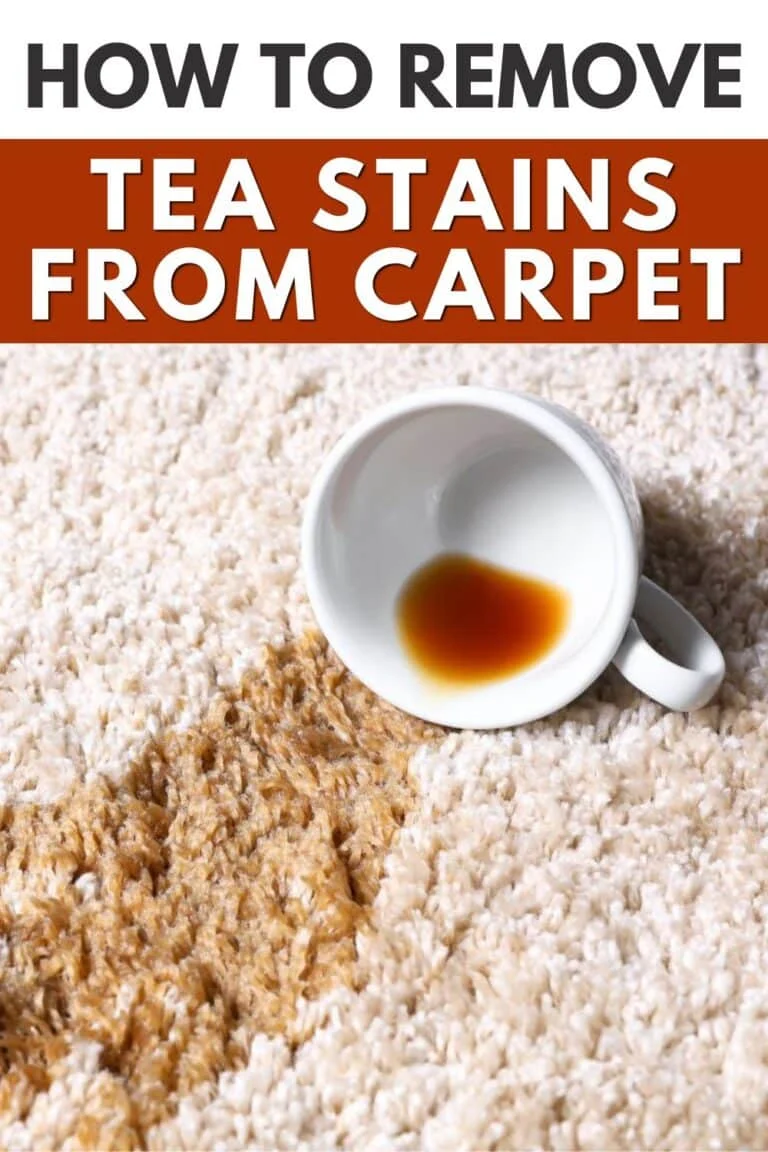
Spilling tea on a carpet is one of those everyday mishaps that can feel disastrous, especially when you’re trying to maintain a polished look in your living space. The tannins in tea create a brown hue that can settle quickly, leaving a noticeable mark that threatens to ruin the aesthetic you’ve worked hard to achieve. Fortunately, with the right approach, you can lift the stain without compromising the fibers or the overall design of the room.
This article walks you through proven methods to eliminate tea stains, offers preventative tips, and integrates practical home‑organization ideas so that your carpet stays vibrant and your décor remains cohesive. Whether you’re a homeowner, a renter, or a design enthusiast, you’ll discover how to tackle the problem confidently and keep your interiors looking their best.
Understanding Why Tea Stains Are Tricky
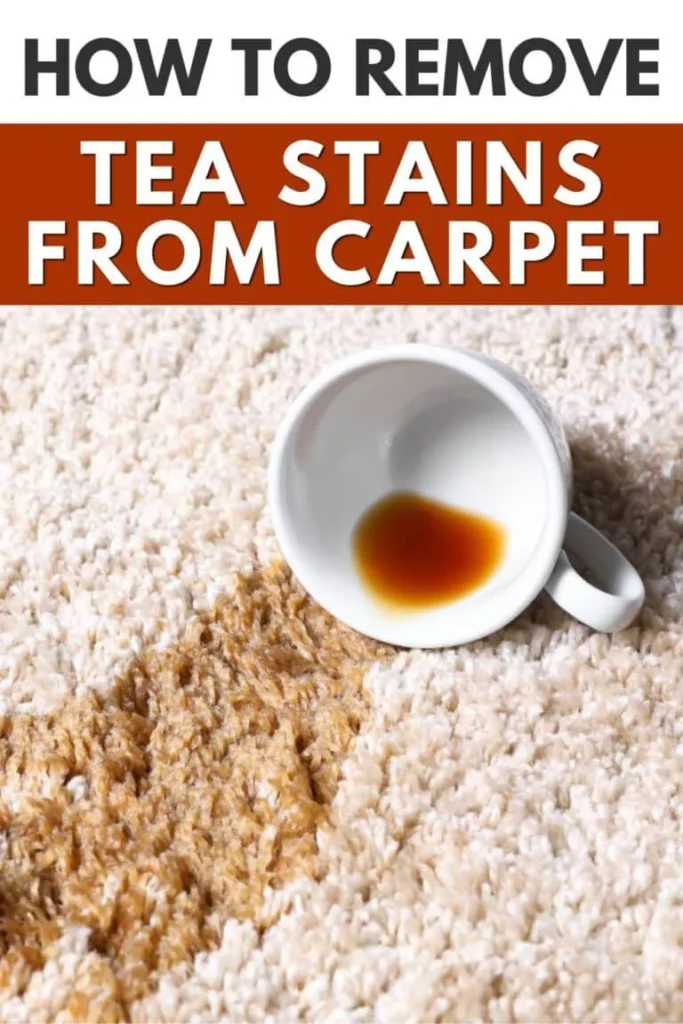
Tea contains natural pigments called tannins, which have a strong affinity for cellulose fibers found in most carpets. When the liquid penetrates the rug, these pigments can bind to the fibers, making the stain appear deeper than it actually is. The key to successful removal lies in acting quickly and using the right cleaning agents that break down tannins without damaging the carpet’s backing.
How to Remove Tea Stain from Carpet: The Science Behind It
The process involves three basic steps: dilution, absorption, and lifting. Dilution with cold water reduces the concentration of tannins, absorption with a clean cloth pulls the liquid away, and lifting with a mild detergent or vinegar solution releases any remaining pigment from the fibers. Understanding this sequence helps you choose the most effective method for different carpet types.
Step‑by‑Step Method for Fresh Carpets

If your carpet is brand new or you’ve recently had it professionally cleaned, you’ll want a gentle yet effective approach. Follow these steps to restore the original color without risking discoloration.
- Blot, don’t rub: Use a white, lint‑free cloth to gently press on the stain, absorbing as much liquid as possible.
- Apply a cold‑water solution: Mix one cup of cold water with a few drops of mild dish soap. Lightly dab the mixture onto the stained area.
- Rinse with clean water: Dampen another cloth with plain cold water and blot to remove soap residue.
- Dry thoroughly: Place a dry towel on top and apply weight to soak up remaining moisture, then allow the carpet to air‑dry.
These steps are especially suitable for delicate fibers such as wool or silk blends, where aggressive chemicals could cause shrinkage or color fading.
Using Vinegar and Baking Soda for Stubborn Stains
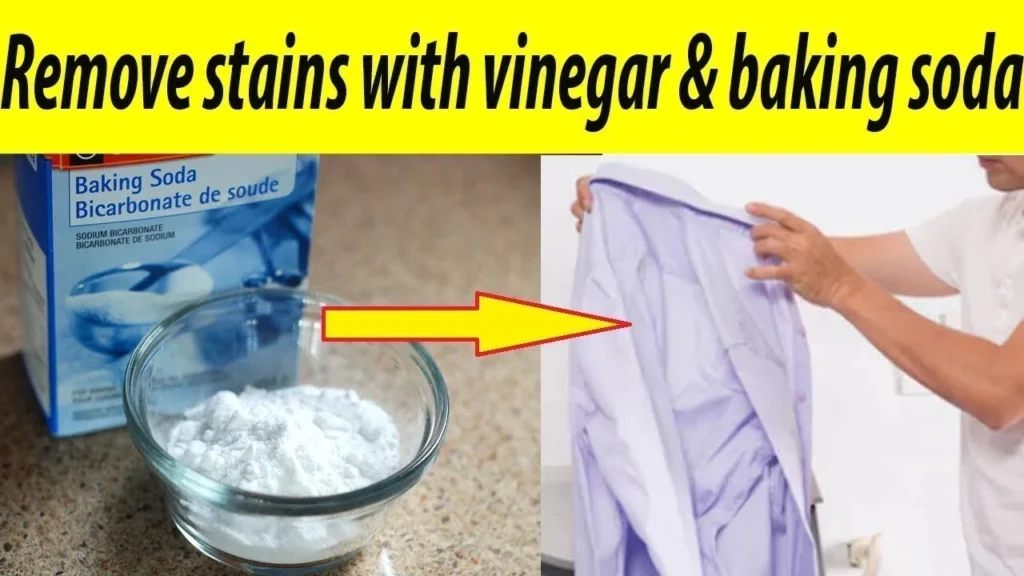
When the tea stain has set for more than an hour, you may need a slightly stronger solution. White vinegar is acidic enough to break down tannins, while baking soda works as a gentle abrasive and deodorizer.
- Prepare the mixture: Combine one part white vinegar with two parts cold water.
- Apply and wait: Spray or dab the solution onto the stain, letting it sit for 5‑10 minutes.
- Sprinkle baking soda: Lightly dust baking soda over the area; it will fizz as it reacts, lifting pigment.
- Vacuum after dry: Once the carpet is completely dry, vacuum to remove any residue.
This method works well in high‑traffic zones of the living room or hallway, where stains tend to become more ingrained.
Professional‑Grade Carpet Cleaners: When to Call the Experts
Some carpets, especially those with dense pile or intricate patterns, may not respond well to DIY treatments. In such cases, hiring a professional carpet cleaning service ensures deep extraction without harming the weave. Look for cleaners who use low‑foam, pH‑balanced solutions that are safe for both synthetic and natural fibers.
Professional cleaning also aligns with broader home‑organization strategies, as a well‑maintained carpet contributes to overall indoor air quality and reduces allergen buildup. If you decide to go this route, ask the technician about their stain‑removal protocol for tea, ensuring they follow a method that targets tannins specifically.
Preventative Measures to Keep Carpets Stain‑Free
Prevention is always more efficient than remediation. Incorporate these habits into your daily routine to protect your carpet from future tea spills and other accidents.
- Use area rugs: Place washable rugs in high‑risk zones like dining areas or coffee tables.
- Apply a carpet protector: Spray a fabric‑safe, water‑based protector that creates a barrier against liquid penetration.
- Establish a no‑drink policy: Encourage guests to use coasters or serve drinks on a tray.
- Regular vacuuming: Removes dust that can trap liquids and makes stains harder to lift.
Implementing these strategies not only preserves the visual integrity of your carpet but also complements modern home décor ideas that emphasize clean lines and uncluttered spaces.
Quick Tips for Immediate Action
- Act within the first five minutes for the best chance of complete removal.
- Always test any cleaning solution on an inconspicuous area before applying it to the stain.
- Avoid hot water, as heat can set tannin pigments permanently.
- Use a clean, white cloth to prevent color transfer from other fabrics.
- Consider a portable carpet spot‑cleaner for on‑the‑go emergencies.
Common Mistakes to Avoid When Cleaning Tea Stains
Even well‑intentioned attempts can backfire if you overlook a few key points. Below are the most frequent errors and how to sidestep them.
- Rubbing the stain: This pushes tannins deeper into the fibers. Always blot gently.
- Using hot water: Heat can lock the pigment in place, making removal nearly impossible.
- Applying harsh chemicals: Bleach or strong detergents can discolor or weaken carpet fibers.
- Neglecting to rinse: Soap residue attracts dirt, leading to faster re‑staining.
- Skipping the drying step: Moisture left in the carpet can develop mold or mildew.
Frequently Asked Questions
Can I use club soda to remove tea stains from carpet?
Yes, club soda can be effective because the carbonation helps lift the stain while the mild acidity works on tannins. Apply it with a spray bottle, blot, and then rinse with cold water.
Is it safe to use bleach on colored carpets?
Bleach should be avoided on colored carpets as it can cause fading or uneven discoloration. Opt for a vinegar‑based solution or a commercial carpet spot cleaner designed for colored fibers.
How long can a tea stain sit before it becomes permanent?
While the exact timeline varies by carpet material, tannins begin to set within 15‑30 minutes. Prompt blotting dramatically improves the odds of full removal.
Do carpet protectors prevent tea stains altogether?
Protectors create a hydrophobic barrier that slows liquid absorption, giving you more time to clean up spills before they reach the fibers. They are not foolproof but significantly reduce the risk.
Can I use a steam cleaner to treat a tea stain?
Steam can be helpful for deep cleaning, but it may also set the stain if used before the tannins are fully lifted. It’s best to treat the spot with a gentle solution first, then follow with a steam clean if needed.
Will professional cleaning damage my rug’s backing?
Reputable professionals use equipment calibrated for different carpet types. They avoid excessive moisture and harsh chemicals, preserving both the pile and the backing.
Removing a tea stain from carpet doesn’t have to be a daunting task. By understanding the chemistry behind tannins, acting quickly, and selecting the appropriate cleaning method, you can restore your carpet’s original beauty without compromising your interior design vision. Keep these tips handy, and enjoy a spotless, stylish floor that complements every room—from the living area to the bedroom.
For more inspiration on how to keep your spaces looking fresh, check out our Living Room Accent Décor Ideas – Fresh Inspiration for Modern Spaces guide. If you’re curious about balancing colors and finishes, our article on Sherwin Williams Emerald Flat vs Matte – Choosing the Perfect Finish for Your Project offers valuable insights. And for a deeper dive into flooring selections, explore Coretec vs Mannington – Making the Right Flooring Choice for Modern Homes.