
Table of Contents
- Why a Yoga Mat Slips on Carpet and What It Means for Your Practice
- How to Keep Yoga Mat from Slipping on Carpet
- How to Keep Yoga Mat from Slipping on Carpet with a Non‑Slip Pad
- Choosing the Right Yoga Mat for Carpeted Floors
- DIY Solutions: Making Your Own Anti‑Slip Surface
- DIY Non‑Slip Mat Using a Shelf Liner
- Rubber Mat Inserts from Recycled Materials
- Custom Fabric Backing with Velcro Strips
- Strategic Placement and Room Layout for Stable Practice
- Maintaining Grip Over Time: Cleaning and Care Tips
- Integrating Yoga Space into Your Home Décor
- Quick Tips to Prevent Slipping
- Common Mistakes and How to Avoid Them
- Frequently Asked Questions
How to Keep Yoga Mat from Slipping on Carpet – Expert Home Solutions
Practicing yoga on a carpeted floor can feel luxurious, but a common frustration quickly surfaces: the mat slides. When the surface moves under you, balance is compromised, poses become unsafe, and the meditative flow is broken. For anyone who loves the comfort of a soft floor yet wants a reliable grip, learning how to keep yoga mat from slipping on carpet is essential.
This guide blends interior‑design insight with practical, budget‑friendly tricks. Whether you live in a small apartment, a suburban home, or a rented studio, the solutions below respect your décor, protect your flooring, and keep your practice grounded. You’ll walk away with a clear plan to create a stable yoga zone that looks as good as it feels.
We’ll explore why mats slide, the best accessories to use, DIY projects, and how to integrate the yoga space into the overall design of your living area. By the end, you’ll be equipped to enjoy a slip‑free session without sacrificing style.
Why a Yoga Mat Slips on Carpet and What It Means for Your Practice
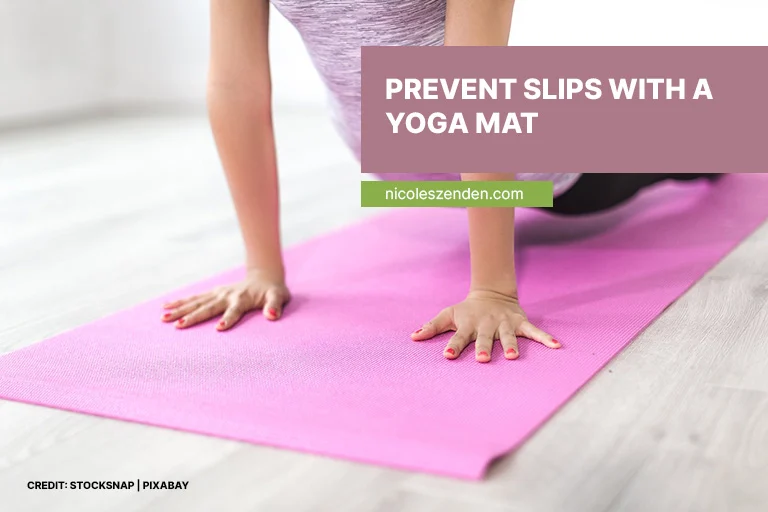
Carpet fibers create a low‑friction surface that can’t hold a mat in place, especially when the mat’s underside is smooth. The lack of grip leads to micro‑movements that amplify during balance‑heavy poses like Warrior III or Tree. Over time, repeated slipping can wear both the mat and the carpet, reducing the lifespan of each.
Understanding the physics helps you target the problem. Most yoga mats have a polyurethane or rubber backing, which is designed to adhere to hard floors such as wood or tile. On carpet, those materials essentially “float,” allowing the mat to shift. The solution, therefore, is to introduce a barrier that bridges the gap between the mat’s backing and the carpet’s pile, creating friction where it’s needed most.
From an interior‑design perspective, a well‑secured mat can become a functional accent in a room rather than a source of frustration. A stable mat invites you to use the space more often, turning a corner of your living room or bedroom into a dedicated wellness zone that complements the overall aesthetic.
How to Keep Yoga Mat from Slipping on Carpet
There are several straightforward products and household items that instantly improve traction. Below are the most effective options, each with a brief explanation of why they work.
How to Keep Yoga Mat from Slipping on Carpet with a Non‑Slip Pad
- Non‑slip rug pads: Thin, rubberized pads designed for area rugs can be cut to the size of your mat. They add a firm, grippy layer that prevents movement.
- Yoga towel with silicone backing: Placing a silicone‑backed towel under the mat creates extra friction while also absorbing sweat.
- Grip spray: Some manufacturers offer a light adhesive spray that temporarily adds tackiness to the mat’s underside.
When selecting a non‑slip pad, choose a low‑profile option (about 1/8‑inch thick) so the mat stays comfortable. Test the pad on a small area of carpet first to ensure it doesn’t discolor the fibers.
Choosing the Right Yoga Mat for Carpeted Floors
Not all mats are created equal. If you frequently practice on carpet, consider mats that are engineered for high‑traction on softer surfaces. Look for the following features:
- Textured rubber backing: A raised pattern adds mechanical grip.
- Natural cork surface: Cork offers a slight “stickiness” that works well on carpet without the need for additional pads.
- Thicker material (6‑8 mm): A thicker mat distributes weight more evenly, reducing the chance of the carpet fibers compressing and causing slip.
Investing in a mat with these qualities reduces reliance on external accessories and aligns with modern home décor trends that favor natural, sustainable materials. A well‑chosen mat becomes both a functional and decorative element in your space.
DIY Solutions: Making Your Own Anti‑Slip Surface
Creative homeowners love to repurpose items they already have. Below are three DIY ideas that keep your yoga mat from slipping on carpet while adding a personalized touch to the room.
DIY Non‑Slip Mat Using a Shelf Liner
- Purchase a clear, adhesive shelf liner (the kind used in pantry shelves).
- Cut it to the exact dimensions of your yoga mat.
- Peel off the backing and adhere the liner directly to the carpet where you’ll place the mat.
- Lay the mat on top; the clear liner remains invisible while providing a grippy surface.
Rubber Mat Inserts from Recycled Materials
Old rubber floor mats (often found in gyms or basements) can be trimmed to size and placed underneath the yoga mat. Not only does this give you a high‑traction base, but it also supports a sustainable, up‑cycled aesthetic that pairs nicely with eco‑friendly interior design.
Custom Fabric Backing with Velcro Strips
Sew a thin layer of fabric (like canvas) to the underside of your yoga mat, then attach small Velcro strips to both the fabric and the carpet. This method offers a removable, reusable solution that’s perfect for renters who can’t make permanent changes.
Strategic Placement and Room Layout for Stable Practice
The location of your yoga space influences how much slip you experience. Here are layout tips that marry stability with style.
- Use a dedicated area rug: Place a low‑pile, tightly woven rug directly under the mat. The rug’s texture adds friction while defining a visual zone.
- Align with floor joists: If possible, set the mat over a section of carpet where the backing is less plush—often near walls where the carpet is stretched tighter.
- Integrate lighting: Proper lighting reduces the need to shift the mat for balance. A floor lamp or soft LED strip can create a calm ambience without clutter.
When arranging the space, consider the overall flow of the room. A yoga corner that complements a comfortable living room decorating ideas for a cozy home can serve as a functional focal point, reinforcing both wellness and design.
Maintaining Grip Over Time: Cleaning and Care Tips
Even the best anti‑slip solutions degrade with sweat, dust, and regular use. Proper maintenance preserves both the mat’s grip and the carpet’s integrity.
- Regular wipe‑down: After each session, use a damp cloth with mild soap to clean the mat’s underside. This removes oils that can make the surface slick.
- Vacuum the carpet: Dust and hair trapped between the mat and carpet can act as a lubricant. A quick vacuum before practice restores friction.
- Rotate the mat: If you notice a particular area becoming more slippery, rotate the mat 180 degrees to distribute wear evenly.
For deeper cleaning, a mixture of water and white vinegar (1:1) works well on most mat materials. Avoid harsh chemicals that could damage the carpet fibers.
Integrating Yoga Space into Your Home Décor
A yoga area doesn’t have to look like a temporary setup. By thoughtfully selecting accessories and finishes, you can blend the practice zone seamlessly into the rest of your interior.
- Neutral color palette: Choose mats in earth tones that echo the carpet’s hues, creating visual continuity.
- Natural textures: Pair a cork mat with a woven jute rug for a cohesive, organic feel.
- Minimalist storage: Use a sleek wooden bench or a stylish basket (think DIY natural décor inspiration) to keep props tidy.
When the yoga space looks intentional, you’ll be more inclined to practice regularly, turning wellness into an integral part of your home lifestyle.
Quick Tips to Prevent Slipping
- Place a thin rubber rug pad under the mat for instant grip.
- Choose a mat with a textured rubber backing for natural traction.
- Keep both mat and carpet clean to avoid slick surfaces.
- Use a low‑pile area rug to define the practice zone and add friction.
- Rotate the mat periodically to ensure even wear.
Common Mistakes and How to Avoid Them
Even with the right tools, many people make simple errors that reintroduce slip.
- Using a thick carpet pad: While comfortable, thick pads cushion the mat too much, reducing contact with the carpet.
- Neglecting regular cleaning: Sweat and dust act as lubricants; a quick wipe‑down after each session is essential.
- Choosing the wrong mat size: A mat that’s too small leaves exposed carpet, causing instability during extended poses.
- Placing the mat over uneven carpet seams: Seams create low points where the mat can shift; center the mat on a smooth area.
Frequently Asked Questions
Can I use a regular rug pad under my yoga mat?
Yes, a thin, rubberized rug pad works well. Make sure it’s low‑profile (about 1/8‑inch thick) so it doesn’t affect comfort. Cut it to size for a perfect fit.
What type of yoga mat is best for carpeted floors?
Look for mats with a textured rubber or natural cork backing. These materials create friction on softer surfaces without needing extra accessories.
Is it safe to use adhesive sprays on my mat?
Adhesive sprays designed for yoga mats are safe when used sparingly. Test on a small area first, and reapply only when the mat feels noticeably slick.
Will a non‑slip mat affect my carpet’s warranty?
Most carpet warranties cover normal wear and tear. Using a removable, non‑adhesive pad or a thin rug liner typically does not void the warranty. Always check the manufacturer’s terms.
How can I keep my yoga space looking stylish?
Incorporate natural textures, neutral colors, and minimalist storage. Align the yoga corner with the rest of your interior design, such as using a best residential air curtain to control airflow without compromising aesthetics.
Creating a stable yoga environment on carpet doesn’t require major renovations. By applying the tips above, you’ll enjoy a secure, comfortable practice that complements your home’s design.
Take the first step today: assess your current setup, choose a simple anti‑slip solution, and transform that corner of your living room or bedroom into a dedicated wellness sanctuary. Your practice—and your home—will thank you.