
Table of Contents
- Understanding Why Red Soda Stains Are Tough
- Step‑by‑Step Process: how to get red soda out of carpet
- Quick Reference: how to get red soda out of carpet
- Choosing the Right Cleaning Solutions
- Preventing Future Stains
- When to Call a Professional
- Quick Tips for Immediate Action
- Common Mistakes to Avoid
- Frequently Asked Questions
How to Get Red Soda Out of Carpet – A Complete Guide
Red soda spills are more than just a messy inconvenience; the vivid hue can seep deep into carpet fibers, leaving unsightly stains that challenge even seasoned cleaners. Whether you’re a homeowner protecting a brand‑new rug or a renter looking to keep your security deposit intact, knowing how to get red soda out of carpet is essential. This guide walks you through the science behind the stain, the tools you’ll need, and a reliable step‑by‑step process that works for most carpet types.
Beyond the immediate clean‑up, we’ll explore preventive habits, when to call a professional, and quick tips you can apply to other common spills. By the end of the article, you’ll feel confident tackling that stubborn crimson mark without compromising the look or integrity of your flooring.
Understanding Why Red Soda Stains Are Tough
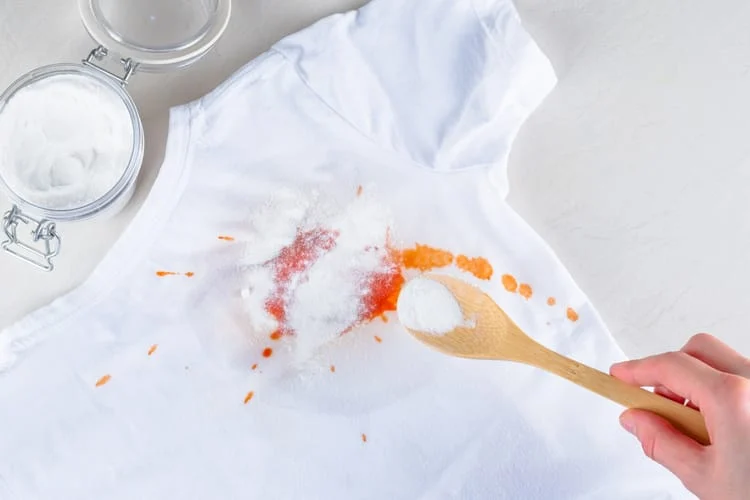
Red sodas contain a combination of food coloring, sugars, and acidic carbonated water. The pigments are designed to cling to surfaces, while the sugars create a sticky residue that can embed itself into carpet fibers. Over time, the acid can weaken the backing material, making the stain more resistant to ordinary cleaning agents. Recognizing these components helps you select the right approach rather than relying on generic carpet cleaners that may only lift the surface.
Most modern carpets—whether nylon, polyester, or wool—have protective treatments that repel water but not oil‑based dyes. This is why a prompt, well‑balanced cleaning method is crucial. Acting quickly prevents the color from setting, and using the proper pH level ensures you don’t damage the carpet’s backing. For a deeper dive into carpet materials, see our comparison of Dixie Home Carpet vs Mohawk – Making the Right Flooring Choice.
Step‑by‑Step Process: how to get red soda out of carpet
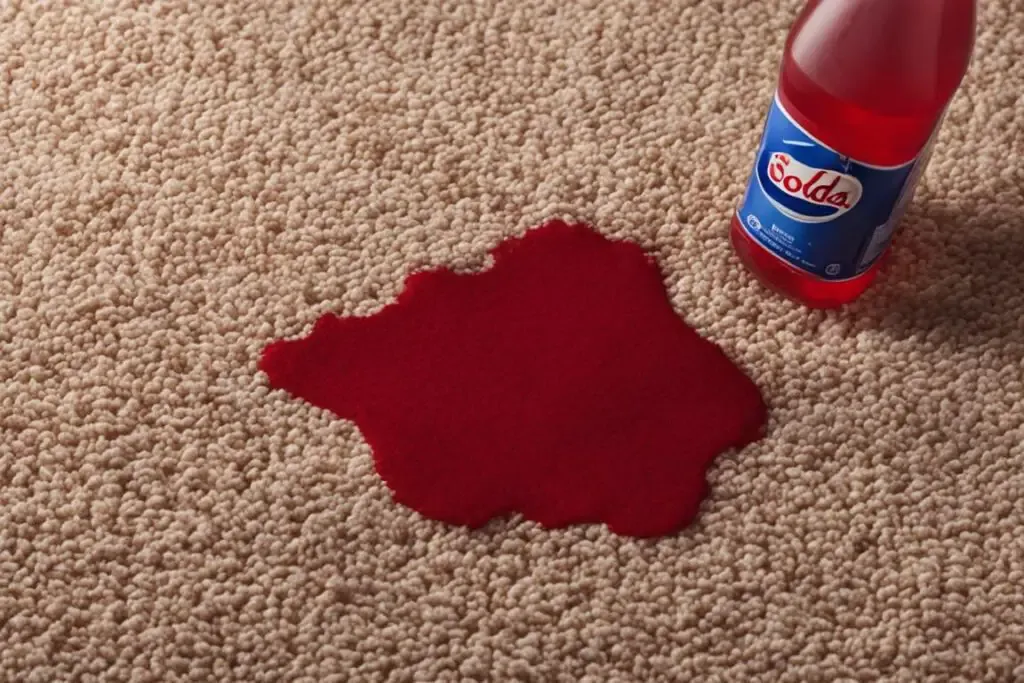
The core of how to get red soda out of carpet lies in a systematic approach that removes the stain without spreading it. Follow these steps:
- Blot, don’t rub. Use a clean white cloth or paper towel to press gently on the spill, absorbing as much liquid as possible. Rubbing can push the pigment deeper.
- Test any cleaner. Apply a small amount of your chosen solution to an inconspicuous area and wait 5 minutes to ensure there’s no discoloration.
- Prepare a mild detergent mix. Combine one teaspoon of dish soap with two cups of warm water. Stir until sudsy.
- Apply the solution. Dampen a clean cloth with the mixture and dab the stained area, working from the outer edges toward the center to prevent spreading.
- Rinse with plain water. Lightly spray or dab with a cloth dampened in plain water to remove soap residue, which can attract dirt if left.
- Absorb excess moisture. Press dry towels onto the spot until it feels dry to the touch.
- Repeat if necessary. Stubborn stains may need a second round, but avoid overwetting the carpet.
This method balances effectiveness with carpet safety, making it the go‑to answer for how to get red soda out of carpet. If the stain persists, consider the next section on specialized cleaners.
Quick Reference: how to get red soda out of carpet
- Blot immediately with a white cloth.
- Use a mild dish‑soap solution (1 tsp soap / 2 cups warm water).
- Test cleaners first; rinse and dry.
- Repeat as needed, then vacuum.
Choosing the Right Cleaning Solutions

While the basic detergent method works for many cases, certain scenarios demand stronger agents. Enzyme cleaners break down sugar molecules, making them ideal for sodas with high fructose content. Look for products labeled “carpet‑safe” and “color‑safe.” Hydrogen peroxide (3 %) can also lift color but should be diluted (one part peroxide to two parts water) and tested first, as it may bleach wool fibers.
For eco‑conscious households, a mix of white vinegar (one tablespoon) and water (one cup) can neutralize acidity and help release pigments. Pair this with a sprinkle of baking soda after the cleaning step; the mild abrasive lifts remaining particles and deodorizes the area. For more inspiration on sustainable design, explore our guide on Modern Organic Home Décor Inspiration.
Preventing Future Stains
Prevention is often simpler than remediation. Here are practical habits that reduce the risk of soda spills turning into permanent marks:
- Place a rug or runner in high‑traffic areas where drinks are frequently enjoyed.
- Use spill‑proof cups or lids when serving sodas on carpeted floors.
- Apply a carpet protector spray (available at most home‑goods stores) that creates a barrier against liquids.
- Schedule regular vacuuming to remove dust that can trap pigments.
Adopting these habits aligns with broader home organization strategies, helping you maintain a pristine environment without constant deep‑cleaning sessions.
When to Call a Professional
Even with the best DIY approach, some stains resist removal, especially on delicate fibers like silk or on antique rugs. If you notice:
- The stain reappears after drying.
- Carpet fibers feel stiff or warped.
- There’s a lingering odor despite cleaning.
It’s time to consult a professional carpet cleaning service. They have access to commercial-grade equipment, such as hot water extraction and specialized solvents, that can safely restore the carpet’s appearance. A professional assessment also ensures that the underlying backing isn’t compromised, which could lead to more extensive repairs later.
Quick Tips for Immediate Action
- Keep a small “stain‑kit” by the couch: white cloths, a bottle of mild dish soap, and a spray bottle of water.
- Act within the first five minutes; the longer the soda sits, the deeper the pigment penetrates.
- Use a white towel, not colored, to avoid transferring dyes onto the carpet.
Common Mistakes to Avoid
Many homeowners unintentionally worsen the problem. Here are pitfalls to watch for:
- Scrubbing vigorously. This spreads the stain and can fray fibers.
- Using bleach on colored carpets. Bleach removes color indiscriminately, leaving a white patch.
- Over‑wetting the area. Excess moisture can foster mold growth underneath the carpet padding.
- Skipping the rinse step. Soap residue attracts dirt, making the carpet look dirty faster.
Frequently Asked Questions
Can I use club soda to remove red soda stains?
Club soda’s carbonation can help lift some pigments, but it still contains water and sugars, so follow up with a mild detergent rinse to avoid stickiness.
Will vinegar damage my carpet?
When diluted (one tablespoon per cup of water) and tested on an inconspicuous spot, vinegar is safe for most synthetic fibers and helps neutralize acidity.
Is it safe to use a steam cleaner on the stained area?
Steam cleaners can be effective, but only if the carpet manufacturer permits heat exposure. Always check the care label first.
How long should I wait before vacuuming after cleaning?
Allow the carpet to dry completely—usually 2–4 hours—then vacuum to lift any loosened fibers and restore the pile.
Do homemade solutions work as well as commercial products?
For fresh spills, homemade mixtures (soap, vinegar, baking soda) are often sufficient. Older or set‑in stains may require enzyme cleaners or professional-grade solutions.
By mastering these techniques, you’ll transform a potentially embarrassing spill into a simple maintenance task, keeping your carpet looking fresh and vibrant.
Remember, the key to how to get red soda out of carpet lies in quick action, the right cleaning agents, and a gentle touch. With the steps outlined above, you can confidently address the spill, protect your investment, and maintain the overall aesthetic of your home. For more practical home‑decor advice, check out our article on Decorating Small Apartments Simply, which offers additional tips on preserving style in compact spaces.