

Table of Contents
- Step‑by‑Step Guide on how to get pet dander out of carpet
- 1. Immediate Daily Sweep
- 2. Spot‑Treat Visible Accumulations
- 3. Weekly Deep‑Clean with a Steam Cleaner
- 4. Use an Enzyme‑Based Carpet Shampoo
- 5. Finish with a Baking‑Soda Refresh
- Understanding Pet Dander and Its Impact on Carpets
- Choosing the Right Cleaning Tools for Pet Dander
- Deep‑Cleaning Techniques That Truly Remove Dander
- Maintaining a Dander‑Free Carpet Over Time
- Quick Tips for Everyday Dander Management
- Common Mistakes When Trying to Get Pet Dander Out of Carpet
- Frequently Asked Questions
- Can I use regular household cleaners to get pet dander out of carpet?
- How often should I deep‑clean my carpet if I have multiple pets?
- Is a steam cleaner safe for all carpet types?
- Will air purifiers replace the need to clean pet dander out of carpet?
- Does professional carpet cleaning offer benefits over DIY methods?
How to Get Pet Dander Out of Carpet – Proven Home Solutions
Pet dander is a microscopic, protein‑rich particle shed from an animal’s skin, fur, or saliva. When it settles on carpet fibers, it can trigger sneezing, watery eyes, and even long‑term respiratory irritation for allergy‑prone occupants. For anyone who loves their furry friends but also values a fresh‑looking, breathable living space, learning how to get pet dander out of carpet is an essential skill.
In this guide we’ll walk through the science behind dander, the best tools and techniques for removal, and practical habits that keep carpets looking clean day after day. Whether you’re a first‑time pet owner, a seasoned dog lover, or simply a décor enthusiast looking to preserve the integrity of your rug, the steps below will empower you to maintain a healthier, more inviting home.
Step‑by‑Step Guide on how to get pet dander out of carpet
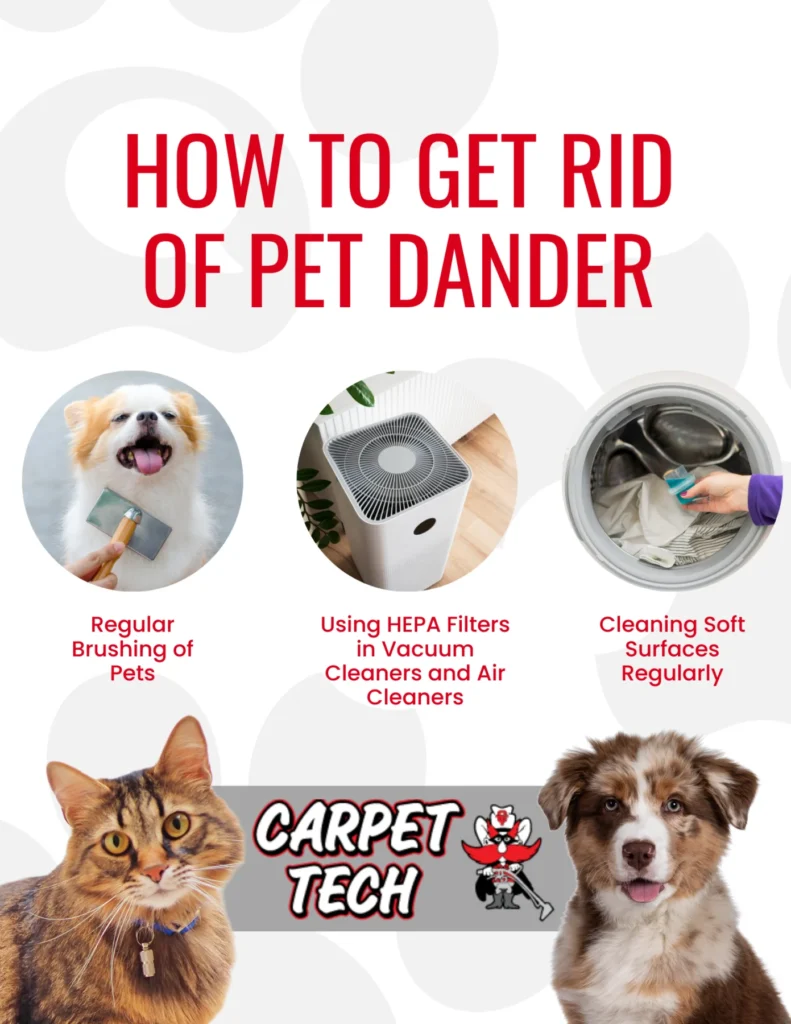
Getting pet dander out of carpet doesn’t require a professional service every time; the right routine can make a noticeable difference. Below is a systematic approach that blends everyday maintenance with periodic deep cleaning.
1. Immediate Daily Sweep
Begin each day with a quick vacuum or a dry‑sweep using a high‑efficiency particulate air (HEPA) vacuum. HEPA filters trap particles as small as 0.3 microns, which includes the bulk of pet dander. Move the vacuum slowly across each carpet square to allow the suction to lift dander from deep within the pile.
2. Spot‑Treat Visible Accumulations
If you notice clumps of fur or visible dust, use a damp microfiber cloth to lift them before they embed further. Lightly mist the area with a mixture of water and a few drops of mild dish soap, then blot—never rub—to avoid pushing dander deeper.
3. Weekly Deep‑Clean with a Steam Cleaner
When you’re ready for a more thorough session, a steam cleaner can dislodge dander that has bonded to carpet fibers. The heat and moisture loosen the particles, while the extraction phase removes them along with the water. For best results, pre‑vacuum, then run the steam cleaner in overlapping passes.
4. Use an Enzyme‑Based Carpet Shampoo
Enzyme cleaners break down protein‑based residues, which are a major component of pet dander. Apply the shampoo according to the manufacturer’s directions, work it into the carpet with a soft brush, let it sit for the recommended dwell time, and extract with a clean water rinse.
5. Finish with a Baking‑Soda Refresh
After the carpet dries, sprinkle a thin layer of baking soda across the surface. Let it sit for 15‑20 minutes; the soda absorbs lingering odors and any remaining fine particles. Vacuum the area once more to capture the powder and the dander it has attracted.
Understanding Pet Dander and Its Impact on Carpets

Pet dander consists of tiny skin flakes that are constantly shed, regardless of the animal’s size. Because the particles are lightweight, they become airborne and eventually settle on soft surfaces like carpet. Over time, the accumulation of dander can cause discoloration, a musty odor, and a gritty texture that feels uncomfortable underfoot.
From a design perspective, dander can also compromise the visual appeal of a carefully chosen rug. A high‑traffic living room carpet, for example, may lose its original hue as the particles embed themselves, making the fibers appear dull. By understanding the composition of dander—primarily keratin proteins—you can select cleaning agents that target these proteins directly, thereby improving both aesthetic and air quality.
Choosing the Right Cleaning Tools for Pet Dander

Not all vacuums are created equal. When deciding how to get pet dander out of carpet, prioritize models that feature HEPA filtration, strong suction, and adjustable brush heights. Rotating brush heads work well on low‑pile carpets but can be too aggressive for high‑pile or shag rugs, potentially pushing dander deeper.
- HEPA Vacuum: Captures 99.97% of particles down to 0.3 microns.
- Steam Cleaner: Uses hot vapor to loosen dander and a suction system to extract it.
- Enzyme Carpet Shampoo: Breaks down protein residues for thorough removal.
- Microfiber Mop: Ideal for quick spot‑cleaning without scratching fibers.
Investing in a quality tool not only speeds up the process of how to get pet dander out of carpet but also reduces the likelihood of re‑contamination, because the captured particles stay sealed inside the vacuum’s bag or canister.
Deep‑Cleaning Techniques That Truly Remove Dander
For a lasting solution, combine mechanical agitation with chemical action. Start by vacuuming to lift loose dander, then apply an enzyme‑based solution. Use a soft‑bristled carpet brush to work the solution into the fibers, ensuring coverage across the entire surface.
After allowing the enzyme to work (usually 10‑15 minutes), run a steam cleaner over the same area. The hot water vapor will activate the enzyme’s breakdown process, while the suction extracts the dissolved particles. Finish with a cold‑water rinse using a clean mop, and let the carpet dry completely—ideally with a fan or open windows to improve airflow.
For those who enjoy a modern home décor aesthetic, a well‑maintained carpet serves as a neutral canvas for furniture, art, and accessories. When you keep the carpet free of dander, colors stay vibrant, and textures remain plush, enhancing the overall design impact.
Maintaining a Dander‑Free Carpet Over Time
Regular upkeep is the cornerstone of keeping pet dander at bay. Here are a few habits that complement the step‑by‑step approach outlined earlier:
- Schedule vacuuming at least twice a week, increasing frequency during shedding seasons.
- Place entryway mats at every door and encourage pets to wipe paws before entering main rooms.
- Rotate rugs or area carpets periodically to distribute foot traffic evenly.
- Consider using a portable air purifier with a HEPA filter in rooms where the carpet is most used.
By integrating these routines, you’ll find that the effort required to learn how to get pet dander out of carpet diminishes over time. The carpet remains cleaner, and the indoor air quality improves—a win‑win for both your décor goals and family health.
Quick Tips for Everyday Dander Management
- Keep pets groomed regularly; frequent brushing reduces the amount of dander they shed.
- Use a lint roller on high‑traffic carpet sections for an instant dander lift.
- Spot‑clean with a solution of equal parts white vinegar and water to neutralize odors.
- For small apartments, consider a low‑profile rug that can be easily removed and shaken outdoors.
Common Mistakes When Trying to Get Pet Dander Out of Carpet
Even well‑intentioned homeowners make errors that can undo their cleaning efforts. One frequent mistake is using a vacuum without a HEPA filter; regular filters simply recirculate dander back into the air. Another error is over‑wetting the carpet with shampoo or steam, which can lead to mold growth and a lingering musty smell.
Additionally, many people skip the final baking‑soda step, missing an easy opportunity to absorb residual particles. Finally, neglecting to clean pet bedding and toys can cause dander to continuously redeposit onto freshly cleaned carpet, creating a never‑ending cycle.
Frequently Asked Questions
Can I use regular household cleaners to get pet dander out of carpet?
Standard all‑purpose cleaners may remove surface stains but often lack enzymes that break down the protein structure of dander. For effective removal, choose an enzyme‑based carpet shampoo or a dedicated pet‑friendly cleaning product.
How often should I deep‑clean my carpet if I have multiple pets?
For homes with two or more pets, a deep clean every 4‑6 weeks is advisable. This frequency keeps dander buildup low and maintains the carpet’s appearance and lifespan.
Is a steam cleaner safe for all carpet types?
Steam cleaners work well on synthetic fibers like nylon and polyester. However, natural fibers such as wool may shrink or become damaged if excessive heat is applied. Always test a small inconspicuous area first.
Will air purifiers replace the need to clean pet dander out of carpet?
Air purifiers improve overall indoor air quality but cannot remove dander that has already settled into carpet fibers. They work best in combination with regular vacuuming and periodic deep cleaning.
Does professional carpet cleaning offer benefits over DIY methods?
Professional services often use industrial‑strength equipment and specialized solutions that can achieve a deeper extraction. Yet, many homeowners achieve comparable results with a good HEPA vacuum, enzyme shampoo, and a steam cleaner when they follow the steps on how to get pet dander out of carpet.
For a fresh look in your kitchen, consider pairing a clean carpet with simple rack shelves that add both function and style. If you’re exploring color palettes, a soft pink tone like those discussed in our Apricot vs Peach Drift Rose guide can complement a neutral carpet beautifully. And for those unexpected moments, our article on how to clean up mouse poop on carpet offers extra peace of mind.
By integrating these strategies into your routine, you’ll not only master how to get pet dander out of carpet but also create a healthier, more stylish environment for every member of the household—including the four‑legged ones.