
Table of Contents
- Understanding the Source of Fish Odor in Carpets
- Step‑by‑Step Guide on how to get fish smell out of carpet
- how to get fish smell out of carpet: Immediate Actions
- how to get fish smell out of carpet: Deep Cleaning Procedure
- Natural Cleaning Solutions That Work
- Using Baking Soda and Hydrogen Peroxide
- Enzyme‑Based Cleaners
- Vinegar and Essential Oil Spray
- When Professional Help Is Needed
- Choosing a Carpet Cleaner Who Understands how to get fish smell out of carpet
- Preventing Future Odors in High‑Traffic Areas
- Design Tips to Reduce Spills
- Quick Tips for Immediate Odor Relief
- Common Mistakes to Avoid When Removing Fish Smell
- Frequently Asked Questions
Dealing with a lingering fish odor in your carpet can feel like a never‑ending battle, especially when you’ve just enjoyed a dinner party or a family fish fry. The pungent smell doesn’t just affect the room’s ambience; it can also seep into furniture, curtains, and even the walls, turning a cozy space into an unpleasant one. Understanding the science behind why fish odor sticks to fibers, and knowing the right techniques to eliminate it, makes the difference between a quick fix and a permanent solution.
In this guide we’ll walk you through the entire process of how to get fish smell out of carpet, from immediate emergency actions to deep‑cleaning methods, natural remedies, and when it’s time to call in a professional. Whether you’re a homeowner, renter, or interior‑design enthusiast who wants to preserve the look and feel of a modern living room, these steps will help you restore fresh air to your home without compromising your décor.
Understanding the Source of Fish Odor in Carpets
Fish contains trimethylamine, a compound that readily attaches to porous surfaces like carpet fibers. When the fish is cooked or raw, tiny droplets of oil and moisture settle into the carpet pile, creating a micro‑environment where bacteria thrive. Over time, these bacteria break down the organic material, releasing stronger, sour‑smelling gases that linger long after the original scent has faded.
Temperature, humidity, and the type of carpet material all influence how stubborn the odor becomes. Synthetic fibers such as nylon or polyester tend to hold onto oils more tightly than natural fibers like wool, which can breathe better and release odors faster. Recognizing these variables helps you choose the most effective cleaning approach right from the start.
Step‑by‑Step Guide on how to get fish smell out of carpet
This section provides a detailed, repeatable process that tackles the problem at its core. Follow each step carefully, and you’ll see the fish smell evaporate from your carpet within hours.
how to get fish smell out of carpet: Immediate Actions
- Contain the spill – If the fish sauce or oil is still wet, blot the area with paper towels. Press, don’t rub, to avoid pushing the odor deeper.
- Apply a neutralizer – Sprinkle a generous layer of baking soda over the damp spot. Baking soda absorbs moisture and neutralizes acidic compounds.
- Let it sit – Allow the soda to rest for at least 30 minutes, preferably longer if the odor is strong.
- Vacuum thoroughly – Use a vacuum with a strong suction setting to remove the baking soda and any lifted particles.
how to get fish smell out of carpet: Deep Cleaning Procedure
After the initial neutralization, it’s time for a deeper cleanse. Mix one cup of white vinegar with two cups of warm water, add a teaspoon of dish soap, and pour the solution onto a clean white cloth. Gently dab the affected area, working from the outer edges toward the center to prevent the odor from spreading.
Next, rinse the spot with a cloth dampened in plain water to remove any soap residue. Finally, repeat the baking soda sprinkle, let it dry, and vacuum again. This two‑stage approach—vinegar‑based cleaning followed by baking soda absorption—has proven effective in countless homes and is a cornerstone of how to get fish smell out of carpet without harsh chemicals.
Natural Cleaning Solutions That Work
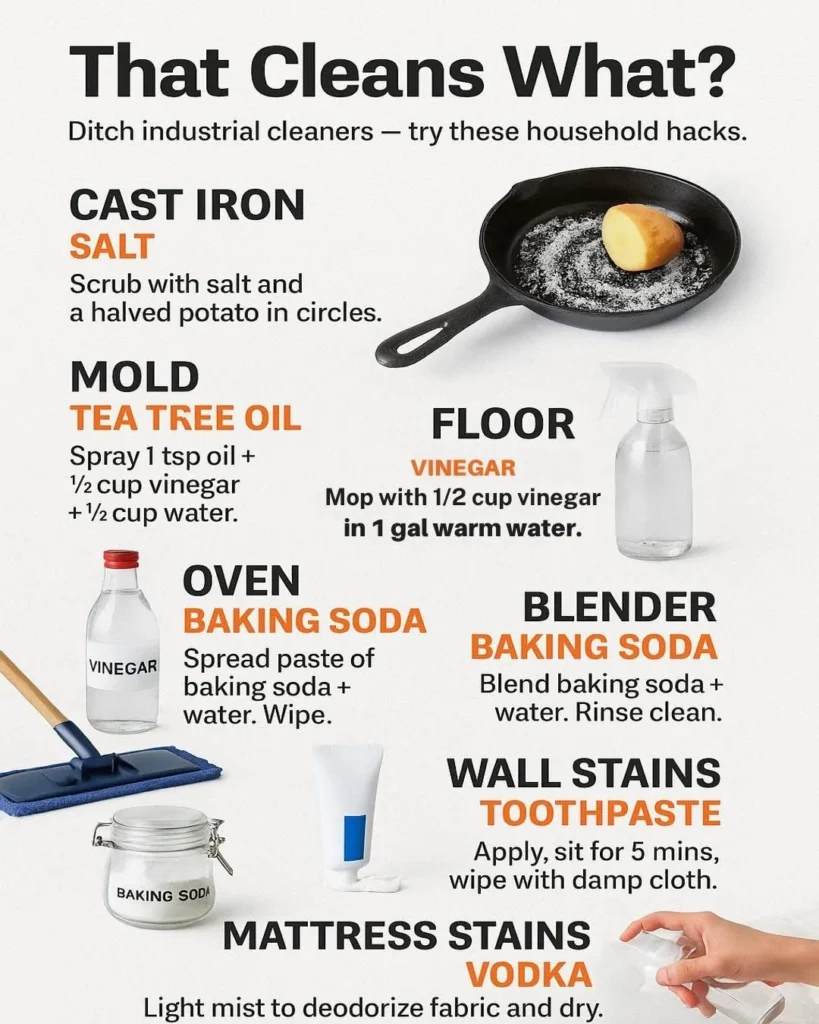
Many homeowners prefer eco‑friendly methods that are safe for children and pets. Below are three natural agents that, when combined correctly, become powerful odor‑eliminators.
Using Baking Soda and Hydrogen Peroxide
Combine one cup of baking soda with a half cup of hydrogen peroxide and a few drops of essential oil (lemon or eucalyptus work well). Apply the paste to the stained area, let it fizz for 10‑15 minutes, then blot with a clean towel. The peroxide breaks down organic molecules while the baking soda absorbs lingering smells.
Enzyme‑Based Cleaners
Enzyme cleaners derived from plant sources digest protein‑based stains, making them ideal for fish residues. Spray the solution liberally, let it sit for 15 minutes, and then blot dry. Because the enzymes continue to work beneath the carpet fibers, this method is especially useful when you’re learning how to get fish smell out of carpet in high‑traffic zones.
Vinegar and Essential Oil Spray
Mix one part white vinegar with three parts water in a spray bottle, add a teaspoon of your favorite essential oil, and mist the carpet lightly. Vinegar neutralizes the odor molecules, while the essential oil masks any residual scent, leaving a fresh aroma that complements modern home décor.
For more ideas on choosing durable fabrics for outdoor spaces, see our comparison of perennials fabric vs Sunbrella. The same principles of durability and odor resistance often apply to indoor textiles as well.
When Professional Help Is Needed
Despite best efforts, some situations demand the expertise of a carpet cleaning professional. Thick‑pile rugs, antique wool carpets, or extensive fish‑related spills that have soaked into the padding may require machine extraction or steam cleaning.
Choosing a Carpet Cleaner Who Understands how to get fish smell out of carpet
Look for companies that advertise “organic extraction” or “eco‑friendly cleaning agents.” Ask about their process: a good professional will first pre‑treat the area with an enzymatic solution, then use a hot‑water extraction system that rinses out both the odor and the cleaning agents.
If you own a luxury rug, verify that the cleaner is certified by the Carpet and Rug Institute (CRI). This ensures they follow industry‑standard protocols, which is crucial when you’re trying to get fish smell out of carpet without damaging delicate fibers.
Preventing Future Odors in High‑Traffic Areas
Prevention is always easier than remediation. By incorporating a few strategic design choices, you can protect your carpet from future fish spills and other kitchen‑related accidents.
Design Tips to Reduce Spills
- Place a washable runner or rug in the dining area. Choose low‑pile fabrics that are easy to clean and won’t trap oils.
- Install a splash‑guard behind the kitchen island or breakfast bar. Clear acrylic panels are unobtrusive and keep liquids from reaching the carpet.
- Use a decorative tray for serving fish dishes. This creates a defined zone for spills and makes cleanup a breeze.
These subtle adjustments align with modern interior design trends while safeguarding your flooring. For inspiration on how to style small spaces, check out our article on DIY décor with simple shelf accents. The same clean lines and functional accessories can be applied to dining areas where fish meals are common.
Quick Tips for Immediate Odor Relief
- Sprinkle coffee grounds over the affected spot for 15 minutes; coffee absorbs strong smells.
- Place a bowl of white vinegar in the room overnight to neutralize lingering odors.
- Run an air purifier with a HEPA filter to capture airborne odor particles while you clean.
- Use a steam mop on carpet tiles (if compatible) to loosen trapped oils quickly.
- Keep a small bottle of enzymatic cleaner in your pantry for on‑the‑spot treatment.
Common Mistakes to Avoid When Removing Fish Smell
Even well‑meaning homeowners can trip up. Here are the most frequent errors and how to sidestep them.
- Rubbing instead of blotting – Aggressive rubbing pushes the oil deeper into the fibers, worsening the odor.
- Using too much water – Over‑wetting the carpet can cause mold growth, which introduces a new set of smells.
- Skipping the baking soda step – Baking soda is a cheap, effective odor absorber; omitting it reduces overall effectiveness.
- Relying on scented sprays alone – Fragrances mask the problem but don’t eliminate it; the fish smell will return.
- Neglecting the carpet padding – The padding can retain oil; a professional extraction often cleans this hidden layer.
Frequently Asked Questions
Can I use bleach to get fish smell out of carpet?
Bleach may disinfect, but it can discolor synthetic fibers and damage wool. It also doesn’t break down the protein molecules that cause the fish odor. Stick to enzyme cleaners or the vinegar‑baking‑soda combo for safer results.
How long does it take for the smell to disappear completely?
If you follow the step‑by‑step guide, most odors fade within 2‑4 hours. Stubborn cases involving deep padding may require a second treatment or professional extraction, extending the timeline to 24‑48 hours.
Is steam cleaning safe for all carpet types?
Steam cleaning works well on nylon, polyester, and most synthetic blends. However, delicate natural fibers like silk or certain high‑pile wool rugs can shrink or become misshapen. Always test a small inconspicuous area first.
Do pet‑friendly cleaners work for fish odor?
Yes, many pet‑odor removers are enzyme‑based, making them equally effective for fish smells. Look for products labeled “protein‑based odor neutralizer.”
Will a carpet deodorizer eliminate the fish smell permanently?
Deodorizers only mask odors. For a permanent fix, you need to remove the source – the oil and protein residues – using the cleaning methods outlined in this article.
By applying these strategies, you’ll not only learn how to get fish smell out of carpet but also protect your home’s aesthetic integrity. Remember, a fresh‑smelling carpet contributes to the overall ambiance of any room, reinforcing the modern, clean look that The Homara celebrates.
Now that you have a comprehensive toolkit, try the quick‑action steps the next time a fish dinner goes awry. If the odor persists, don’t hesitate to call a professional who specializes in deep extraction. With the right approach, your carpet will stay inviting, and your living spaces will continue to reflect thoughtful design.