

Table of Contents
- how to fix yellow bath water: Identify the Root Cause
- Cleaning Your Bathtub and Fixtures
- Step‑by‑step guide to how to fix yellow bath water with a deep clean
- Flushing and Maintaining Your Water Heater
- Addressing Corroded Pipes and Iron Content
- Preventive Maintenance and Lifestyle Tips
- Quick Tips for an Immediate Visual Fix
- Common Mistakes When Trying to Fix Yellow Bath Water
- Frequently Asked Questions
How to Fix Yellow Bath Water – Simple Solutions for a Clearer Shower
Seeing a faint yellow tint in your bathtub water can be unsettling, especially when you’re looking forward to a relaxing soak after a long day. While the discoloration is often harmless, it can hint at underlying issues such as mineral buildup, rust, or contaminated water sources. Understanding the cause and learning how to fix yellow bath water not only restores the visual appeal of your bathroom but also ensures a healthier bathing environment.
In this comprehensive guide, we’ll walk you through the most common reasons behind yellow water, practical DIY fixes, and when it’s time to call a professional. You’ll also discover how proper maintenance ties into broader home décor considerations, helping you keep your bathroom both functional and stylish.
how to fix yellow bath water: Identify the Root Cause
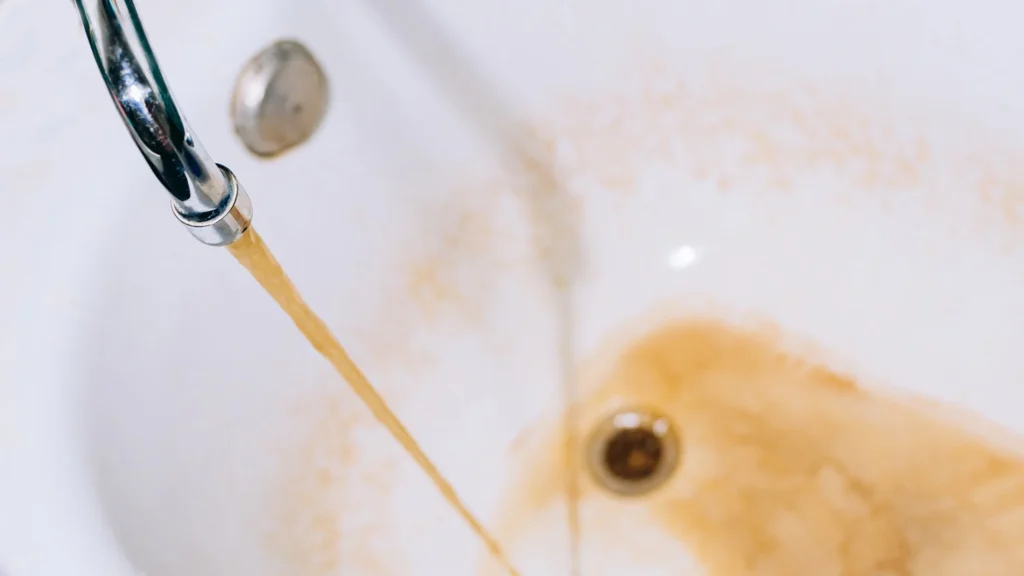
The first step in how to fix yellow bath water is to pinpoint why the discoloration occurs. Several factors can contribute, each requiring a slightly different approach:
- Iron or manganese in the supply line – Naturally occurring minerals can leach into water, especially in older homes with iron pipes.
- Corroded plumbing – Rust from aging copper or galvanized steel pipes often gives water a yellowish hue.
- Water heater sediment – Over time, mineral deposits settle at the bottom of the heater and can be stirred up during a hot shower.
- Municipal water issues – Occasionally, the city’s water treatment process may release trace amounts of iron, causing temporary discoloration.
Conduct a quick test by filling a clear glass with water from the tap and letting it sit for a few minutes. If the water remains clear, the issue likely lies in the bathtub’s fixtures or the hot water system rather than the main supply.
Cleaning Your Bathtub and Fixtures

Even when the water source is clean, residue on the tub surface can make water appear yellow. Soap scum, hard‑water stains, and mineral deposits cling to enamel, acrylic, and porcelain finishes.
Step‑by‑step guide to how to fix yellow bath water with a deep clean
- Mix equal parts white vinegar and water in a spray bottle.
- Apply generously to the tub walls, focusing on areas with visible staining.
- Let the solution sit for 15‑20 minutes; the acidity breaks down mineral buildup.
- Scrub with a non‑abrasive sponge or a soft‑bristle brush.
- Rinse thoroughly with warm water and dry with a microfiber cloth.
For stubborn stains, create a paste of baking soda and water, apply it to the affected spots, and let it sit for 10 minutes before scrubbing. This mild abrasive won’t damage most tub surfaces but will lift discoloration effectively.
Flushing and Maintaining Your Water Heater
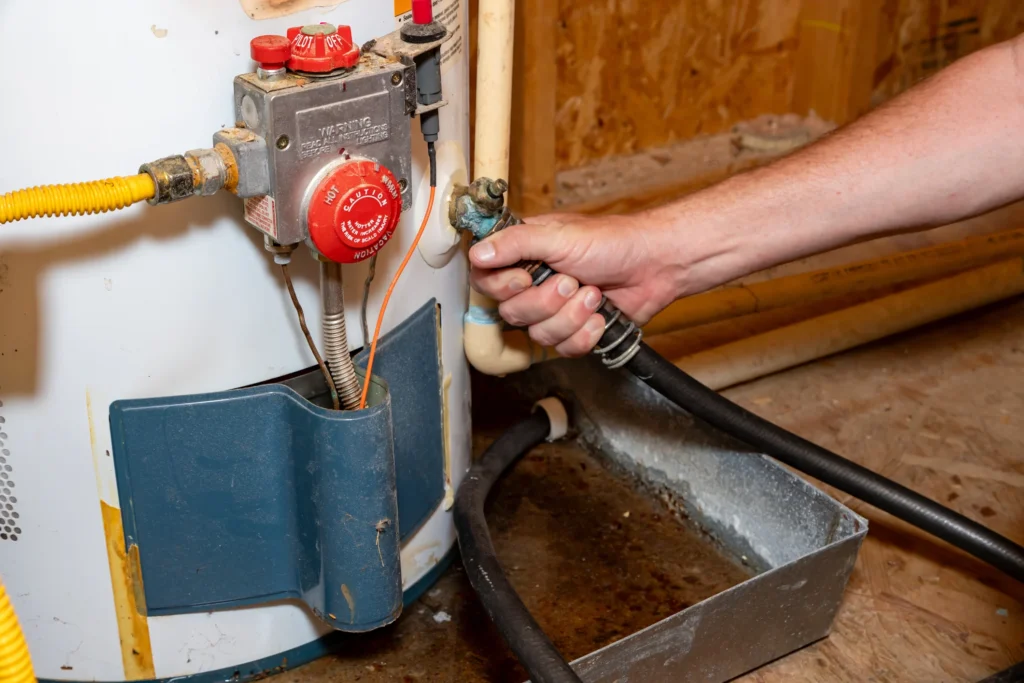
If you suspect the water heater is the culprit, regular flushing can dramatically improve water clarity. Sediment accumulation not only affects color but also reduces heating efficiency.
- Turn off the power or gas supply to the water heater.
- Connect a garden hose to the drain valve at the bottom of the tank.
- Open the valve and allow water to flow out until it runs clear.
- Close the valve, remove the hose, and refill the tank.
- Restore power or gas and let the heater reach its set temperature.
Perform this flush annually to keep both the water and the heater in optimal condition. If you notice persistent yellow water after flushing, the issue may lie deeper in the plumbing network.
Addressing Corroded Pipes and Iron Content
When the source water itself is tinted, installing a point‑of‑use filtration system can be an effective solution. Look for filters specifically rated for iron removal; these often use a combination of oxidation and activated carbon media.
Another long‑term strategy involves replacing old galvanized or copper pipes with modern PEX or PVC alternatives. While this is a larger investment, it eliminates rust and reduces future maintenance.
For homeowners who prefer a less invasive fix, an in‑line water softener can reduce mineral content, mitigating the yellow hue caused by iron or manganese. Be sure to choose a system sized appropriately for your household’s water usage.
Preventive Maintenance and Lifestyle Tips
Keeping your bathroom water clear isn’t just about fixing problems as they arise; proactive habits play a big role. Here are a few everyday actions that support the steps you’ve already taken:
- Wipe down the tub after each use to prevent soap scum buildup.
- Install a low‑flow showerhead to reduce mineral deposition while conserving water.
- Use a rinse‑aid product designed for hard water to minimize staining on fixtures.
- Schedule a yearly professional inspection of your plumbing and water heater.
These small adjustments complement the larger fixes and help maintain a pristine bathroom aesthetic—something every modern home décor enthusiast appreciates.
Quick Tips for an Immediate Visual Fix
- Run cold water for a minute before turning on the hot tap; this can flush out lingering sediment.
- Apply a thin layer of clear silicone around faucet bases to prevent mineral seepage onto the tub surface.
- Use a handheld shower filter that attaches directly to the shower arm for an instant boost in water clarity.
Common Mistakes When Trying to Fix Yellow Bath Water
Even well‑intentioned DIYers can stumble into pitfalls that worsen the issue. Avoid these common errors:
- Using abrasive cleaners on enamel or acrylic—these can scratch the surface, creating more places for stains to cling.
- Neglecting to test the water source—you might clean the tub endlessly while the actual problem lies upstream.
- Skipping the water heater flush—sediment buildup often goes unnoticed until it affects water color and temperature.
- Installing the wrong type of filter—an ordinary carbon filter won’t remove iron; choose a filter rated for iron and manganese.
By staying aware of these missteps, you’ll keep your efforts efficient and your bathroom looking its best.
Frequently Asked Questions
Why does my bath water look yellow only when using hot water?
Hot water can dissolve mineral deposits and rust more readily than cold water, making discoloration more noticeable. Flushing the water heater and checking for corroded pipes are key steps.
Is yellow water harmful to my skin?
In most cases, low levels of iron or manganese are not hazardous, but they can cause skin dryness or irritation for sensitive individuals. If you have concerns, consider installing a filtration system.
Can I use bleach to clear yellow water?
Bleach is not recommended for treating water discoloration because it does not remove iron or rust and can damage tub finishes. Stick to vinegar, baking soda, or professional-grade cleaners.
How often should I flush my water heater?
Annual flushing is ideal, especially in areas with hard water. More frequent maintenance may be needed if you notice recurring discoloration.
Do decorative bathroom upgrades affect water quality?
While décor choices (like new vanity or tiles) don’t directly change water color, selecting corrosion‑resistant fixtures and low‑lead faucets can reduce the chance of rust‑related yellowing.
For more inspiration on coordinating your bathroom’s look with functional upgrades, explore our guide on Moen vs Kohler Shower Heads: A Comprehensive Comparison. The right showerhead can improve water flow and minimize mineral buildup, supporting both style and clarity.
Additionally, if you’re redesigning the space, consider how storage solutions like The Art of Storing Bath Bombs – A Stylish Guide for Modern Homes can keep your bathroom organized while preventing product residues from staining the tub.
Finally, for a cohesive bedroom‑to‑bathroom transition, check out Cozy Apartment Bedroom Ideas for Modern Small‑Space Living for tips on creating a harmonious color palette throughout your home.
By addressing both the technical and aesthetic aspects of the problem, you’ll not only fix the yellow water but also enhance the overall feel of your bathroom, aligning it with modern home décor trends.
Implement the steps outlined above, stay consistent with maintenance, and enjoy a crystal‑clear bath every time you step in. Your bathroom will thank you with lasting beauty and a fresh, inviting atmosphere.