

Table of Contents
- Why Knowing Your Style Matters
- Step 1: Conduct a Personal Style Audit
- How to Figure Out Your Home Decor Style Through a Mood Board
- Step 2: Explore the Main Design Genres
- Modern Minimalist
- Scandinavian
- Industrial
- Bohemian (Boho)
- Mid‑Century Modern
- Step 3: Define Your Color Palette and Materials
- Material Cheat Sheet
- Step 4: Start Small—Test with One Room
- Step 5: Curate, Edit, and Evolve
- How to Figure Out Your Home Decor Style Over Time
- Quick Home Décor Tips
- Common Mistakes When Defining Your Style
- Frequently Asked Questions
- What if I love elements from multiple styles?
- How many colors should I use in a room?
- Can I change my style on a budget?
- Do I need a professional designer to figure out my style?
- How does lighting affect my décor style?
- What role do patterns play in defining a style?
How to Figure Out Your Home Decor Style: A Step‑by‑Step Guide
Finding a décor style that feels truly yours can feel like searching for a needle in a haystack, especially with the endless trends flooding design magazines and Instagram feeds. Yet, understanding your personal aesthetic is the cornerstone of a cohesive, comfortable home that reflects who you are. Whether you’re a first‑time renter, a seasoned homeowner, or simply looking to refresh a single room, learning how to figure out your home decor style will save you time, money, and the frustration of half‑finished projects.
In this guide we’ll walk you through a practical process that blends self‑reflection, visual research, and hands‑on experimentation. By the end, you’ll be equipped with a clear style direction, a shortlist of must‑have pieces, and the confidence to shop and arrange with purpose. Let’s dive in and unlock the décor personality that’s been waiting inside you.
Why Knowing Your Style Matters

When you know how to figure out your home decor style, every decision—from paint color to sofa shape—aligns with a larger narrative. This alignment reduces the risk of “design fatigue” and helps you create spaces that feel both functional and emotionally resonant. A defined style also makes it easier to communicate your vision to designers, contractors, or friends who may be helping you bring your ideas to life.
Step 1: Conduct a Personal Style Audit
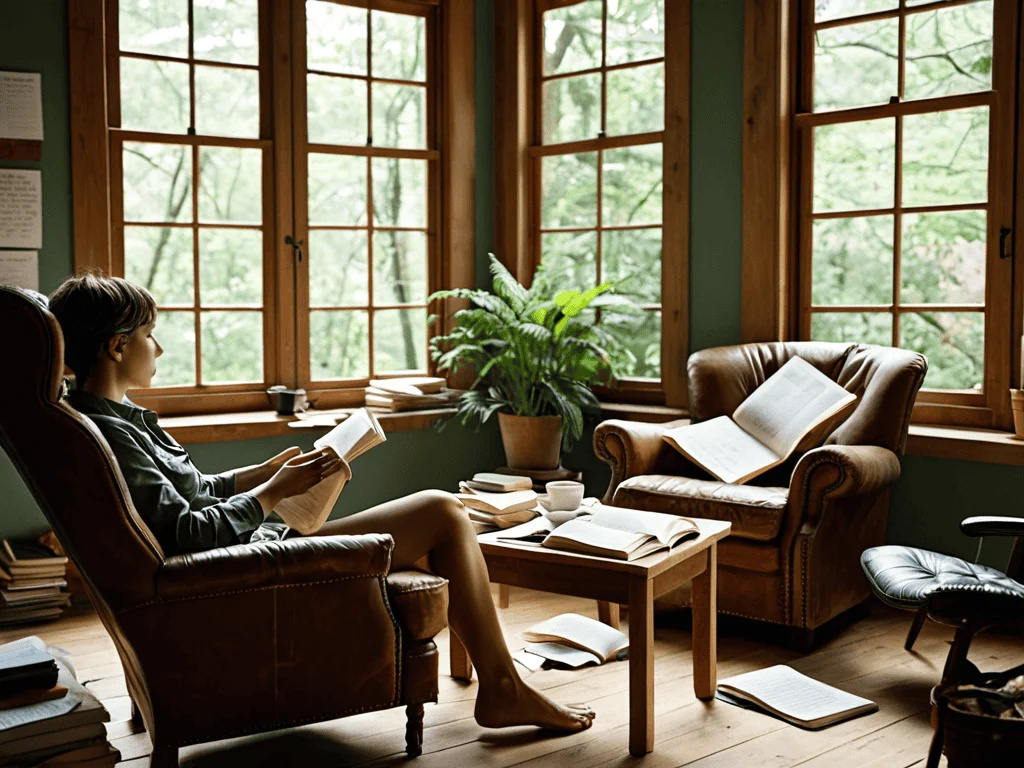
The first step in figuring out your home decor style is a honest audit of your current preferences. Pull out items that make you smile—a favorite chair, a cherished piece of art, or a patterned rug. Ask yourself why each object appeals to you. Is it the color palette, the texture, the era, or perhaps the story behind it?
How to Figure Out Your Home Decor Style Through a Mood Board
Collect images from magazines, Pinterest, Instagram, or even product catalogs. Arrange them on a physical board or a digital tool like Canva. Look for recurring themes: soft neutrals, bold geometric patterns, natural wood tones, or sleek metal accents. This visual clustering is a powerful way to see patterns emerge and answer the question, “how to figure out your home decor style” in a concrete, visual format.
- Note dominant colors—do you gravitate toward cool blues or warm terracotta?
- Identify material preferences—think linen versus leather, glass versus reclaimed wood.
- Observe scale and proportion—do you like oversized furniture or delicate, minimal pieces?
When the board starts to feel cohesive, you’ve taken a big leap toward pinpointing your aesthetic.
Step 2: Explore the Main Design Genres

With a mood board in hand, it’s time to compare your findings against established design categories. Below is a quick snapshot of popular styles, each with its own signature elements. As you read, pause and ask yourself if any of these descriptions resonate with the patterns you uncovered earlier.
Modern Minimalist
Clean lines, monochrome palettes, and uncluttered spaces define this look. If your mood board is dominated by white walls, black metal fixtures, and functional furniture, you might be leaning toward a minimalist approach.
Scandinavian
Think light wood, muted pastels, and an emphasis on natural light. The hallmark is coziness (hygge) combined with simplicity. If you love airy rooms and soft textiles, this could be your sweet spot.
Industrial
Exposed brick, metal pipe fittings, and reclaimed wood are the hallmarks. A love for raw, unfinished textures suggests an industrial vibe.
Bohemian (Boho)
Vibrant colors, layered patterns, and global influences create an eclectic, free‑spirited atmosphere. If your board is a riot of colors and you adore travel‑inspired pieces, you may be drawn to boho.
Mid‑Century Modern
Sleek wooden legs, tapered sofas, and a retro color scheme. If you’re a fan of iconic furniture designers like Eames or Nelson, this style could be your answer.
Cross‑reference these descriptions with your mood board. The style that feels most “right” is likely the one you’ll want to pursue as you figure out your home decor style.
Step 3: Define Your Color Palette and Materials
Color and material choices anchor any décor style. Once you’ve identified the broad genre that resonates, narrow down to a specific palette. For instance, a modern minimalist might opt for a black‑white‑gray scheme with occasional pops of emerald, while a bohemian space could embrace earthy oranges, deep blues, and plenty of woven textures.
When you’re learning how to figure out your home decor style, remember that the palette should also suit the lighting conditions of your space. Natural light amplifies cool tones, whereas dim rooms benefit from warm hues.
Material Cheat Sheet
- Wood: Light oak for Scandinavian, walnut for mid‑century, reclaimed pine for industrial.
- Metal: Brushed brass for modern luxe, matte black for industrial, chrome for contemporary.
- Fabric: Linen for airy feels, velvet for luxury, woven jute for boho.
Choosing a harmonious blend of these materials will reinforce the identity you’re cultivating as you figure out your home decor style.
Step 4: Start Small—Test with One Room
Before you overhaul the entire house, apply your newfound style knowledge to a single space. The living room is often a safe testing ground because it’s a high‑traffic area where you can see the impact of design choices daily.
Begin with a statement piece—a sofa, a rug, or a wall art— that embodies your chosen style. Then build the rest of the room around it, using the color and material guidelines you established. For inspiration on cohesive living‑room arrangements, check out our Cozy Living Room Design Ideas for a Warm, Inviting Home guide.
Observe how the room feels after a few weeks. Does it still spark joy? Does it feel functional? If the answer is yes, you’ve successfully answered how to figure out your home decor style for that space.
Step 5: Curate, Edit, and Evolve
Even after you’ve settled on a style, the journey doesn’t stop. Home décor is fluid; as your tastes evolve, so can your interiors. Treat each piece as an investment—if it truly aligns with your style, it will stand the test of time.
How to Figure Out Your Home Decor Style Over Time
Revisit your mood board every six months. Add new images that catch your eye, remove those that no longer speak to you, and adjust your color palette as seasons change. This ongoing process keeps your décor fresh while staying true to your core aesthetic.
When you need fresh inspiration or budget‑friendly options, our guide on Where to Buy Wholesale Home Decor – A Complete Guide offers practical tips for sourcing pieces that match your evolving style.
Quick Home Décor Tips
- Start with a neutral base—walls, flooring, and large furniture in muted tones make it easier to layer in accent pieces.
- Use a single statement accessory (like a bold lamp or a unique mirror) to anchor your chosen style.
- Incorporate textures—mix wood, metal, and fabric to add depth without overwhelming the eye.
- Keep a “style box” with swatches of fabric, paint chips, and material samples for quick reference.
- Don’t forget the power of plants; greenery works across almost every design genre.
Common Mistakes When Defining Your Style
Even seasoned decorators stumble when trying to figure out their home decor style. Here are a few pitfalls to watch out for:
- Copy‑pasting trends without adaptation: A popular trend can look dated if it doesn’t suit your lifestyle or space.
- Over‑accessorizing: Too many decorative items dilute the impact of your core style.
- Ignoring scale: A massive sofa in a small apartment overwhelms the room, regardless of style.
- Neglecting functionality: A beautiful layout that hampers daily living will quickly be abandoned.
- Skipping the budget check: Dreaming big is fine, but unrealistic spending can cause project abandonment.
By keeping these in mind, you’ll stay on track and enjoy a smoother design journey.
Frequently Asked Questions
What if I love elements from multiple styles?
Mix‑and‑match is a modern approach called “eclectic”. Identify a unifying element—such as a consistent color palette or material—to tie the different influences together.
How many colors should I use in a room?
Generally, a base color, a secondary accent, and one bold pop work well. This maintains visual interest without creating chaos.
Can I change my style on a budget?
Absolutely. Start with low‑cost updates like throw pillows, curtains, or hardware. For larger changes, consider swapping out accessories before investing in new furniture.
Do I need a professional designer to figure out my style?
No. While designers bring expertise, the process of self‑reflection, mood‑boarding, and testing is accessible to anyone willing to spend a little time.
How does lighting affect my décor style?
Lighting can either enhance or undermine a style. Warm, dimmable bulbs complement cozy styles like boho, while bright, white light supports modern minimalism.
What role do patterns play in defining a style?
Patterns are a quick visual cue. Geometric patterns hint at modern or industrial, while floral and tribal motifs lean toward bohemian or eclectic.
Now that you’ve learned how to figure out your home decor style, you’re ready to transform any space into a reflection of your personality and lifestyle. Start with a simple mood board, test the waters in one room, and let your confidence grow with each thoughtful decision. Remember, the best‑styled homes evolve over time—so enjoy the process, stay curious, and keep experimenting. For more DIY inspiration, explore DIY décor with woven wall décor – Creative Ideas for Every Home and let your creativity flourish.