
Table of Contents
- Step‑by‑Step Guide to cleaning bath mats with suction cups using vinegar
- Why cleaning bath mats with suction cups using vinegar works
- 1. Remove the mat and test a small area
- 2. Create the cleaning solution
- 3. Soak the mat
- 4. Scrub gently
- 5. Rinse thoroughly
- 6. Dry the mat and suction cups
- Maintaining Freshness: Daily and Weekly Practices
- Quick daily rinse
- Weekly spot cleaning
- Rotate placement
- Choosing the Right Bath Mat for Easy Cleaning
- Material matters
- Suction cup design
- Quick Tips for a Spotless Bathroom
- Common Mistakes to Avoid When Cleaning Bath Mats with Suction Cups Using Vinegar
- Using undiluted vinegar on delicate fabrics
- Skipping the suction cup inspection
- Rubbing the mat aggressively
- Leaving the mat damp for too long
- Frequently Asked Questions
- Can I use apple cider vinegar instead of white vinegar?
- Is it safe to use vinegar on silicone suction cups?
- How often should I deep clean my bath mat?
- Will vinegar damage the tile around the suction cups?
- Can I add essential oils to the vinegar solution?
- What if the suction cups lose grip after cleaning?
How to Effectively Clean Bath Mats with Suction Cups Using Vinegar
Bath mats are an essential part of bathroom décor, offering comfort, safety, and a splash of style. Yet, because they sit on wet floors and often have suction cups on the underside, they can become breeding grounds for mildew, soap scum, and stubborn stains. Homeowners who want a fresh, hygienic bathroom without harsh chemicals will find that cleaning bath mats with suction cups using vinegar is a practical, budget‑friendly solution.
Vinegar’s natural acidity cuts through grime while neutralizing odors, and because it’s safe for most fabrics and rubber suction cups, you won’t risk damage to the mat or the tiles beneath it. In the following sections, we’ll walk through a thorough, step‑by‑step process, share quick tips for maintaining mat freshness, and answer the most common questions people ask about this cleaning method.
Whether you’re a renter looking to keep a landlord‑approved bathroom spotless or a design‑savvy homeowner who wants to preserve the aesthetic of a modern bathroom, this guide will give you the confidence to tackle bath mats with suction cups using vinegar—and keep them looking and feeling great for months to come.
Step‑by‑Step Guide to cleaning bath mats with suction cups using vinegar

Before you dive into the cleaning routine, gather the supplies you’ll need. A simple mix of distilled white vinegar, warm water, a soft brush, and a few cloths is all that’s required. The process is straightforward but benefits from a systematic approach to ensure every corner—and every suction cup—is thoroughly cleaned.
Why cleaning bath mats with suction cups using vinegar works
- Acidic power: Vinegar’s acetic acid breaks down mineral deposits, soap residue, and light mildew without the abrasiveness of commercial cleaners.
- Odor neutralizer: The same acid that dissolves grime also neutralizes the musty smells that can linger in damp bathroom environments.
- Material safety: Unlike bleach or strong detergents, vinegar is gentle on fabric fibers and rubber suction cups, extending the life of your mat.
Now, let’s walk through each stage of cleaning bath mats with suction cups using vinegar, from preparation to drying.
1. Remove the mat and test a small area
First, lift the mat away from the floor to give you clear access to the suction cups. If you’re concerned about colorfastness, dip a cotton swab in the diluted vinegar solution (one part vinegar to four parts water) and apply it to an inconspicuous spot. Wait 30 seconds; if there’s no discoloration, you’re safe to proceed.
2. Create the cleaning solution
In a bucket, combine 2 cups of warm water with ½ cup of distilled white vinegar. Stir gently. For heavily soiled mats, increase the vinegar proportion to ¾ cup while keeping the total liquid volume manageable for immersion.
3. Soak the mat
Submerge the bath mat in the solution, ensuring the suction cups are fully covered. Let it soak for 10–15 minutes. This soaking period allows the vinegar to loosen embedded grime and soften any mildew that has formed around the suction cup bases.
4. Scrub gently
After soaking, use a soft‑bristle brush or an old toothbrush to gently scrub the surface of the mat. Pay special attention to the edges and the area around each suction cup where dirt tends to accumulate. The brush’s bristles will lift residues without damaging the fabric or the rubber.
5. Rinse thoroughly
Drain the vinegar bath and rinse the mat under running warm water. Make sure all vinegar residues are washed away, as lingering acid can cause the mat to feel slightly stiff. A quick squeeze (without wringing) helps expel excess water.
6. Dry the mat and suction cups
Lay the mat flat on a clean, dry towel and roll the towel to absorb moisture. Then, place the mat in a well‑ventilated area—ideally near a window or a fan—for at least an hour. The suction cups should dry completely to retain their grip when the mat is returned to the floor.
Following these steps, you’ll notice a fresh scent, a brighter appearance, and restored suction power—proof that cleaning bath mats with suction cups using vinegar is both effective and easy.
Maintaining Freshness: Daily and Weekly Practices

Cleaning once a month keeps most mats looking new, but a few simple habits can extend the interval between deep cleans. By incorporating quick maintenance into your routine, you’ll reduce the buildup that makes heavy cleaning necessary.
Quick daily rinse
- After each shower, lift the mat and give it a brief rinse with cool water. This removes excess soap and prevents residue from setting.
- Shake out the mat to dislodge loose hair and debris.
Weekly spot cleaning
Use a spray bottle filled with a 1:3 vinegar‑water mix to spritz high‑traffic areas. Wipe with a microfiber cloth; the mild acidity keeps stains at bay without the need for full immersion.
Rotate placement
If your bathroom layout permits, rotate the mat’s position every few weeks. This prevents one side from receiving constant water exposure, which can accelerate wear on the suction cups.
These easy habits complement the deeper routine of cleaning bath mats with suction cups using vinegar, ensuring your bathroom always feels clean and welcoming.
Choosing the Right Bath Mat for Easy Cleaning
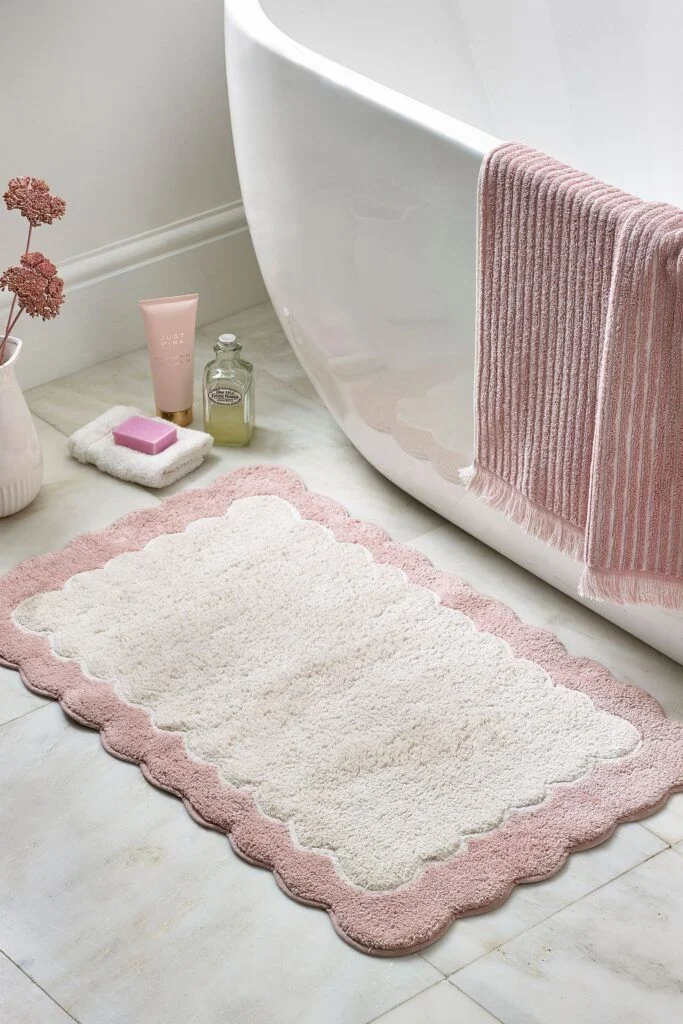
Not all bath mats are created equal. When selecting a new mat, consider material, backing type, and design features that work well with the vinegar cleaning method.
Material matters
- Cotton blends: Highly absorbent and tolerant of vinegar, these mats dry quickly and retain color.
- Microfiber: Soft and quick‑drying, microfiber mats are less prone to mildew but may shed tiny fibers if over‑scrubbed.
- Eco‑friendly bamboo or jute: Natural fibers that can be spot‑cleaned with vinegar; however, they require gentle handling to avoid fraying.
Suction cup design
Look for suction cups made of high‑quality silicone rather than cheap rubber. Silicone maintains its grip longer and is less likely to degrade from repeated vinegar exposure.
When you pair the right mat with a reliable cleaning routine—especially cleaning bath mats with suction cups using vinegar—you’ll enjoy a bathroom that feels fresh without the hassle of frequent replacements.
Quick Tips for a Spotless Bathroom
- Keep a small spray bottle of diluted vinegar in the bathroom for instant spot cleaning.
- Use a lint roller on the mat surface before washing to pick up hair and loose fibers.
- After cleaning, place a thin towel under the suction cups to protect tile finishes.
- Combine vinegar cleaning with a weekly bathroom deodorizer for an extra fresh scent.
Common Mistakes to Avoid When Cleaning Bath Mats with Suction Cups Using Vinegar
Even a simple method can go awry if you’re not aware of the pitfalls. Below are frequent errors and how to sidestep them.
Using undiluted vinegar on delicate fabrics
Full‑strength vinegar can weaken certain fibers over time. Always dilute the solution (1 part vinegar to 3–4 parts water) unless the mat’s care label explicitly states otherwise.
Skipping the suction cup inspection
Before cleaning, examine each suction cup for cracks or tears. A damaged cup will lose grip regardless of how clean it is, so replace any compromised units before proceeding.
Rubbing the mat aggressively
Hard scrubbing can fray fabric edges and wear down the suction cup base. Use a soft brush and gentle circular motions to protect the integrity of both the mat and its cups.
Leaving the mat damp for too long
Moisture lingering on the mat encourages mold growth. Ensure the mat is fully dry before putting it back, preferably using a fan or placing it in a sunny spot.
Frequently Asked Questions
Can I use apple cider vinegar instead of white vinegar?
Yes, apple cider vinegar works similarly because it also contains acetic acid. However, white distilled vinegar is preferred for its clear, non‑staining properties, especially on light‑colored mats.
Is it safe to use vinegar on silicone suction cups?
Silicone is highly resistant to mild acids, so cleaning bath mats with suction cups using vinegar is safe. Rinse thoroughly to remove any residual acidity, which could affect the grip if left unchecked.
How often should I deep clean my bath mat?
A deep clean every 4–6 weeks is ideal for most households. If you have a larger family or notice a lingering odor, shorten the interval to every two weeks.
Will vinegar damage the tile around the suction cups?
Vinegar can etch natural stone tiles (like marble or travertine) if left on the surface for too long. Since the suction cups sit on the mat and not directly on the tile, the risk is minimal. Still, wipe away any drips promptly.
Can I add essential oils to the vinegar solution?
Adding a few drops of lavender or tea tree oil not only enhances the scent but also contributes additional antimicrobial properties. Just be sure the oils are well‑mixed into the solution to avoid streaks.
What if the suction cups lose grip after cleaning?
After cleaning, inspect each cup for debris. If a cup feels soft, rinse it under warm water and press it firmly onto a clean, dry tile to re‑establish suction. If the cup is cracked, replace it.
By addressing these common concerns, you’ll feel more confident in maintaining a pristine bathroom environment.
Cleaning bath mats with suction cups using vinegar is more than a one‑off chore; it’s a sustainable habit that supports a healthier home. The next time you step out of the shower, you’ll appreciate the fresh scent, the bright appearance, and the secure grip of your mat—proof that a simple kitchen staple can deliver impressive results in bathroom upkeep.
Ready to explore more home‑styling ideas? Check out our guide on trendy home styling ideas for fresh inspiration, or learn how to brighten small apartments with DIY apartment decoration ideas. For a spa‑like experience, see how shower steamers compare to bath bombs and add a touch of luxury to your routine.
[Bathroom]: Bathroom