
Table of Contents
- Step‑by‑step guide on how to decorate your new construction home
- Establish a Cohesive Color Palette
- Choosing paint finishes: how to decorate your new construction home with the right sheen
- Select Flooring that Complements Your Vision
- Lighting Strategies for Modern Spaces
- Furniture Layout and Space Planning
- Personal Touches and Decorative Accessories
- Quick Home Décor Tips
- Common Decorating Mistakes to Avoid
- Frequently Asked Questions
- Conclusion
How to Decorate Your New Construction Home – A Complete Guide
Moving into a brand‑new house is an exciting blank canvas. Unlike a resale property, a new construction home offers pristine walls, untouched floors, and a layout that reflects the latest building standards. This freedom, however, can also feel overwhelming: where do you begin, and how do you make the space truly yours without compromising the clean, modern lines the builder intended?
In this guide we’ll walk you through the essential steps of how to decorate your new construction home, from establishing a color story to selecting flooring, lighting, and accessories that add personality while preserving architectural integrity. By the end, you’ll have a clear roadmap, practical checklists, and confidence to turn that fresh shell into a welcoming, stylish home.
Step‑by‑step guide on how to decorate your new construction home
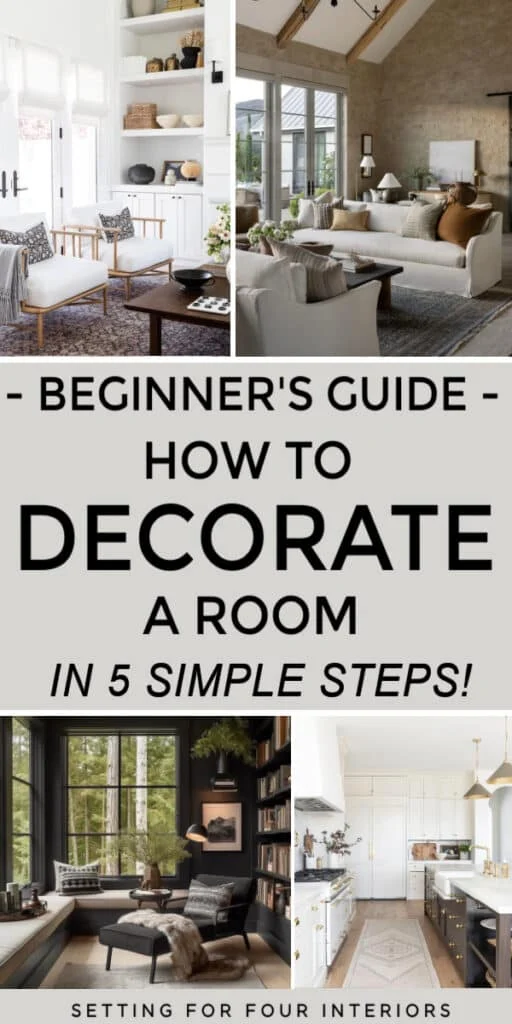
The first question many homeowners ask is whether to wait for the builder’s finishes or jump straight into decorating. The answer lies in a strategic, phased approach. Begin with a solid design foundation—choose a color palette, define key materials, and map out traffic flow. Then layer in flooring, lighting, furniture, and accessories. This sequence ensures that each decision supports the next, preventing costly revisions and keeping the overall aesthetic cohesive.
Below we break down each phase, offering actionable tips and real‑world examples that illustrate how to decorate your new construction home without sacrificing functionality or style.
Establish a Cohesive Color Palette
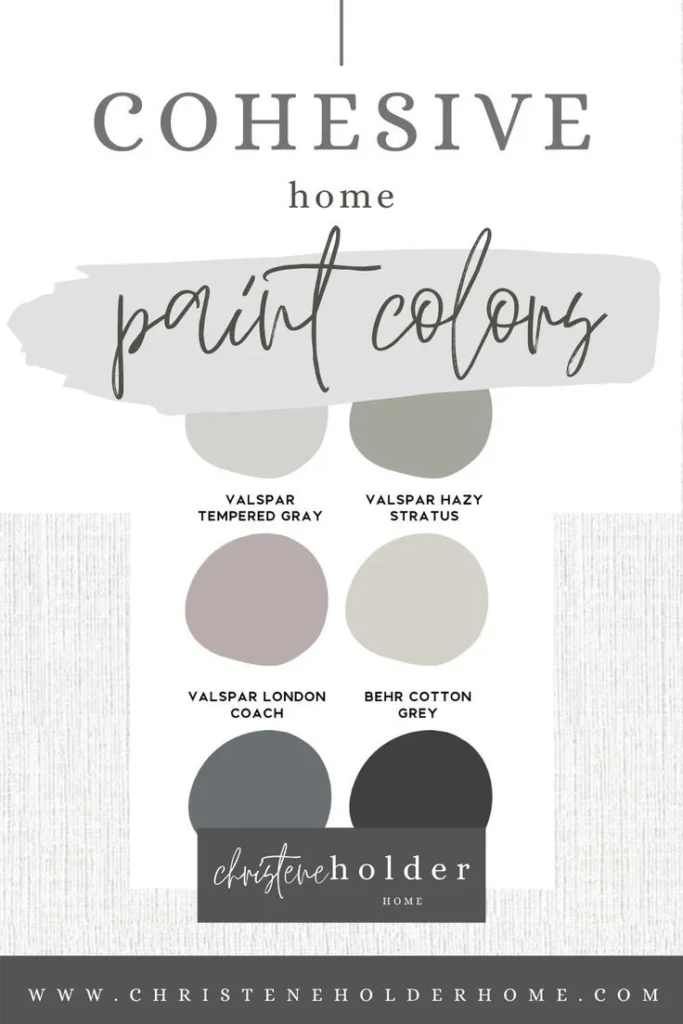
Color is the backbone of any interior design project. In a new construction home, neutral tones such as soft whites, greys, and beiges provide a timeless backdrop that allows you to switch styles later on. For a modern look, pair a warm greige on the walls with crisp white trim. If you love contrast, consider a deep charcoal accent wall in the living room paired with light‑colored furniture.
When deciding how to decorate your new construction home with paint, think about the following:
- Room function: Calming blues work well in bedrooms, while energizing yellows can boost a kitchen’s vibe.
- Natural light: Rooms with abundant daylight can handle richer hues; darker rooms benefit from lighter shades to reflect light.
- Finish selection: Matte finishes hide imperfections, whereas satin or low‑luster finishes highlight a flawless wall.
Choosing paint finishes: how to decorate your new construction home with the right sheen
Modern interiors often favor low‑sheen finishes that strike a balance between durability and subtle elegance. For high‑traffic areas like hallways and kitchens, a washable satin or low‑luster paint protects against scuffs. In contrast, bedroom walls can enjoy a flat or matte finish for a soft, velvety feel.
For a deeper dive into finish performance, see our paint finish showdown, which compares cashmere low luster and eggshell options for modern interiors.
Select Flooring that Complements Your Vision

Flooring is often the first design element you’ll notice in a new construction home because it ties rooms together and sets the tactile tone. Hardwood, engineered wood, and luxury vinyl plank (LVP) remain popular for their durability and visual warmth. If you prefer a softer underfoot feel, high‑quality carpet can add comfort without sacrificing style.
When deciding how to decorate your new construction home with flooring, consider the following factors:
- Room purpose: Kitchens and bathrooms benefit from waterproof options like LVP or tile, while bedrooms can enjoy plush carpet.
- Flow: Extending the same flooring through open‑concept spaces creates visual continuity.
- Maintenance: Choose materials that fit your lifestyle—families with kids may prefer stain‑resistant finishes.
For an expert comparison of carpet brands and performance, read our analysis of floor covering options, which highlights the strengths of Dixie Home Carpet versus Shaw.
Lighting Strategies for Modern Spaces
Lighting is the invisible architect of ambience. In a brand‑new home, the default fixture layout often includes recessed lights and a few ceiling fans, but you can elevate the space with layered lighting. Combine ambient, task, and accent lighting to create depth and visual interest.
Here are three lighting layers to consider when figuring out how to decorate your new construction home:
- Ambient lighting: Recessed LEDs or flush‑mount fixtures provide even, overall illumination.
- Task lighting: Under‑cabinet lights in kitchens, desk lamps in offices, and reading lights beside sofas enhance functionality.
- Accent lighting: Picture lights, wall sconces, or LED strips highlight artwork and architectural features.
Don’t forget to incorporate dimmers—they allow you to shift the mood from bright daytime to intimate evening with a simple turn of a knob.
Furniture Layout and Space Planning
Open floor plans are a hallmark of many new construction homes. While they feel spacious, they can also lead to ambiguous traffic patterns if furniture isn’t placed thoughtfully. Start by mapping out main pathways—ensure at least 36‑inches of clearance between pieces to promote smooth flow.
When you’re figuring out how to decorate your new construction home with furniture, keep these principles in mind:
- Scale: Choose pieces proportionate to the room’s dimensions; oversized sofas can overwhelm a modest living area.
- Zoning: Use rugs, lighting, or shelving to define functional zones such as a reading nook or a home office within an open layout.
- Flexibility: Multifunctional furniture—like a storage ottoman or a wall‑mounted desk—maximizes utility without clutter.
Looking for creative ways to integrate storage and style? Check out our living room bookshelf styling ideas for inspiration on turning shelving into both display and storage solutions.
Personal Touches and Decorative Accessories
After the big decisions—color, flooring, lighting, and furniture—are settled, the final layer is all about personality. Decorative accessories are the glue that binds the design together and tells your story. From artwork to textiles, each piece should reinforce the overall aesthetic while adding a human element.
Here’s how to decorate your new construction home with accessories without overwhelming the space:
- Art selection: Choose a statement piece for the main wall in the living room; smaller prints can be grouped in a gallery layout for a curated feel.
- Textiles: Introduce color and texture through throw pillows, area rugs, and curtains. A patterned rug can anchor an open‑concept area.
- Greenery: Potted plants add life, improve air quality, and soften hard surfaces.
- Functional décor: Stylish storage baskets, decorative trays, and elegant hardware upgrades (like new knobs on cabinets) blend utility with design.
Quick Home Décor Tips
- Start with a single accent color and repeat it in cushions, artwork, and small décor pieces to create unity.
- Use mirrors strategically to amplify natural light and make rooms feel larger.
- Swap out hardware (drawer pulls, door knobs) for an instant style refresh without major renovations.
- Layer lighting—combine floor lamps, table lamps, and sconces for a flexible ambience.
- Keep a “one‑in, one‑out” rule for décor to prevent clutter as you add new items.
Common Decorating Mistakes to Avoid
Even experienced homeowners can stumble on a few pitfalls when figuring out how to decorate your new construction home. Awareness is the first step to prevention.
Over‑matching: Selecting all furniture and décor in the same shade can create a flat, lifeless look. Introduce contrasting textures and complementary hues to add depth.
Ignoring scale: Oversized rugs or oversized furniture can dwarf a room, while tiny accessories may get lost. Measure spaces and use mock‑ups (paper cutouts or digital tools) before purchasing.
Skipping a lighting plan: Relying solely on the builder’s default lighting often leads to uneven illumination. Map out a layered lighting scheme early to avoid retrofitting later.
Forgetting storage: A beautiful room quickly becomes chaotic without adequate storage solutions. Incorporate built‑in shelves, hidden cabinets, or multi‑purpose furniture to keep the aesthetic clean.
Frequently Asked Questions
When should I start painting in a new construction home?
Ideally, paint after all major installations (cabinets, fixtures) are completed but before flooring is laid. This protects walls from scratches during the flooring installation and ensures a seamless finish.
Can I install hardwood over a concrete slab?
Yes, engineered hardwood or a moisture barrier with a nail‑down subfloor can be installed over a concrete slab. Always test for moisture levels before proceeding to prevent future warping.
What’s the best way to integrate smart home technology?
Plan wiring and Wi‑Fi coverage during the construction phase. Place smart switches, thermostats, and speaker systems in central locations for easy control and future expansion.
How do I choose the right window treatments?
Consider privacy, light control, and style. For a modern look, opt for sleek roller shades or sheer panels that allow daylight while maintaining a clean line.
Is it worth investing in custom cabinetry for a new home?
Custom cabinets provide precise fit and design flexibility, especially in uniquely shaped spaces. They also add resale value, but high‑quality stock cabinets can achieve a similar look at a lower cost.
Should I wait for a move‑in discount before buying furniture?
Many retailers offer seasonal sales, but waiting too long can delay your design timeline. Identify key pieces early, then look for deals on secondary items like décor and accessories.
Conclusion
Decorating a new construction home is a rewarding journey that blends structural precision with creative expression. By establishing a solid color palette, selecting appropriate flooring, layering thoughtful lighting, and curating furniture that respects scale, you lay the groundwork for a cohesive, modern interior. Add personal touches—art, textiles, and greenery—to transform the space from a polished shell into a lived‑in sanctuary.
Remember, the process is iterative; allow yourself room to experiment and adjust as you settle in. With the strategies outlined above, you now have a comprehensive roadmap for how to decorate your new construction home with confidence and style. Explore more inspiration on The Homara, and enjoy the adventure of making your new house truly feel like home.