
Table of Contents
- how to decorate home office walls with Color and Paint
- Adding Art and Personal Touches
- Functional Wall Solutions: Shelves and Storage
- Creative Wall Treatments: Wallpaper, Panels, and Textures
- Lighting and Mood Enhancements on Your Walls
- Quick Tips for Decorating Home Office Walls
- how to decorate home office walls: 3 Simple Steps
- Common Mistakes to Avoid When Decorating Home Office Walls
- Frequently Asked Questions
How to Decorate Home Office Walls: Practical Ideas for a Productive Space
Working from home has become the norm for many professionals, and the visual environment of a home office can dramatically influence focus, creativity, and overall well‑being. While desks, chairs, and lighting often receive the most attention, the walls surrounding you are an equally powerful design element. When you know how to decorate home office walls thoughtfully, you create a backdrop that inspires, organizes, and even reduces stress.
Whether you’re renting a small loft, renovating a dedicated study, or simply looking to refresh an existing workspace, the strategies outlined here are adaptable to any budget or style. From color psychology to functional art, each tip balances aesthetics with practicality, ensuring your walls become assets rather than afterthoughts.
In the sections that follow, you’ll discover step‑by‑step ideas, quick fixes, and common pitfalls to avoid. By the end of this guide, you’ll have a clear roadmap for turning blank walls into a dynamic part of your daily routine.
how to decorate home office walls with Color and Paint
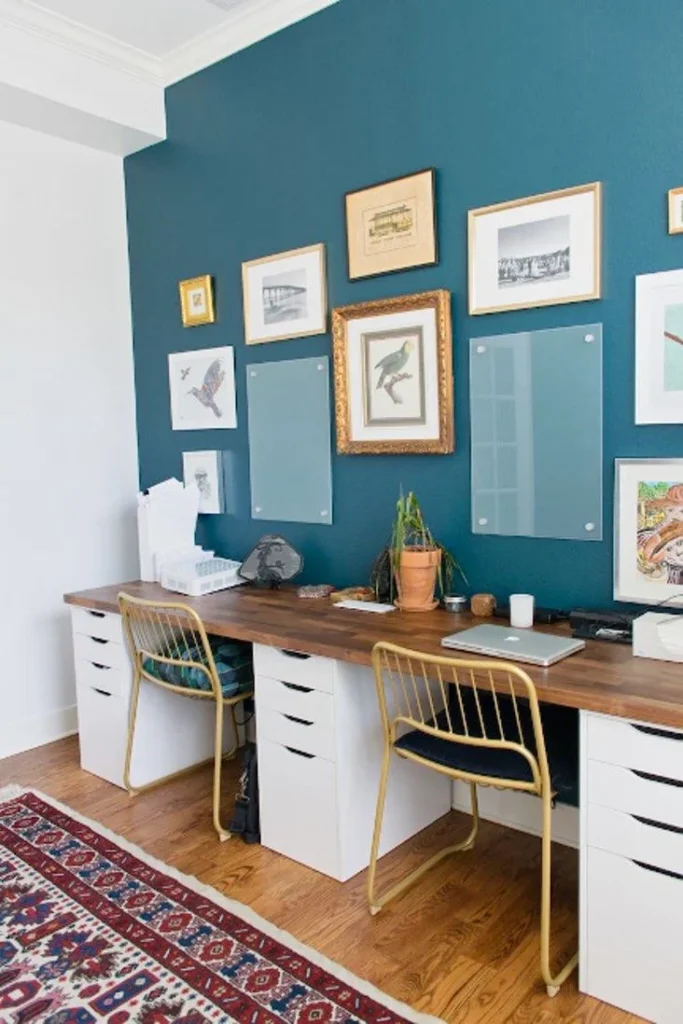
Color is the most immediate way to set the tone of a workspace. Soft, muted hues such as cool blues or gentle greens are known for promoting concentration, while warm neutrals like taupe or warm gray can add a sense of stability without overwhelming the eye. When you decide how to decorate home office walls with paint, start by testing large swatches on opposite sides of the room. Observe how natural light shifts throughout the day; a shade that looks serene in the morning may feel dim in the afternoon.
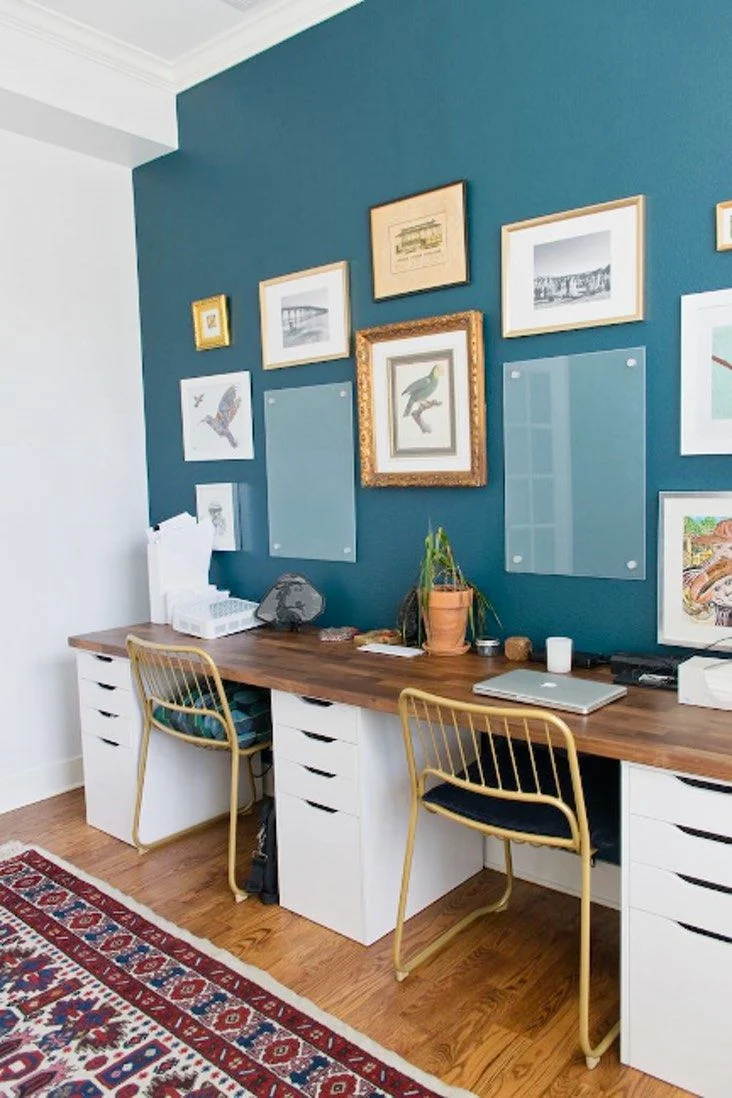
For a subtle yet effective approach, consider an accent wall. Choose the wall that naturally draws attention—often the one behind the desk—and apply a deeper version of your primary color or a complementary shade. This focal point can frame your work area and create a visual hierarchy that guides the mind. If you’re feeling adventurous, a gradient or two‑tone technique can add depth without the need for additional décor.
Don’t forget the psychological impact of color. Studies show that light blues can enhance productivity, while soft yellows may spark creativity. Pairing a calming base with a vibrant accent can keep the environment balanced and energizing.
Adding Art and Personal Touches
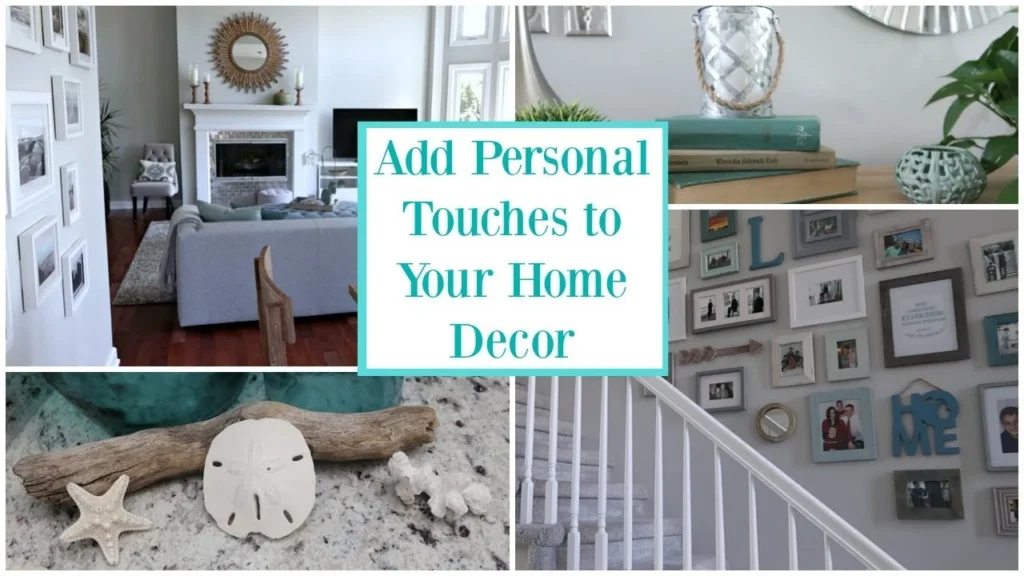
Artwork and personal memorabilia turn a sterile office into a place that feels uniquely yours. When you think about how to decorate home office walls with art, start with a theme that aligns with your professional identity—abstract shapes for a creative agency, geometric patterns for a tech startup, or botanical prints for a wellness coach. The key is to keep the scale appropriate: a single large piece can act as a statement, whereas a curated gallery wall of smaller frames adds texture and interest.
Mixing media is another effective tactic. Combine framed prints with floating shelves that hold small sculptures, vintage cameras, or inspirational quotes. These three‑dimensional elements break up flat surfaces and invite tactile interaction. If you’re on a budget, consider DIY options like canvas prints of your favorite photographs or hand‑painted typographic statements.
When choosing art, think about the visual weight. Dark, heavily detailed pieces can dominate a space, so balance them with lighter, airy works. For a cohesive look, stick to a limited color palette—perhaps pulling a hue from your accent wall into the frames.
Functional Wall Solutions: Shelves and Storage
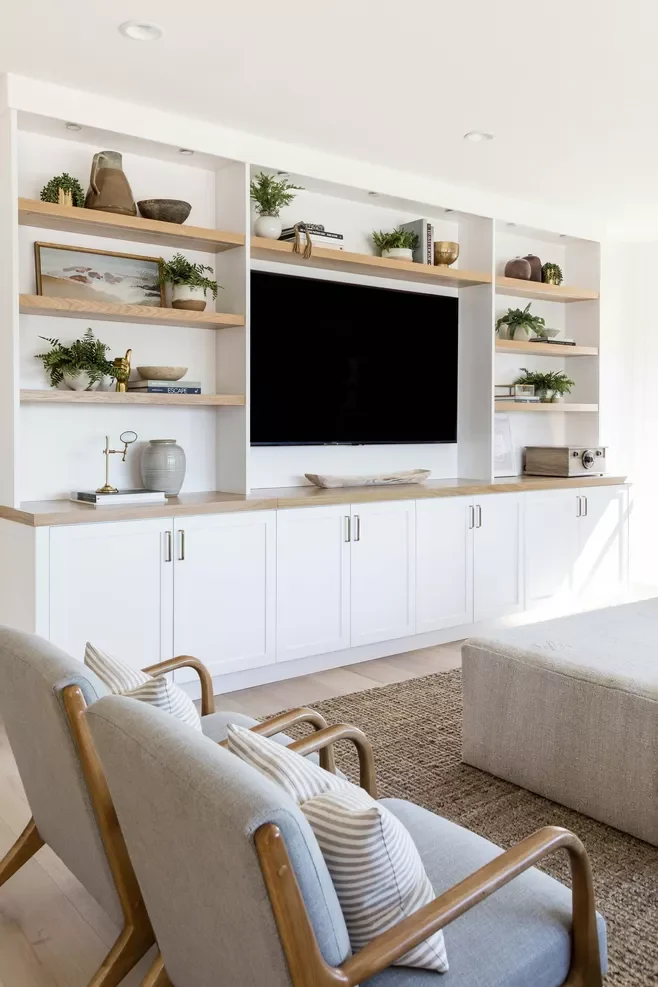
Functionality is at the heart of any effective home office, and walls provide an excellent opportunity to incorporate storage without sacrificing floor space. When you ask yourself how to decorate home office walls with functional elements, floating shelves top the list. They keep books, binders, and decorative objects within arm’s reach while maintaining a clean, minimalist aesthetic.
- Floating shelves: Install a series of narrow shelves at varying heights. Use them to display a mix of practical items (planners, pens) and decorative accents (small plants, framed photos).
- Wall‑mounted pegboards: Perfect for creatives who need quick access to tools, sketchpads, or tech accessories. Pegboards can be painted to match the room’s color scheme.
- Cork or magnetic boards: Ideal for brainstorming sessions. Pin up ideas, to‑do lists, or inspirational images to keep your mind organized.
Consider integrating a sleek, built‑in cabinet system if you have larger storage needs. These can be customized with glass doors to keep the space feeling open while hiding clutter. For renters, removable adhesive hooks and tension rods offer a non‑permanent solution that still adds visual interest.
By combining aesthetics with storage, you turn walls into active participants in your workflow, reducing desk clutter and fostering a more organized mindset.
Creative Wall Treatments: Wallpaper, Panels, and Textures
If paint alone feels limiting, explore textured wall finishes that add depth and character. When learning how to decorate home office walls with wallpaper, look for patterns that support focus rather than distract. Subtle geometric designs, low‑contrast stripes, or nature‑inspired motifs can provide visual intrigue without overwhelming the mind.
Modern peel‑and‑stick wallpapers are renter‑friendly and come in a wide array of finishes, from matte fabrics to metallic sheens. For a more sculptural approach, consider wall panels made from reclaimed wood, acoustic foam, or 3‑D molded plaster. These not only create a striking backdrop but also improve sound absorption—an essential feature for video calls and focused work.
Another budget‑friendly option is a DIY texture wall. Apply a thin layer of joint compound, then use a trowel or brush to create a subtle pattern. Once dry, paint over it with your chosen hue. The result is a custom finish that feels handcrafted and unique.
When selecting a treatment, keep the room’s lighting in mind. Darker textures absorb light, which can make a small space feel cozier but potentially dimmer. Pairing textured walls with ample illumination (see the next section) maintains a balanced environment.
Lighting and Mood Enhancements on Your Walls
Lighting is often the silent partner in wall décor, influencing mood, perception of space, and even color accuracy. When you consider how to decorate home office walls with lighting, think in layers: ambient, task, and accent. Ambient lighting provides overall illumination, while task lighting focuses on the work area. Accent lighting highlights artwork, shelves, or textured walls.
LED strip lights are a versatile solution. Place them behind floating shelves, under a floating desk, or along the top edge of an accent wall to create a soft wash of color. For a more decorative touch, wall‑mounted sconces with adjustable arms can be directed toward reading material or decorative pieces. Choose fixtures with dimmable options to shift the atmosphere from energetic daytime to relaxed evening mode.
Natural light remains the gold standard. If possible, position your desk near a window and use sheer curtains that diffuse sunlight while preserving privacy. Complement natural light with a mirror placed strategically to bounce light across darker corners. For renters, adhesive mirror panels are an easy, non‑permanent way to amplify brightness.
Finally, consider smart lighting systems that sync with your calendar or music. A subtle color shift can signal the start of a creative brainstorming session, reinforcing the psychological link between environment and productivity.
Quick Tips for Decorating Home Office Walls
how to decorate home office walls: 3 Simple Steps
- Start with a color base: Choose a calming neutral or a productivity‑boosting hue, then add an accent wall for visual focus.
- Incorporate functional art: Combine framed prints with floating shelves that hold both décor and essentials.
- Layer lighting: Use LED strips or sconces to highlight key areas and create mood‑setting ambience.
These three actions can transform a bland space into a motivating environment in less than an afternoon. For more comprehensive organization ideas, explore our guide on smart strategies for stylish home organization. If you’re looking to add a warm glow to adjacent rooms, check out cozy kitchen shelf lighting ideas for inspiration that carries over to your office lighting plan.
Common Mistakes to Avoid When Decorating Home Office Walls
Even well‑intentioned décor projects can fall short if common pitfalls are ignored. Below are the most frequent errors and how to sidestep them:
- Overcrowding the wall: Filling every inch with art or shelves creates visual noise. Stick to a 30‑40% coverage rule, leaving breathing room for the eyes.
- Ignoring ergonomics: Placing shelves too low or mounting lights at awkward angles can cause strain. Ensure that functional elements sit at comfortable heights.
- Choosing the wrong finish: High‑gloss paints or overly reflective surfaces can cause glare on screens. Opt for matte or satin finishes for a balanced look.
- Neglecting cohesion: Mixing wildly different styles (industrial metal with ornate Victorian frames) can feel disjointed. Choose a unifying theme or color palette.
- Forgetting acoustics: Bare walls can echo during video calls. Incorporate acoustic panels or textured surfaces to dampen sound.
By staying mindful of these issues, you’ll create a space that’s both beautiful and functional.
Frequently Asked Questions
What paint colors are best for a home office?
Cool blues, soft greens, and warm neutrals are proven to enhance focus and reduce stress. Pair a light base with an accent wall in a deeper shade to create depth without distraction.
Can I use wallpaper in a small office?
Yes, choose low‑contrast patterns or vertical stripes to elongate the space. Peel‑and‑stick options are renter‑friendly and easy to remove.
How much wall space should I allocate to storage?
Aim for about 20‑30% of wall surface for functional storage. Floating shelves, pegboards, and magnetic boards are efficient ways to keep tools and documents within reach while preserving visual balance.
Is it okay to hang heavy art on drywall?
Use appropriate anchors or wall studs to support heavier frames. For lighter pieces, adhesive hooks or picture rails provide a non‑damage solution.
How can I make a home office feel more inviting?
Incorporate personal items, warm lighting, and tactile textures like a woven rug or a soft wall panel. Adding a small plant also improves air quality and adds a touch of nature.
By answering these common queries, you’re better equipped to make informed decisions that align with both aesthetic preferences and practical needs.
Transforming the walls of your home office is more than a cosmetic upgrade—it’s an investment in your daily productivity and well‑being. From selecting the right paint to integrating functional art and smart lighting, each element works together to create an environment that supports focus, creativity, and comfort. Take the ideas shared here, experiment with what resonates, and watch how a thoughtfully decorated wall can elevate your workday. For further inspiration, browse our other articles on modern interiors and home styling, and keep experimenting until your space feels perfectly yours.