

Table of Contents
- How to Decorate an Older Home: Embracing Its History
- How to Decorate an Older Home: Choosing the Right Color Palette
- Revitalizing Key Rooms Without Major Overhauls
- Living Room: Modern Comfort Meets Vintage Charm
- Kitchen: Blending Classic Details with Functional Design
- Bedroom: A Calm Retreat with Heritage Touches
- Integrating Modern Fixtures and Technology
- Lighting: From Chandeliers to LED Strips
- Smart Home Integration Without Visual Clutter
- Furniture Selection: Balancing Scale, Style, and Function
- Quick Home Décor Tips for Older Properties
- Common Mistakes When Decorating an Older Home and How to Avoid Them
- Over‑Painting or Ignoring Original Colors
- Choosing Furniture That Overwhelms the Space
- Neglecting Proper Lighting
- Frequently Asked Questions
- Can I keep original wallpaper in an older home?
- What flooring options work best in historic homes?
- How do I blend modern technology without disrupting the historic vibe?
- Is it worth investing in custom millwork?
- How can I make a small older home feel larger?
- Putting It All Together: A Step‑by‑Step Action Plan
How to Decorate an Older Home: Timeless Tips for Modern Living
Older homes carry stories in their walls, from original molding to vintage floorboards. While that character is a priceless asset, it can also feel overwhelming when you want a fresh, functional space that meets today’s lifestyle demands. Understanding how to decorate an older home is less about erasing the past and more about weaving modern comfort into historic fabric.
Whether you’ve just inherited a charming bungalow, bought a Victorian townhouse, or live in a mid‑century split‑level, the principles of successful styling remain the same: respect the architecture, introduce purposeful updates, and balance nostalgia with contemporary ease. In this guide we’ll walk you through the essential steps, from assessing structural quirks to selecting color palettes that highlight original details.
By the end of this article you’ll have a clear roadmap to transform any aged property into a home that feels both lived‑in and lovingly curated. Let’s begin the journey of how to decorate an older home without losing its soul.
How to Decorate an Older Home: Embracing Its History
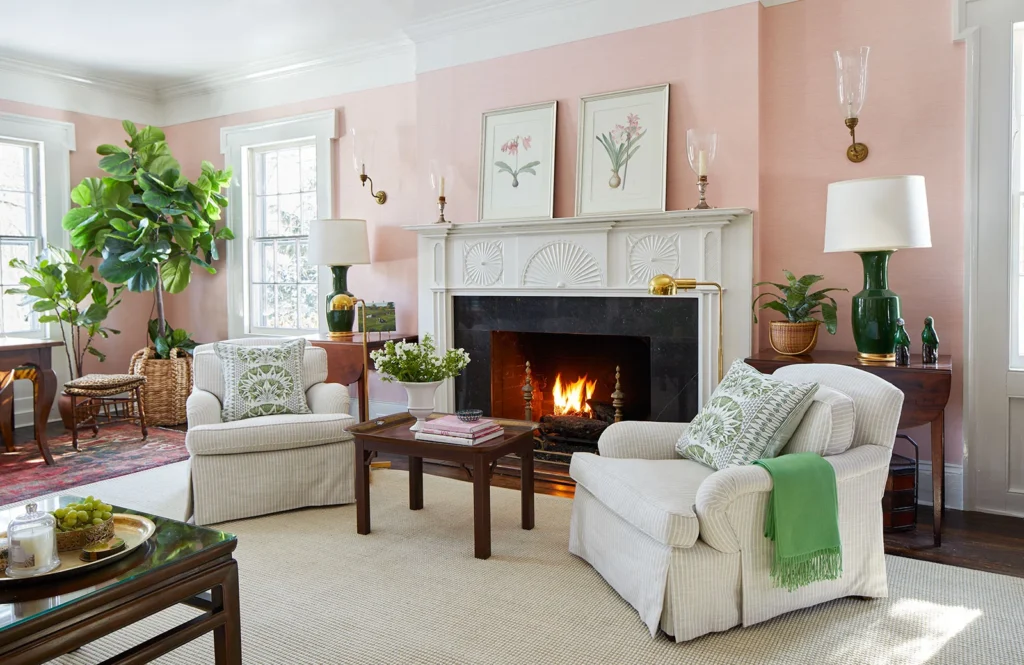
The first rule of decorating an older home is to recognize what makes the property unique. Original plaster, crown molding, or hardwood floors are not obstacles; they are design assets that can become focal points. Start with a thorough walkthrough, noting features that deserve preservation, such as:
- Period woodwork (wainscoting, chair rails, built‑in cabinets)
- Architectural elements (arched doorways, stained‑glass windows)
- Historic flooring (wide‑plank pine, terrazzo, original tiles)
Once you’ve cataloged these elements, decide which will stay as‑is and which may need gentle restoration. A fresh coat of paint on a faded ceiling can revive a room, while a professional refinishing of hardwood can highlight its grain. When you understand the character you’re working with, every subsequent design decision—furniture placement, lighting, accessories—will complement rather than compete.
How to Decorate an Older Home: Choosing the Right Color Palette
Color is the most flexible tool for bridging the gap between old and new. Neutral tones such as warm greys, soft beiges, or muted sage provide a subtle backdrop that lets historic details shine. If you’re drawn to a bolder look, consider a muted accent wall in a deep navy or sage green; these hues echo classic palettes while still feeling contemporary.
For inspiration on pairing neutrals with modern accents, check out our Home Décor with Minimalist Color Palette: A Modern Guide. The guide demonstrates how a restrained color scheme can make antique moldings appear more refined, and how strategic splashes of color in textiles or artwork add visual interest without overwhelming the space.
Revitalizing Key Rooms Without Major Overhauls
Older homes often have rooms that were designed for past lifestyles—formal dining rooms, parlors, or separate kitchens. Instead of gut‑renovating, think in terms of functional updates that respect the original layout.
Living Room: Modern Comfort Meets Vintage Charm
Begin by anchoring the room with a sofa that respects scale. Oversized contemporary pieces can dwarf a modest Victorian parlor, while a sleek low‑profile sofa may feel out of place in a grand, high‑ceilinged room. Opt for a mid‑century modern sofa with tapered legs; it offers a timeless silhouette that pairs well with both period woodwork and newer décor.
Layer in texture through rugs, throw pillows, and curtains. A hand‑woven rug can echo the artisanal quality of older floors, while linen curtains soften harsh light from original sash windows. For a touch of modern flair, add a minimal coffee table in matte black or brushed brass.
Kitchen: Blending Classic Details with Functional Design
The kitchen is often the most challenging space in an older home, especially when original cabinets are small or lack modern storage solutions. Instead of replacing them outright, consider refacing with new doors that maintain the original frame. This preserves the historic feel while giving you a fresh surface.
If you need inspiration on how to keep countertops sleek, our article Minimalist Kitchen Counter Styling: Simple Tips for a Sleek Space showcases strategies for pairing simple hardware with clean surfaces, creating a balanced aesthetic that feels both historic and current.
Bedroom: A Calm Retreat with Heritage Touches
In a bedroom, comfort is king. Preserve any original built‑in wardrobes or ceiling fixtures, then introduce a contemporary headboard that adds visual weight without hiding the room’s character. Soft, layered bedding in natural fibers such as cotton or linen works beautifully with older wood floors, offering a tactile connection to the house’s past.
For more ideas on creating a serene sleeping sanctuary, see Simple Bedroom Décor Inspiration: Easy Ideas for a Calm Retreat. The article walks through selecting soothing colors, arranging bedside tables, and using artwork to tie the room together.
Integrating Modern Fixtures and Technology

While preserving historic elements is essential, a comfortable home also needs modern conveniences. Upgrading lighting, plumbing, and electrical systems should be done with discretion.
Lighting: From Chandeliers to LED Strips
Original fixtures like crystal chandeliers can be rewired with LED bulbs for energy efficiency while maintaining their antique allure. In rooms where the ceiling is low, replace bulky sconces with slim, adjustable wall lights that highlight crown molding without crowding the space.
Consider adding smart switches for convenience. Our guide Toggle vs Decora: Navigating the World of Light Switches explains how to choose sleek, modern switches that blend seamlessly with traditional décor.
Smart Home Integration Without Visual Clutter
Wireless speakers, thermostats, and security cameras can be concealed within existing cabinetry or mounted discreetly on walls. Choose devices with neutral finishes—matte white or brushed metal—to avoid visual competition with period details.
Furniture Selection: Balancing Scale, Style, and Function
Furniture is the most visible expression of how to decorate an older home. The key is to choose pieces that respect the architectural scale while offering everyday comfort.
- Scale: Measure doorways, ceiling heights, and window trims. A massive sectional may dominate a modest Edwardian hallway, whereas a low, streamlined sofa can sit comfortably beneath an ornate ceiling medallion.
- Style Fusion: Pair a mid‑century coffee table with a Victorian armchair. The contrast creates visual intrigue without feeling chaotic.
- Function: Multi‑purpose furniture—such as an ottoman with hidden storage—helps keep clutter at bay, especially in homes where original closets are small.
For budget‑friendly ideas on arranging compact living areas, read Budget Small Living Room Decorating Ideas: Affordable Style for Compact Spaces. The article offers clever layout tricks that work equally well in older homes with limited floor plans.
Quick Home Décor Tips for Older Properties
- Use area rugs to define zones and protect original flooring.
- Refresh old woodwork with a clear matte sealant to highlight grain without a heavy paint finish.
- Introduce built‑in shelving to showcase antiques while adding modern storage.
- Swap out heavy drapery for light, floor‑to‑ceiling curtains that let natural light emphasize historic windows.
- Mix metal finishes—brass, black, and brushed nickel—to create a layered, curated look.
Common Mistakes When Decorating an Older Home and How to Avoid Them
Even well‑intentioned homeowners can fall into pitfalls that diminish a historic property’s charm.
Over‑Painting or Ignoring Original Colors
Painting over original plaster or trim with harsh, saturated colors can mask intricate details. Instead, opt for soft, complementary hues and keep trim in a crisp white or muted neutral to let the architecture breathe.
Choosing Furniture That Overwhelms the Space
Bulky, over‑styled furniture can make rooms feel cramped, especially when ceiling heights are modest. Stick to pieces with a lean profile and consider floating furniture away from walls to create a sense of openness.
Neglecting Proper Lighting
Older homes often rely on a single chandelier or outdated fixtures. Incorporate layered lighting—ambient, task, and accent—to highlight architectural features and improve functionality.
Frequently Asked Questions
Can I keep original wallpaper in an older home?
Yes, provided it is in good condition. Original wallpaper adds authentic texture and can be complemented with modern paint on adjacent walls. If the pattern feels dated, consider painting over it with a neutral hue while preserving sections as accent features.
What flooring options work best in historic homes?
Preserving original hardwood is ideal; refinishing can restore its shine. If the floor is beyond repair, install reclaimed wood that matches the era’s dimensions and grain. Luxury vinyl planks designed to mimic wood can also be a practical alternative for high‑traffic areas.
How do I blend modern technology without disrupting the historic vibe?
Choose devices with minimalist designs—flat‑panel smart thermostats, recessed lighting, and wireless speakers that can be hidden in crown molding or behind wall art. Running cables through existing conduit or under floorboards keeps the visual clutter to a minimum.
Is it worth investing in custom millwork?
Custom millwork can be a worthwhile investment when you want to replicate or restore missing architectural details. It adds value and maintains aesthetic continuity, especially in rooms where original trim has been lost.
How can I make a small older home feel larger?
Use light, reflective colors on walls and ceilings, incorporate mirrors opposite windows, and select furniture with exposed legs to create visual space. Open‑plan layouts can be achieved by removing non‑load‑bearing walls, but always consult a structural engineer first.
Putting It All Together: A Step‑by‑Step Action Plan
Now that you have the foundational concepts, here’s a concise roadmap to guide your project from start to finish:
- Assessment: Walk through each room, photograph architectural details, and list items you want to preserve.
- Plan the Palette: Choose a neutral base color, then decide on 1–2 accent shades that complement historic elements.
- Update Systems: Upgrade lighting, electrical, and plumbing with discreet modern fixtures.
- Select Furniture: Pick pieces that respect scale and style; prioritize multifunctional items.
- Layer Textures: Add rugs, cushions, and curtains that echo the home’s era while providing comfort.
- Incorporate Technology: Install smart devices that blend into the design.
- Final Touches: Hang artwork, display cherished antiques, and add greenery for freshness.
Following this sequence ensures each decision builds on the last, resulting in a cohesive, stylish environment that honors the past while serving today’s needs.
Decorating an older home is a rewarding adventure. By thoughtfully balancing preservation with contemporary upgrades, you create a space that feels timeless, functional, and deeply personal. Take the first step, trust your instincts, and let the character of your home guide the design journey.