
Table of Contents
- How to Decorate a Historic Home: Balancing Preservation and Modern Living
- Researching the Era: Authentic Inspiration for Your Décor Choices
- Color Palette Considerations When How to Decorate a Historic Home
- Choosing Furniture That Complements Historic Architecture
- Layering Textiles and Accessories for Depth
- Lighting Strategies That Highlight Architectural Features
- Preserving Original Details While Adding Modern Comforts
- Quick Décor Tips for Immediate Impact
- Common Mistakes to Avoid When Decorating a Historic Home
- Frequently Asked Questions
- Can I paint a historic home without losing its character?
- Is it okay to mix modern furniture with antique pieces?
- How do I improve energy efficiency in a historic house?
- Should I hire a professional preservationist?
- What are safe ways to add lighting without damaging original ceilings?
- Can I use wallpaper in a historic home?
How to Decorate a Historic Home: Timeless Design Tips
Historic homes carry stories within their walls, from ornate cornices to original hardwood floors. Decorating such a space is a rewarding challenge that asks you to honor the past while making the house feel livable for today’s lifestyle. Whether you have just acquired a Victorian cottage or a colonial farmhouse, understanding the balance between preservation and personal expression will help you create a home that feels both authentic and comfortable.
In this guide we’ll walk through the essential steps for how to decorate a historic home, covering everything from research and planning to color choices, furniture selection, and finishing touches. You’ll learn how to keep the architectural integrity intact, avoid common pitfalls, and add modern flair without overwhelming the original character. By the end, you’ll have a clear roadmap to transform a historic property into a warm, functional, and stylish residence.
How to Decorate a Historic Home: Balancing Preservation and Modern Living
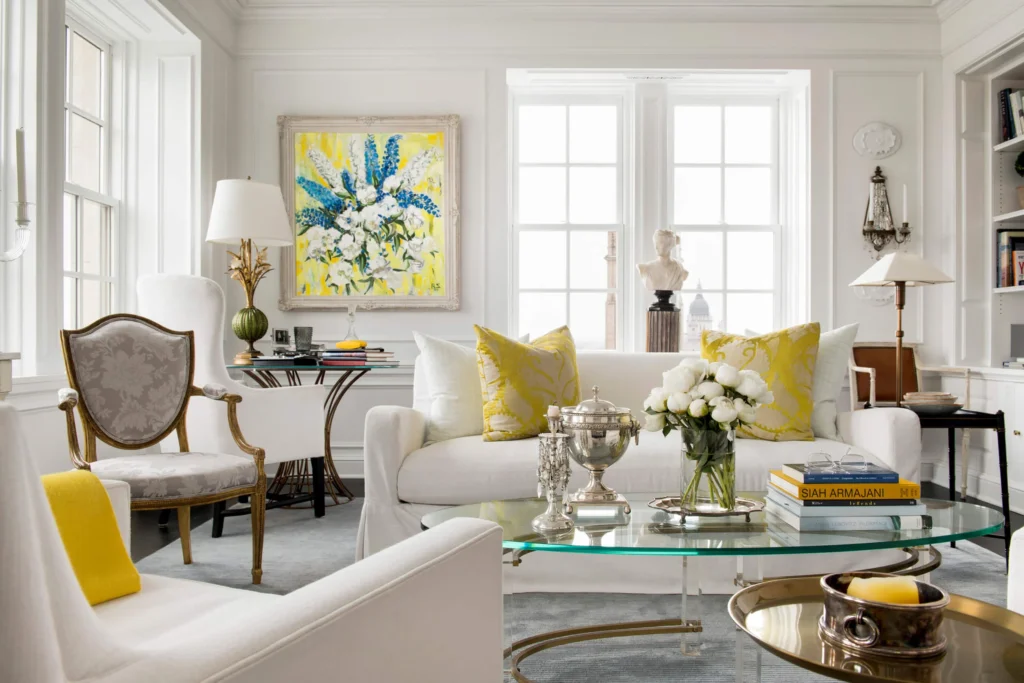
Before you move a single piece of furniture, start with a thorough assessment of the home’s architectural features. Identify original elements—such as crown molding, wainscoting, or fireplaces—that you want to highlight. Document any damage or necessary repairs, and consider consulting a preservation specialist if the building is listed or subject to local guidelines. This groundwork ensures that every design decision supports the overall goal of preserving the home’s unique character.
Next, define the style narrative you wish to create. A historic house does not have to be frozen in time; rather, think of it as a canvas where contemporary comforts sit alongside period details. Choose a unifying theme—like “modern colonial” or “industrial Victorian”—that respects the original architecture while giving you room to introduce current trends. This thematic clarity will guide your choices for furniture, textiles, and accessories, keeping the look cohesive.
Researching the Era: Authentic Inspiration for Your Décor Choices
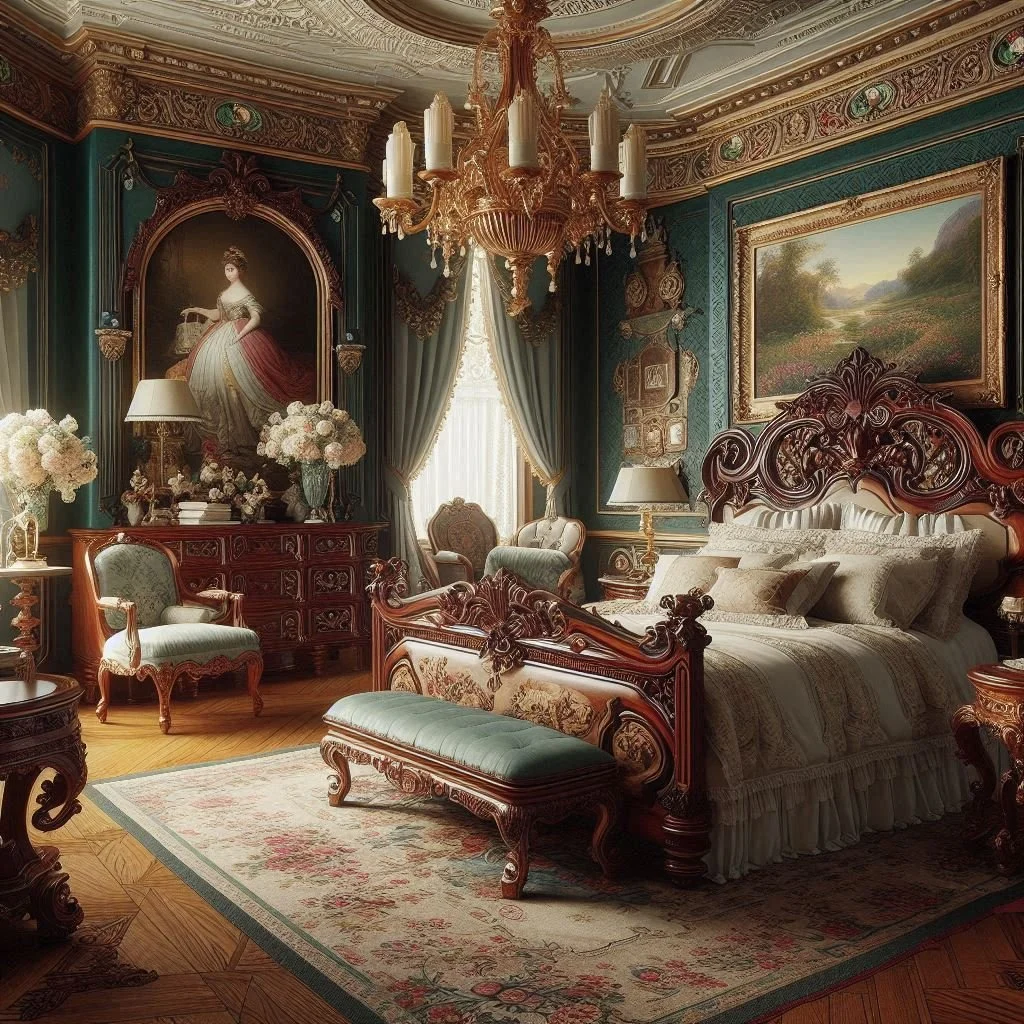
Understanding the era of your home provides a valuable reference point for color palettes, patterns, and material finishes. Dive into historic design books, museum archives, or even period photographs to grasp the visual language of the time. For instance, a 1920s bungalow may feature muted earth tones and simple geometric motifs, while an 1800s Georgian residence often showcases richer hues and intricate plasterwork.
Once you have a clear picture of the original style, you can decide where to stay faithful and where to deviate. Authentic touches—such as reproducing a period‑appropriate wallpaper or restoring original flooring—can be blended with modern pieces to create depth. If you’re unsure about the right balance, start small: incorporate one or two historically inspired elements and build from there.
Color Palette Considerations When How to Decorate a Historic Home
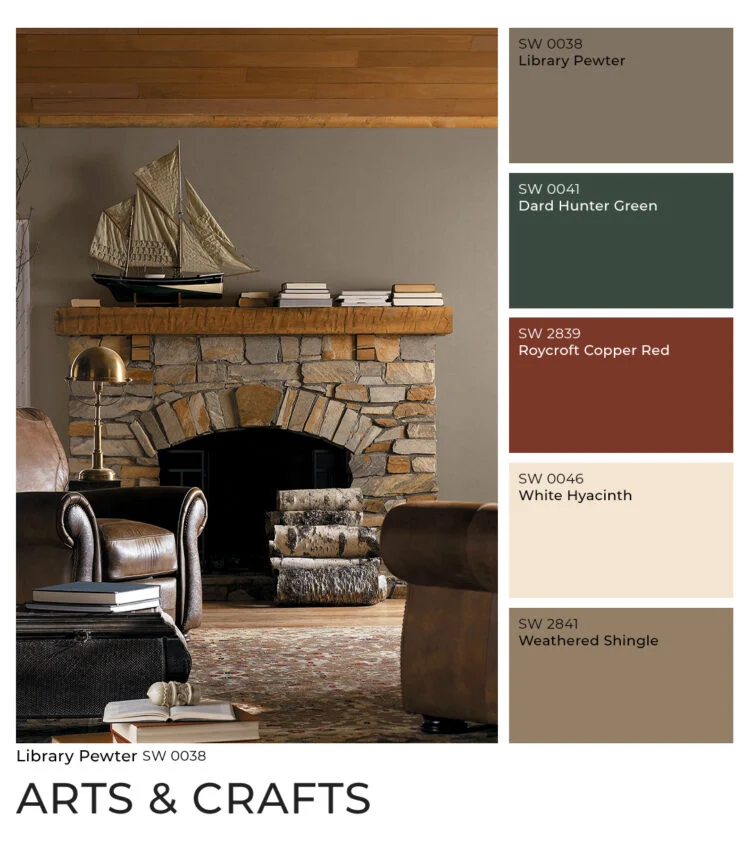
Color is one of the most influential tools in shaping the atmosphere of a historic residence. Many older homes were painted in colors that complemented natural light and the surrounding landscape. To honor this, begin by testing sample swatches on walls that receive similar lighting to the original rooms. Look for subtle, muted shades that echo historic palettes, then pair them with contemporary accents for a fresh twist.
For a practical example, see our guide on Wickham Gray vs Sea Salt – The Ultimate Guide to Choosing the Right Paint Color for Your Home. The article illustrates how a timeless gray can serve as a sophisticated backdrop while allowing vibrant décor pieces to shine. Remember that ceiling colors, trim finishes, and even hardware finishes contribute to the overall cohesion of the space.
Choosing Furniture That Complements Historic Architecture
When selecting furniture, think about scale, proportion, and material. Oversized modern sofas can dominate a modest Victorian parlor, while delicate antique chairs may feel out of place in a spacious colonial dining room. Opt for pieces that echo the room’s original dimensions and architectural rhythm. For example, a sleek, low‑profile sectional works well in a grand living room with high ceilings, whereas a mid‑century armchair can add subtle contrast without overwhelming the space.
Mixing new and old is a hallmark of successful historic home décor. Pair a reclaimed wood side table with a contemporary leather sofa, or place a vintage rug beneath a modern coffee table. This juxtaposition creates visual interest while keeping the room functional. If you need inspiration for arranging living room furniture, check out our article on Living Room Décor with Woven Décor Stools: A Complete Guide, which offers layout ideas that work beautifully in period‑specific settings.
Layering Textiles and Accessories for Depth
Textiles are an easy way to introduce color, pattern, and comfort without altering the historic fabric of the house. Choose fabrics that reference the era—such as damask, toile, or linen—and layer them with contemporary throws, cushions, and curtains. This approach adds warmth and personality while maintaining respect for the original architecture.
Wall décor can also enhance the story of the home. Hand‑crafted pieces, vintage mirrors, or a curated gallery of historic photographs provide visual anchors that celebrate the property’s past. For creative wall ideas, read Easy Handmade Wall Décor Ideas to Transform Any Space. The guide demonstrates how simple, DIY projects can become focal points in a historic setting.
Lighting Strategies That Highlight Architectural Features
Proper lighting does more than illuminate a room; it accentuates the unique details of a historic home. Use a layered lighting plan that includes ambient, task, and accent lighting. Chandeliers or brass sconces echo the era’s elegance, while recessed LED strips provide modern efficiency without drawing attention to themselves.
Consider installing dimmers to adjust the mood throughout the day. Placing uplights behind a restored fireplace mantel, or adding directional spotlights to highlight decorative ceiling medallions, can draw the eye to the craftsmanship that makes historic homes special. When selecting fixtures, look for designs that blend vintage silhouettes with contemporary technology—such as LED bulbs in antique‑style glass shades.
Preserving Original Details While Adding Modern Comforts
Modern living demands conveniences like climate control, Wi‑Fi, and ample storage. Integrating these without compromising historic integrity is a core part of how to decorate a historic home. Opt for unobtrusive solutions: a slim‑profile HVAC system concealed in a closet, wireless routers hidden behind decorative bookshelves, or built‑in storage that follows the lines of original wall paneling.
Restoration projects, such as refinishing original hardwood floors or repairing plaster, provide an opportunity to improve functionality while preserving character. When possible, use reversible methods—like removable wallpaper or non‑permanent hardware—so future owners can adapt the space without damage. This forward‑thinking approach respects both the past and the future of the home.
Quick Décor Tips for Immediate Impact
- Swap out heavy drapes for light linen curtains to brighten historic rooms.
- Introduce a statement rug that reflects the era’s pattern but uses modern fibers.
- Use vintage-inspired hardware on cabinets to reinforce the period feel.
- Add a few curated antique accessories on shelves for authenticity.
- Incorporate plants in handcrafted planters to bring life without altering walls.
Common Mistakes to Avoid When Decorating a Historic Home
Many homeowners unintentionally diminish a historic property’s value by making overly aggressive changes. One frequent error is painting over original trim with a stark, modern color, which can erase the subtle elegance of the woodwork. Another pitfall is filling in ornate plaster details with drywall, losing craftsmanship that could have been restored.
Over‑furnishing is also a concern; crowding a room with too many pieces can obscure architectural highlights. Instead, curate a selective collection that lets the building’s features breathe. Finally, neglecting proper research about preservation regulations can lead to costly corrections. Always check local guidelines before making structural alterations.
Frequently Asked Questions
Can I paint a historic home without losing its character?
Yes, if you choose colors that complement the original palette and apply them to appropriate surfaces. Testing samples and preserving trim or decorative molding helps maintain the historic feel while refreshing the space.
Is it okay to mix modern furniture with antique pieces?
Mixing styles is encouraged when done thoughtfully. Balance is key—pair a modern sofa with a period‑appropriate rug or a vintage side table to create a dialogue between old and new without overwhelming either.
How do I improve energy efficiency in a historic house?
Use discreet upgrades such as weatherstripping, insulated windows that mimic original frames, and high‑efficiency HVAC systems hidden in closets or attics. These measures enhance comfort while preserving aesthetics.
Should I hire a professional preservationist?
If the home is listed or has significant historic features, consulting a preservationist can guide you through acceptable interventions and ensure you comply with local regulations.
What are safe ways to add lighting without damaging original ceilings?
Opt for surface‑mounted fixtures that attach to existing joists or use reversible adhesive hooks for temporary décor. Recessed lighting can be installed in non‑structural areas to keep the ceiling’s integrity intact.
Can I use wallpaper in a historic home?
Absolutely—choose patterns that echo the era or use modern designs in a subtle tone. When applying, consider removable wallpaper for future flexibility and to protect the original wall surface.
Decorating a historic home is a journey that blends reverence for the past with the conveniences of today. By researching the era, respecting original details, and thoughtfully integrating modern elements, you create a living space that feels both timeless and personal. Apply these strategies, experiment with textures and colors, and let the character of your home shine through every design choice. For more inspiration, explore our other guides on interior styling and budget‑friendly décor ideas at The Homara.