
Table of Contents
- Understanding the Basics of How to Decorate a Desk at Home
- How to Decorate a Desk at Home: Choosing a Color Palette
- Lighting Solutions That Elevate Your Desk
- Incorporating Greenery and Natural Elements
- Choosing Functional Yet Stylish Desk Accessories
- Maximizing Small Spaces: Compact Desk Solutions
- Quick Tips for a Polished Desk Look
- Common Mistakes and How to Avoid Them
- Frequently Asked Questions
- What is the best material for a desk surface when decorating?
- How can I make a small desk feel larger?
- Is it okay to mix patterns on a desk?
- Can I incorporate technology without ruining the décor?
- How often should I refresh my desk décor?
- Where can I find inspiration for integrating desk décor with other rooms?
How to Decorate a Desk at Home: A Complete Guide
Creating a workspace that feels both functional and inviting is essential whether you work from home, study, or simply enjoy a hobby at a table. A well‑styled desk can boost productivity, reduce stress, and become a visual centerpiece in your living area. Yet many people overlook the small details that turn a plain surface into a curated zone. In this guide we’ll explore practical, modern, and affordable ways to personalize your desk, balance aesthetics with utility, and keep the area organized without sacrificing style.
From selecting the right lighting to choosing complementary accessories, each decision contributes to a cohesive look that reflects your personality. You’ll discover how to blend color, texture, and greenery while maintaining the ergonomics you need for long hours of work. Let’s dive into the step‑by‑step process of how to decorate a desk at home so you can enjoy a space that feels both productive and inspiring.
Understanding the Basics of How to Decorate a Desk at Home
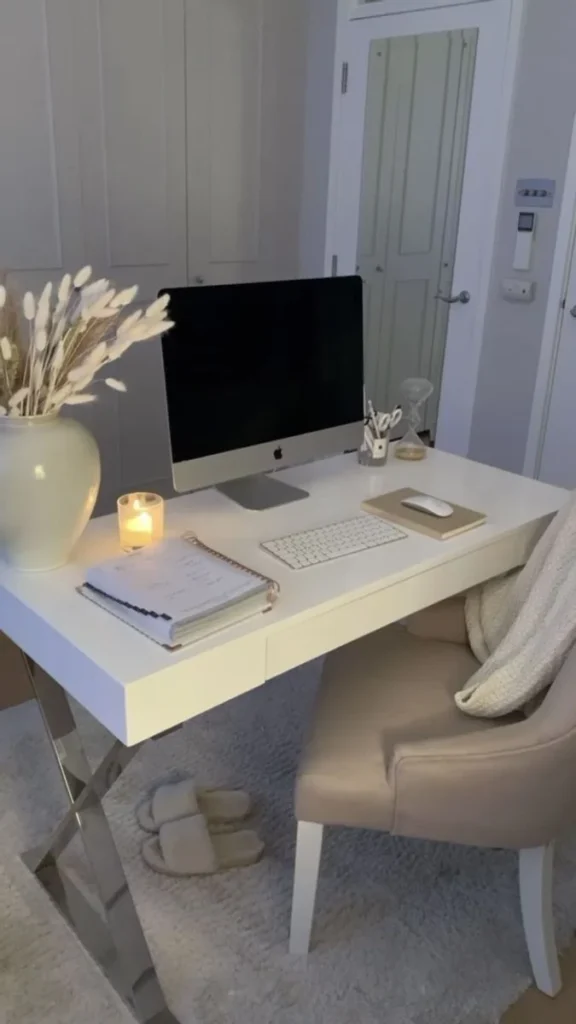
Before you start adding decorative items, it’s important to assess the functional requirements of your desk. The primary goal is to create a surface that supports your daily tasks—computer work, writing, crafting—while also providing storage for essential tools. Identify the essential zones: a work zone (monitor, keyboard), a storage zone (drawers, trays), and a personal zone (photos, plants). Once these zones are clear, you can layer decorative elements without cluttering the workspace.
One effective method is to adopt a “three‑layer” approach. The first layer is the base—your desk surface and any built‑in storage. The second layer adds functional accessories such as a monitor stand, cable organizers, and a desk pad. The third layer introduces personality through decorative items like a small vase, a framed artwork, or a stylish lamp. This hierarchy ensures that aesthetics enhance, rather than impede, functionality.
How to Decorate a Desk at Home: Choosing a Color Palette
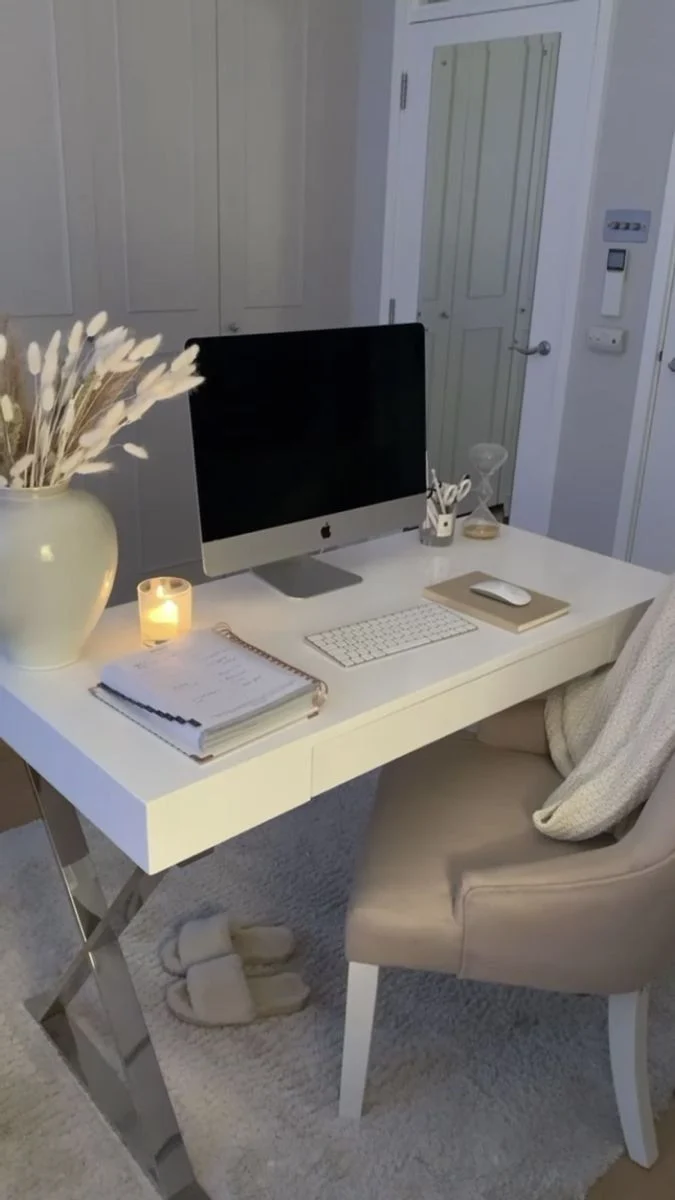
Color sets the tone for the entire area. Neutral tones—soft whites, warm grays, or muted taupes—create a calm backdrop that works well with any accent. If you prefer a pop of color, consider adding a bold desk organizer or a patterned mouse pad. To keep the look cohesive, limit your palette to three main colors: a base, a secondary, and an accent. For example, a light wood desk (base), navy blue storage boxes (secondary), and a mustard yellow plant pot (accent) create a balanced visual rhythm.
When selecting paint or finishes for a desk, remember that a matte surface hides fingerprints and reduces glare, while a glossy finish can make a small desk appear larger. If you are repainting a wooden desk, a subtle chalk paint in a pastel hue can instantly refresh the piece without a full overhaul.
Lighting Solutions That Elevate Your Desk
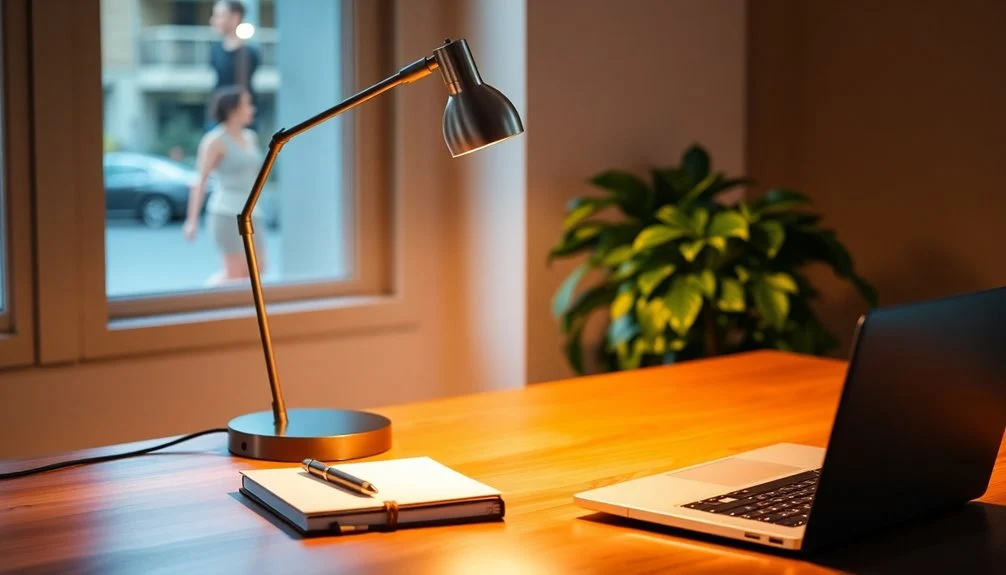
Lighting is a critical component of any workspace. Proper illumination reduces eye strain and adds a layer of style. A combination of ambient, task, and accent lighting works best. Ambient lighting can come from a ceiling fixture or a floor lamp that fills the room with soft light. Task lighting—usually a desk lamp—should be positioned to eliminate shadows on your work surface. Accent lighting, such as LED strips behind a monitor or a small decorative lamp, adds visual interest when the room is dimmed.
When selecting a desk lamp, look for adjustable arms and dimmable bulbs. A lamp with a sleek metallic finish or a matte ceramic base can become a decorative focal point. For a modern touch, consider a lamp with a built‑in wireless charger; this integrates technology seamlessly into the décor.
Incorporating Greenery and Natural Elements

Plants breathe life into a desk setup. They improve air quality and provide a calming visual break. Choose low‑maintenance varieties such as succulents, pothos, or a small snake plant. A single pot on the left side of the desk can balance a monitor on the right, creating symmetry. If space is limited, opt for a hanging planter or a slim vertical garden that attaches to a wall near the desk.
For a cohesive look, match the pot’s material with other desk accessories. A ceramic pot in a muted shade complements a wooden desk, while a metal planter pairs well with industrial‑style accessories. If you enjoy seasonal décor, swap out plants and pots throughout the year to keep the space fresh.
Choosing Functional Yet Stylish Desk Accessories
Accessories are the glue that binds functionality and style. Here are a few key items to consider:
- Desk organizer trays: Use matching trays for pens, paper clips, and sticky notes. Transparent acrylic trays keep the visual weight low.
- Monitor riser: Elevates the screen to eye level, reduces neck strain, and creates a hidden compartment underneath for notebooks or a keyboard.
- Cable management: Cable clips, sleeves, or a simple zip tie keep cords tidy. A bamboo cable organizer adds a natural texture.
- Desk pad: A leather or felt pad protects the surface and defines the work zone. Choose a color that contrasts with the desk for visual separation.
- Personal touches: A framed photo, a small sculpture, or a motivational quote in a sleek frame adds personality without overwhelming the space.
When selecting accessories, aim for a consistent material palette. For instance, if you have a metal monitor stand, choose metal pen holders and a metal desk lamp to maintain harmony.
Maximizing Small Spaces: Compact Desk Solutions
Living in a small apartment often means the desk shares a room with other furniture. To keep the area uncluttered, consider multi‑functional furniture. A wall‑mounted floating desk frees up floor space and provides a clean, minimalist look. Pair it with wall shelves that hold books, décor, and small plants.
Another solution is a fold‑down desk that can be tucked away when not in use. When choosing a compact desk, prioritize depth over width; a deeper surface allows you to place a laptop and a notepad comfortably without needing a large footprint.
For inspiration on how to blend your desk into a broader room design, check out our living room accent décor ideas. The principles of balance and focal points apply across rooms, helping you create a seamless transition from workspace to living area.
Quick Tips for a Polished Desk Look
- Keep the top surface clear: only essential items should sit on the desktop.
- Use a cohesive color scheme for all accessories.
- Introduce one or two natural elements, like a plant or a wooden tray.
- Upgrade lighting with a dimmable desk lamp.
- Rotate décor seasonally to keep the space feeling fresh.
Common Mistakes and How to Avoid Them
Even with the best intentions, certain pitfalls can undermine a beautifully decorated desk. Here are the most frequent errors and simple fixes:
- Overcrowding the surface: Too many items create visual noise. Stick to the “three‑layer” rule and store surplus items in drawers.
- Mismatched styles: Mixing ultra‑modern metal with rustic wood can feel chaotic. Choose a unifying style—either modern minimalism or warm eclectic—and stick to it.
- Poor lighting placement: Positioning a lamp behind the monitor causes glare. Place task lighting to the side or behind the monitor, angled toward the work area.
- Ignoring ergonomics: Aesthetic choices should never compromise comfort. Ensure your chair height, monitor level, and keyboard position support healthy posture.
- Neglecting cable management: Tangled cords look sloppy and can be hazardous. Use cable trays, clips, or sleeves to keep cords hidden.
Frequently Asked Questions
What is the best material for a desk surface when decorating?
Wood offers warmth and versatility, blending well with both modern and traditional décor. Laminated surfaces are durable and budget‑friendly, while metal or glass desks create a sleek, contemporary feel. Choose a material that complements the overall style of your room and supports the accessories you plan to use.
How can I make a small desk feel larger?
Use light colors for the desk and surrounding walls, keep the surface clutter‑free, and incorporate reflective surfaces such as a glass desk pad or a metallic lamp. Vertical storage—like wall shelves—draws the eye upward, creating the illusion of more space.
Is it okay to mix patterns on a desk?
Yes, but do so sparingly. Pair a patterned mouse pad with solid‑color accessories, or use a subtle patterned desk runner under a plain lamp. The key is to balance pattern with neutral elements to avoid visual overwhelm.
Can I incorporate technology without ruining the décor?
Absolutely. Choose accessories that hide tech, such as a monitor riser with a built‑in cable box, or a wireless charger that doubles as a decorative block. Decorative speaker covers or sleek headphone stands can blend seamlessly with the overall look.
How often should I refresh my desk décor?
Seasonal updates—like swapping plant pots, changing a small decorative object, or rotating artwork—keep the space dynamic. A full refresh every six to twelve months allows you to incorporate new trends while maintaining a functional workspace.
Where can I find inspiration for integrating desk décor with other rooms?
Our guide on simple plant pot ideas shows how to use greenery across different spaces. Applying similar plant selections and pot styles creates a cohesive flow from kitchen to workspace.
By following these guidelines on how to decorate a desk at home, you can transform a simple piece of furniture into a stylish, productive hub. Remember to prioritize function, choose a harmonious color palette, and incorporate personal touches that make the space uniquely yours. When the desk feels inviting, it becomes easier to focus, create, and enjoy the time you spend there.
Ready to give your desk a makeover? Start with one small change—perhaps a new lamp or a plant—and build from there. For more ideas on creating a harmonious home environment, explore other articles on The Homara, where modern home décor meets practical design.