
Table of Contents
- How to Decorate a Colonial Home: Fundamental Principles
- How to Decorate a Colonial Home: Choosing Color Palettes
- Living Areas: Marrying Colonial Charm with Modern Comfort
- Bedrooms: Creating Restful Colonial Retreats
- Kitchen: Blending Historical Elements with Contemporary Function
- Outdoor Spaces: Extending Colonial Elegance Beyond the Walls
- Quick Home Décor Tips
- Common Mistakes to Avoid When Decorating a Colonial Home
- Frequently Asked Questions
Colonial homes carry a rich heritage of craftsmanship, symmetry, and understated elegance. Whether you’ve inherited a historic property or purchased a newly built replica, understanding how to decorate a colonial home can transform a simple structure into a warm, inviting sanctuary that respects its past while embracing today’s lifestyle.
This guide walks you through the essential design principles, material choices, and room‑by‑room ideas that honor colonial architecture without feeling dated. From selecting the right color palette to blending modern furniture with period‑appropriate accessories, you’ll learn practical steps that make the decorating process both enjoyable and results‑driven.
By the end of this article, you’ll have a clear roadmap to curate a cohesive look that celebrates the timeless character of your colonial home while ensuring every space feels functional, stylish, and truly yours.
How to Decorate a Colonial Home: Fundamental Principles
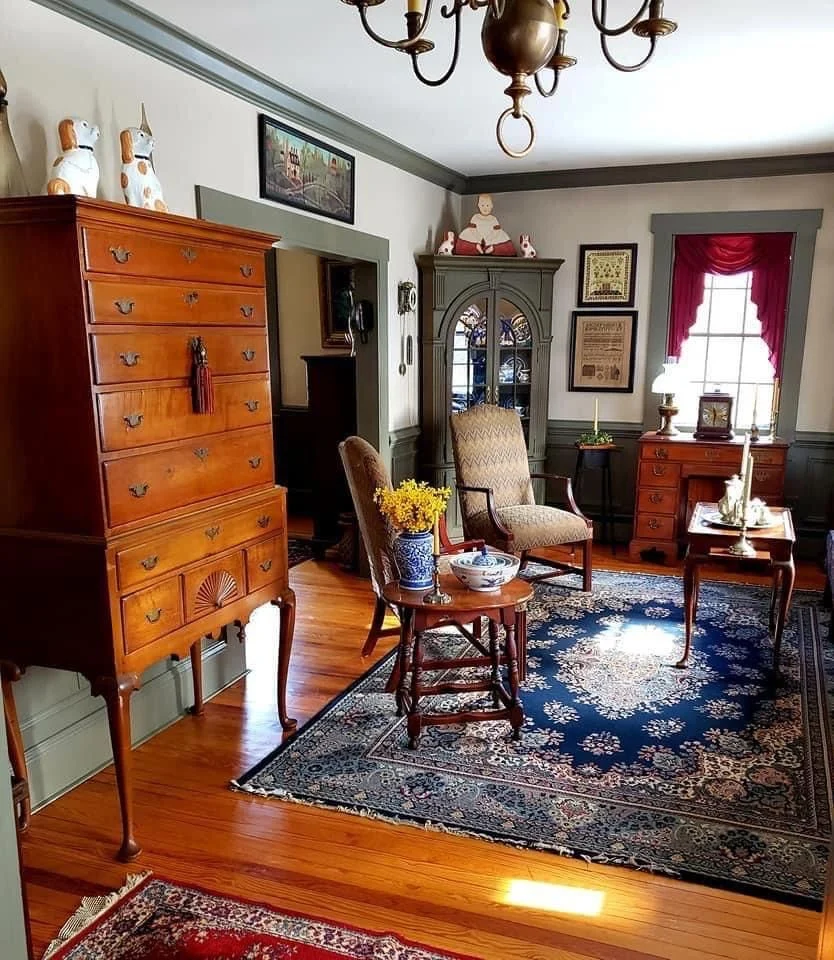
Before you choose paint colors or furniture, start with the architecture itself. Colonial homes are defined by balanced façades, gabled roofs, and evenly spaced windows. Preserve these elements by keeping window treatments light, using simple moldings, and emphasizing symmetry in furniture placement. A well‑chosen base color—often a muted neutral like cream, soft gray, or warm taupe—creates a calm backdrop that lets architectural details shine.
When thinking about how to decorate a colonial home, remember that less is more. Avoid overcrowding rooms with overly ornate pieces; instead, let the original woodwork, fireplaces, and built‑in cupboards speak for themselves. Pair these historic features with modern, streamlined furniture to achieve a harmonious blend of old and new.
How to Decorate a Colonial Home: Choosing Color Palettes
Historical palettes leaned toward earthy hues—sage greens, muted blues, and buttery yellows. Today, you can reinterpret those shades with contemporary finishes. Consider a two‑tone approach: a soft, warm wall color complemented by a deeper accent on one wall or in a hallway. This technique adds depth without overwhelming the space.
- Neutral Base: Choose a light, warm neutral for the majority of walls.
- Accent Color: Use a muted, historically inspired hue on a feature wall or within built‑ins.
- Trim & Crown Molding: Paint trim in crisp white or a subtle off‑white to highlight architectural lines.
For a fresh perspective, explore our article on small living room wall décor ideas to see how a well‑chosen accent can transform a modest space.
Living Areas: Marrying Colonial Charm with Modern Comfort
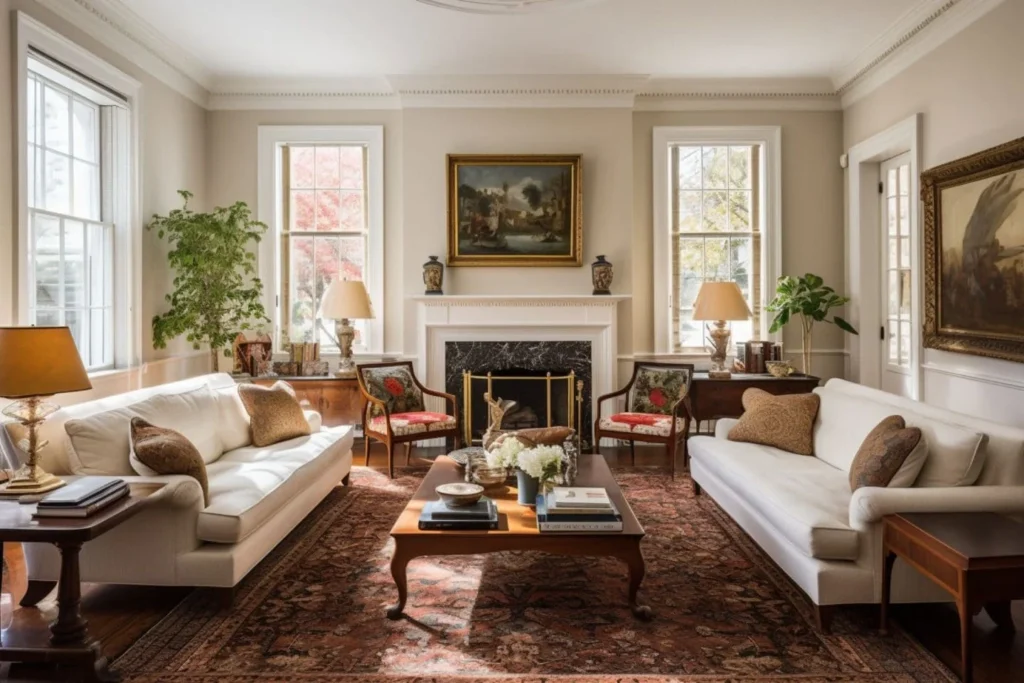
The living room is often the heart of a colonial home. To answer how to decorate a colonial home’s living area, start by anchoring the space with a traditional fireplace mantel. Keep mantel décor simple: a pair of brass candlesticks, a framed landscape, or a modest mirror.
Furniture should respect scale. Opt for sofas with clean lines, perhaps in a linen fabric, and add a pair of armchairs with subtle wooden legs that echo the home’s original timber. A large, natural‑fiber rug—think jute or sisal—adds texture while staying true to the historic feel.
Incorporate built‑in shelving or bookcases that match the original woodwork. Display a curated collection of vintage books, ceramics, or family heirlooms to reinforce the narrative of the house.
Bedrooms: Creating Restful Colonial Retreats
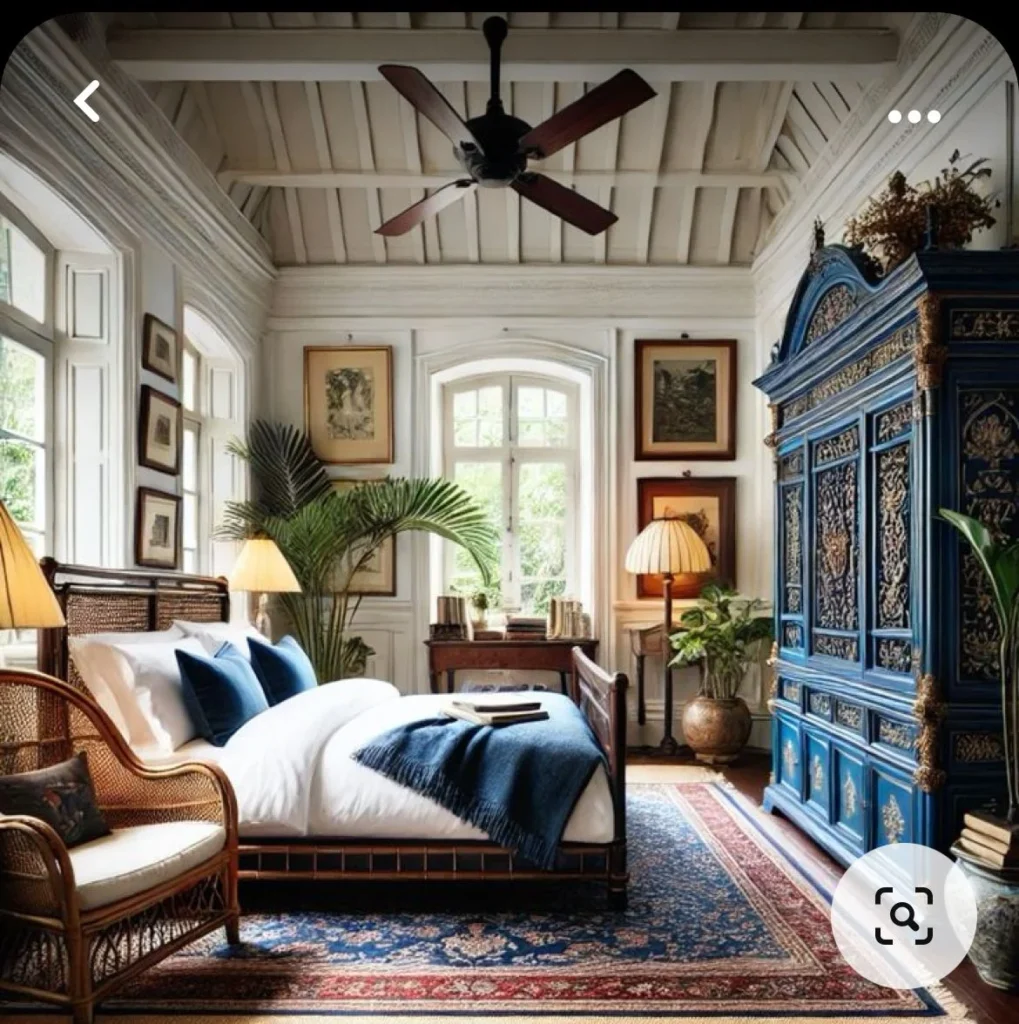
When it comes to how to decorate a colonial home’s bedroom, think serenity. Choose a platform bed with a modest headboard, preferably in reclaimed wood or painted to match the trim. Dress the bed with crisp, high‑thread‑count linens in whites or soft pastels.
Nightstands should be modest—perhaps antique dressers or simple wooden tables that echo the era’s craftsmanship. Add a pair of bedside lamps with cloth shades for a warm glow. Layering textiles—like a lightweight quilt, a woven throw, or a patterned rug—adds depth while keeping the space feeling airy.
For ideas on integrating color, see our guide on neutral bedroom styling ideas. The emphasis on understated hues aligns perfectly with colonial aesthetics.
Kitchen: Blending Historical Elements with Contemporary Function
The kitchen often presents the biggest challenge in a colonial home. To learn how to decorate a colonial home kitchen, focus on preserving existing wood cabinets or installing new ones that mimic the original profile—shaker style works well. Pair these with simple, brushed‑nickel hardware for a subtle modern touch.
Consider open shelving to display classic pottery, copper pans, or glass canisters—elements that echo a bygone era while staying functional. A farmhouse sink with a brushed brass faucet adds a period‑appropriate accent without sacrificing modern convenience.
For countertop material, white marble or light quartz maintains a bright, airy feel. Add a decorative yet functional piece like a set of glass containers—see our article on kitchen décor with glass containers for inspiration on stylish storage solutions.
Outdoor Spaces: Extending Colonial Elegance Beyond the Walls
Colonial homes often feature inviting front porches and spacious backyards. To answer how to decorate a colonial home’s exterior, start with the porch: install wooden railings, a swing or a set of wicker chairs, and add potted herbs or flowering plants for a touch of color.
Landscaping should be orderly—think symmetrical plantings, box hedges, and a well‑kept lawn. If you have a patio, choose wrought‑iron or wooden furniture with simple cushions in muted tones. A subtle stone pathway or a decorative gravel bed can echo the home’s historic footprint while providing a modern, low‑maintenance surface.
Quick Home Décor Tips
- Use crown molding to accentuate ceiling height and add visual interest.
- Mix vintage accessories with contemporary pieces for balanced contrast.
- Incorporate natural textures—linen, wool, and reclaimed wood—to soften hard surfaces.
- Keep window treatments light; sheer curtains allow natural light while preserving historic window frames.
- Layer lighting: combine chandeliers, wall sconces, and table lamps for flexible ambiance.
Common Mistakes to Avoid When Decorating a Colonial Home
Over‑Ornamentation: Filling rooms with excessive décor can drown the subtle elegance of colonial architecture. Choose a few statement pieces instead of cluttering every surface.
Ignoring Scale: Large, bulky furniture overwhelms the proportioned rooms typical of colonial layouts. Opt for pieces that respect the room’s dimensions.
Modern Overload: While contemporary touches are welcome, an all‑modern approach can clash with historic elements. Aim for a balanced mix that honors the original style.
Poor Paint Choices: Harsh, saturated colors can hide the delicate detailing of moldings and trim. Stick to muted, historically inspired palettes for a cohesive look.
Frequently Asked Questions
What colors work best for a colonial home?
Soft neutrals like warm whites, light greys, and muted earth tones complement the architecture. Accent walls in sage, muted navy, or buttery yellow can add depth without overwhelming the space.
Can I incorporate open‑concept layouts in a colonial home?
Yes, but preserve key architectural features such as original beams or fireplaces. Use subtle transitions—like a consistent flooring material—to maintain flow while respecting historic boundaries.
How do I blend modern furniture with colonial details?
Select contemporary pieces with clean lines and simple silhouettes. Pair them with traditional elements like reclaimed wood tables, brass accents, or classic textiles to create a harmonious balance.
Is it okay to replace original windows?
If the original windows are in good condition, restore them. If replacement is necessary, choose energy‑efficient windows that mimic the original sash style to keep the façade authentic.
What flooring works for colonial interiors?
Hardwood floors in natural finishes are ideal. For added warmth, consider wide‑plank boards or reclaimed wood that echo the period’s look.
How can I add curb appeal without major renovations?
Refresh the exterior paint in historically appropriate colors, update the front door with a classic style, and add symmetrical plantings or a simple porch swing for immediate impact.
Decorating a colonial home is a rewarding journey that blends reverence for history with the comforts of modern living. By focusing on proportion, texture, and a thoughtful color palette, you can create spaces that feel both timeless and fresh.
Start applying these principles today, and watch your colonial residence evolve into a home that tells a story—your story—while honoring the craftsmanship of a bygone era. For more inspiration, explore additional guides on The Homana, and let each room become a chapter of elegant, lived‑in history.