
Table of Contents
- Understanding Diatomaceous Earth and Why It Sticks
- Immediate Actions When You Notice a Spill
- how to clean diatomaceous earth from carpet – step by step guide
- how to clean diatomaceous earth from carpet using a vacuum
- Apply a gentle absorbent powder
- Spot‑clean with a mild solution
- Rinse and dry
- Protecting Your Carpet After Cleaning
- When Professional Help Is Needed
- Quick Tips for Ongoing Carpet Care
- Common Mistakes to Avoid
- Frequently Asked Questions
Spilling diatomaceous earth on a carpet can feel like a disaster, especially if you use it for pest control or gardening. The fine, powdery texture resembles sand, but its microscopic silica particles can cling to fibers, making the mess look stubborn. For homeowners and renters who care about the look and longevity of their flooring, knowing how to clean diatomaceous earth from carpet quickly and effectively is essential.
This guide walks you through every stage of the cleanup, from the moment the powder lands on your rug to the final steps that protect the carpet’s texture and color. Whether you’re dealing with a small kitchen mat or a large living‑room area rug, the techniques below are designed to be gentle on fibers while ensuring that no residue remains to attract dust or allergens.
Beyond the practical cleaning steps, we’ll also explore preventive measures, when to call in a professional, and how to integrate the process into a broader home‑styling routine. By the end of this article, you’ll feel confident handling diatomaceous earth spills without compromising the aesthetic of your space.
Understanding Diatomaceous Earth and Why It Sticks

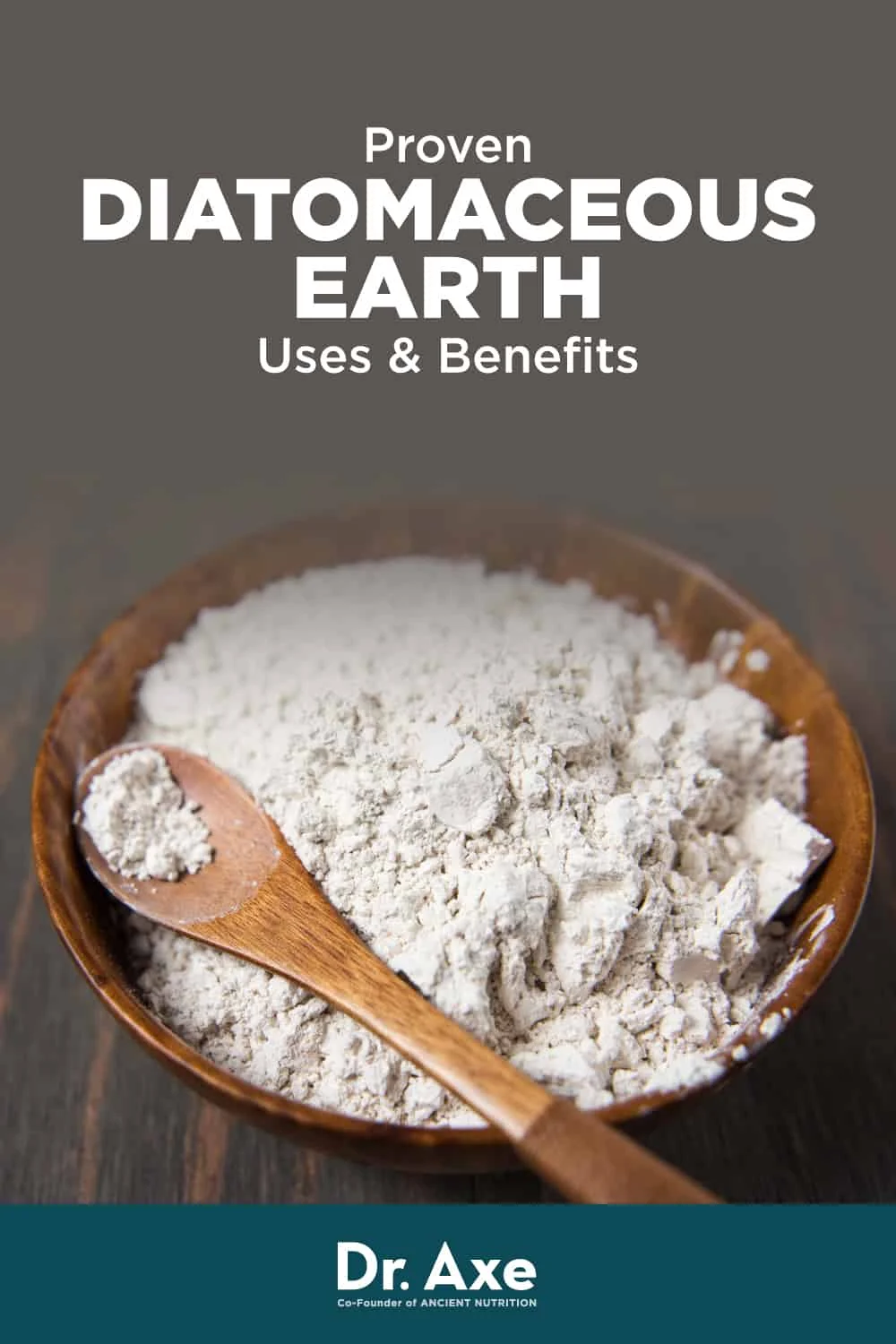
Diatomaceous earth (DE) is a naturally occurring, soft sedimentary rock composed of fossilized diatoms. Its fine, powdery form is prized for pest control because the microscopic sharp edges damage insect exoskeletons. However, those same tiny particles can easily become embedded in carpet fibers. Unlike a regular sand spill that can be brushed away, DE’s low density allows it to settle deep into the weave, where it may appear as a faint grayish layer.
Because DE is also hygroscopic—it absorbs moisture from the air—any residual moisture in the carpet can cause the particles to clump, making removal more challenging. Understanding this behavior helps you choose the right tools and timing for cleaning. For instance, a dry carpet is far easier to treat than one that has become slightly damp from a cleaning attempt that used too much liquid.
Immediate Actions When You Notice a Spill
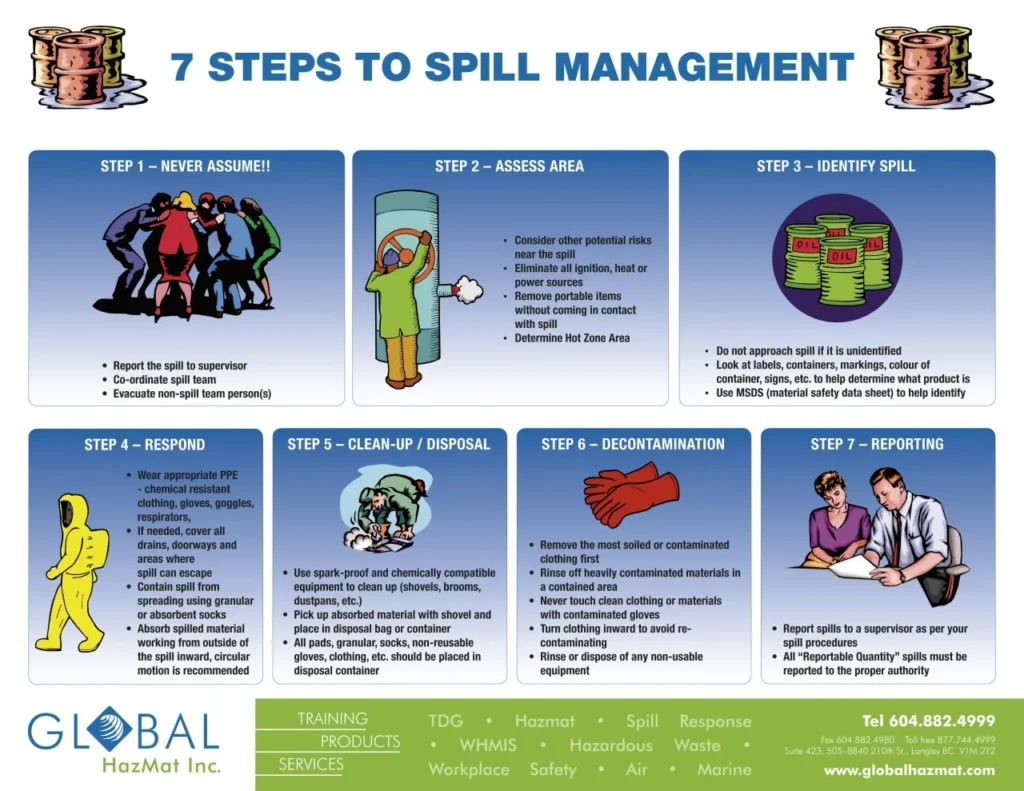
Speed is your ally. The longer diatomaceous earth sits, the more it settles into the carpet pile. Follow these quick steps before you move on to a thorough cleaning:
- Ventilate the area. Open windows and run a fan to prevent the fine dust from becoming airborne and spreading to other rooms.
- Shake off excess powder. Gently lift the rug or use a soft brush to loosen the top layer of DE without grinding it deeper.
- Vacuum with a low‑suction setting. Use a vacuum equipped with a HEPA filter to capture the microscopic particles while avoiding damage to delicate fibers.
These actions reduce the amount of DE that can embed itself, making the later steps more efficient.
how to clean diatomaceous earth from carpet – step by step guide

Now that the immediate actions are complete, it’s time for a systematic approach. This section breaks down the cleaning process into manageable stages, each designed to lift and capture the fine particles while preserving carpet integrity.
how to clean diatomaceous earth from carpet using a vacuum
Begin with a high‑efficiency vacuum. Set the suction to a medium level and attach a brush roll that can agitate the fibers without pulling them. Move the vacuum head slowly across the affected area, overlapping each pass to ensure no spot is missed. Empty the vacuum bag or canister into a sealed bag after the job to prevent the dust from escaping back into the room.
Apply a gentle absorbent powder
If some DE remains after vacuuming, sprinkle a thin layer of baking soda or cornstarch over the spot. These powders act like a sponge, attracting the remaining fine particles. Let them sit for 10–15 minutes, then vacuum again. The absorbent powder will have bound to the DE, making it easier to remove.
Spot‑clean with a mild solution
Prepare a mixture of warm water, a few drops of gentle dish soap, and a teaspoon of white vinegar. Dampen a clean white cloth—do not soak it—and dab the stained area. Work from the outside toward the center to avoid spreading the particles. Blot, don’t rub, to lift any residual DE without grinding it into the pile.
Rinse and dry
After the spot is clean, lightly mist the area with distilled water to rinse away soap residue. Use a dry microfiber towel to absorb excess moisture. Finally, place a fan or a dehumidifier nearby to speed up drying. A fully dry carpet prevents the re‑adhesion of any lingering DE particles.
Protecting Your Carpet After Cleaning
Even after a successful cleanup, taking steps to protect your carpet will keep it looking fresh and reduce the likelihood of future issues. Consider the following practices:
- Regular vacuuming. A weekly vacuum with a HEPA filter captures dust, pet dander, and any stray DE particles that may settle.
- Use a carpet protector spray. Look for products that are safe for your carpet type; they create a barrier that repels liquids and reduces particle adhesion.
- Rotate rugs. If you have area rugs in high‑traffic zones, rotate them periodically to distribute wear evenly and spot‑check for hidden debris.
Integrating these habits into your routine not only maintains cleanliness but also aligns with modern home‑decor trends that emphasize low‑maintenance, elegant interiors.
When Professional Help Is Needed
Some carpet spills are more complex, especially on delicate or antique rugs. If you notice any of the following, it’s wise to call a professional carpet cleaning service:
- Discoloration or staining that persists after multiple attempts.
- Persistent clumping of DE that refuses to lift.
- Carpet fibers that feel stiff or frayed after cleaning.
Professional cleaners have access to specialized equipment, such as rotary agitators and pH‑balanced extraction solutions, that can safely restore the carpet’s appearance without compromising its structure. Moreover, many services offer eco‑friendly cleaning options, which align with the sustainable ethos behind using diatomaceous earth in the first place.
Quick Tips for Ongoing Carpet Care
- Place doormats at entryways to catch dust and DE before it reaches the carpet.
- Schedule a deep‑cleaning session every 6‑8 months, especially if you use DE regularly for pest control.
- Use a handheld vacuum for spot checks in high‑traffic corners.
- Consider a low‑pile rug in areas where you anticipate frequent DE applications; they’re easier to clean.
For inspiration on how to style entryways and keep them functional, check out our guide on narrow hallway wall décor ideas. A well‑designed entry space can double as a barrier against dust while adding visual interest.
Common Mistakes to Avoid
Even with the best intentions, a few missteps can turn a simple cleanup into a bigger problem:
- Using too much water. Over‑wetting the carpet can cause DE to become gummy and embed deeper.
- Skipping the vacuum step. Attempting to blot the powder without first removing the bulk can spread it further.
- Rubbing vigorously. This can damage carpet fibers and create static that attracts more dust.
By staying mindful of these pitfalls, you’ll protect both the appearance and longevity of your flooring.
Frequently Asked Questions
Can I use a steam cleaner on carpet that had diatomaceous earth?
Steam cleaning introduces high moisture, which can cause DE particles to clump and adhere more firmly to fibers. It’s best to rely on low‑moisture methods first; if a steam clean is necessary, ensure the carpet is thoroughly vacuumed and dry beforehand.
Is it safe to let pets walk on the carpet after cleaning?
Yes, once the carpet is completely dry and all DE residues have been removed, the area is safe for pets. In fact, a clean carpet reduces the risk of inhaling any remaining silica particles that could irritate respiratory systems.
Will diatomaceous earth damage synthetic carpet fibers?
DE is abrasive on a microscopic level, but it does not chemically react with synthetic fibers like nylon or polyester. The main concern is physical abrasion if the powder is left unattended for an extended period. Prompt cleaning mitigates any potential wear.
How often should I vacuum after using diatomaceous earth for pest control?
Aim for a light vacuuming session within 24 hours of application and a more thorough vacuum a few days later. This routine helps capture any particles that may have settled or become airborne.
Can I use a carpet cleaning solution that contains bleach?
Bleach can discolor or weaken carpet fibers, especially on wool or delicate materials. Stick to mild, pH‑balanced cleaners and test any solution on an inconspicuous area first.
For those looking to blend practical cleaning with stylish home design, explore ideas on workspace décor with simple décor baskets. A tidy workspace often starts with a clean floor.
Another quick inspiration source is living room tray table styling ideas, where a well‑maintained carpet serves as the perfect backdrop for eye‑catching accessories.
By following the steps outlined above, you’ll master how to clean diatomaceous earth from carpet, preserving both the function and the aesthetic of your home. Regular maintenance, mindful application of DE, and the occasional professional touch will keep your interiors looking polished and inviting.