
Table of Contents
- How Much Do Home Decorators Charge: Understanding the Core Pricing Models
- How Much Do Home Decorators Charge When Working Hourly
- Flat‑Fee Packages: Predictable Costs for Defined Projects
- Percentage‑Based Fees: Aligning Designer Incentives with Your Budget
- Factors That Influence the Cost of a Home Decorator
- Experience and Reputation
- Project Scope and Complexity
- Geographic Location
- Material and Furniture Selections
- Level of Involvement
- Budget‑Friendly Strategies Without Sacrificing Style
- Quick Home Décor Tips
- Common Mistakes When Hiring a Home Decorator and How to Avoid Them
- Frequently Asked Questions
- What is the average hourly rate for a home decorator in the U.S.?
- Do designers require a minimum project size?
- How can I negotiate a lower fee without compromising quality?
- Is a percentage‑based fee better for large renovations?
- Should I pay for a designer’s travel time?
- Do decorators also handle contractor coordination?
How Much Do Home Decorators Charge? A Complete Pricing Guide
Hiring a home decorator can transform a bland space into a personalized haven, but the cost question often looms large. Whether you’re a first‑time homeowner, a renter looking to make a mark, or a seasoned design enthusiast, knowing how much do home decorators charge helps you set realistic expectations and protect your budget.
In this guide we’ll break down the various pricing models, explain what influences fees, and provide actionable tips for getting the best value. By the end, you’ll feel confident navigating proposals, comparing quotes, and deciding which payment structure aligns with your project goals.
We’ll also sprinkle practical ideas—like how to integrate modern interior décor trends—so you can see the financial side of design without sacrificing style. Let’s dive into the numbers and the nuances that shape them.
How Much Do Home Decorators Charge: Understanding the Core Pricing Models
The first step in answering how much do home decorators charge is to recognize the three dominant fee structures used across the industry: hourly rates, flat‑fee packages, and percentage‑of‑project costs. Each model has its own advantages, and the right choice often depends on the scope of work, your timeline, and how involved you want to be in the decision‑making process.
Below is a quick snapshot of typical ranges in the United States, based on data from professional associations and market surveys:
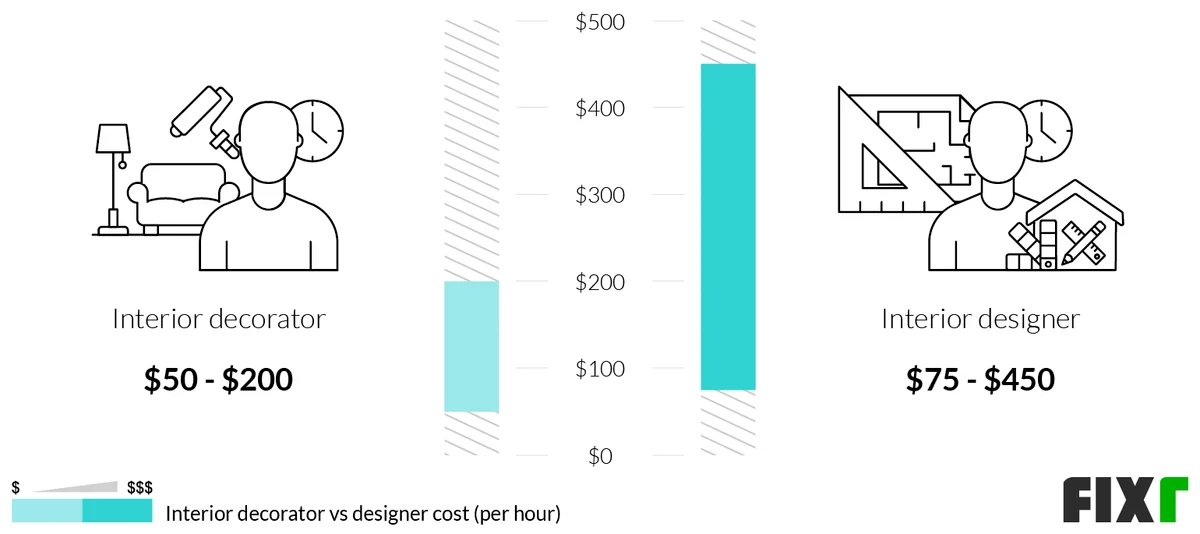
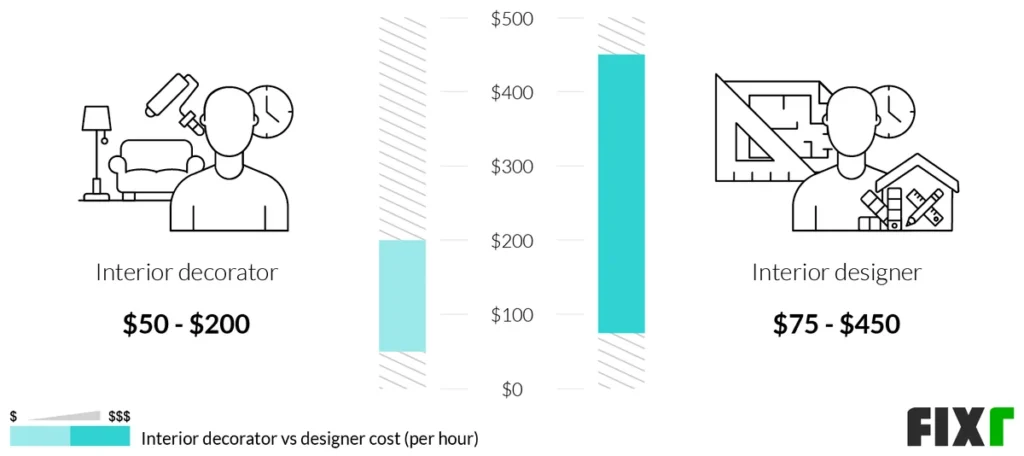
- Hourly rates: $50 – $250 per hour, depending on experience and region.
- Flat‑fee packages: $2,000 – $15,000 for a single‑room makeover; $10,000 – $50,000 for whole‑home redesigns.
- Percentage of project cost: 10% – 30% of the total renovation budget.
Understanding these models equips you to ask the right questions when meeting potential designers and ensures you’re comparing apples to apples.
How Much Do Home Decorators Charge When Working Hourly
An hourly rate gives you flexibility, especially for smaller projects or when you only need occasional consulting. Designers track time spent on tasks such as space planning, sourcing furniture, and on‑site supervision. Typical hourly fees break down as follows:
- Entry‑level decorators: $50 – $85 per hour.
- Mid‑range professionals: $90 – $150 per hour.
- High‑end or celebrity designers: $200 – $250+ per hour.
While the hourly approach can appear straightforward, remember that hidden costs—travel, material samples, and revisions—may add up quickly. Always request an estimate of total hours before signing a contract.
Flat‑Fee Packages: Predictable Costs for Defined Projects

Flat‑fee structures are popular for homeowners who prefer a clear, all‑inclusive price. Packages typically cover concept development, mood boards, floor plans, purchasing assistance, and final installation. Prices vary dramatically based on room size, design complexity, and the designer’s reputation.
Here’s a more detailed breakdown:
- Single room (e.g., living room, bedroom): $2,000 – $8,000.
- Multiple rooms (e.g., kitchen + dining area): $8,000 – $20,000.
- Whole‑home redesign (3–5 bedrooms): $15,000 – $50,000+.
Flat‑fee packages often include a limited number of revisions; exceeding that limit may incur additional charges. Clarify the revision policy upfront to avoid surprise fees later.
Percentage‑Based Fees: Aligning Designer Incentives with Your Budget
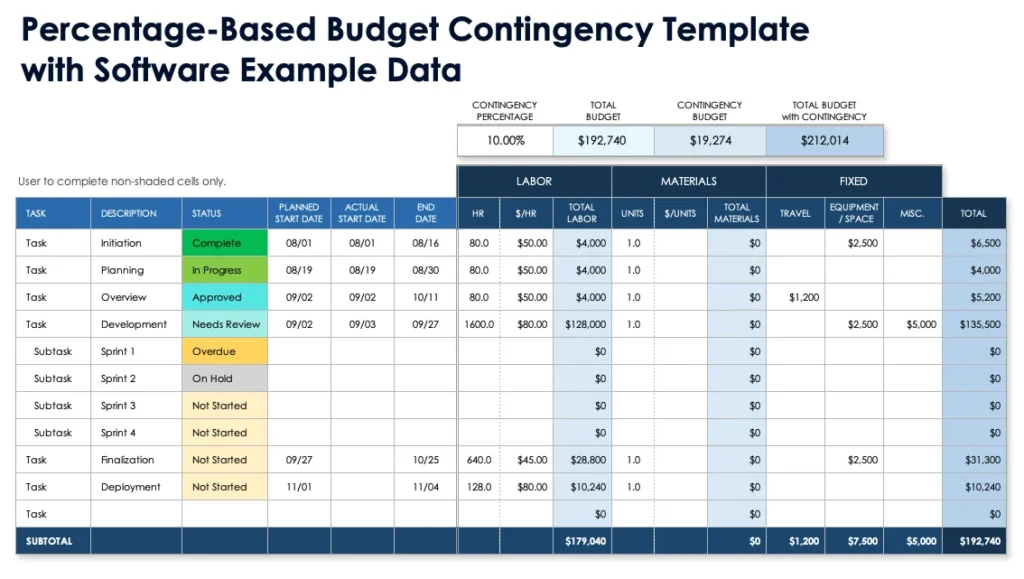
When a project involves extensive construction, custom cabinetry, or high‑end furnishings, many decorators opt for a percentage of the total project cost. This method aligns the designer’s earnings with the overall scale of the renovation, encouraging cost‑effective solutions while still delivering quality.
Typical percentages range from 10% for modest updates to 30% for full luxury overhauls. For example, if your total renovation budget is $100,000 and the decorator charges 15%, their fee would be $15,000. This model can be advantageous because it provides a single line item on the budget, but it also means the designer’s fee grows with any increase in material or labor costs.
Factors That Influence the Cost of a Home Decorator
Even within a chosen pricing model, several variables can shift the final amount you pay. Understanding these factors helps you anticipate adjustments and negotiate more confidently.
Experience and Reputation
Designers with a robust portfolio, published work, or celebrity clientele typically command higher fees. Their expertise can save you money in the long run by avoiding costly mistakes, but the premium must be weighed against your budget constraints.
Project Scope and Complexity
A straightforward refresh—new paint, updated lighting, and a few accessories—will cost far less than a full structural remodel that requires new walls, flooring, and custom millwork. Complexity also includes the number of rooms, ceiling heights, and any architectural quirks that demand creative solutions.
Geographic Location
Living in metropolitan areas like New York, Los Angeles, or San Francisco generally means higher hourly rates and flat fees due to increased operating costs. Conversely, designers in smaller towns or mid‑west markets may offer comparable expertise at a lower price point.
Material and Furniture Selections
Choosing high‑end pieces from luxury brands will drive up the overall project cost, and many decorators include a markup (often 10%–30%) on purchased items. If you prefer a budget‑friendly approach, discuss sourcing options such as outlet stores, reclaimed pieces, or DIY installations.
Level of Involvement
Some homeowners enjoy a hands‑on role, handling procurement and installation themselves. In such cases, you can negotiate a reduced fee for the design‑only portion. However, remember that less involvement from the decorator may also mean fewer professional checks and balances.
Budget‑Friendly Strategies Without Sacrificing Style
Even if how much do home decorators charge seems daunting, there are clever ways to stretch your dollars while still achieving a polished look. Below are practical ideas that blend cost control with contemporary aesthetics.
- Prioritize high‑impact areas: Focus on the living room or entryway first, as these spaces create the strongest first impression.
- Mix high‑ and low‑budget pieces: Pair a statement chandelier with affordable secondary lighting.
- Use paint as a design tool: A fresh, bold color can dramatically change a room’s mood without the expense of new furniture.
- Shop sample sales and outlet stores: Many manufacturers offer discounted fabric and flooring samples that can be used for full‑size applications.
- Leverage DIY décor: Simple projects like hand‑crafted wall art or repurposed pallets can add personality without a professional’s price tag.
For further inspiration on mixing styles, check out our article on different styles of home decor. It offers a wealth of ideas that work well with budget‑conscious planning.
Quick Home Décor Tips
- Start with a cohesive color palette; it streamlines furniture selection.
- Invest in quality lighting; it instantly elevates any room.
- Use mirrors to amplify natural light and create the illusion of space.
- Incorporate texture through rugs, cushions, and throws for depth.
- Keep scale in mind—oversized furniture can overwhelm smaller rooms.
Common Mistakes When Hiring a Home Decorator and How to Avoid Them
Even seasoned homeowners can stumble into pitfalls that inflate costs or delay timelines. Recognizing these errors early can protect both your wallet and your peace of mind.
- Skipping the contract: A written agreement outlining scope, fees, timelines, and revision limits is essential.
- Not clarifying the fee structure: Ask whether the designer charges hourly, flat, or percentage‑based fees, and request a detailed estimate.
- Overlooking the designer’s portfolio relevance: Ensure their past work matches the style you envision.
- Ignoring local building codes: Some décor changes (e.g., adding built‑ins) may require permits; a professional should be aware of these requirements.
- Failing to set a realistic budget: Include a contingency (10%–15%) for unexpected expenses.
Frequently Asked Questions
What is the average hourly rate for a home decorator in the U.S.?
Most designers charge between $90 and $150 per hour, though entry‑level professionals may start at $50, while high‑end specialists can exceed $200 per hour. Rates vary based on experience, location, and project complexity.
Do designers require a minimum project size?
Many decorators set a minimum fee, often ranging from $2,000 to $3,000, to cover basic consulting, travel, and administrative costs. Smaller jobs may be billed hourly instead.
How can I negotiate a lower fee without compromising quality?
Consider narrowing the scope (e.g., design‑only services without procurement), providing your own materials, or agreeing to a fixed‑fee package with limited revisions. Transparency about your budget helps the designer propose cost‑effective alternatives.
Is a percentage‑based fee better for large renovations?
Percentage fees align the designer’s compensation with the overall budget, which can be beneficial for large projects. However, ensure there’s a clear cap or ceiling to prevent runaway costs if the budget expands.
Should I pay for a designer’s travel time?
Travel expenses are commonly included in hourly rates or added as a flat surcharge, especially for projects located more than 30 miles from the designer’s base of operations. Clarify this upfront.
Do decorators also handle contractor coordination?
Many full‑service designers manage contractors, obtain permits, and oversee construction phases. This added responsibility is usually reflected in higher fees or a separate project management charge.
Understanding how much do home decorators charge empowers you to make informed decisions, set realistic expectations, and collaborate effectively with design professionals. By evaluating fee structures, budgeting wisely, and avoiding common missteps, you can achieve a beautifully styled home that reflects your personality and stays within financial comfort.
Ready to start your design journey? Explore our curated elegant living room décor ideas for fresh inspiration, and consider scheduling a consultation with a reputable decorator who aligns with your budget and vision.
Remember, the cost of hiring a designer is an investment in the longevity and enjoyment of your living spaces. With the knowledge gained here, you’re equipped to navigate proposals, negotiate terms, and bring your dream home to life.