
Table of Contents
- how long does new carpet smell last?
- how long does new carpet smell last? – Factors That Influence the Timeline
- Understanding the Source of Carpet Odors
- Factors That Influence the Duration of the Smell
- Ways to Accelerate the Dissipation of New Carpet Smell
- Choosing Low‑Emission Carpets for Future Installations
- Maintaining Freshness Over Time
- Quick Home Décor Tips to Complement Fresh Carpets
- Quick Tips for Faster Odor Removal
- Common Mistakes When Dealing With New Carpet Odor
- Frequently Asked Questions
- Conclusion
How Long Does New Carpet Smell Last? A Complete Guide for Homeowners
Walking into a brand‑new room with fresh flooring can feel like stepping into a showroom, but the lingering scent of that new carpet often raises eyebrows. The “new carpet smell” isn’t just a nuisance; it can affect indoor air quality, comfort, and even the overall aesthetic of a space. Whether you’re a homeowner, renter, or interior‑design enthusiast, understanding the timeline of that odor—and how to manage it—will help you enjoy your flooring without the lingering chemical cloud.
In this guide we’ll explore the chemistry behind the aroma, the factors that speed up or slow down its disappearance, and practical, design‑focused strategies to keep your rooms smelling fresh. You’ll also find quick tips, common mistakes to avoid, and a helpful FAQ that answers the most searched questions about new carpet odors.
how long does new carpet smell last?
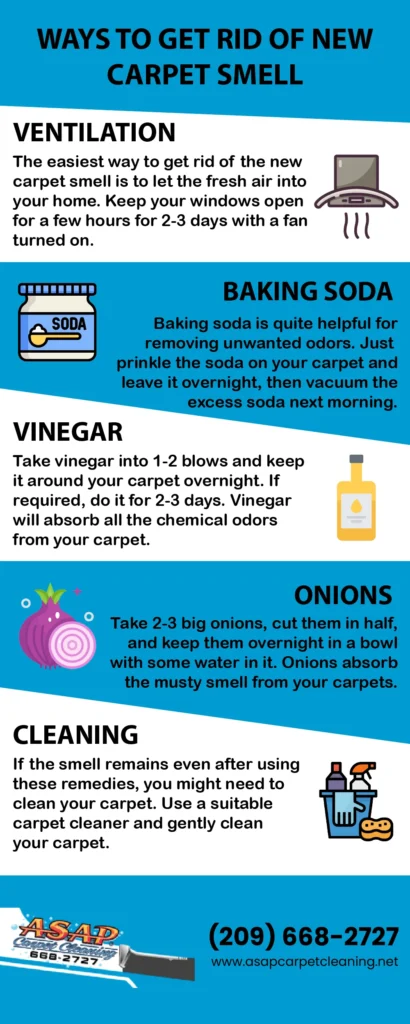
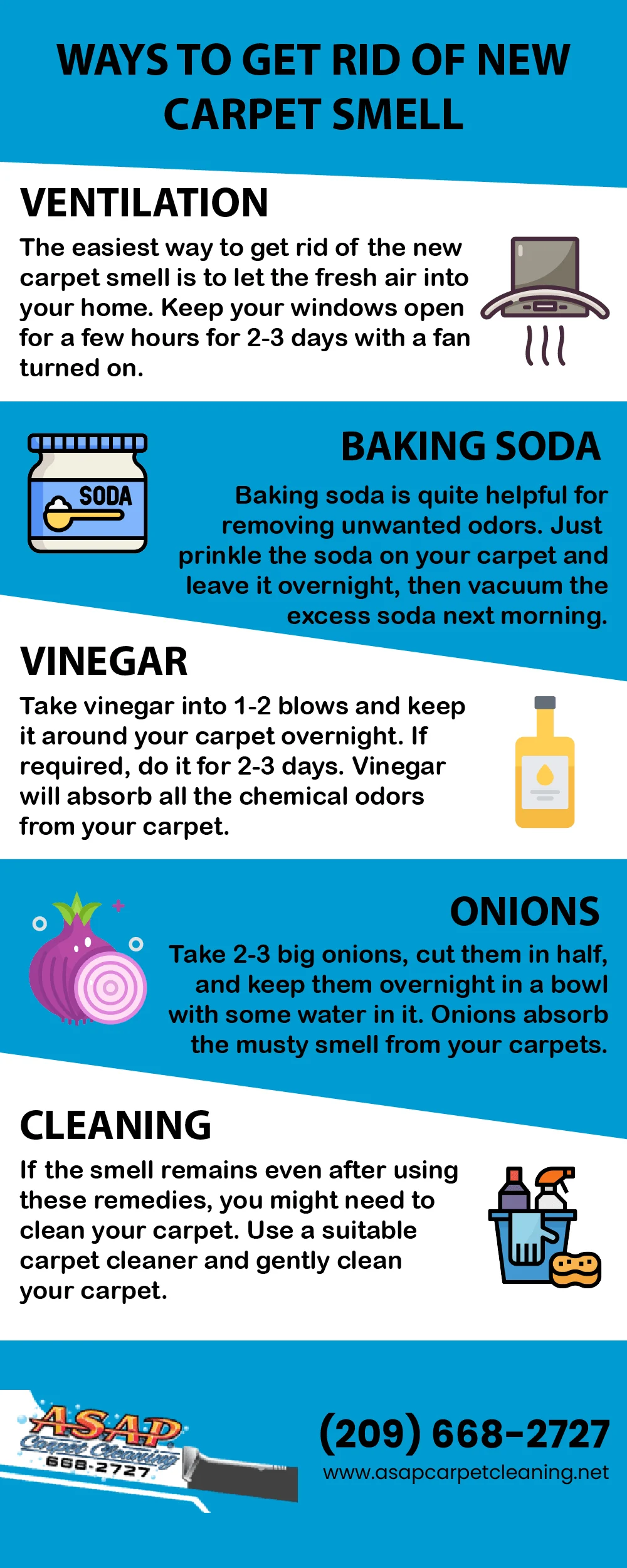
The short answer is that the smell typically fades within two to four weeks, but the exact duration varies widely. Carpets are manufactured using adhesives, dyes, and synthetic fibers, each releasing volatile organic compounds (VOCs) after installation. These VOCs evaporate over time, and as they do, the odor diminishes. In a well‑ventilated home with moderate temperature, you can expect the strongest scent to subside after about ten days, becoming barely noticeable after three weeks.
However, if the space is poorly ventilated, or if the carpet contains high‑emission materials, the odor can linger for up to two months. Understanding the science helps you set realistic expectations and plan effective mitigation steps.
how long does new carpet smell last? – Factors That Influence the Timeline
- Carpet composition: Nylon and polyester tend to off‑gas faster than wool or natural fibers.
- Adhesive type: Water‑based adhesives release fewer VOCs than solvent‑based alternatives.
- Room temperature: Warm rooms accelerate evaporation; colder environments slow it down.
- Ventilation: Open windows, fans, or HVAC systems disperse VOCs more quickly.
- Humidity levels: Higher humidity can both trap and release odors, affecting perception.
Understanding the Source of Carpet Odors
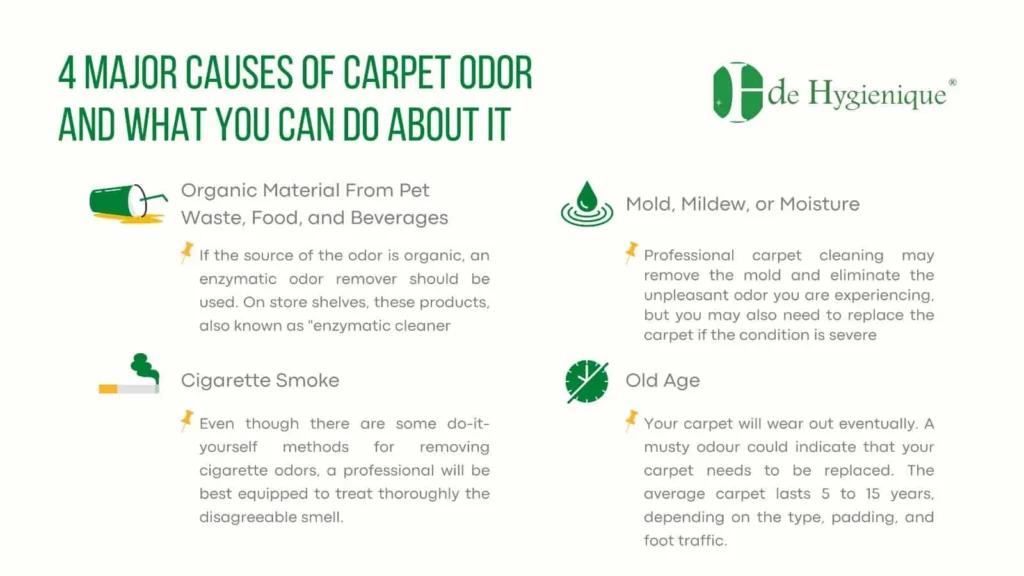
The “new carpet smell” is primarily a mixture of VOCs emitted from the backing, backing adhesive, and synthetic fibers. Common compounds include formaldehyde, phenol, and various aldehydes. While most modern manufacturers adhere to low‑VOC standards, the cumulative effect of these chemicals can be noticeable in a closed space.
Beyond health considerations, the odor can influence design decisions. For instance, a strong scent in a bedroom may affect sleep quality, while a lingering smell in a living room can interfere with entertaining guests. Recognizing where the odor originates allows you to target solutions more effectively.
Factors That Influence the Duration of the Smell
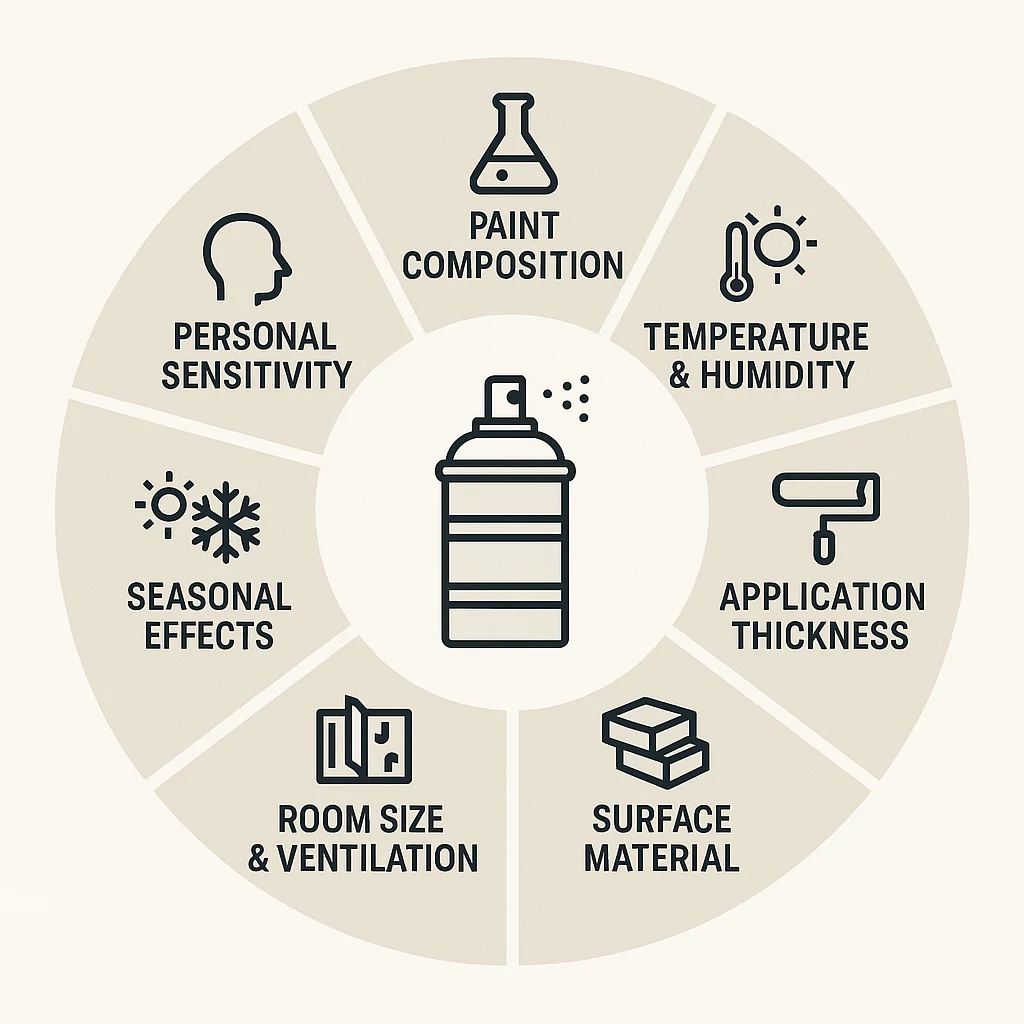
While the baseline timeline is two to four weeks, several environmental and material factors can either shorten or extend that period. Below is a concise breakdown:
- Installation method: Carpet glued down releases more VOCs than carpet laid with tack strips or floating installations.
- Room size: Larger spaces dilute odors faster; smaller rooms may feel the scent longer.
- Air circulation: Ceiling fans, portable air purifiers, and open doors create airflow that pushes VOCs out of the room.
- Sunlight exposure: UV light can break down some VOCs, though too much direct sunlight can fade colors.
By adjusting these variables—such as using a portable fan or scheduling a brief window‑opening routine—you can often shave a week or more off the perceived odor timeline.
Ways to Accelerate the Dissipation of New Carpet Smell
Below are evidence‑based tactics that homeowners can apply immediately after installation to speed up the freshening process:
- Ventilate aggressively: Open windows on opposite sides of the room to create cross‑drafts. Keep them open for at least 30 minutes each day for the first two weeks.
- Use fans wisely: Place a floor fan facing the carpet and another pulling air out of the room. This creates a continuous flow of fresh air.
- Run an air purifier: Choose a purifier with an activated carbon filter, which is effective at trapping VOCs.
- Maintain moderate temperature: Aim for 70‑75°F (21‑24°C). Warmth encourages evaporation without overheating the fibers.
- Apply baking soda: Lightly sprinkle baking soda, let sit for an hour, then vacuum. It absorbs lingering odors without damaging the carpet.
For a design‑focused twist, consider pairing these steps with a clean, productive workspace that benefits from the same airflow improvements, turning a practical solution into an aesthetic upgrade.
Choosing Low‑Emission Carpets for Future Installations
If you’re planning a new flooring project, the best long‑term strategy is to select carpets with low VOC emissions. Look for certifications such as Green Label Plus (UL) or Eco‑Label, which guarantee that the product meets strict indoor‑air‑quality standards.
Natural fibers like wool, sisal, or seagrass not only bring a timeless texture to a room but also tend to off‑gas at a slower, less noticeable rate. When paired with a water‑based adhesive, the combined effect can reduce the “new carpet smell” to a faint, almost imperceptible scent that disappears within a few days.
In a warm minimalist living room, a low‑emission carpet can enhance the clean aesthetic while safeguarding indoor air quality—a win‑win for design and health.
Maintaining Freshness Over Time
Even after the initial odor fades, ongoing maintenance ensures that your carpet stays fresh for years. Regular vacuuming removes dust that can trap residual VOCs, while periodic professional cleaning eliminates deep‑seated contaminants.
For households with pets or high foot traffic, a quick sprinkle of baking soda before vacuuming can neutralize odors that develop over time. Additionally, rotating area rugs or using washable rug pads helps keep the underlying carpet fibers from becoming a hidden source of mustiness.
Quick Home Décor Tips to Complement Fresh Carpets
- Place a decorative plant near the carpet to naturally filter indoor air.
- Use light‑colored curtains that allow more natural light, aiding VOC breakdown.
- Incorporate a statement coffee table with a sleek, low‑profile design that doesn’t obstruct airflow.
Quick Tips for Faster Odor Removal
- Open windows for at least 1‑2 hours each morning during the first two weeks.
- Run a ceiling fan on low for continuous air circulation.
- Place activated charcoal bags in corners to absorb lingering chemicals.
- Use a gentle steam cleaner after the initial odor subsides to lift deep‑embedded particles.
- Schedule a professional deep‑cleaning after one month for optimal freshness.
Common Mistakes When Dealing With New Carpet Odor
Many homeowners inadvertently prolong the smell by making a few simple errors:
- Closing off the room: Keeping doors shut traps VOCs, extending the odor timeline.
- Using harsh chemicals: Spraying air fresheners can mask the smell but may add more VOCs to the mix.
- Neglecting humidity control: Extremely dry air can cause VOCs to cling to surfaces, while overly humid conditions can encourage mold growth underneath the carpet.
- Skipping professional advice: Not all adhesives are created equal; consulting the installer about low‑emission options can save you weeks of odor.
Avoiding these pitfalls not only shortens the duration of the new carpet smell but also protects the integrity of your flooring investment.
Frequently Asked Questions
How long does new carpet smell last in a small apartment?
In compact spaces, the odor tends to be more noticeable because the air volume is limited. Expect a stronger scent for about 7‑10 days, with most of it dissipating by the three‑week mark if you keep windows open and use a fan.
Is the new carpet smell harmful?
Most modern carpets meet low‑VOC standards and pose minimal health risk for the general population. However, individuals with asthma, allergies, or chemical sensitivities may experience irritation, making ventilation especially important.
Can I use essential oils to mask the smell?
While essential oils can provide a pleasant scent, they do not eliminate VOCs and may even add more airborne compounds. It’s better to focus on air exchange and carbon filtration rather than masking the odor.
Does professional carpet cleaning speed up odor removal?
A professional cleaning after the first week can help lift trapped VOCs and dust, but it’s most effective once the majority of the odor has naturally subsided. Premature cleaning may spread chemicals further into the fibers.
Will a wool carpet smell less than a synthetic one?
Wool generally releases fewer VOCs than synthetic fibers, so the initial scent is milder and fades more quickly. However, the backing and adhesive still contribute to the overall odor profile.
Conclusion
Understanding how long does new carpet smell last empowers you to plan, design, and live comfortably in a freshly carpeted space. By recognizing the sources of VOCs, adjusting environmental factors, and employing practical mitigation strategies, most homeowners can enjoy a fresh‑smelling floor within a few weeks. Selecting low‑emission materials from the outset, maintaining good ventilation, and following the quick tips outlined above will not only shorten the odor timeline but also contribute to a healthier indoor environment.
Take the knowledge you’ve gained here and apply it to your next flooring project, whether it’s a cozy bedroom, a bustling living room, or a stylish home office. For more design inspiration and practical advice, explore our other articles on modern home décor and interior design. Happy styling!