
Table of Contents
- Understanding the Grain: Visual Appeal of Hickory vs Maple Cabinets
- Hickory vs Maple Cabinets: Matching Grain to Your Kitchen Style
- Durability and Hardness: Which Wood Stands the Test?
- Cost Considerations: Budgeting for Hickory vs Maple Cabinets
- Finishing and Maintenance: Keeping Your Cabinets Looking Fresh
- Environmental Impact: Choosing Sustainable Wood
- Design Pairings: Complementary Materials and Hardware
- Quick Tips for Hickory vs Maple Cabinets
- Common Mistakes When Selecting Wood Cabinets
- Frequently Asked Questions
- Is hickory or maple better for a high‑traffic kitchen?
- Can I paint over hickory cabinets?
- Which wood is more resistant to moisture?
- Do maple cabinets cost significantly less than hickory?
- How do I maintain the natural color of hickory cabinets?
Hickory vs Maple Cabinets – Which Wood Wins for Your Kitchen?
Choosing the right cabinetry can feel like standing at a crossroads in a home‑renovation journey. The decision influences not only the visual appeal of your kitchen but also its durability, resale value, and how you feel every time you open a drawer. Two popular hardwood options—hickory and maple—often dominate the conversation, each bringing its own personality and performance profile.
In this article we’ll unpack the subtle and not‑so‑subtle differences between hickory vs maple cabinets. By the end, you’ll have a clear understanding of how grain patterns, hardness, cost, and maintenance requirements line up, helping you make an informed choice that matches your style, budget, and lifestyle.
Understanding the Grain: Visual Appeal of Hickory vs Maple Cabinets

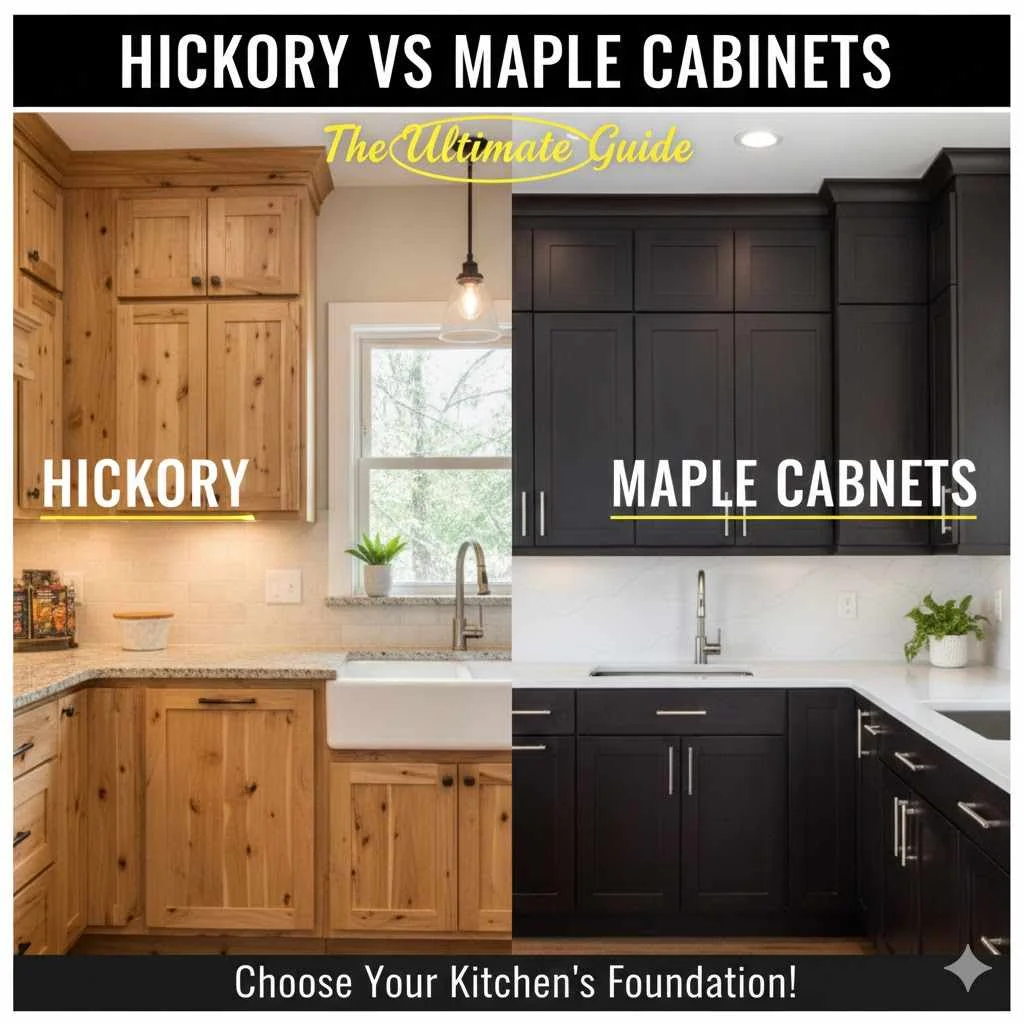
When you first lay eyes on a cabinet face, the grain is the most immediate impression. Hickory typically showcases a dramatic contrast between its light sapwood and deep, chocolate‑brown heartwood, creating a bold, rustic vibe that works beautifully in farmhouse or industrial kitchens. Maple, on the other hand, offers a more uniform, creamy texture with a subtle grain that can range from straight to wavy, delivering a clean, contemporary look that complements modern design schemes.
Because visual impact is a key part of interior design, consider the overall aesthetic you want to achieve. If you’re leaning toward a warm, lived‑in feel, hickory’s high‑contrast streaks can become a statement piece. For a sleek, understated backdrop that lets countertop materials and hardware shine, maple’s consistent grain often serves as the perfect canvas.
Hickory vs Maple Cabinets: Matching Grain to Your Kitchen Style
- Rustic & Farmhouse: Hickory’s bold grain adds character without the need for additional décor.
- Modern & Minimalist: Maple’s subtle pattern lets other elements take center stage.
- Eclectic Mix: Pair maple cabinets with a hickory island for contrast.
Durability and Hardness: Which Wood Stands the Test?
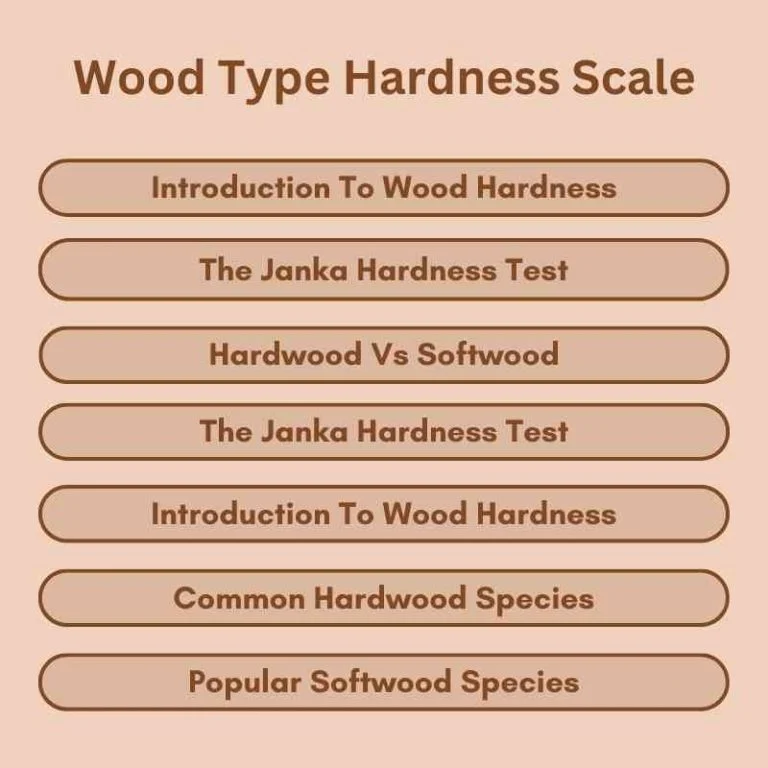
Both hickory and maple rank among the hardest domestic hardwoods, but there are measurable differences. On the Janka hardness scale, hickory scores around 1,820, while hard maple (sugar maple) lands at approximately 1,450. This means hickory is more resistant to dents and wear, an advantage in high‑traffic kitchens where pots, pans, and busy hands are the norm.
That said, maple’s slightly lower hardness does not equate to fragility. Its tight grain makes it less prone to splitting and gives it excellent stability when properly sealed. For families with young children or frequent entertaining, hickory’s edge‑resistance can be reassuring, whereas maple offers a balance of strength and a smoother surface that’s easier to sand and refinish.
Cost Considerations: Budgeting for Hickory vs Maple Cabinets
Price is often the decisive factor for many homeowners. Generally, hickory tends to be a bit more expensive than maple due to its relative scarcity and the additional processing required to balance its natural color variations. On average, custom hickory cabinets can run 10‑15% higher per linear foot compared to maple equivalents.
If you’re working with a tighter budget, maple provides a cost‑effective alternative without sacrificing quality. Moreover, maple’s lighter color can make a kitchen feel larger—a visual trick that adds perceived value. Always factor in finish options; a high‑gloss lacquer can elevate either wood, while a matte finish may be more budget‑friendly.
Finishing and Maintenance: Keeping Your Cabinets Looking Fresh
Both woods accept stains, paints, and clear finishes well, but their natural characteristics influence the final result. Hickory’s dramatic grain can make staining unpredictable; uneven absorption may require a pre‑tone or a gel stain for uniformity. Maple, with its tighter grain, takes stain more evenly, making it a favorite for painted or dyed finishes.
Maintenance-wise, both woods benefit from regular dusting and occasional gentle cleaning with a wood‑safe cleanser. Hickory’s darker hues can hide wear better, while maple may show scratches more readily, prompting a quicker need for touch‑up. Applying a high‑quality polyurethane or oil finish can protect both, extending their lifespan and preserving the original beauty.
Environmental Impact: Choosing Sustainable Wood
Eco‑conscious buyers often ask how hickory vs maple cabinets compare in terms of sustainability. Both species are native to North America and grow relatively quickly compared to exotic hardwoods. However, maple forests are more extensively managed under sustainable forestry certifications, making maple a slightly greener choice in many regions.
If your project emphasizes low environmental impact, look for cabinets sourced from FSC‑certified suppliers. Whether you select hickory or maple, ensuring the wood comes from responsibly managed forests helps reduce deforestation and supports long‑term ecosystem health.
Design Pairings: Complementary Materials and Hardware
The choice between hickory vs maple cabinets influences the rest of your kitchen palette. Hickory’s rich tones pair beautifully with brushed bronze or oil‑rubbed brass hardware, adding warmth and depth. Contrasting countertops in dark granite or concrete can enhance the rustic feel.
Maple’s lighter surface harmonizes well with stainless steel appliances, sleek chrome handles, and crisp white or pastel backsplashes. For a pop of color, consider a bold, patterned tile backsplash—an idea explored further in our article on decorative wall styling ideas. Both woods can also be mixed with open shelving, glass inserts, or glass‑front cabinets to add visual interest.
Quick Tips for Hickory vs Maple Cabinets
- Test a small hidden area with your chosen stain before committing to the whole batch.
- Use a high‑quality polyurethane on hickory to protect its darker grain from fading.
- Consider matte finishes on maple for a modern, low‑maintenance look.
- Match hardware finish to the wood’s undertone for a cohesive design.
Common Mistakes When Selecting Wood Cabinets
Even seasoned homeowners can stumble on pitfalls related to hickory vs maple cabinets. One frequent error is assuming darker wood automatically hides wear; while hickory does mask minor dents, neglecting regular cleaning can lead to buildup that dulls its natural luster. Another mistake is overlooking the impact of lighting—bright kitchen lighting can wash out maple’s subtle grain, making it appear flat unless paired with strategic accent lighting.
Lastly, many buyers underestimate the importance of proper installation. Warped or uneven subfloors can cause any hardwood cabinet, be it hickory or maple, to shift over time, leading to misaligned doors and drawers. Investing in professional installation ensures that the wood’s strength is fully utilized and that the cabinetry remains level for years.
Frequently Asked Questions
Is hickory or maple better for a high‑traffic kitchen?
Hickory’s higher Janka rating makes it more resistant to dents and scratches, so it generally outperforms maple in busy households. However, both woods are durable when properly finished.
Can I paint over hickory cabinets?
Yes. Hickory accepts paint well, but because of its pronounced grain, a high‑quality primer is recommended to ensure an even surface and prevent bleed‑through.
Which wood is more resistant to moisture?
Both are hardwoods, but neither is waterproof. Proper sealing with a moisture‑resistant finish is essential for either hickory or maple cabinets, especially in areas near the sink.
Do maple cabinets cost significantly less than hickory?
Maple typically costs 10‑15% less than hickory, making it a budget‑friendly alternative without sacrificing durability or aesthetic appeal.
How do I maintain the natural color of hickory cabinets?
Regular dusting, using a wood‑safe cleaner, and reapplying a protective finish every few years help preserve hickory’s rich hues and prevent fading.
Choosing between hickory vs maple cabinets ultimately comes down to your design vision, lifestyle demands, and budget. Both woods offer lasting beauty and performance, and with the right finish and hardware, either can become the centerpiece of a kitchen you’ll love for years to come. For more inspiration on coordinating finishes, explore our guide on timeless kitchen décor with neutral ceramics and discover how subtle color palettes can elevate any wood choice.
Now that you’ve got a detailed comparison, feel confident in selecting the wood that aligns with your personal taste and practical needs. Happy designing, and may your new cabinets bring both function and style to the heart of your home.