
Table of Contents
- Understanding the Core Dimensions: Garage Size for 2 SUVs
- Why Garage Size for 2 SUVs Should Include Extra Clearance
- Design Layout Options: Side‑by‑Side, Tandem, and L‑Shaped Garages
- Side‑by‑Side Layout
- Tandem Layout
- L‑Shaped or Split‑Level Garages
- Maximizing Storage Without Sacrificing Space
- Wall‑Mounted Cabinets and Slatwall Systems
- Overhead Storage Racks
- Fold‑Down Workbenches
- Lighting, Ventilation, and Aesthetic Considerations
- Natural Light Options
- LED Fixtures and Energy Efficiency
- Ventilation Strategies
- Cost‑Effective Materials and Finishes
- Flooring Choices
- Wall Finishes
- Door Selections
- Quick Tips for a Functional Dual‑SUV Garage
- Common Mistakes and How to Avoid Them
- Frequently Asked Questions
- What is the minimum garage size for 2 SUVs?
- Can I fit a third vehicle in the same garage?
- Do I need a separate entrance for the garage?
- How much does an epoxy floor cost for a dual‑SUV garage?
- Is a ceiling‑mounted storage rack safe for heavy items?
- What type of lighting is best for a garage that doubles as a workshop?
Garage Size for 2 SUVs – The Perfect Planning Guide
When it comes to designing a functional home, the garage often gets overlooked despite being a critical extension of your living space. Whether you own two midsize sport‑utility vehicles, a family‑friendly crossover and a compact SUV, or simply anticipate future purchases, figuring out the right garage size for 2 SUVs can feel like a puzzle. Too small, and you’ll be squeezing in and out of tight corners; too large, and you might waste valuable square footage that could serve other purposes.
This guide walks you through the essential measurements, layout considerations, and clever storage ideas that make a dual‑SUV garage both practical and aesthetically pleasing. By the end, you’ll know exactly how many square feet you need, how to allocate space for tools and seasonal gear, and which design tricks keep the area feeling organized and inviting.
Understanding the Core Dimensions: Garage Size for 2 SUVs
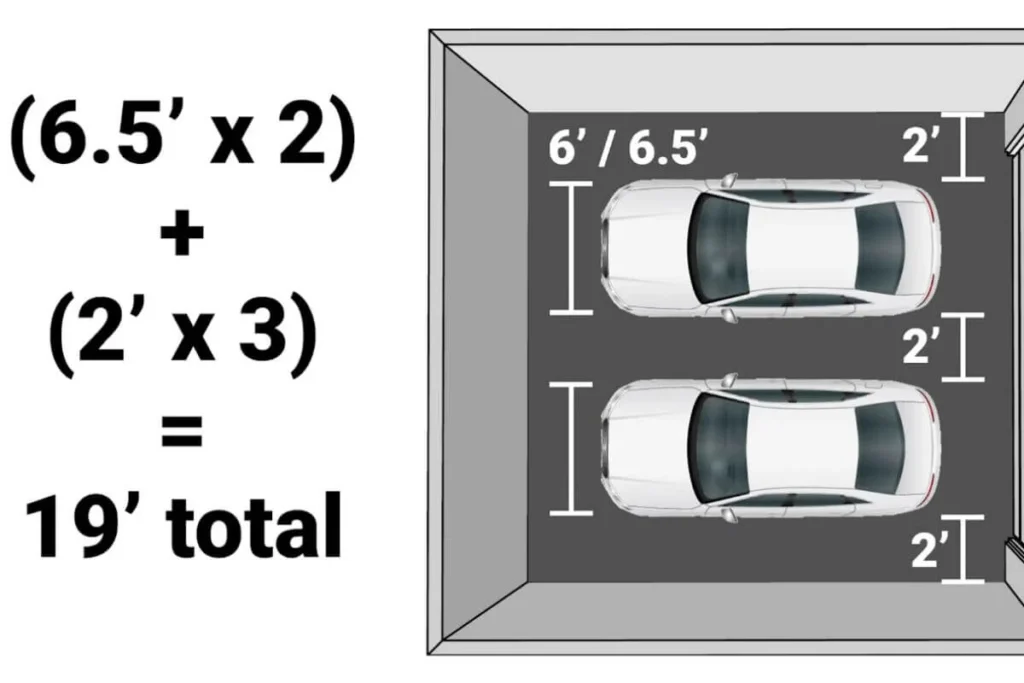
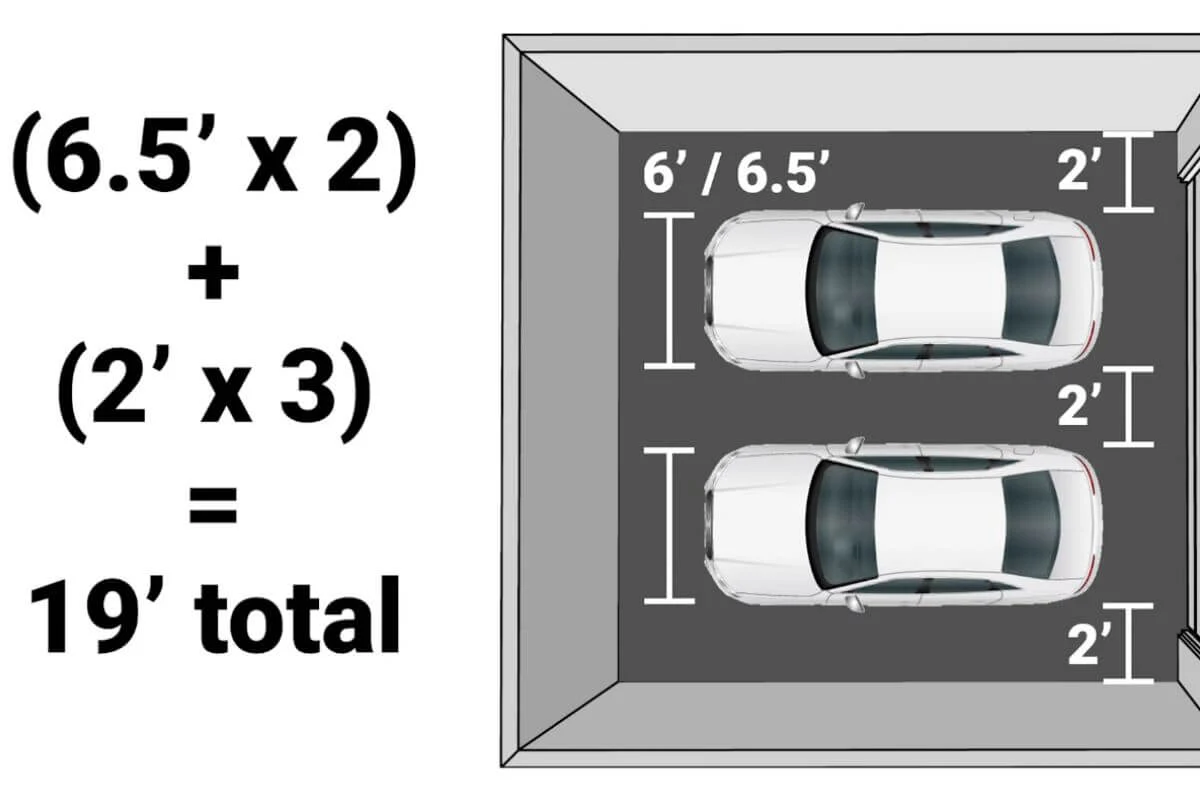
The first step in any garage project is to know the baseline dimensions of the vehicles you intend to house. A typical compact SUV measures about 5.5 ft wide (including mirrors) and 15–16 ft long, while a midsize model can stretch to 6 ft wide and 17–18 ft long. Adding a safety buffer of at least 2 ft on each side allows for door opening, maneuvering, and a comfortable walking path.
Putting those numbers together, a practical minimum footprint for a garage size for 2 SUVs is roughly:
- Width: 12 ft (two 5.5 ft vehicles) + 4 ft clearance = 16 ft
- Length: 18 ft (longest vehicle) + 2 ft rear space = 20 ft
Thus, a 16 ft × 20 ft (320 sq ft) garage meets the bare‑minimum requirement. However, most homeowners opt for a 20 ft × 22 ft (440 sq ft) or larger layout to accommodate extra storage, workbenches, and a more relaxed flow.
Why Garage Size for 2 SUVs Should Include Extra Clearance
Beyond the raw vehicle dimensions, consider the following factors that influence the final garage size for 2 SUVs:
- Door swing and opening angle: Modern garage doors often require 7–8 ft of clear space to open fully without hitting the vehicle.
- Side‑by‑side vs. angled parking: Angling the SUVs at a 30‑degree angle can reduce width but adds length requirements.
- Storage zones: Tools, sports equipment, and seasonal items need dedicated shelves or cabinets, which eat into the usable floor area.
- Future‑proofing: If you anticipate adding a third vehicle, a larger footprint now saves costly expansions later.
By allocating these buffers, you ensure that the garage size for 2 SUVs feels spacious, safe, and adaptable.
Design Layout Options: Side‑by‑Side, Tandem, and L‑Shaped Garages
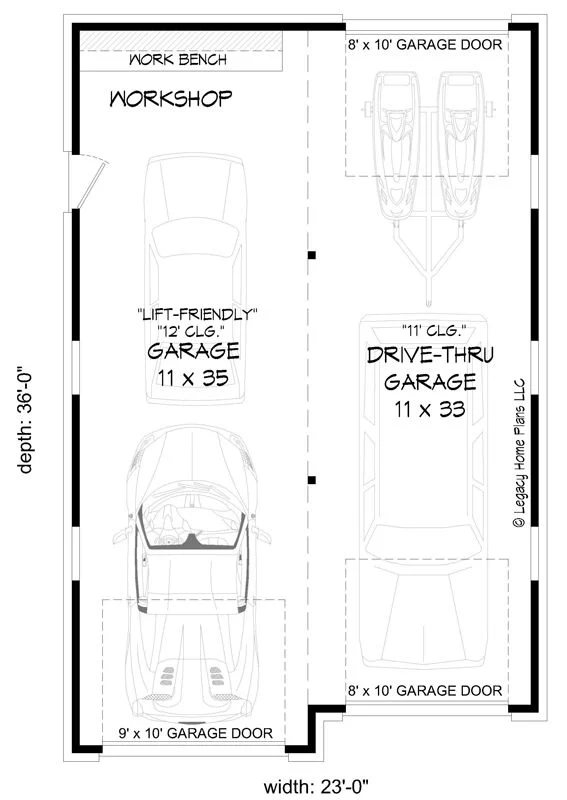
Once you have the square footage, the next decision is how to arrange the two SUVs. Each layout has its own set of pros and cons, influencing both functionality and aesthetic appeal.
Side‑by‑Side Layout
The most common configuration places the SUVs parallel to each other. This arrangement works best when you have a width of at least 20 ft, allowing ample room for door opening and a central walkway.
- Pros: Easy access to both vehicles, symmetrical look, convenient for a shared workbench.
- Cons: Requires a wider garage; may limit space for additional storage along the side walls.
Tandem Layout
In a tandem setup, one SUV parks behind the other. This is ideal for narrower lots where width is at a premium but length is plentiful.
- Pros: Saves width, provides a natural “garage office” area at the front.
- Cons: The rear vehicle is harder to access; you’ll need extra clearance at the back.
L‑Shaped or Split‑Level Garages
For homes with irregular lot shapes or a desire to incorporate a workshop, an L‑shaped garage can be a clever solution. One wing houses the SUVs side‑by‑side, while the other wing serves as a storage or hobby area.
- Pros: Maximizes usable space, separates vehicle zones from work zones, adds visual interest.
- Cons: More complex construction, may require additional structural support.
Choosing the right layout is part of determining the overall garage size for 2 SUVs, because each configuration influences the amount of extra square footage you’ll need for circulation and storage.
Maximizing Storage Without Sacrificing Space

Even with a generous garage size for 2 SUVs, the temptation to cram everything into the floor quickly arises. Smart storage solutions keep the area tidy while preserving the freedom to move around.
Wall‑Mounted Cabinets and Slatwall Systems
Utilizing vertical space is a hallmark of modern home organization. Install sturdy wall‑mounted cabinets or a slatwall system to hang tools, garden gear, and sports equipment. This keeps the floor clear for the SUVs and any workbench you might add.
Overhead Storage Racks
For items you use less frequently—like holiday decorations, camping gear, or spare tires—consider a ceiling‑mounted rack. A robust overhead system can hold 200 lb or more per segment, making it perfect for bulkier items.
Fold‑Down Workbenches
If you enjoy DIY projects, a fold‑down workbench offers a sturdy surface when needed and folds away to reclaim floor space. Pair it with a pegboard to keep hand tools within reach.
Integrating these storage ideas ensures that your garage size for 2 SUVs remains functional, not cluttered. For additional inspiration on how to blend storage with style, check out our guide on home décor with wooden décor pieces.
Lighting, Ventilation, and Aesthetic Considerations
A well‑lit and ventilated garage does more than just improve safety; it also elevates the overall feel of the space. Even if the garage is primarily for vehicle storage, treating it as an extension of your home can boost its usefulness.
Natural Light Options
Skylights or high windows bring in daylight, reducing the need for artificial lighting during the day. For side‑by‑side garages, a clerestory window along the top of one side wall can provide ample illumination without compromising privacy.
LED Fixtures and Energy Efficiency
LED strip lights along the ceiling edges, combined with motion‑sensor spotlights over the workbench, deliver bright, even lighting while keeping energy costs low.
Ventilation Strategies
- Install a powered exhaust fan near the garage door to expel fumes quickly.
- Consider a passive vent grate on the opposite wall to promote cross‑airflow.
- For colder climates, a small electric heater can keep the space comfortable year‑round.
When planning these elements, think about the visual language of the rest of your home. A cohesive palette of paints, flooring, and hardware can transform a utilitarian garage into a polished, modern extension.
Cost‑Effective Materials and Finishes
Choosing the right materials helps you stay within budget while ensuring durability. Below are some popular options that pair well with the typical garage size for 2 SUVs.
Flooring Choices
- Epoxy coating: Provides a glossy, easy‑to‑clean surface that resists oil stains.
- Interlocking rubber tiles: Ideal for a cushioned feel, especially if you spend time on a workbench.
- Polished concrete: Low‑maintenance and can be tinted to match interior décor trends.
Wall Finishes
Drywall with a moisture‑resistant primer works well for a clean look, while beadboard adds a classic farmhouse vibe. For a more industrial feel, exposed concrete or metal panels can be used.
Door Selections
Sectional overhead doors are the most common, but consider a side‑by‑side swinging door if you have limited ceiling height. Insulated doors improve temperature control and can reduce heating bills.
Quick Tips for a Functional Dual‑SUV Garage
- Measure both vehicles with mirrors included; add at least 2 ft of clearance on each side.
- Plan for a minimum 20‑ft width if you prefer side‑by‑side parking.
- Use vertical wall storage to keep the floor clear for vehicle movement.
- Install motion‑sensor LED lights to save energy and improve safety.
- Choose flooring that resists oil stains and is easy to clean.
Common Mistakes and How to Avoid Them
Even experienced homeowners can overlook key details when designing a garage for two SUVs. Below are frequent pitfalls and the corrective steps you can take.
- Underestimating width: A garage that’s too narrow forces tight maneuvers and increases the risk of scratches. Always add at least 4 ft of total side clearance.
- Neglecting storage planning: Without dedicated shelves or cabinets, items end up on the floor, limiting vehicle access. Draft a storage map before construction.
- Skipping ventilation: Exhaust fumes can linger, especially in a tight garage. Install an exhaust fan and ensure cross‑ventilation.
- Choosing cheap flooring: Low‑quality coatings chip and stain easily, leading to higher maintenance costs. Invest in epoxy or high‑grade rubber tiles.
- Ignoring lighting: Dim spaces increase accidents. Pair ceiling LEDs with task lighting over work zones.
Frequently Asked Questions
What is the minimum garage size for 2 SUVs?
The absolute minimum is about 16 ft wide by 20 ft deep (320 sq ft), but most experts recommend at least 20 ft × 22 ft (440 sq ft) to accommodate storage, a workbench, and comfortable maneuvering.
Can I fit a third vehicle in the same garage?
Yes, if you expand the width to 24 ft or add a tandem section that extends the length to 30 ft. However, this will increase construction costs and may require zoning approval.
Do I need a separate entrance for the garage?
While not required, a side door provides easy access to the storage area without opening the main garage door, which is especially handy in extreme weather.
How much does an epoxy floor cost for a dual‑SUV garage?
Typical pricing ranges from $3 to $7 per square foot, including surface preparation. For a 440 sq ft garage, expect a total of $1,320–$3,080.
Is a ceiling‑mounted storage rack safe for heavy items?
When properly installed with joist‑rated brackets, ceiling racks can support up to 300 lb per segment, making them suitable for tires, seasonal gear, and large boxes.
What type of lighting is best for a garage that doubles as a workshop?
Combine bright LED ceiling panels (4,000–5,000 lumens) with adjustable spotlights over workbenches. Motion sensors further improve energy efficiency.
Designing the right garage size for 2 SUVs is more than a math problem—it’s an opportunity to create a well‑organized, stylish extension of your home. By measuring accurately, selecting a suitable layout, and integrating smart storage, lighting, and finishes, you’ll end up with a space that serves both your vehicles and your lifestyle. Ready to start planning? Dive into our other resources such as neutral living room curtain inspiration for ideas on how colour and texture can carry through from your garage to your interior spaces.