
Table of Contents
- Understanding the Core Differences: furniture board vs plywood
- Key structural differences in furniture board vs plywood
- Cost considerations when comparing furniture board vs plywood
- How price influences your design decisions
- Durability and performance: furniture board vs plywood in everyday use
- Moisture resistance and longevity
- Design flexibility and aesthetic possibilities
- Finishing techniques for each material
- Environmental impact and sustainability
- Sourcing responsibly
- Choosing the right material for specific rooms
- Living room, bedroom, kitchen, and bathroom applications
- Quick Tips for Selecting the Right Material
- Common Mistakes to Avoid
- Frequently Asked Questions
Furniture Board vs Plywood: Which Is Right for Your Home Décor?
When it comes to selecting the right material for cabinets, shelving, or custom furniture, the debate often narrows down to two main contenders: furniture board and plywood. Both have been staples in the industry for decades, yet they serve very different purposes and perform uniquely under various conditions. Understanding these nuances can save you money, prevent future headaches, and ultimately elevate the aesthetic of your living spaces.
In this comprehensive guide, we’ll break down the structural makeup, cost implications, durability, environmental impact, and design flexibility of each option. Whether you’re a DIY enthusiast planning a weekend project, a first‑time homeowner furnishing a small apartment, or an interior designer seeking the perfect finish for a high‑end client, you’ll find actionable insights that help you decide whether furniture board or plywood is the smarter choice for your next project.
Understanding the Core Differences: furniture board vs plywood
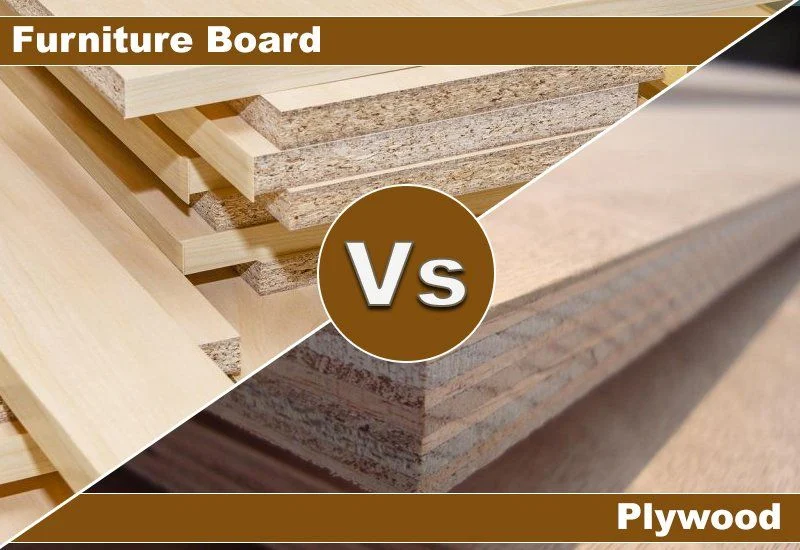
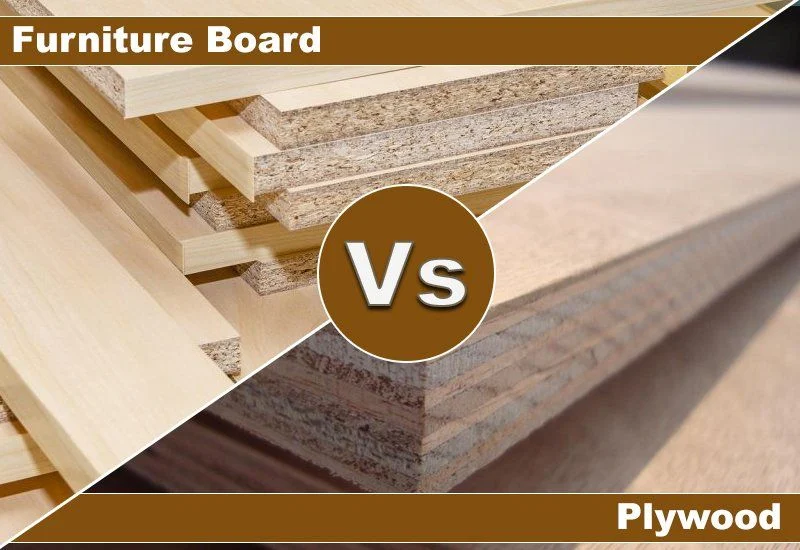
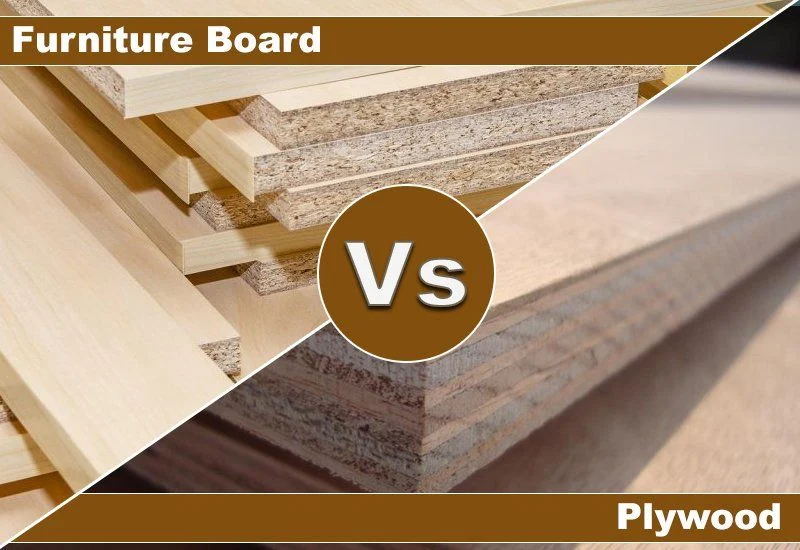
At a glance, furniture board (often called particle board or MDF) and plywood might appear interchangeable, but the way they’re engineered tells a different story. Furniture board is created by compressing wood particles, fibers, or shavings together with resin and heat. The result is a dense, uniform panel that is easy to cut, shape, and finish. Plywood, on the other hand, consists of thin veneers of real wood glued together in alternating grain directions, giving it a cross‑layered structure that mimics solid wood’s strength.
Because of this fundamental construction difference, furniture board tends to be lighter and smoother, making it ideal for painted surfaces or laminated finishes. Plywood offers superior load‑bearing capacity and resistance to warping, which is why it’s favored for structural components such as shelving brackets, kitchen cabinets, and furniture that must endure daily wear.
Key structural differences in furniture board vs plywood
- Composition: Furniture board is an engineered composite of wood particles; plywood is a layered assembly of real wood veneers.
- Strength: Plywood’s cross‑grain construction provides higher tensile and shear strength.
- Surface uniformity: Furniture board offers a consistent, smooth surface perfect for precise CNC routing.
- Weight: Furniture board is generally lighter, which can ease transportation and installation.
Cost considerations when comparing furniture board vs plywood
Budget is often the first factor homeowners evaluate. Furniture board usually wins on price because the raw materials—wood chips and resin—are less expensive than the quality veneers required for plywood. In most hardware stores, you’ll find a 4 × 8‑foot sheet of ¾‑inch furniture board for a fraction of the cost of a comparable sheet of ¾‑inch plywood.
However, the initial savings can be misleading. If the piece you’re building will bear significant weight or be exposed to moisture, you may incur additional costs for reinforcement, protective coatings, or even premature replacement. In contrast, plywood’s higher upfront price often translates into longer service life, reducing long‑term expenses. It’s a classic case of “pay‑now, save‑later” versus “cut‑cost‑now, replace‑later.”
How price influences your design decisions
When working on a limited budget, consider using furniture board for decorative panels, interior cabinet doors, or low‑traffic shelving, while reserving plywood for structural frames, kitchen islands, or bathroom vanities that demand extra strength. This hybrid approach lets you balance cost efficiency with durability.
Durability and performance: furniture board vs plywood in everyday use
Durability is the litmus test for any material in a home setting. Furniture board, while strong enough for many interior applications, is vulnerable to moisture absorption. When exposed to high humidity or accidental spills, it can swell, warp, or develop unsightly surface bubbles. This makes it a less ideal choice for bathrooms, basements, or any area prone to dampness.
Plywood shines in these environments. Its layered construction creates natural pathways for moisture to escape, and high‑grade marine plywood is specifically designed to resist water damage. Moreover, plywood’s ability to hold screws and fasteners securely means it maintains structural integrity even under repeated stress, such as the weight of a fully stocked bookshelf or the constant opening and closing of cabinet doors.
Moisture resistance and longevity
For projects where water exposure is inevitable—think kitchen backsplashes or bathroom vanity tops—opting for plywood can prevent costly repairs down the line. If you do choose furniture board for these areas, a high‑quality sealant or waterproof laminate is essential to extend its lifespan.
Design flexibility and aesthetic possibilities
From a design perspective, both materials offer distinct advantages. Furniture board’s smooth, defect‑free surface is a canvas for paint, veneer, or high‑gloss laminates. It’s especially popular in modern, minimalist interiors where clean lines and uniform finishes dominate. Plywood, meanwhile, showcases natural wood grain, allowing designers to create warm, rustic looks without the expense of solid wood.
Both can be routed, laminated, and edge‑finished, but plywood provides an added dimension: you can expose the cross‑grain pattern on interior edges for a subtle visual texture, or use the outer veneer as a decorative face. Furniture board, however, often requires a veneer or laminate to achieve a comparable aesthetic.
Finishing techniques for each material
- Furniture board: Prime, paint, or apply a high‑pressure laminate (HPL) for a durable finish.
- Plywood: Stain, seal, or leave the natural veneer exposed; edge banding can enhance durability.
- Both: Use CNC routing for intricate patterns, in‑lay designs, or custom hardware cut‑outs.
For a touch of natural texture, pair plywood shelving with cozy living room lighting ideas to highlight the wood grain. If you’re leaning toward a painted look, consider layering a furniture board base with a bold color palette that complements your timeless linen décor fabrics for a cohesive, modern vibe.
Environmental impact and sustainability
Eco‑conscious homeowners increasingly scrutinize the carbon footprint of building materials. Furniture board is generally made from wood waste and recycled fibers, which can be a sustainable choice if the resin used is low‑VOC and the manufacturing process adheres to green standards. However, the adhesive chemicals in some boards may release formaldehyde over time, raising indoor air quality concerns.
Plywood’s environmental profile varies with the source of its veneers. When harvested from responsibly managed forests and bound with soy‑based or formaldehyde‑free adhesives, plywood can be a highly renewable option. Its longer lifespan also means fewer replacements, reducing waste in the long run.
Sourcing responsibly
When shopping for either material, look for certifications such as FSC (Forest Stewardship Council) or CARB (California Air Resources Board) compliance. These labels assure you that the product meets stringent environmental and health standards, helping you make a responsible choice without compromising on quality.
Choosing the right material for specific rooms
The best way to decide between furniture board and plywood is to match the material to the room’s functional demands and style goals. In a living room, where visual impact and comfort matter more than heavy load‑bearing, furniture board can serve as sleek, painted media consoles or wall panels. For bedroom wardrobes, plywood provides sturdy frames that hold heavier garments without sagging.
Kitchen cabinets often benefit from a plywood core for durability, topped with a laminate or painted furniture board door for a smooth, easy‑to‑clean surface. In bathrooms, opt for marine‑grade plywood for vanities and shelving, or protect furniture board with a waterproof veneer and sealant. By aligning material choice with each room’s unique requirements, you can optimize both performance and aesthetics.
Living room, bedroom, kitchen, and bathroom applications
- Living Room: Furniture board TV units with high‑gloss finish; plywood coffee tables for a warm, natural look.
- Bedroom: Plywood bed frames for robust support; furniture board nightstands for painted accents.
- Kitchen: Plywood cabinet boxes; furniture board doors with laminate surfaces.
- Bathroom: Marine plywood vanity tops; sealed furniture board shelving for towels.
Quick Tips for Selecting the Right Material
- Assess moisture exposure: Choose plywood for high‑humidity areas.
- Set a realistic budget: Use furniture board for decorative elements to stretch dollars.
- Consider finish: Furniture board excels with paint; plywood shines with natural stains.
- Check certifications: Look for FSC or CARB compliance for greener choices.
- Mix and match: Combine plywood frames with furniture board panels for a balanced approach.
Common Mistakes to Avoid
Even seasoned DIYers can slip up when working with these materials. A frequent error is applying a thin veneer over furniture board without proper adhesive, leading to bubbling and delamination. Another pitfall is underestimating the weight‑bearing limits of furniture board; overloading a board‑based shelf can cause it to sag or break. Lastly, neglecting edge banding on plywood can expose vulnerable layers to moisture, compromising its integrity over time. By planning ahead and using the right hardware, you can sidestep these setbacks.
Frequently Asked Questions
Is furniture board suitable for outdoor furniture?
Furniture board is not recommended for outdoor use because it absorbs moisture and can deteriorate quickly when exposed to the elements. Plywood, especially exterior or marine grade, is a better option for outdoor projects.
Can I paint plywood without priming?
While you can apply paint directly to plywood, priming ensures better adhesion, especially on the raw veneer surface. A high‑quality primer will also seal the wood pores and prevent uneven absorption.
Which material is quieter when used for flooring underlayment?
Plywood generally provides a sturdier, less resonant underlayment compared to furniture board, which can feel spongier and transmit sound more readily.
How do I repair a damaged furniture board surface?
Minor scratches can be sanded and refinished, but larger dents may require a filler or replacement panel. For extensive damage, it’s often more cost‑effective to replace the board entirely.
Is there a health risk associated with the adhesives in these panels?
Some low‑grade furniture board products may emit formaldehyde, a known irritant. Opt for panels that meet CARB Phase 2 standards or use low‑VOC adhesives to minimize health concerns.
Can I use furniture board for structural support in a DIY loft bed?
It’s not advisable. Structural components like bed frames should be built with plywood or solid wood to ensure safety and load‑bearing capacity.
For more inspiration on integrating material choices into your décor, explore our guide on spa‑inspired bathroom styling and see how the right finish can transform a functional space into a serene retreat.
Choosing between furniture board and plywood doesn’t have to be a gamble. By weighing the factors of cost, durability, aesthetics, and environmental impact, you can make an informed decision that aligns with both your design vision and practical needs. Whether you opt for the smooth, paint‑ready surface of furniture board or the robust, natural grain of plywood, the right material will support your creative goals and stand the test of time.