
Table of Contents
- Understanding the Basics of Full Frame and Insert Window Replacement
- Cost Comparison: What’s the Financial Impact?
- Energy Efficiency and Performance Benefits
- Impact on Home Aesthetics and Architectural Integrity
- Installation Process: What to Expect
- Full Frame Installation Steps
- Insert (Retrofit) Installation Steps
- Durability, Maintenance, and Longevity
- Choosing the Right Option for Your Specific Situation
- Quick Tips for a Successful Window Replacement Project
- Common Mistakes to Avoid
- Frequently Asked Questions
- Is a full frame replacement always more expensive than an insert?
- Can I install new windows myself, or should I hire a professional?
- Do insert windows affect the structural integrity of load‑bearing walls?
- How does window replacement impact my home’s resale value?
- What is the best window material for low‑maintenance, modern homes?
- Are there any tax credits or rebates for energy‑efficient window upgrades?
When it comes to upgrading the eyes of your home, the decision between a full frame and insert window replacement can feel overwhelming. Both options promise improved energy performance, enhanced aesthetics, and increased property value, yet they differ significantly in installation methods, cost, and impact on existing structures. Understanding these nuances helps homeowners make informed choices that align with budget constraints, design goals, and long‑term durability.
This article walks you through the essential considerations of full frame vs insert window replacement, offering practical guidance for every stage of the project—from evaluating your current windows to coordinating with contractors and selecting finishes that complement modern décor. Whether you’re revamping a historic townhouse, refreshing a sleek apartment, or tackling a whole‑house renovation, the insights here will help you choose the solution that best fits your lifestyle and design vision.
Full Frame vs Insert Window Replacement – Which Is Right for Your Home?
Understanding the Basics of Full Frame and Insert Window Replacement
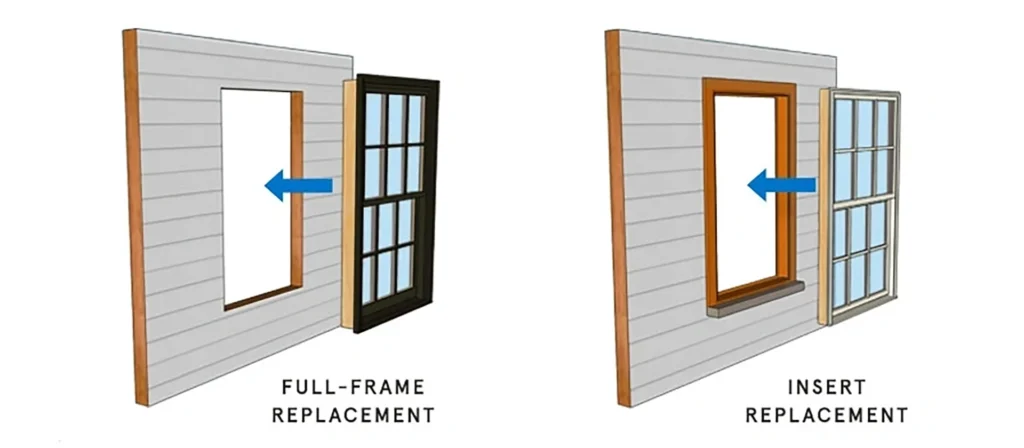
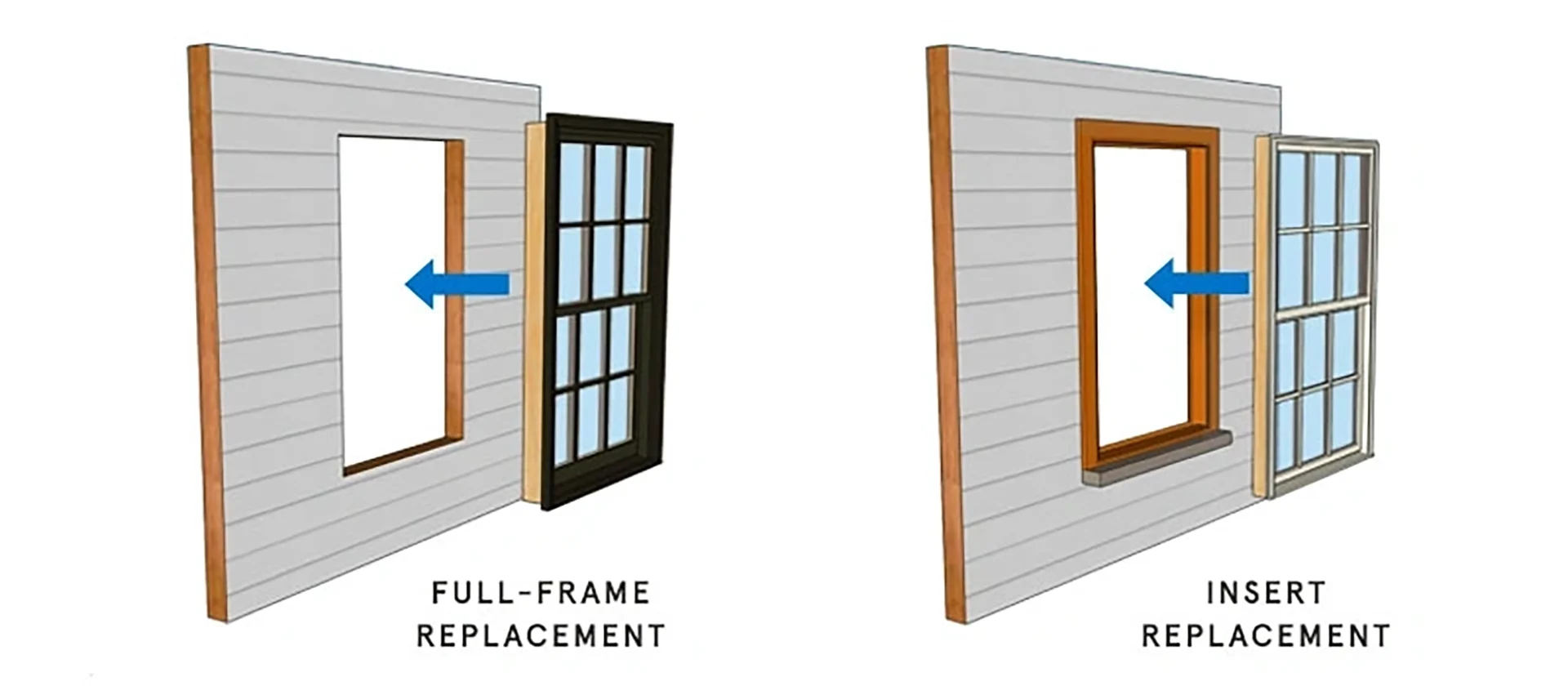
At its core, a full frame window replacement involves removing the existing window assembly—including the sash, frame, and sometimes the surrounding trim—and installing a brand‑new unit that fits directly into the rough opening. This method essentially rebuilds the window from the ground up, offering the most flexibility for upgrades in size, material, and performance.
In contrast, an insert window replacement (often called a retrofit or pocket replacement) keeps the original frame in place. The new sash slides into the existing opening, typically requiring only a small cutout for the sash and a few adjustments to the interior or exterior trim. This approach preserves much of the original structure, reducing labor time and minimizing disruption to the surrounding wall.
Both methods aim to improve energy efficiency, curb appeal, and functionality, but the path to achieving those goals varies. Below, we’ll explore the key factors that differentiate full frame vs insert window replacement, helping you decide which route aligns with your project’s priorities.
Cost Comparison: What’s the Financial Impact?

Budget considerations are often the deciding factor for homeowners. Full frame replacements tend to be more expensive due to the additional labor involved in removing the old frame, repairing any damage to the rough opening, and potentially re‑installing exterior cladding. Expect costs ranging from $600 to $1,200 per window, depending on material and size.
Insert replacements are generally more affordable, with prices typically falling between $300 and $700 per window. Because the existing frame remains intact, the labor hours are reduced, and there’s less need for extensive site preparation. However, if the original frame is compromised (rot, warping, or severe damage), the savings may disappear as additional repairs become necessary.
When planning your budget, also factor in ancillary expenses such as disposal fees, permit costs, and any interior finish work required to blend the new window with existing décor. A comprehensive cost estimate ensures you avoid surprise expenses later on.
Energy Efficiency and Performance Benefits
Both full frame and insert window replacement can dramatically improve a home’s thermal envelope, but the degree of improvement can vary. Full frame installations allow you to upgrade to the latest low‑E glass, multi‑pane configurations, and advanced framing materials (like fiberglass or composite). These upgrades can achieve U‑values as low as 0.25, translating into noticeable heating and cooling savings.
Insert windows also support modern glazing technologies, but the existing frame’s thermal performance may limit the overall efficiency gains. If your current frame is aluminum, for example, it may conduct heat more readily, reducing the potential impact of high‑performance glass. In such cases, a full frame replacement might be the better investment for long‑term energy savings.
To maximize performance, consider adding weatherstripping, insulated glazing, and proper installation techniques regardless of the method you choose. An energy audit before and after installation can quantify the savings and validate your investment.
Impact on Home Aesthetics and Architectural Integrity
From a design perspective, full frame vs insert window replacement offers different levels of visual flexibility. Full frame units give you the freedom to alter window dimensions, change the style of the sash (e.g., double‑hung, casement, or awning), and select new exterior finishes that harmonize with contemporary or historic aesthetics.
Insert replacements, while preserving the original frame, typically retain the existing window shape and exterior trim. This can be advantageous for historic homes where preserving architectural character is essential. However, it may limit your ability to introduce bold design statements, such as oversized picture windows or unique mullion patterns.
For homeowners seeking a seamless blend with modern décor, consider pairing new window designs with interior styling tips—like using sleek curtain tracks or minimalist blinds—to enhance the overall look. For inspiration, check out our guide on Stylish Small Apartment Décor: Maximizing Space with Modern Elegance, which showcases how window choices can influence room perception.
Installation Process: What to Expect
Understanding the installation workflow helps set realistic expectations and prepares you for any temporary inconveniences.
Full Frame Installation Steps
- Removal of the existing window, including frame and interior/exterior trim.
- Inspection and repair of the rough opening (e.g., fixing rot, reinforcing studs).
- Installation of flashing and waterproofing membranes to prevent leaks.
- Placement of the new window unit, ensuring level and plumb alignment.
- Securing the unit with screws, applying sealant, and re‑installing trim.
Insert (Retrofit) Installation Steps
- Measurement of the existing opening to confirm fit.
- Removal of the old sash while preserving the frame.
- Insertion of the new window into the pocket, often using a temporary bracing system.
- Adjustment of the sash for smooth operation and sealing the perimeter.
- Re‑application of interior or exterior trim as needed.
Both methods require skilled craftsmanship to ensure airtight seals and proper drainage. Choosing a reputable contractor with experience in the specific technique you prefer can reduce the risk of water infiltration and operational issues down the line.
Durability, Maintenance, and Longevity
Full frame windows typically offer superior durability because the entire assembly, including the frame, is new and built to current standards. Materials such as vinyl, fiberglass, and wood‑clad options resist warping, rot, and corrosion when properly maintained. With regular cleaning and occasional seal inspections, these windows can last 20–30 years or more.
Insert windows inherit the lifespan of the original frame. If the frame is in good condition—free of rot, insect damage, or structural compromise—the insert can perform admirably for many years. However, any underlying issues will likely surface sooner, potentially necessitating a later full frame replacement. Routine maintenance, such as repainting wooden frames and checking for moisture intrusion, extends the service life of both options.
Choosing the Right Option for Your Specific Situation
Deciding between full frame vs insert window replacement boils down to three core considerations: condition of the existing frame, budget constraints, and design aspirations.
- Frame Condition: If the current frame shows signs of decay, water damage, or structural weakness, a full frame replacement is the prudent choice.
- Budget: When cost is a primary driver and the existing frame is sound, insert replacements deliver a cost‑effective upgrade.
- Design Goals: For homeowners aiming to change window proportions, upgrade to a different style, or match a modern interior scheme, full frame offers the flexibility needed.
By evaluating each factor, you can align your window upgrade strategy with the overall renovation plan, ensuring a cohesive and financially sensible outcome.
Quick Tips for a Successful Window Replacement Project
- Get at least three written quotes from licensed contractors; compare scope, warranties, and timelines.
- Schedule an energy audit before installation to identify the most impactful upgrades.
- Choose low‑E, double‑or triple‑pane glass with an appropriate gas fill for your climate zone.
- Coordinate window finishes with interior décor—consider matching trim color with wall paint or using contrasting hues for a statement look.
- Don’t overlook local building codes; permits may be required for full frame replacements.
Common Mistakes to Avoid
Even experienced homeowners can stumble during window projects. Below are frequent pitfalls and how to sidestep them:
- Skipping Frame Inspection: Assuming the existing frame is fine without a thorough check can lead to premature failures. Always assess for rot, warping, or moisture damage.
- Choosing the Wrong Glass Type: Selecting a single‑pane or low‑performance glass defeats the energy‑saving purpose of the upgrade. Opt for low‑E, insulated glazing.
- Improper Flashing Installation: Poor flashing invites leaks. Ensure your contractor follows industry‑standard flashing techniques.
- Neglecting Interior Trim Adjustments: A new window can look out of place if interior trim isn’t updated to match the new depth or style.
- Overlooking Maintenance Plans: Regular cleaning and seal checks prolong window life; schedule them as part of your home maintenance routine.
Frequently Asked Questions
Is a full frame replacement always more expensive than an insert?
Generally, yes. Full frame replacements involve more labor and material costs because the old frame is removed and a new rough opening is prepared. However, the price gap narrows if extensive repairs are needed for the existing frame in an insert project.
Can I install new windows myself, or should I hire a professional?
While DIY kits exist for insert windows, professional installation is recommended for both methods. Proper flashing, sealing, and alignment are critical for performance and warranty compliance, and a licensed contractor can ensure code adherence.
Do insert windows affect the structural integrity of load‑bearing walls?
Insert windows typically do not compromise structural integrity because the original frame—often part of the wall’s support system—remains untouched. Full frame replacements may require temporary shoring and careful reinforcement, especially in load‑bearing applications.
How does window replacement impact my home’s resale value?
Both full frame and insert replacements can boost resale value, but full frame upgrades often command higher appraisal increases due to their comprehensive nature and ability to modernize the façade.
What is the best window material for low‑maintenance, modern homes?
Fiberglass and high‑quality vinyl offer excellent durability, low maintenance, and strong thermal performance, making them popular choices for contemporary interiors.
Are there any tax credits or rebates for energy‑efficient window upgrades?
Many regions offer incentives for installing ENERGY STAR® certified windows. Check local utility providers and government programs for rebate eligibility before purchasing.
Choosing between full frame vs insert window replacement is not merely a cost decision—it’s an opportunity to enhance comfort, energy efficiency, and visual appeal. By assessing the condition of your existing frames, aligning with your design vision, and partnering with skilled professionals, you can achieve a window upgrade that serves your home for decades.
Ready to start your transformation? Explore more ideas on how window choices integrate with modern interior design, such as the GE Monogram vs Café comparison for sleek kitchen appliances, or discover how the right color palette—like Natural Cream vs Edgecomb Gray—can amplify the natural light entering through your new windows.
Remember, the best window solution respects both the structural realities of your home and the aesthetic aspirations you hold. With thoughtful planning and informed choices, your windows will become a lasting source of beauty, efficiency, and comfort.