
Table of Contents
- fireclay vs ceramic: Understanding the Basics
- Durability and Maintenance: Which Stands the Test?
- Aesthetic Versatility: Color, Texture, and Style
- Cost and Sustainability Considerations
- Ideal Applications in Different Rooms
- Choosing the Right Material for Your Space
- fireclay vs ceramic: Which Material Aligns With Your Lifestyle?
- Quick Home Décor Tips
- Common Mistakes to Avoid
- Frequently Asked Questions
Fireclay vs Ceramic: A Comprehensive Guide for Modern Home Design
When it comes to choosing the right material for countertops, tiles, or decorative pieces, the debate often lands on fireclay vs ceramic. Both materials have a long history in architecture and interior design, yet they serve distinct purposes and offer different performance characteristics. Understanding these nuances can help homeowners, renters, and design enthusiasts make informed decisions that blend durability with aesthetic appeal.
This article breaks down the key attributes of fireclay and ceramic, compares their strengths and limitations, and provides practical tips for incorporating the right choice into various rooms of your home. Whether you’re remodeling a kitchen, refreshing a bathroom, or adding a statement piece to a living area, the insights here will guide you toward a material that aligns with your style, budget, and lifestyle.
fireclay vs ceramic: Understanding the Basics
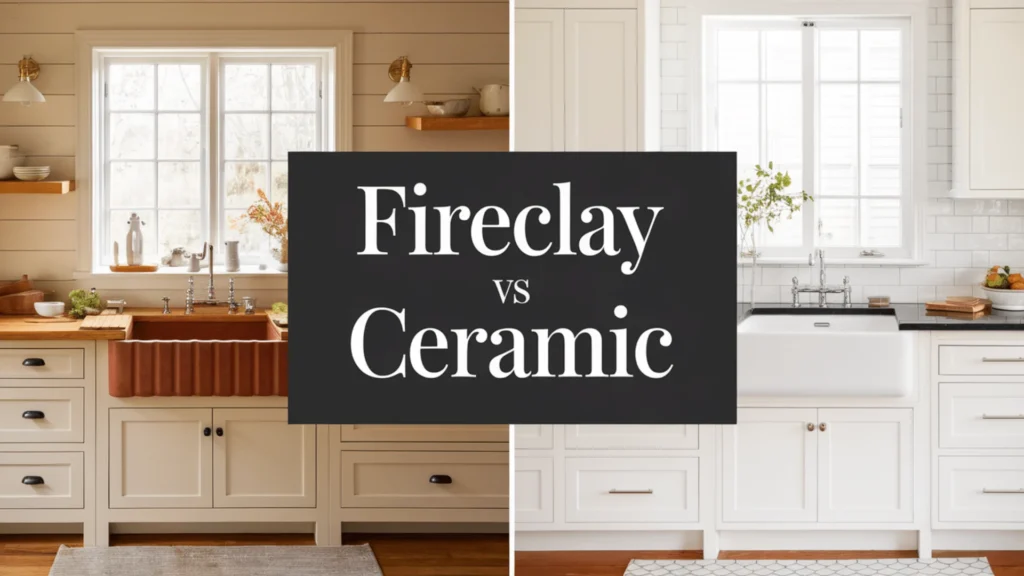
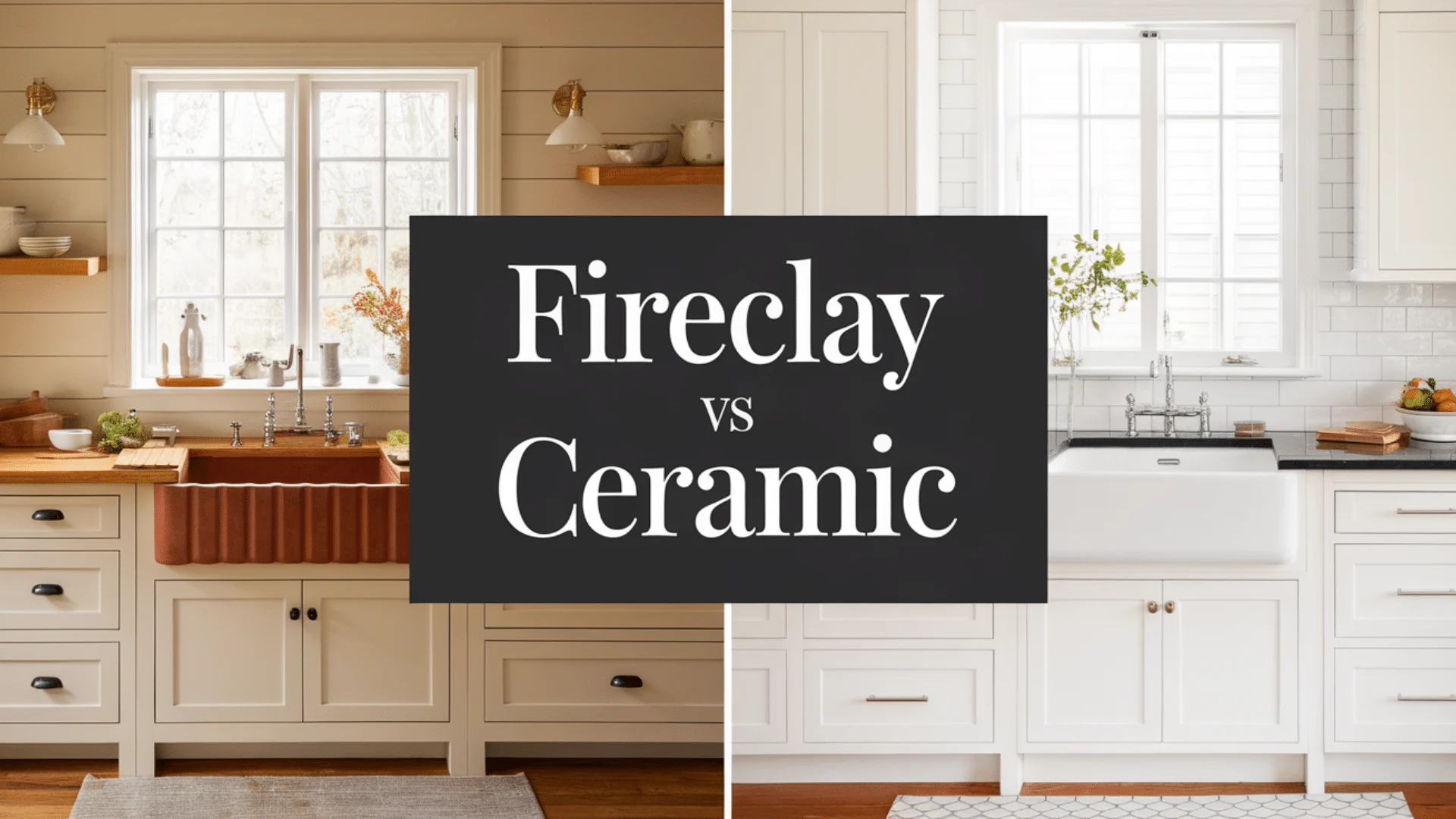
Fireclay is a dense, high‑temperature clay that is fired at temperatures often exceeding 2,300 °F (1,260 °C). The intense heat vitrifies the material, resulting in a hard, non‑porous surface that resists staining and moisture. Historically, fireclay was used for industrial furnace linings, but today it finds a home in sleek kitchen backsplashes, bathroom tiles, and even sculptural décor.
Ceramic, on the other hand, refers to a broader family of clay‑based products that are typically fired at lower temperatures (around 1,800 °F or 980 °C). The lower firing point yields a more porous material unless it is glazed. Ceramics are celebrated for their versatility in color, pattern, and finish, making them a popular choice for decorative tiles, wall art, and lightweight accessories.
Both fireclay and ceramic can be glazed, but the glaze behaves differently due to the underlying body. A fireclay piece will have a more robust glaze that adheres tightly, while a ceramic glaze may be more prone to chipping if not properly sealed.
Durability and Maintenance: Which Stands the Test?

When evaluating fireclay vs ceramic for high‑traffic areas, durability is a top concern. Fireclay’s high firing temperature gives it a compressive strength comparable to stone, making it resistant to scratches, cracks, and thermal shock. This makes fireclay an excellent choice for kitchen countertops where hot pots and heavy cookware are common.
Ceramic, while still durable, is generally softer and can be more susceptible to chips, especially at the edges. However, modern ceramic tiles often feature a reinforced core or a porcelain blend that narrows the performance gap. Maintenance for both materials typically involves wiping with a mild detergent and avoiding abrasive cleaners, but fireclay’s non‑porous nature means it rarely needs resealing.
- Fireclay: Highly resistant to stains, heat, and moisture; minimal sealing required.
- Ceramic: Good stain resistance when glazed; may need periodic resealing in high‑moisture zones.
- Both: Regular cleaning with pH‑neutral cleaners extends lifespan.
Aesthetic Versatility: Color, Texture, and Style

Design flexibility is where fireclay vs ceramic truly diverge. Ceramic’s lower firing temperature allows for a wider palette of glazes, from matte pastels to high‑gloss metallics. This makes ceramic an ideal medium for intricate patterns, hand‑painted motifs, and vibrant mosaics that can transform a modest bathroom into a statement space.
Fireclay offers a more restrained aesthetic, often showcasing natural earth tones, subtle speckles, and a smooth matte finish. Its understated look pairs well with modern minimalism, industrial lofts, and rustic farmhouse interiors. When paired with a polished glaze, fireclay can also achieve a sleek, contemporary sheen without sacrificing its inherent strength.
For homeowners seeking a bold visual impact, modern organic home décor inspiration can guide you in blending fireclay’s natural texture with organic elements like reclaimed wood and live plants.
Cost and Sustainability Considerations
Budget constraints often influence the fireclay vs ceramic decision. Generally, fireclay is priced higher due to its intensive firing process and the premium raw materials required. However, the long‑term savings from reduced maintenance and replacement can offset the initial outlay.
Ceramic is typically more affordable, especially when mass‑produced. It also offers sustainable options, such as tiles made from recycled clay or those produced using energy‑efficient kilns. When evaluating sustainability, consider the entire lifecycle: fireclay’s longevity means fewer replacements, while ceramic’s lower production energy can be a greener choice if sourced responsibly.
Ideal Applications in Different Rooms
Choosing the right material depends on the room’s functional demands and design goals. Below is a quick guide:
- Kitchen: Fireclay countertops or backsplashes excel under heat and heavy use. Ceramic tiles work well for decorative accent walls.
- Bathroom: Both fireclay and glazed ceramic tiles resist moisture, but fireclay offers a cleaner, seamless look for shower walls.
- Living Room: Ceramic decorative panels or fireclay fireplace surrounds can become focal points.
- Small Apartments: Lightweight ceramic tiles are easier to install, while fireclay accent pieces add a sense of solidity without overwhelming the space. See our decorating small apartments guide for layout tricks.
Choosing the Right Material for Your Space
To decide between fireclay and ceramic, ask yourself the following questions:
fireclay vs ceramic: Which Material Aligns With Your Lifestyle?
- Do you frequently cook with high heat? Fireclay’s heat resistance makes it ideal.
- Is a bold, colorful pattern a priority? Ceramic’s glaze variety will deliver.
- Is budget a primary driver? Ceramic often provides cost‑effective solutions.
- Do you value sustainability? Consider the source and lifespan of each material.
By matching material properties to your daily habits and design aspirations, you can ensure the choice feels both functional and beautiful for years to come.
Quick Home Décor Tips
- Combine fireclay countertops with matte ceramic wall tiles for a balanced contrast of texture.
- Use a single pop‑of‑color ceramic backsplash to enliven a neutral kitchen palette.
- Seal porous ceramic tiles in wet rooms to prevent moisture penetration.
- Pair fireclay floor tiles with warm wood accents to soften the overall feel.
- Layer small ceramic mosaic accents behind glass shelving for visual interest.
Common Mistakes to Avoid
Even seasoned designers can stumble when navigating fireclay vs ceramic. Here are pitfalls to watch for:
- Ignoring thermal expansion: Installing fireclay in an area with extreme temperature swings without proper expansion joints can lead to cracks.
- Choosing the wrong glaze for high‑traffic zones: A glossy glaze may be slippery when wet; opt for a matte or textured finish in bathrooms.
- Undervaluing installation costs: Fireclay’s weight requires stronger subfloors; neglecting this can cause long‑term structural issues.
- Overlooking resale impact: While fireclay adds durability, certain buyers may prefer the versatility of ceramic for future remodeling.
Frequently Asked Questions
Is fireclay suitable for outdoor use?
Fireclay’s high density makes it resistant to freeze‑thaw cycles, but it should be sealed and installed with proper drainage to prevent moisture buildup.
Can I install fireclay tiles myself?
Due to the weight and need for precise leveling, professional installation is recommended, especially for large surfaces like kitchen countertops.
How does fireclay compare to porcelain?
Both are dense and low‑porosity, but fireclay typically offers a warmer, more natural texture, whereas porcelain provides a sharper, more uniform finish.
Do ceramic tiles require grout sealing?
If the tiles are glazed, grout sealing is essential to prevent staining. Unglazed ceramic may also benefit from a sealant in wet areas.
Which material is more environmentally friendly?
Ceramic can be greener if produced with recycled content and energy‑efficient kilns. Fireclay’s longevity reduces replacement frequency, offering a different sustainability angle.
For a broader view of how material choices influence overall home design, check out our analysis of home design trends and how they shape modern living spaces.
When you weigh fireclay vs ceramic, remember that the best choice aligns with both functional needs and the visual story you want to tell in your home. By understanding each material’s strengths, you can curate spaces that are not only beautiful but also built to last.