
Table of Contents
- Understanding the Core Differences: Farmhouse Sink vs Undermount
- Design Aesthetics of Farmhouse Sink vs Undermount
- Functional Benefits of Farmhouse Sink vs Undermount
- Installation Considerations for Farmhouse Sink vs Undermount
- Structural Requirements of Farmhouse Sink vs Undermount
- Cost Implications of Farmhouse Sink vs Undermount Installation
- Materials and Durability: Farmhouse Sink vs Undermount Options
- Popular Materials for Farmhouse Sink vs Undermount
- Maintenance Tips for Long‑Lasting Performance
- Style Integration: Matching Farmhouse Sink vs Undermount with Kitchen Décor
- Color Coordination and Finish Pairing
- Complementary Fixtures and Accessories
- Space Planning: How Farmhouse Sink vs Undermount Affects Kitchen Layout
- Small Kitchens and Compact Designs
- Open‑Concept and Large‑Scale Kitchens
- Quick Tips for Choosing Between Farmhouse Sink and Undermount
- Common Mistakes to Avoid When Selecting Farmhouse Sink vs Undermount
- Frequently Asked Questions
- Conclusion
Farmhouse Sink vs Undermount – Which Style Fits Your Kitchen Best?
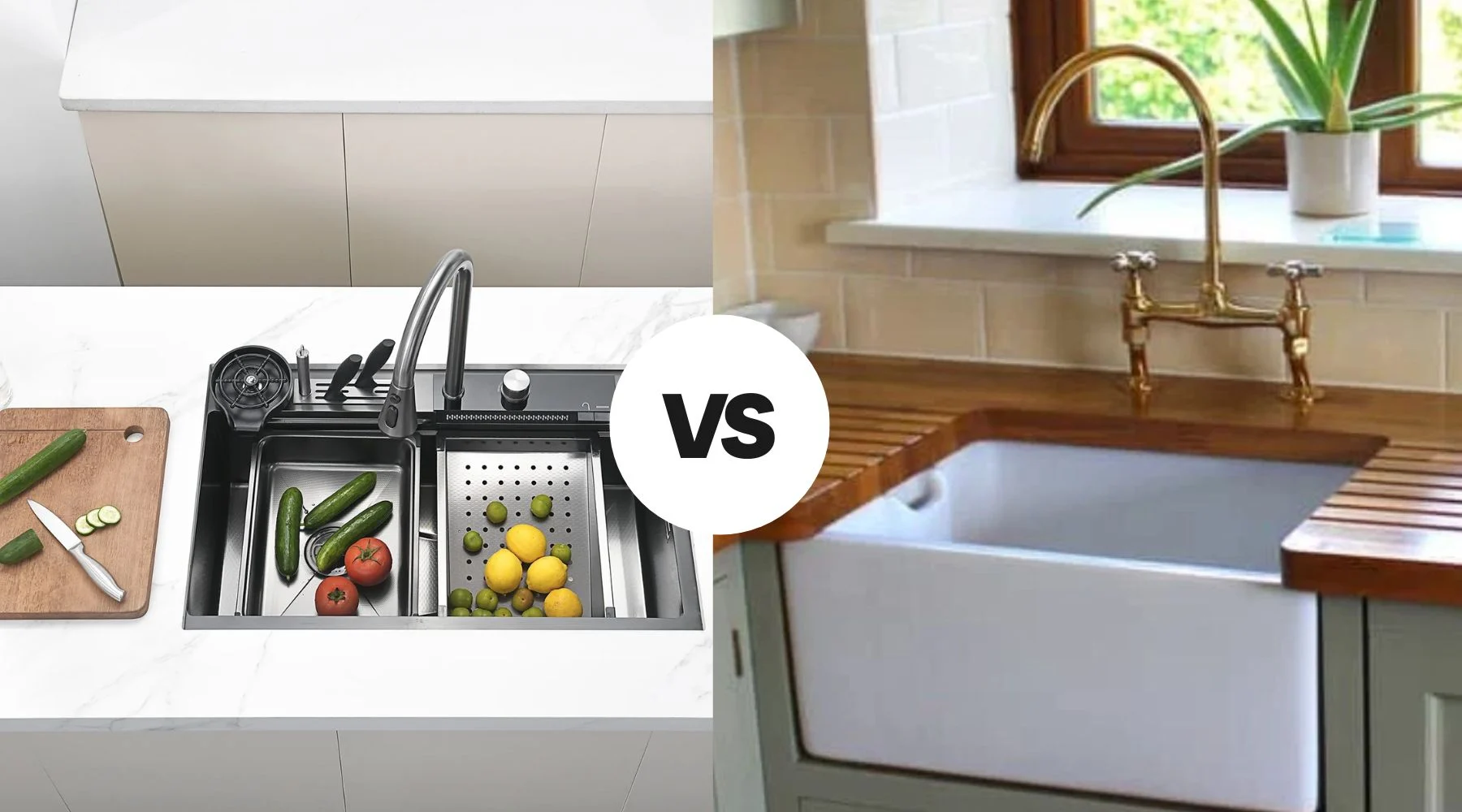
When it comes to updating a kitchen, the sink is often the centerpiece that sets the tone for the entire space. Two of the most popular choices today are the classic farmhouse sink and the sleek undermount sink. Both have distinct aesthetics, functional benefits, and installation requirements, which can make the decision feel overwhelming. Whether you’re a homeowner embarking on a full remodel, a renter looking for a quick upgrade, or a design enthusiast seeking inspiration, understanding the nuances of farmhouse sink vs undermount will help you make a confident choice that aligns with your lifestyle and style preferences.
In this guide, we’ll walk through the visual appeal, practical performance, cost factors, and spatial considerations of each option. By the end, you’ll have a clear roadmap for selecting the sink that not only meets your daily needs but also enhances the overall design narrative of your kitchen.
Understanding the Core Differences: Farmhouse Sink vs Undermount

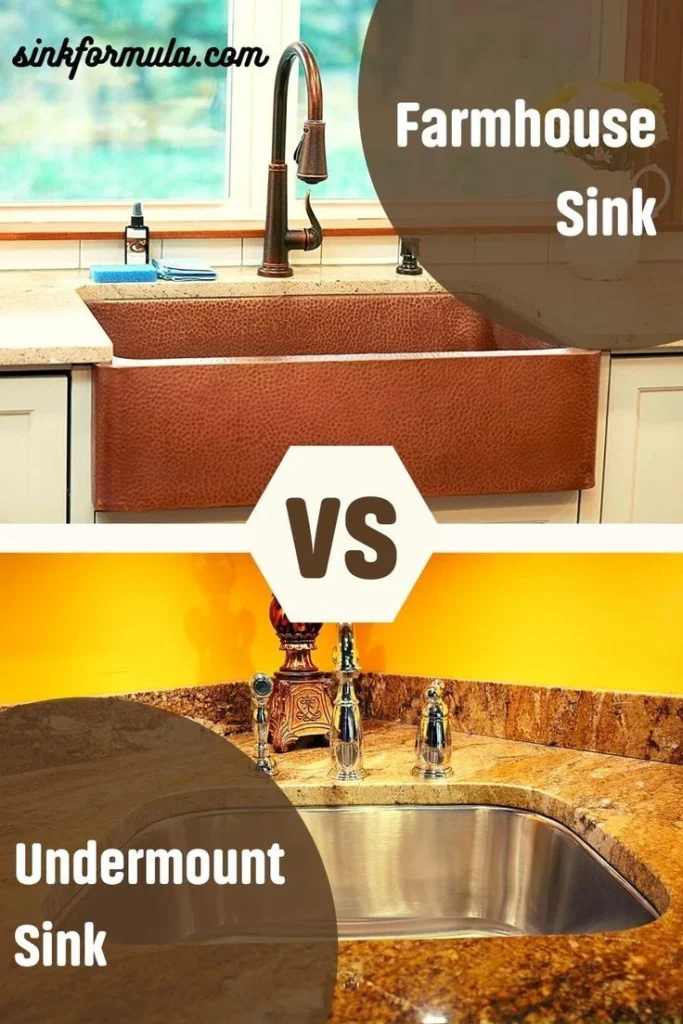
The first step in the decision‑making process is to grasp what sets a farmhouse sink apart from an undermount sink. At a glance, a farmhouse sink—also known as an apron‑front sink—features a protruding front panel that extends beyond the countertop, creating a bold, rustic look. An undermount sink, on the other hand, is installed beneath the countertop surface, offering a seamless edge that emphasizes clean lines and modern minimalism.
Design Aesthetics of Farmhouse Sink vs Undermount
Farmhouse sinks instantly evoke a sense of country charm. Their deep bowls and exposed front make them ideal for kitchens that embrace natural wood, exposed beams, or vintage accessories. If you love the feel of a well‑worn farmhouse table paired with a large, welcoming sink, this style reinforces that warm, lived‑in vibe.
Undermount sinks, by contrast, excel in contemporary settings. The lack of a visible rim creates a fluid transition from countertop to sink, which is especially effective when you choose a slab or quartz surface. This design encourages a tidy appearance—spills run directly into the basin without creating a gutter around the edge, supporting a sleek, uncluttered look.
Functional Benefits of Farmhouse Sink vs Undermount
- Depth and Capacity: Farmhouse sinks usually offer deeper basins (up to 20 inches), making it easier to handle large pots, pans, and even a dishwasher load without splashing.
- Ease of Cleaning: Undermount sinks eliminate the lip where grime can accumulate, simplifying daily wipe‑downs and allowing you to sweep crumbs directly into the sink.
- Ergonomics: The apron front of a farmhouse sink can bring the basin closer to the user, reducing the need to bend, while an undermount sink keeps the countertop level, which some find more comfortable for quick hand‑washing tasks.
Choosing between these two ultimately hinges on which functional traits align with your cooking habits and how you envision the sink fitting into your overall kitchen narrative.
Installation Considerations for Farmhouse Sink vs Undermount

Beyond style, the installation process can heavily influence cost, timeline, and even the structural integrity of your countertop. Understanding the technical requirements of each option prevents unexpected surprises during the remodel.
Structural Requirements of Farmhouse Sink vs Undermount
Farmhouse sinks demand a sturdy countertop that can support the weight of the sink, especially when filled with water and dishes. Materials such as fire‑clay, cast iron, or thick stainless steel are common choices because they can bear the extra load without flexing. In addition, the countertop edge must be reinforced with a support frame to hold the apron front securely.
Undermount sinks rely on a solid bonding agent—typically a high‑quality silicone sealant—and often require a solid surface countertop (granite, quartz, marble, or solid surface). Porous materials like laminate or wood may need a custom lip or a special mounting system to ensure a watertight seal. Because the sink is hidden beneath the countertop, precise alignment is crucial; any misstep can lead to water leakage and costly repairs.
Cost Implications of Farmhouse Sink vs Undermount Installation
Installation labor for a farmhouse sink can be more expensive due to the need for additional reinforcement and potential countertop modifications. You may also need to purchase a custom cutout, especially if the sink’s dimensions exceed standard sizes.
Undermount installations generally involve a lower labor cost for the sink itself but may increase expenses if you opt for a premium solid surface countertop. However, the sleek finish can add resale value, making it an investment that pays off over time.
When budgeting, factor in both the sink price and the necessary countertop work. A well‑planned installation strategy can keep the project within scope while delivering a high‑quality result.
Materials and Durability: Farmhouse Sink vs Undermount Options
The material you choose for either style dramatically impacts durability, maintenance, and visual appeal. Below we compare the most common materials used for farmhouse sinks and undermount sinks.
Popular Materials for Farmhouse Sink vs Undermount
- Fire‑Clay: A traditional farmhouse material known for its deep, matte finish and exceptional resistance to scratches and stains. It offers a rustic look that ages gracefully.
- Stainless Steel: Widely used for both farmhouse and undermount sinks, it provides a contemporary feel, is easy to clean, and resists corrosion. Thicker gauges (18‑22 gauge) are preferred for durability.
- Copper: Adds a warm, artisanal touch to farmhouse sinks, developing a natural patina over time. It requires periodic polishing to maintain its shine.
- Composite Granite: Frequently chosen for undermount sinks, this engineered material mimics the look of stone while offering resistance to chips and heat.
- Quartz: Provides a seamless, non‑porous surface when paired with undermount installations, ensuring a hygienic environment.
Maintenance Tips for Long‑Lasting Performance
Regardless of the style, regular care extends the life of your sink. For farmhouse sinks made of fire‑clay or copper, avoid abrasive cleaners that can dull the surface; a gentle soap and soft cloth work best. Stainless steel sinks benefit from a vinegar rinse to remove water spots, while composite and quartz undermount sinks should be cleaned with a pH‑neutral cleanser to preserve the sealant.
One practical tip: place a cutting board or silicone mat over the sink when handling large items. This protects the finish and reduces the risk of accidental dents, especially in thinner stainless steel models.
Style Integration: Matching Farmhouse Sink vs Undermount with Kitchen Décor
The sink you select should harmonize with the broader design language of your kitchen. Below we explore ways to integrate each option into various décor schemes.
Color Coordination and Finish Pairing
Farmhouse sinks often come in classic white, muted earth tones, or bold copper. Pair a white fire‑clay sink with a warm, natural wood countertop for a timeless farmhouse vibe. If your kitchen leans toward a coastal feel, consider a pastel‑hued farmhouse sink to echo sea‑foam tones.
Undermount sinks provide an opportunity for a monochromatic look. Pair a sleek black composite granite undermount with dark cabinets for a dramatic, high‑contrast kitchen. Alternatively, a light quartz undermount works beautifully with light‑colored cabinets and brushed brass hardware, creating an airy, modern aesthetic.
Complementary Fixtures and Accessories
When choosing fixtures, think about the visual weight of the sink. A farmhouse sink pairs well with a high‑arc, bridge‑style faucet that mirrors its traditional roots. Brass or oil‑rubbed bronze finishes enhance the vintage appeal.
Undermount sinks benefit from streamlined, single‑hole pull‑down faucets that keep the countertop clean and uncluttered. Matte black or brushed nickel finishes complement the minimalist vibe, while also coordinating nicely with modern lighting solutions that emphasize clean lines.
Don’t forget the accessories—think of a matching soap dispenser, a decorative dish rack, or a set of coordinating cutting boards that echo the sink’s material. These small details tie the look together and reinforce the design narrative.
Space Planning: How Farmhouse Sink vs Undermount Affects Kitchen Layout
The footprint of each sink type can influence traffic flow, countertop workspace, and overall ergonomics. Proper planning ensures you maintain functional efficiency without sacrificing style.
Small Kitchens and Compact Designs
In tight spaces, an undermount sink can make the area feel larger because the absence of a visible rim creates an uninterrupted visual plane. Pair it with a slim, integrated countertop edge to maximize usable surface area for prep work.
Conversely, a compact farmhouse sink—often available in 30‑inch widths—still offers deep bowls while occupying less horizontal space than a larger apron‑front model. If you love the farmhouse look but have limited room, opt for a narrower version and combine it with a floating countertop to keep the floor space open.
Open‑Concept and Large‑Scale Kitchens
For expansive kitchens with island layouts, a farmhouse sink becomes a statement piece that anchors the island’s visual focus. Its dramatic front can serve as a natural gathering point, encouraging conversation while cooking.
An undermount sink in an open‑plan kitchen promotes a seamless transition between cooking and entertaining zones. Because the countertop continues uninterrupted, you can place decorative trays, barware, or even a stylish canvas wall art display just beyond the sink without visual disruption.
Quick Tips for Choosing Between Farmhouse Sink and Undermount
- Assess your daily routine: If you frequently wash large pots, a deep farmhouse sink offers the capacity you need.
- Consider countertop material early: Undermount sinks require solid surfaces, while farmhouse sinks can work with a broader range of materials.
- Match the sink front to your design language—apron fronts for rustic charm, hidden edges for modern minimalism.
- Plan for reinforcement: Farmhouse sinks need extra support, which can add to installation cost.
- Think about resale value: Undermount sinks often appeal to a wider market, especially in high‑end modern homes.
Common Mistakes to Avoid When Selecting Farmhouse Sink vs Undermount
Even experienced homeowners can slip into pitfalls that compromise functionality or aesthetics. Below are some of the most frequent errors and how to sidestep them.
- Ignoring Cabinet Load Capacity: Heavy farmhouse sinks can strain cabinets if the underlying structure isn’t reinforced. Verify weight limits before ordering.
- Choosing the Wrong Faucet Size: A large bridge faucet can overwhelm a small farmhouse sink, while a tiny pull‑down faucet may look lost on a wide undermount basin.
- Neglecting Proper Sealant for Undermounts: Skimping on high‑quality silicone can lead to leaks that damage countertops. Invest in a reputable sealant and follow manufacturer guidelines.
- Overlooking Lifestyle Compatibility: If you have limited mobility, a shallow undermount sink with a low profile may be easier to access than a deep farmhouse basin.
- Failing to Coordinate with Overall Color Palette: A white farmhouse sink can clash with dark cabinets if not balanced with lighter countertops or accessories. Use color theory to guide your choices.
Frequently Asked Questions
Which sink is more hygienic, farmhouse sink or undermount?
Both can be kept sanitary, but undermount sinks have the advantage of a seamless edge that eliminates a groove where grime can collect. Regular cleaning with a non‑abrasive cleanser maintains hygiene for either style.
Can I install a farmhouse sink on a laminate countertop?
While possible with additional reinforcement, it’s not recommended because laminate may not support the sink’s weight over time. A solid surface or stone countertop is a safer option.
Do undermount sinks require special maintenance for the seal?
Yes, the silicone seal should be inspected annually for cracks or gaps. Reapply sealant as needed to prevent water infiltration, especially in high‑moisture environments.
Is a farmhouse sink more expensive than an undermount sink?
Generally, farmhouse sinks carry a higher upfront cost due to deeper basins, heavier materials, and additional installation labor. However, the price gap can narrow when comparing premium materials like fire‑clay versus high‑end quartz undermounts.
Can I mix styles, such as a farmhouse sink with modern hardware?
Absolutely. Pairing a traditional farmhouse sink with sleek, matte‑black faucets can create an eclectic look that balances warmth with contemporary edge. The key is to maintain a cohesive color scheme.
How does the choice affect resale value?
Undermount sinks tend to appeal to a broader buyer base because of their modern aesthetic and ease of cleaning, potentially boosting resale value. Farmhouse sinks attract buyers seeking a rustic charm, which can be a selling point in certain markets.
Conclusion
Choosing between a farmhouse sink and an undermount sink is more than a style decision; it’s about aligning functionality, budget, and the overall vision for your kitchen. Farmhouse sinks bring depth, character, and a nod to traditional craftsmanship, while undermount sinks deliver a sleek, seamless appearance that complements contemporary interiors. By weighing installation requirements, material durability, space constraints, and personal cooking habits, you can select the sink that best serves your daily routines and aesthetic goals. Remember to coordinate fixtures, accessories, and surrounding décor to create a harmonious environment—whether that includes a neutral runner rug that ties the floor to the sink’s material or a thoughtfully placed piece of wall art. With the right choice, your kitchen will not only look beautiful but also function efficiently for years to come.