
Table of Contents
- Smart entryway decorating ideas for small homes
- Why entryway decorating ideas for small homes matter
- Use light and color to open up the entryway
- Functional storage solutions that enhance aesthetics
- Mirrors and reflective surfaces: Trick the eye
- Multi‑purpose furniture for tight footprints
- Add personal touches without clutter
- Creative wall treatments and artwork
- Lighting strategies for small entrances
- Quick tips for entryway decorating
- Common mistakes to avoid
- Frequently Asked Questions
Entryway Decorating Ideas for Small Homes: Maximizing Style and Space
Walking through the front door sets the tone for the rest of your living environment. In a small home, the entryway often feels like a pressure point—too little space to store coats, shoes, and keys, yet you still want it to feel welcoming and stylish. That’s why mastering entryway decorating ideas for small homes is essential. By treating the entryway as a curated vignette rather than a simple hallway, you can make a powerful first impression without sacrificing functionality.
In this guide, we’ll explore how light, color, storage, and thoughtful accessories can transform even the most compact foyer into a polished, organized welcome area. Whether you rent an apartment, live in a tiny house, or simply have a narrow hallway, the strategies below are designed to fit snug spaces while delivering a modern, cohesive look. Let’s dive into the practical, design‑driven solutions that will help you love the way you come home.
Smart entryway decorating ideas for small homes
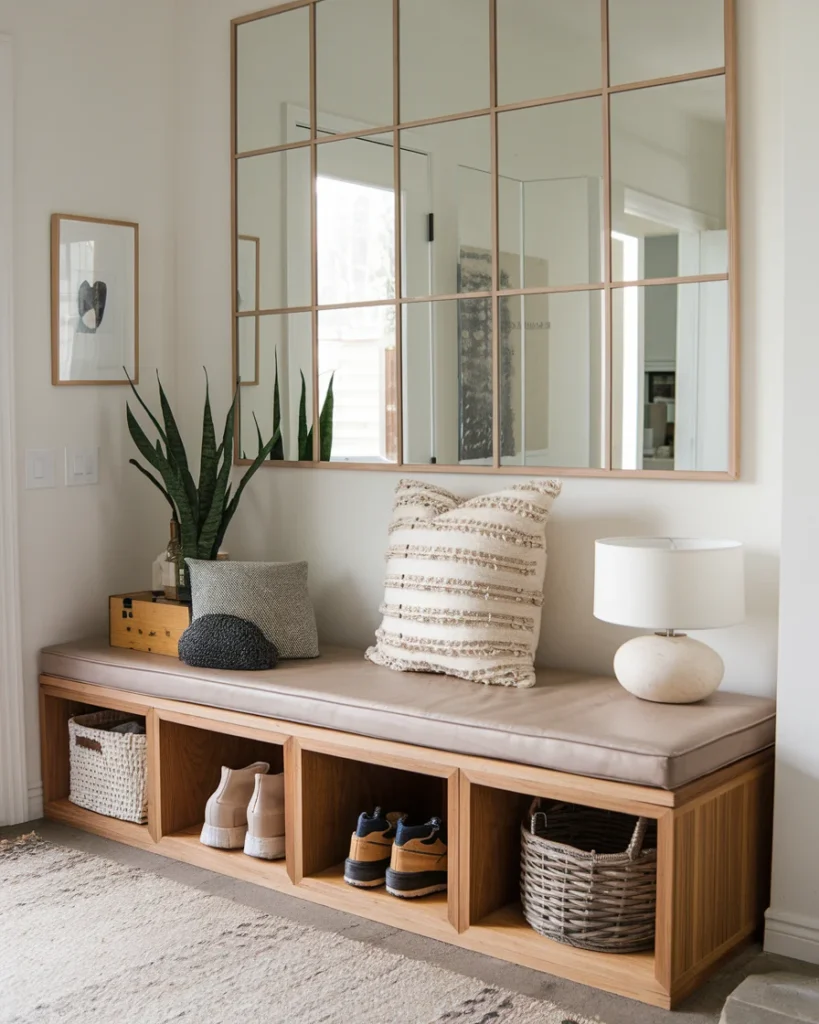
When space is at a premium, every design decision counts. The first step is to assess the flow of traffic and identify the essential functions your entryway must serve—typically a spot for shoes, a place for keys, and a visual cue that welcomes guests. By focusing on these core needs, you can select entryway decorating ideas for small homes that are both purposeful and aesthetically pleasing.
Why entryway decorating ideas for small homes matter
- First impressions: A tidy, well‑styled entryway signals that the rest of the home is thoughtfully designed.
- Functionality: Clever storage solutions prevent clutter from spilling into living areas.
- Space perception: Light colors, mirrors, and strategic lighting can make the area feel larger than it is.
Applying these principles early on ensures that each decorative choice supports both form and function, creating a harmonious transition from outdoors to indoors.
Use light and color to open up the entryway
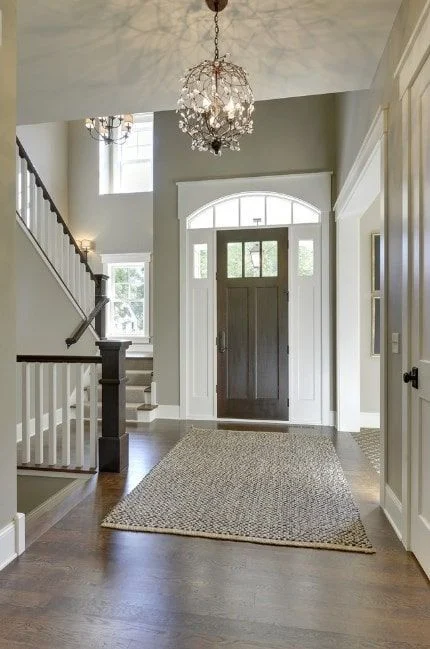
Light and color are the most immediate tools you have for expanding visual space. Opt for a soft, neutral palette—think warm whites, light greys, or muted pastels—to reflect natural light and create an airy feel. If your entryway receives limited daylight, incorporate LED strip lighting or a slim wall sconce that washes the walls with a gentle glow.
For an extra pop without overwhelming the space, add a single accent piece, such as a painted console table or a bold rug. This technique follows interior design tips that advocate for “one‑statement‑piece” rules, which keep the look cohesive while still injecting personality.
Functional storage solutions that enhance aesthetics
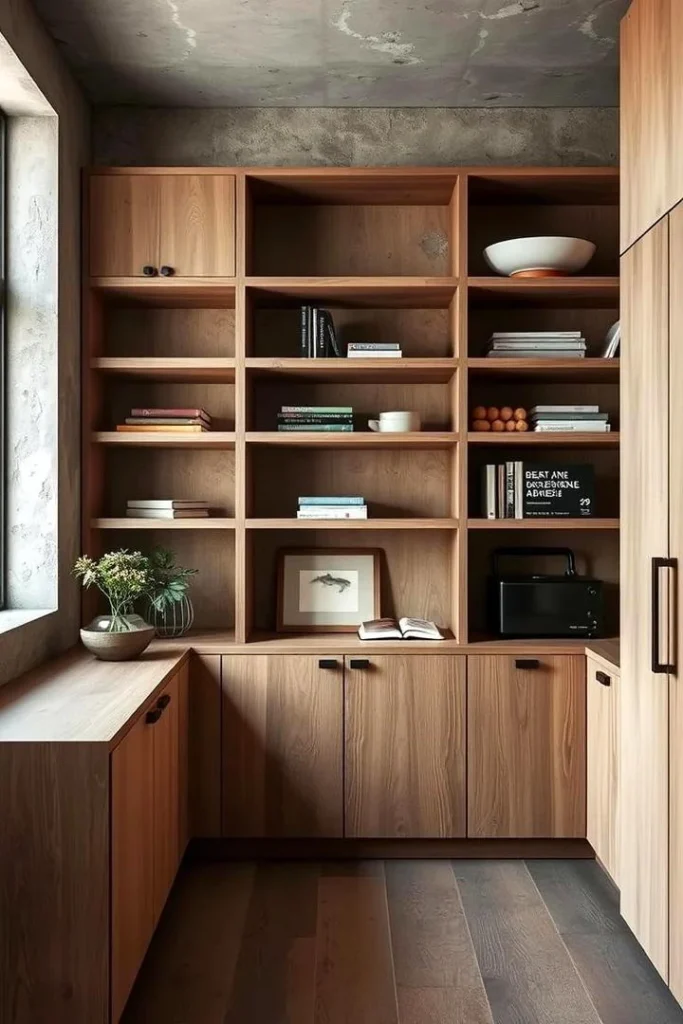
Storage is the heart of entryway decorating ideas for small homes. Choose pieces that serve dual purposes, like a bench with hidden compartments or a wall‑mounted cubby system that doubles as a gallery wall. Open shelving can display decorative baskets, while also keeping everyday items within reach.
Consider a slim, vertical coat rack with sleek hooks to free up floor space. Pair it with a decorative tray for keys and mail—this small habit keeps flat surfaces clear and maintains a streamlined appearance.
Mirrors and reflective surfaces: Trick the eye
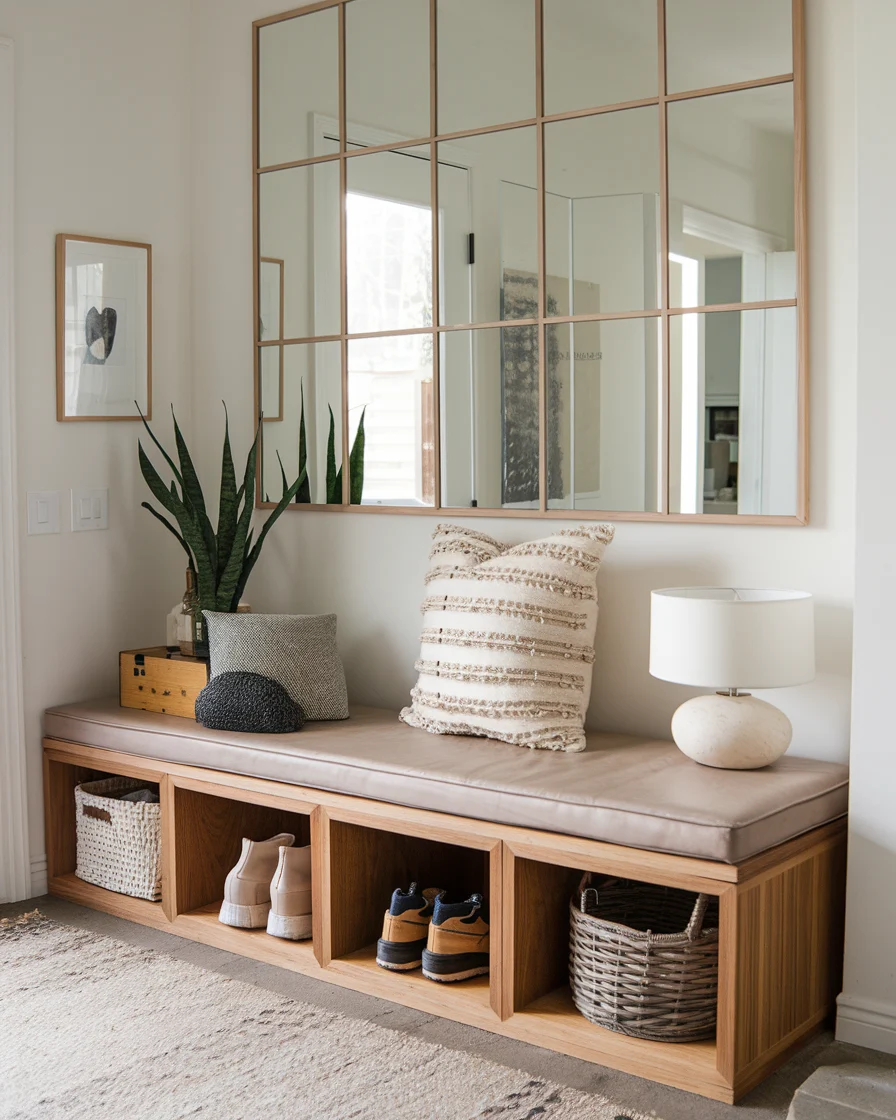
Mirrors are a classic small‑space hack, and they work wonders in an entryway. A large, rectangular mirror placed opposite a window will bounce light throughout the foyer, instantly enlarging the perception of space. If wall space is limited, a series of smaller round mirrors arranged in a grid can serve as both functional décor and an artistic focal point.
Beyond mirrors, glossy finishes on furniture—like a lacquered console or a glass vase—can also reflect light, adding depth without cluttering the visual field.
Multi‑purpose furniture for tight footprints
In small homes, furniture must wear many hats. A narrow console table with built‑in drawers can hold mail, wallets, and charging stations, while its top surface supports a decorative lamp or a small plant. For those who need a place to sit, a slim upholstered bench provides seating for putting on shoes and also offers hidden storage beneath.
When selecting pieces, prioritize clean lines and slender profiles. A floating shelf above the bench can house a few decorative items without sacrificing headroom, keeping the area feeling open.
Add personal touches without clutter
Personalization is essential for making an entryway feel like home, but it must be balanced against the limited square footage. Choose one or two meaningful items—perhaps a framed family photo, a small sculpture, or a handcrafted vase. Display these on a narrow wall shelf or atop a console table, allowing them to shine without overcrowding the space.
Seasonal décor, like a modest wreath or a set of scented candles, can be swapped out throughout the year, providing variety while maintaining a consistent underlying design.
Creative wall treatments and artwork
Wallpaper or a bold paint color can add texture and depth to an otherwise plain entryway. For a subtle yet sophisticated look, consider a muted geometric pattern that complements the rest of your home décor. If you prefer artwork, a single large piece or a curated gallery wall of small frames can become a focal point.
When selecting artwork, keep scale in mind: a piece that is too large can dominate a tiny foyer, while a collection of small, uniformly spaced frames can create a balanced visual rhythm.
Lighting strategies for small entrances
Good lighting is crucial for safety and ambience. A recessed ceiling light provides even illumination without taking up wall space. Pair it with a stylish pendant or a small chandelier if you have a higher ceiling—just be sure the fixture is proportionate to the entryway size.
For added warmth, a table lamp on the console or a wall‑mounted sconce can create a cozy nook for evening arrivals. Remember, layered lighting—ambient, task, and accent—offers flexibility and enhances the overall mood.
Quick tips for entryway decorating
- Choose a narrow console with built‑in storage.
- Hang a large mirror opposite natural light.
- Use a light, neutral paint color on walls.
- Incorporate a single bold accent piece.
- Add a slim wall‑mounted coat rack.
Common mistakes to avoid
Even with the best intentions, certain pitfalls can undermine your effort. Overcrowding the entryway with too many decorative objects creates visual chaos and reduces perceived space. Selecting furniture that is too bulky blocks traffic flow and makes the area feel cramped. Finally, ignoring lighting—especially in darker homes—can leave the foyer feeling gloomy and uninviting. By staying mindful of these errors, you can maintain a balance between style and practicality.
Frequently Asked Questions
How can I maximize storage in a narrow entryway?
Utilize vertical space with wall‑mounted shelves, narrow coat racks, and slim hooks. Choose furniture that offers hidden compartments, like benches with lift‑top storage, to keep items out of sight while remaining easily accessible.
What colors work best for small entryways?
Light, neutral tones such as soft whites, pale greys, and muted pastels reflect light and make the area feel larger. You can add a splash of color through accessories like rugs or artwork without overwhelming the space.
Is it okay to use a rug in a tiny foyer?
Yes—a small, low‑pile rug adds texture and defines the entry zone. Choose a size that leaves a border of floor visible to avoid a cramped look. A rug with a subtle pattern can also contribute visual interest.
Can I incorporate plants in my entryway?
Absolutely. Opt for compact, low‑light tolerant plants such as snake plants or pothos. Place them on a narrow console or a wall shelf to bring a touch of nature without taking up valuable floor space.
Should I install a mirror in every small entryway?
Mirrors are highly effective for enlarging visual space, but the size and placement matter. A single large mirror opposite a window works best, while multiple smaller mirrors can create an artistic gallery effect without overwhelming the wall.
For more inspiration on coordinating different areas of your home, see our guide on Bathroom décor with clay jars. If you’re interested in adding a garden vibe to your foyer, explore Peony vs Hydrangea for seasonal color ideas. And when planning ceiling height considerations for a grander feel, read about 10 ft vs 12 ft Ceilings.
By thoughtfully applying these entryway decorating ideas for small homes, you’ll create a welcoming, organized, and stylish entry that sets the perfect tone for the rest of your living space. Remember, the key is to balance function with aesthetics—choose pieces that serve a purpose while reflecting your personal style, and don’t be afraid to experiment with light, color, and texture.
[ CATEGORY ]: Home Decor Ideas