
Table of Contents
- Why Wooden Bowls Work Perfectly for Kitchen Shelf Décor
- Choosing the Right Wood for Your Kitchen Shelf Décor with Wooden Bowls
- Design Strategies: Arranging Wooden Bowls on Open Shelves
- Color Coordination and Seasonal Swaps
- Integrating Wooden Bowls with Other Natural Elements
- Small Kitchen Solutions: Maximizing Limited Shelf Space
- Maintenance Tips to Keep Wooden Bowls Looking Fresh
- Quick Home Décor Tips for Kitchen Shelf Décor with Wooden Bowls
- Common Mistakes and How to Avoid Them
- Frequently Asked Questions
- Putting It All Together: A Sample Shelf Layout
Elevate Kitchen Shelf Décor with Wooden Bowls
When it comes to crafting a kitchen that feels both welcoming and thoughtfully curated, the small details often make the biggest impact. Wooden bowls, with their warm grain and tactile presence, have emerged as a versatile decorative element that can transform a simple shelf into a focal point. Whether you’re a homeowner looking to refresh a dated space or a renter seeking a non‑permanent style upgrade, incorporating wooden bowls into your kitchen shelf décor can bring texture, color, and functional charm without overwhelming the room.
In this guide we’ll explore how to blend wooden bowls with other design components, choose the right sizes and finishes, and arrange them for maximum visual interest. You’ll learn practical tips for small‑space kitchens, discover common pitfalls to avoid, and get answers to frequently asked questions—all while staying aligned with modern home styling trends.
Why Wooden Bowls Work Perfectly for Kitchen Shelf Décor
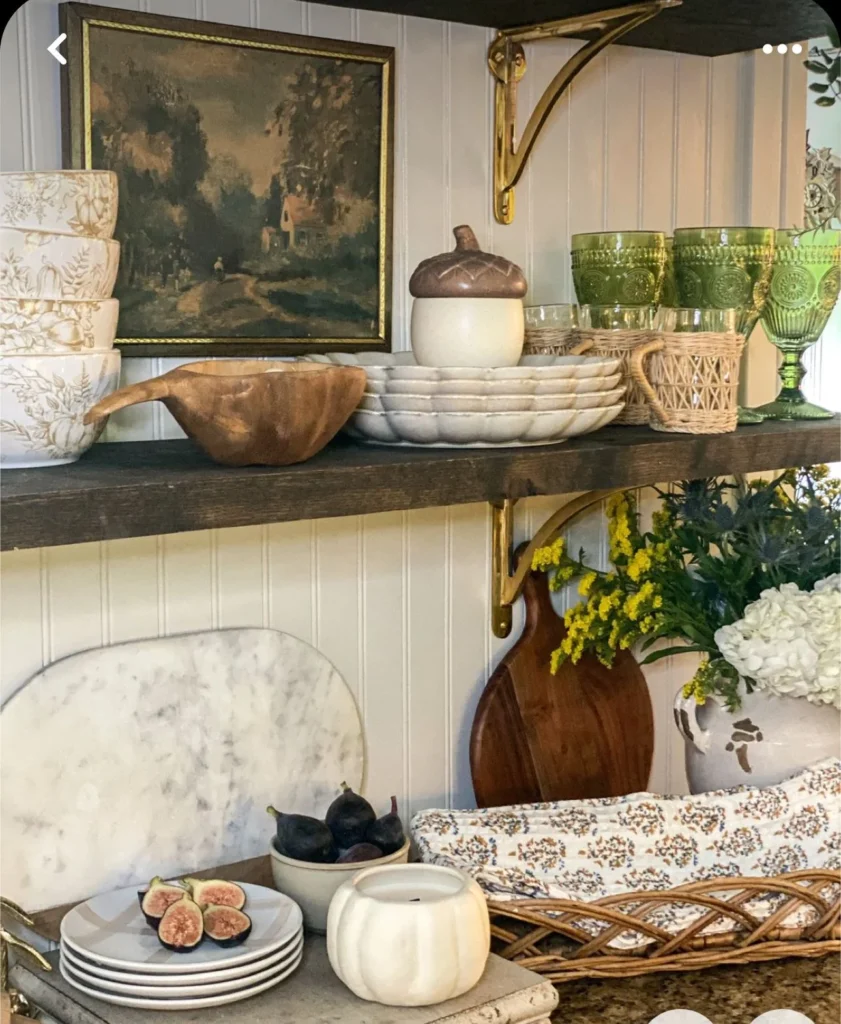
Wood has an innate ability to soften the hard edges of kitchen cabinetry and appliances. When placed on open shelving, wooden bowls create a natural contrast that balances metal, glass, and stone. Their organic textures add depth, making the shelf feel layered rather than flat. Additionally, wooden bowls are lightweight yet sturdy, allowing you to experiment with heights and groupings without worrying about damage.
Beyond aesthetics, wooden bowls serve practical purposes: they can hold fruit, display dried herbs, or act as catch‑alls for keys and mail when the kitchen doubles as a hallway entry. This dual function aligns with the growing trend of “beautifully useful” décor, where objects are both decorative and purposeful.
Choosing the Right Wood for Your Kitchen Shelf Décor with Wooden Bowls
- Maple or Birch: Light‑colored woods that brighten a darker kitchen palette.
- Walnut: Rich, deep tones that add a touch of luxury and pair well with copper accents.
- Acacia: Naturally patterned, ideal for rustic or modern‑earthy interiors.
- Bamboo: Sustainable and light, perfect for eco‑conscious homes.
When selecting wooden bowls, consider the existing color scheme of your kitchen. Light woods can make a cramped space feel larger, while darker woods anchor a larger room and create a sense of sophistication.
Design Strategies: Arranging Wooden Bowls on Open Shelves
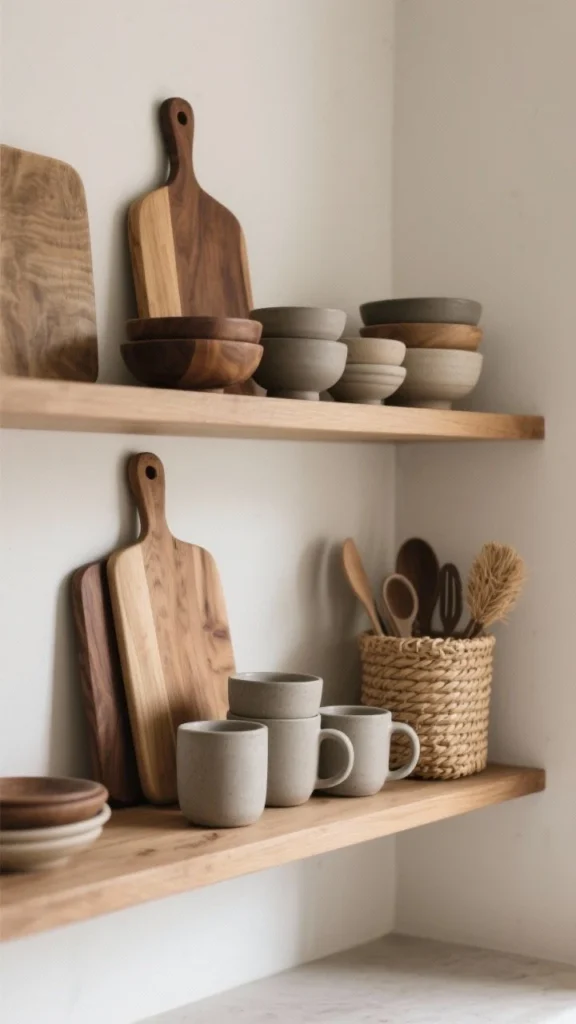
Effective arrangement is about balance, rhythm, and proportion. Start by measuring the shelf depth and height; you’ll want bowls that fit comfortably without crowding adjacent items. A popular technique is the “three‑point rule,” where you place a larger bowl on one side, a medium bowl in the center, and a smaller bowl opposite the larger one. This creates a visual triangle that naturally draws the eye across the shelf.
Mix materials to enhance visual interest. Pair a wooden bowl with a glass jar of spices, a matte ceramic planter, or a copper utensil holder. The contrast in finishes adds layers of texture while keeping the overall look cohesive.
Color Coordination and Seasonal Swaps
Wooden bowls offer a neutral base that can be accented with seasonal items. For a spring refresh, line the bowls with pastel napkins or arrange fresh blossoms inside. In autumn, fill them with dried gourds, cinnamon sticks, or rustic pinecones to echo the changing foliage. This approach not only keeps the décor feeling fresh but also allows you to switch styles without purchasing new furniture.
When coordinating colors, use the 60‑30‑10 rule: let the wood be the 60 % dominant tone, introduce a secondary color (like teal or mustard) for 30 %, and add an accent hue (such as gold or rust) for the remaining 10 %. This balanced palette works well with both modern minimalist kitchens and more traditional settings.
Integrating Wooden Bowls with Other Natural Elements
Wood works harmoniously with other natural materials such as rattan, stone, and linen. Adding a rattan basket beneath a wooden bowl can create a tiered display, while a smooth river stone placed beside the bowl adds an earthy counterpoint. For a cohesive look, choose linens—like dish towels or placemats—in textures that echo the grain of the wood.
For inspiration on mixing natural materials, check out our article on home décor with rattan accents. The principles of texture layering are directly applicable to kitchen shelf décor with wooden bowls.
Small Kitchen Solutions: Maximizing Limited Shelf Space
In compact kitchens, every inch counts. Use shallow wooden bowls to keep the visual line low, allowing the eye to travel upward to decorative plates or framed artwork. Stacking is another smart tactic: place a smaller bowl inside a larger one to create a nested effect that saves space while adding depth.
Consider vertical organization by installing a narrow rail above the shelf to hang small wooden bowls with built‑in hooks. This frees up shelf real‑estate and turns the bowls into eye‑catching wall art. For a deeper dive into small‑space styling, read our piece on small bathroom plant shelf styling, which shares many principles relevant to tight kitchens.
Maintenance Tips to Keep Wooden Bowls Looking Fresh
Wood is a living material; it benefits from regular care. Wipe bowls with a damp cloth after each use and avoid soaking them in water, which can cause swelling. Periodic oiling with food‑grade mineral oil restores the grain’s luster and protects against stains. If you notice scratches, a gentle sanding followed by oiling can rejuvenate the surface.
When using bowls for decorative purposes only, dust them weekly with a soft brush or microfiber cloth. This routine prevents buildup of kitchen grease that can dull the natural shine.
Quick Home Décor Tips for Kitchen Shelf Décor with Wooden Bowls
- Group bowls by size to create a natural flow on the shelf.
- Incorporate a single bold color—like a cobalt ceramic mug—to break up the wood’s neutrality.
- Swap seasonal fillers (fruits, herbs, pinecones) to keep the display dynamic.
- Use a thin sheet of reclaimed wood as a backdrop to amplify the grain of your bowls.
- Layer a clear glass vase on top of a bowl for a mixed‑height arrangement.
Common Mistakes and How to Avoid Them
Overcrowding the Shelf: Packing too many items eliminates breathing room, making the space feel chaotic. Stick to a maximum of three focal pieces per shelf and use negative space intentionally.
Ignoring Scale: A massive wooden bowl on a narrow shelf looks out of proportion. Always measure the shelf depth and select bowls that occupy no more than two‑thirds of the available space.
Mismatching Finishes: Pairing ultra‑shiny metal with heavily distressed wood can clash. Aim for complementary finishes—matte metals, brushed brass, or softened ceramics—to maintain harmony.
Frequently Asked Questions
Can wooden bowls be used for food storage?
Absolutely. Many wooden bowls are finished with food‑safe oils, making them ideal for storing fresh produce, bread, or even dough. Just ensure they are kept dry and cleaned promptly to avoid bacterial growth.
What wood type is best for a modern kitchen?
Light woods such as maple or birch align well with modern, minimalist aesthetics, while walnut adds a touch of elegance to contemporary spaces. Choose a finish that matches your cabinet color for a seamless look.
How often should I oil my wooden bowls?
For bowls used daily, oil them once a month. Decorative bowls that see less use can be oiled every three to four months. Always follow the manufacturer’s recommendations for best results.
Do wooden bowls attract pests?
Properly sealed and maintained wooden bowls are not a food source for insects. However, avoid storing sugary or wet foods in them for extended periods, as this can attract ants or beetles.
Can I mix wooden bowls with glass or metal containers?
Yes, mixing materials creates visual contrast and depth. Pair a wooden bowl with a glass spice jar or a brushed‑copper utensil holder to achieve a balanced, layered look.
Putting It All Together: A Sample Shelf Layout
Imagine a 36‑inch floating shelf above your countertop. Start with a large walnut bowl (12 in) on the left, filled with seasonal fruit. In the center, place a medium‑sized acacia bowl (8 in) holding a bundle of fresh herbs. On the right, add a small birch bowl (6 in) as a catch‑all for keys and mail. Behind these, lean a matte‑black ceramic jar and a copper utensil caddy. The result is a harmonious composition that feels both curated and functional.
For broader design inspiration, explore the latest trends in home décor for 2024. The article highlights how natural textures like wood are dominating modern interiors, reinforcing the timeless appeal of wooden bowls.
By thoughtfully selecting wood types, arranging bowls with purposeful spacing, and refreshing the display seasonally, you can turn a plain kitchen shelf into a storytelling canvas. The beauty of wooden bowls lies in their adaptability—they grow with your style, accommodate functional needs, and consistently add an organic warmth that resonates throughout the home.
Take these ideas, experiment with your own collection, and let your kitchen shelf décor with wooden bowls become a conversation starter that reflects your unique taste.