
Table of Contents
- Dutch Lap vs Clapboard: Core Construction Differences
- Why Dutch Lap vs Clapboard Matters for Historical Accuracy
- Visual Impact: How Each Siding Shapes Your Home’s Facade
- Durability and Maintenance: Long‑Term Performance Considerations
- Cost Comparison: Budgeting for Dutch Lap vs Clapboard
- Design Pairings: Complementary Elements for Each Siding Type
- Quick Home Décor Tips for Siding Projects
- Common Mistakes to Avoid When Installing Dutch Lap vs Clapboard
- Frequently Asked Questions
Dutch Lap vs Clapboard – Which Exterior Siding Fits Your Home Style?
When it comes to choosing exterior siding, the decision often boils down to subtle yet impactful details. Two of the most frequently compared options are Dutch lap and clapboard, both offering classic charm but delivering distinct visual and functional results. Homeowners, renters planning a remodel, or design enthusiasts curious about historic versus contemporary aesthetics will find this guide valuable. In the next sections, we’ll break down the construction, appearance, performance, and cost considerations of each material, helping you make an informed choice that aligns with your architectural vision and budget.
Understanding the nuances of Dutch lap versus clapboard isn’t just about aesthetics; it also affects long‑term maintenance, energy efficiency, and resale value. Whether you’re updating a cottage, a mid‑century modern home, or a newly built suburban house, the siding you select becomes a permanent part of your home’s character. Let’s explore the core differences, practical installation tips, and style ideas that make each option unique.
Before diving into the specifics, remember that siding works in harmony with other design elements—roof lines, window trims, and landscape framing. Pairing the right siding with complementary interior décor can create a cohesive narrative throughout the property. For inspiration on how to blend exterior choices with interior trends, check out our Apartment Living Décor Ideas: Stylish Solutions for Small Spaces guide, which shows how exterior textures echo inside small apartments.
Dutch Lap vs Clapboard: Core Construction Differences
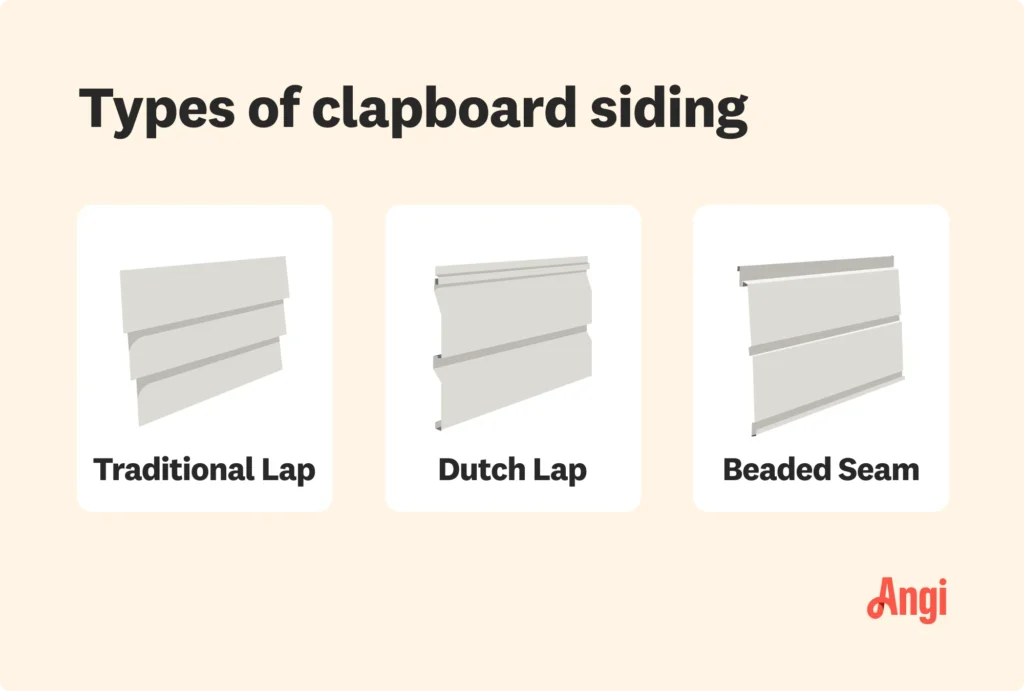
Both Dutch lap and clapboard are types of wood siding, but they differ in profile and installation technique. Dutch lap boards feature a shallow, rounded groove cut into the bottom edge, creating a shadow line that adds depth. This groove, often called a “lap,” is typically ¼ inch deep, giving the wall a subtle, three‑dimensional effect. Clapboard, on the other hand, presents a flat bottom with a beveled top edge, overlapping the board below in a simple, linear fashion.
From a construction standpoint, Dutch lap requires precise milling to achieve the consistent groove, which can increase material cost slightly. Clapboard’s simpler profile means it’s generally easier to produce and can be installed more quickly, especially for DIY projects. However, the added shadow line of Dutch lap can hide minor imperfections and weathering better than clapboard, offering a practical advantage in high‑traffic climates.
Why Dutch Lap vs Clapboard Matters for Historical Accuracy
If your home reflects a specific historic period, the siding choice can reinforce authenticity. Dutch lap was popular in early 20th‑century Colonial Revival homes, while clapboard traces its roots to 18th‑century New England farmhouses. Selecting the appropriate siding not only enhances visual fidelity but can also increase the property’s market appeal to buyers seeking period‑correct features.
Visual Impact: How Each Siding Shapes Your Home’s Facade
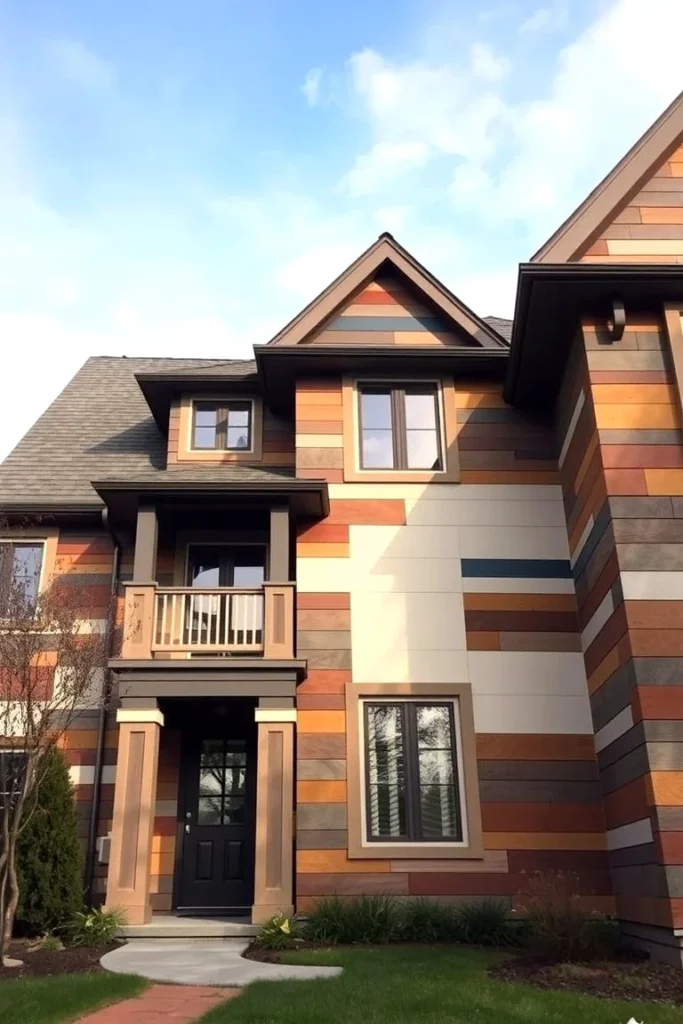
The visual language of Dutch lap versus clapboard is distinct. Dutch lap’s recessed groove casts subtle shadows that break up large wall expanses, making a building appear more textured and less flat. This effect works particularly well on homes with multiple stories, where the shadow line can emphasize verticality without overwhelming the design.
Clapboard delivers a clean, crisp look with straight, uniform lines. Its simplicity suits modern minimalism, coastal cottages, and homes where a sleek silhouette is desired. When paired with a monochromatic paint palette, clapboard can reinforce a contemporary vibe, while a painted, weathered finish can evoke a rustic charm.
For interior inspiration that mirrors the clean lines of clapboard, explore our article on How to Decorate Home Office for Zoom – Expert Tips & Design Ideas, which demonstrates how simple, linear aesthetics translate from exterior to interior workspaces.
Durability and Maintenance: Long‑Term Performance Considerations

Both siding types are traditionally made from cedar, pine, or engineered wood, and each offers comparable durability when properly treated. The key difference lies in how they respond to moisture and temperature fluctuations. Dutch lap’s groove creates a micro‑channel that can direct water away from the seam, reducing the risk of water infiltration. This makes Dutch lap a strong candidate for humid coastal regions.
Clapboard’s flat bottom relies on overlapping to shed water. While effective, any misalignment during installation can lead to water pooling at the seams. Regular painting or staining is essential for both types, but Dutch lap may require slightly less frequent touch‑ups because the shadow line can mask minor surface wear.
When planning for sustainability, consider using reclaimed or sustainably sourced wood. Modern finishes like low‑VOC stains extend the life of either siding while keeping indoor air quality healthy.
Cost Comparison: Budgeting for Dutch Lap vs Clapboard
Cost is often the deciding factor for many homeowners. On average, Dutch lap siding can be 5‑10% more expensive per square foot than clapboard due to its more intricate milling process. Installation labor may also be higher because the boards must be aligned precisely to maintain the shadow line.
However, the long‑term value can offset the initial expense. Dutch lap’s ability to conceal minor damage may reduce repainting frequency, while clapboard’s straightforward installation can save on labor costs for DIY enthusiasts. When budgeting, factor in not just material price but also long‑term maintenance, potential energy savings from better weather resistance, and resale value enhancements.
For a holistic view of budgeting across home projects, our guide on Kitchen décor with hanging utensils – stylish storage solutions offers strategies to allocate funds efficiently while achieving high‑impact design results.
Design Pairings: Complementary Elements for Each Siding Type
Choosing Dutch lap vs clapboard influences more than the wall surface; it guides the selection of trim, roofing, and landscaping. Dutch lap pairs beautifully with decorative shutters, deep‑crown window casings, and a roof with pronounced eaves, creating a layered, traditional aesthetic. Darker paint colors emphasize the groove’s shadow, while lighter shades enhance the sense of depth.
Clapboard works well with minimalist trim, flat rooflines, and simple porch columns. A monochrome palette—such as soft gray or crisp white—accentuates the clean edges, while contrasting trim in a bold hue can add a pop of personality without overwhelming the façade. For interior consistency, consider echoing clapboard’s linearity with streamlined furniture in the living room or bedroom.
Our feature on Bedroom décor with soft beige palette – Timeless Calm and Style showcases how neutral tones can bridge exterior simplicity with interior serenity.
Quick Home Décor Tips for Siding Projects
- Test paint colors on a small section of the siding before committing; lighting can dramatically alter perception.
- Use a high‑quality, breathable house wrap beneath both Dutch lap and clapboard to improve insulation and moisture control.
- Incorporate accent lighting at the base of the wall to highlight Dutch lap’s shadow line after dark.
- Choose trim profiles that match the siding’s thickness to maintain visual harmony.
- Consider a staggered board layout for clapboard to break up monotony on expansive walls.
Common Mistakes to Avoid When Installing Dutch Lap vs Clapboard
Even experienced installers can stumble on details that affect the final appearance. A frequent error with Dutch lap is inconsistent spacing of the groove, which can create uneven shadows and diminish the intended depth. Ensure each board is aligned with a level and that the groove faces the same direction throughout the wall.
For clapboard, the most common mistake is improper overlap. Overlapping too much can trap moisture, while too little leaves gaps that invite drafts. Follow manufacturer guidelines—typically a ¼ inch overlap is ideal. Additionally, neglecting to seal the nail heads can lead to water infiltration over time.
Frequently Asked Questions
Is Dutch lap better for rainy climates?
Dutch lap’s recessed groove helps channel water away from seams, making it slightly more resilient in high‑humidity or rainy environments compared to traditional clapboard.
Can I install Dutch lap or clapboard over existing siding?
Yes, both can be installed over existing wood or vinyl siding provided the underlying surface is flat, dry, and properly anchored. Adding a weather‑resistant barrier is recommended.
Which siding is more energy efficient?
The energy performance depends more on insulation and proper installation than the siding type. However, Dutch lap’s shadow line can reduce thermal bridging slightly, offering marginal gains.
Do I need special tools for Dutch lap installation?
A standard nail gun and a level are sufficient, but a miter saw with a fine‑tooth blade helps achieve clean cuts for the groove’s precise angle.
How often should I repaint Dutch lap or clapboard?
Typically every 5‑7 years for wood siding, though the exact interval depends on climate exposure, paint quality, and maintenance routine.
Choosing between Dutch lap vs clapboard is a nuanced decision that balances aesthetics, performance, and budget. By understanding each material’s strengths and potential pitfalls, you can select the siding that not only protects your home but also enhances its visual narrative. Remember to coordinate your exterior finish with interior design choices, creating a seamless flow from the street to the living room. For more inspiration on cohesive home styling, browse The Homara’s extensive library of modern décor ideas.
[INTERIOR DESIGN]: Interior Design