
Table of Contents
- Dutch Lap Siding vs Clapboard: A Historical Overview
- Installation Techniques and Material Options
- Key Differences in Dutch Lap Siding vs Clapboard Installation
- Performance: Durability, Weather Resistance, and Energy Efficiency
- Cost Comparison and Long‑Term Value
- Design Considerations: Matching Your Home’s Architecture
- Quick Home Décor Tips for Siding Projects
- Common Mistakes and How to Avoid Them
- Frequently Asked Questions
- Is dutch lap siding more expensive than clapboard?
- Can I install clapboard over existing siding?
- Which siding works best in high‑humidity climates?
- Do I need to paint both dutch lap siding and clapboard?
- How does siding affect my home’s energy bill?
- Can I mix dutch lap siding and clapboard on the same house?
When it comes to giving a house its first impression, the choice of exterior cladding can make all the difference. Homeowners often find themselves weighing the look, performance, and budget of various options, and two of the most frequently mentioned are dutch lap siding and clapboard. Both have deep roots in American architecture, yet they serve distinct aesthetic and functional purposes. Understanding the nuances between these two can help you avoid costly mistakes and achieve a façade that complements your lifestyle and design vision.
In this article we’ll walk through the history, installation methods, maintenance requirements, and cost considerations of dutch lap siding vs clapboard. By the end, you’ll have a clear framework for deciding which material aligns with your climate, architectural style, and long‑term goals. Whether you’re renovating a historic bungalow, updating a modern ranch, or simply exploring ideas for a new build, the insights below will guide you toward a confident, informed decision.
Before diving into the technical details, think about the broader picture: how does the siding you choose interact with other design elements such as rooflines, windows, and landscaping? A well‑chosen cladding style can enhance curb appeal, improve energy efficiency, and even increase resale value. Let’s explore the two contenders side by side.
Dutch Lap Siding vs Clapboard: A Historical Overview
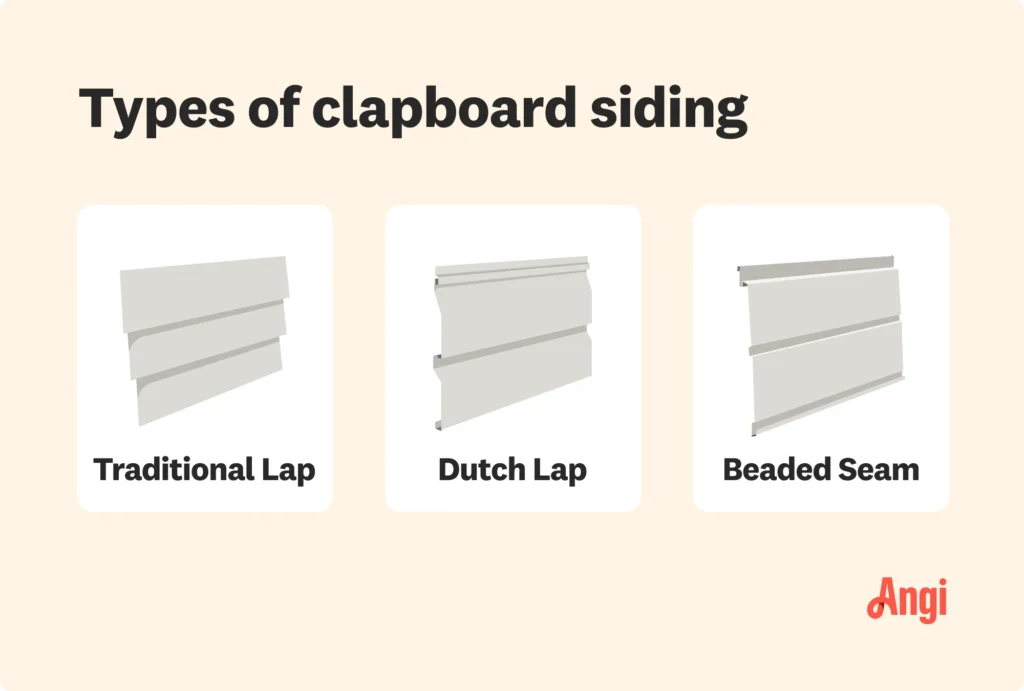
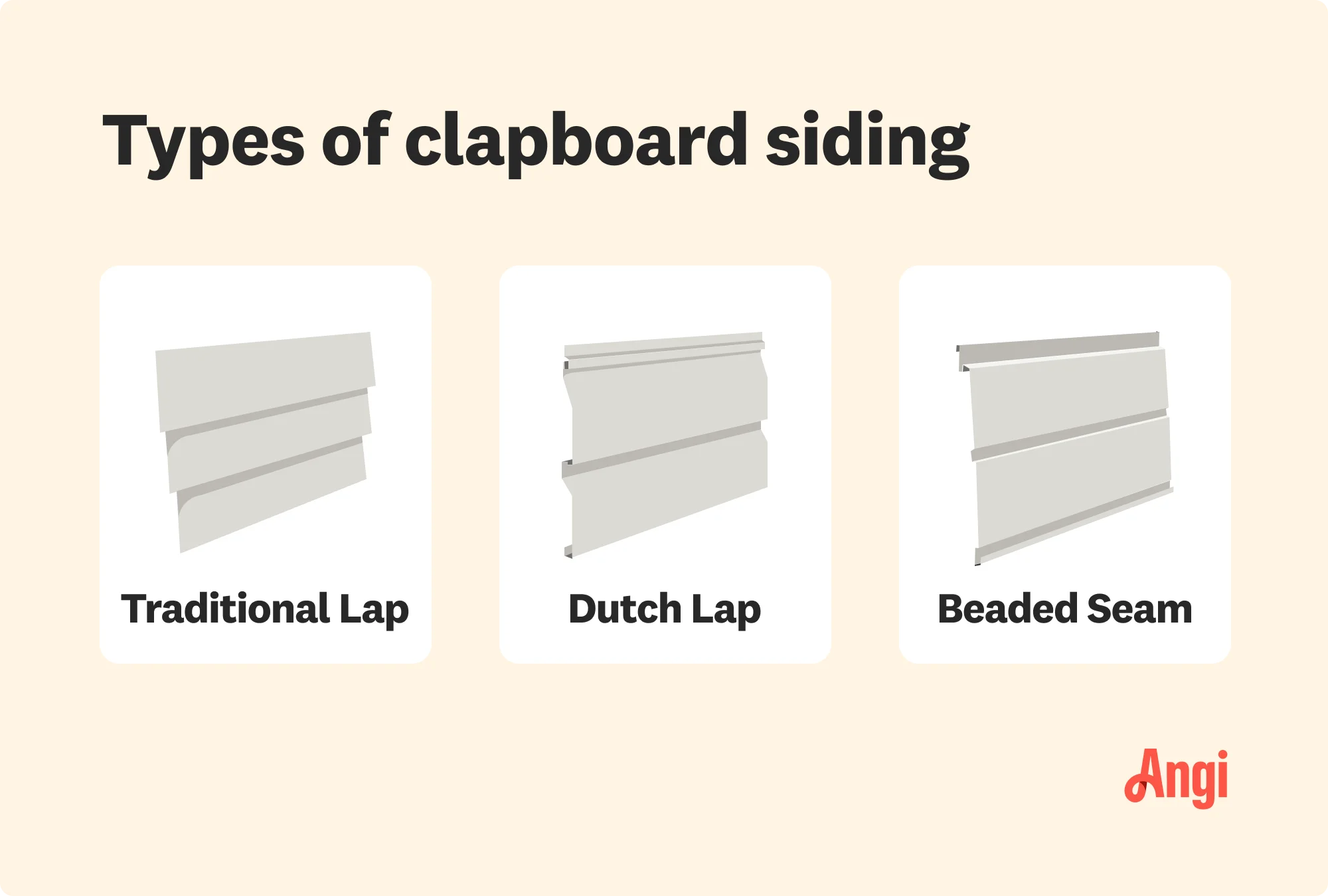
Dutch lap siding emerged in the early 20th century as a refinement of traditional lap siding. Its distinctive feature is a beveled bottom edge that creates a shadow line, adding depth and visual interest to the exterior. The style gained popularity in the Midwest and Northeast, where builders sought a more refined look without the expense of hand‑crafted wood.
Clapboard, on the other hand, is one of the oldest siding techniques in North America, dating back to colonial times. It consists of long, thin boards that overlap each other, creating a simple yet timeless pattern. Originally hand‑planed from pine or cedar, modern clapboard is often milled from engineered wood or fiber‑cement, making it more uniform and easier to install.
Both materials have evolved with advances in manufacturing, but their origins still influence how they are perceived today. Dutch lap siding is often associated with a slightly more formal, “crafted” appearance, while clapboard evokes a classic, rustic charm. This historical context can be a deciding factor if you’re aiming for a specific architectural vibe.
Installation Techniques and Material Options
Understanding the installation process for dutch lap siding vs clapboard is crucial for budgeting and timeline planning. Dutch lap siding panels are typically pre‑cut to a specific thickness and width, with a factory‑finished bevel that eliminates the need for on‑site trimming. Installers attach the panels to a moisture‑resistant sheathing using hidden nails or staples, and the interlocking design helps shed water efficiently.
Clapboard installation is more labor‑intensive. Each board must be individually measured, cut, and nailed, with careful attention to the overlap to ensure a weather‑tight seal. Modern clapboard can be installed over existing siding, but this adds layers and may affect insulation performance. For both options, a proper weather‑resistant barrier and flashing around openings are non‑negotiable to prevent moisture intrusion.
Material choices also differ. Dutch lap siding is available in solid wood, engineered wood, and fiber‑cement varieties. Each offers unique benefits: solid wood provides natural grain, engineered wood resists warping, and fiber‑cement offers superior fire resistance. Clapboard similarly comes in wood, vinyl, and fiber‑cement options, giving you flexibility based on climate and budget.
Key Differences in Dutch Lap Siding vs Clapboard Installation
- Panel Size: Dutch lap siding uses larger panels, reducing the number of seams.
- Overlap: Clapboard relies on a consistent 1‑to‑2 inch overlap, while dutch lap’s bevel creates a shadow line.
- Labor: Dutch lap typically requires fewer man‑hours, making it a faster choice for large projects.
- Flexibility: Clapboard can be more easily customized on‑site for irregular shapes.
Performance: Durability, Weather Resistance, and Energy Efficiency
When evaluating dutch lap siding vs clapboard, durability is often at the forefront of homeowners’ minds. Both systems can last decades when properly maintained, but their performance characteristics differ. The beveled profile of dutch lap siding tends to channel water away from the wall cavity more effectively, reducing the risk of rot in humid climates. Fiber‑cement dutch lap also offers excellent resistance to insects and fire.
Clapboard’s overlapping design provides a proven barrier against rain, but the exposed seams can be vulnerable if nails loosen or if the boards shrink. In coastal areas where salt air accelerates corrosion, vinyl or fiber‑cement clapboard may outperform wood‑based options. Insulation behind either siding type is essential; consider adding rigid foam board to improve R‑value and create a continuous thermal envelope.
Energy efficiency is increasingly important for modern homeowners. Both dutch lap siding and clapboard can be combined with insulated sheathing and high‑performance windows to meet stringent building codes. However, the smoother surface of dutch lap siding may reduce air infiltration slightly compared to the more pronounced overlap of clapboard, especially when paired with a high‑quality sealant.
Cost Comparison and Long‑Term Value
Budget considerations often drive the final decision between dutch lap siding vs clapboard. On a per‑square‑foot basis, vinyl clapboard is typically the most affordable option, followed by engineered wood dutch lap siding. Solid wood for either style commands a premium price due to material costs and labor intensity.
Installation labor is another variable. Because dutch lap siding uses larger panels, the crew can often complete the job faster, reducing labor charges. Clapboard, with its board‑by‑board approach, may increase labor costs by 10‑20 percent, especially on complex architectural features.
Long‑term value isn’t just about upfront expense. Both materials can boost curb appeal, but dutch lap siding’s refined appearance may attract buyers seeking a “crafted” look, potentially yielding a higher resale premium in certain markets. Clapboard’s timeless appeal, however, resonates with buyers who favor historic authenticity, especially in older neighborhoods.
Design Considerations: Matching Your Home’s Architecture
The visual impact of dutch lap siding vs clapboard can be the deciding factor for design‑savvy homeowners. Dutch lap siding’s shadow line creates depth, making it an excellent choice for modern farmhouses, craftsman‑style homes, and even contemporary residences seeking a subtle texture. Pair it with a dark trim for a striking contrast, or choose a light, natural wood tone for a softer aesthetic.
Clapboard shines on Colonial, Cape Cod, and Victorian‑inspired homes, where its linear rhythm reinforces the architectural language of the era. Horizontal clapboard can be painted in classic whites or deep blues to echo historic palettes. For a fresh twist, consider installing clapboard vertically—this modern reinterpretation adds height to narrow façades.
When integrating siding with other design elements, think about roof pitch, window trim, and landscaping. A cohesive look often emerges when the siding’s profile echoes the roof’s lines. For example, a steeply pitched roof paired with dutch lap siding can accentuate the home’s verticality, while a low‑slope roof with clapboard may emphasize horizontal balance.
Looking for more inspiration? Our Entryway Lighting Décor Inspiration – Brighten Your Home’s First Impression guide demonstrates how lighting can complement siding choices to create a welcoming façade.
Quick Home Décor Tips for Siding Projects
- Choose a siding color that harmonizes with surrounding natural elements; earth tones blend well with wood, while bold hues can make a statement.
- Invest in a high‑quality house wrap under the siding to improve moisture control and energy efficiency.
- Use trim pieces with a slightly deeper profile than the siding to create a shadow line that enhances visual depth.
- Consider adding decorative shutters or brackets to break up large expanses of siding and add architectural interest.
- Schedule regular inspections after installation—look for nail pops, cracks, or moisture stains, especially after severe weather.
Common Mistakes and How to Avoid Them
Even experienced DIYers can fall into pitfalls when working with dutch lap siding vs clapboard. One frequent error is neglecting to allow for proper expansion gaps. Wood and fiber‑cement expand and contract with temperature changes; without adequate spacing, the panels may buckle or develop gaps.
Another mistake is using the wrong type of fastener. Stainless‑steel or hot‑dip galvanized nails are essential for preventing corrosion, especially in coastal environments. Cheap, plain steel nails can rust, leading to staining and reduced holding power.
Finally, many homeowners skip the moisture barrier, assuming the siding itself will protect the wall. In reality, a dedicated weather‑resistant barrier is the first line of defense against water infiltration and should never be omitted.
Frequently Asked Questions
Is dutch lap siding more expensive than clapboard?
Generally, dutch lap siding can be slightly pricier per square foot, especially when opting for premium wood or fiber‑cement options. However, faster installation may offset labor costs, making the overall price difference modest.
Can I install clapboard over existing siding?
Yes, clapboard can be installed over existing siding provided the underlying surface is flat, dry, and properly secured. Adding a new weather‑resistant barrier is recommended to ensure long‑term performance.
Which siding works best in high‑humidity climates?
Fiber‑cement dutch lap siding and fiber‑cement clapboard both resist moisture and rot. If you prefer wood, choose a pressure‑treated or naturally rot‑resistant species like cedar, and maintain regular sealing.
Do I need to paint both dutch lap siding and clapboard?
Painting is optional for fiber‑cement and engineered wood, which come pre‑finished. Solid wood siding typically requires a high‑quality exterior paint or stain to protect against UV rays and moisture.
How does siding affect my home’s energy bill?
While siding itself does not insulate, it works with the sheathing and insulation behind it to create a continuous thermal barrier. Adding rigid foam or blown‑in insulation beneath either dutch lap siding or clapboard can noticeably improve energy efficiency.
Can I mix dutch lap siding and clapboard on the same house?
Mixing styles is possible and can create visual interest, such as using clapboard on a gable and dutch lap on the main walls. Ensure the transition is intentional and complemented by consistent trim and color palettes.
Choosing between dutch lap siding vs clapboard ultimately hinges on your design goals, climate considerations, and budget. Both materials have proven track records, but their distinct profiles and installation methods offer unique advantages. By assessing the historical context, performance traits, cost implications, and aesthetic potential, you can select the cladding that best reflects your vision and stands the test of time.
Ready to start your exterior makeover? Explore our guide on the best air curtains for restaurants keeping comfort and efficiency in check to learn how proper airflow can complement your new siding. For a holistic home update, see the ultimate guide to finding the best massage chair for hip pain—comfort inside, beauty outside.
Remember, the right siding not only protects your home but also tells a story about who you are as a homeowner. Whether you gravitate toward the refined shadow lines of dutch lap siding or the classic rhythm of clapboard, the decision you make today will shape your home’s character for years to come. Happy designing!