
Table of Contents
- Double Pane vs Triple Pane Windows Ultimate Comfort Battle: Understanding the Basics
- Double Pane vs Triple Pane Windows Ultimate Comfort Battle: Energy Efficiency Explained
- Thermal Performance and Home Comfort
- Sound Insulation: Quieting the Home
- Cost vs Value: Financial Considerations in the Comfort Battle
- Design Aesthetics and View Clarity
- Installation and Maintenance: Keeping the Battle Fair
- Quick Comfort Boost Tips
- Common Mistakes to Avoid in the Comfort Battle
- Frequently Asked Questions
- Is triple pane always better than double pane for energy savings?
- Can I retrofit my existing double‑pane windows to achieve triple‑pane performance?
- How much does a triple‑pane window cost compared to a double‑pane window?
- Do triple‑pane windows reduce exterior noise significantly?
- Will triple‑pane windows affect the look of historic homes?
Double Pane vs Triple Pane Windows: The Ultimate Comfort Battle
When it comes to creating a cozy, energy‑smart home, the choice of window glazing can feel like a decisive battle. Homeowners often wonder whether the added layer of glass in a triple‑pane unit truly translates into noticeable comfort, or if a well‑installed double‑pane system already offers the performance they need. This “double pane vs triple pane windows ultimate comfort battle” isn’t just about numbers on a spec sheet; it’s about the everyday experience of temperature stability, noise reduction, and visual appeal in every room of your house.
In this comprehensive guide, we’ll break down the science, the economics, and the design considerations that influence the outcome of this battle. By the end, you’ll be equipped to choose the glazing option that aligns with your climate, budget, and aesthetic goals—whether you’re renovating a historic living room, outfitting a modern kitchen, or upgrading a small apartment’s comfort envelope.
Double Pane vs Triple Pane Windows Ultimate Comfort Battle: Understanding the Basics
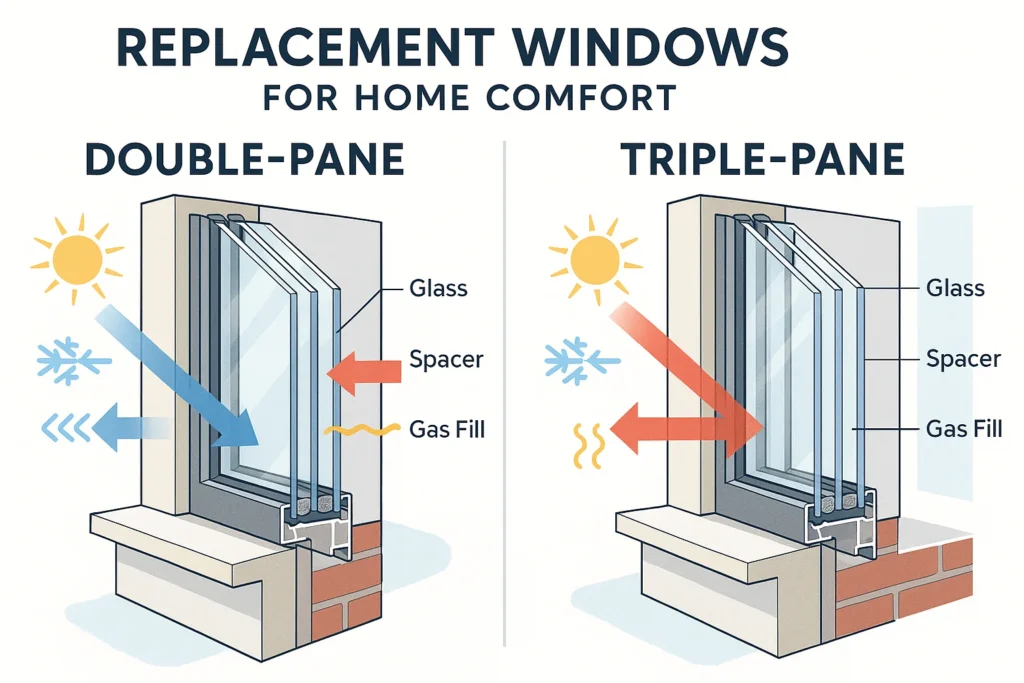
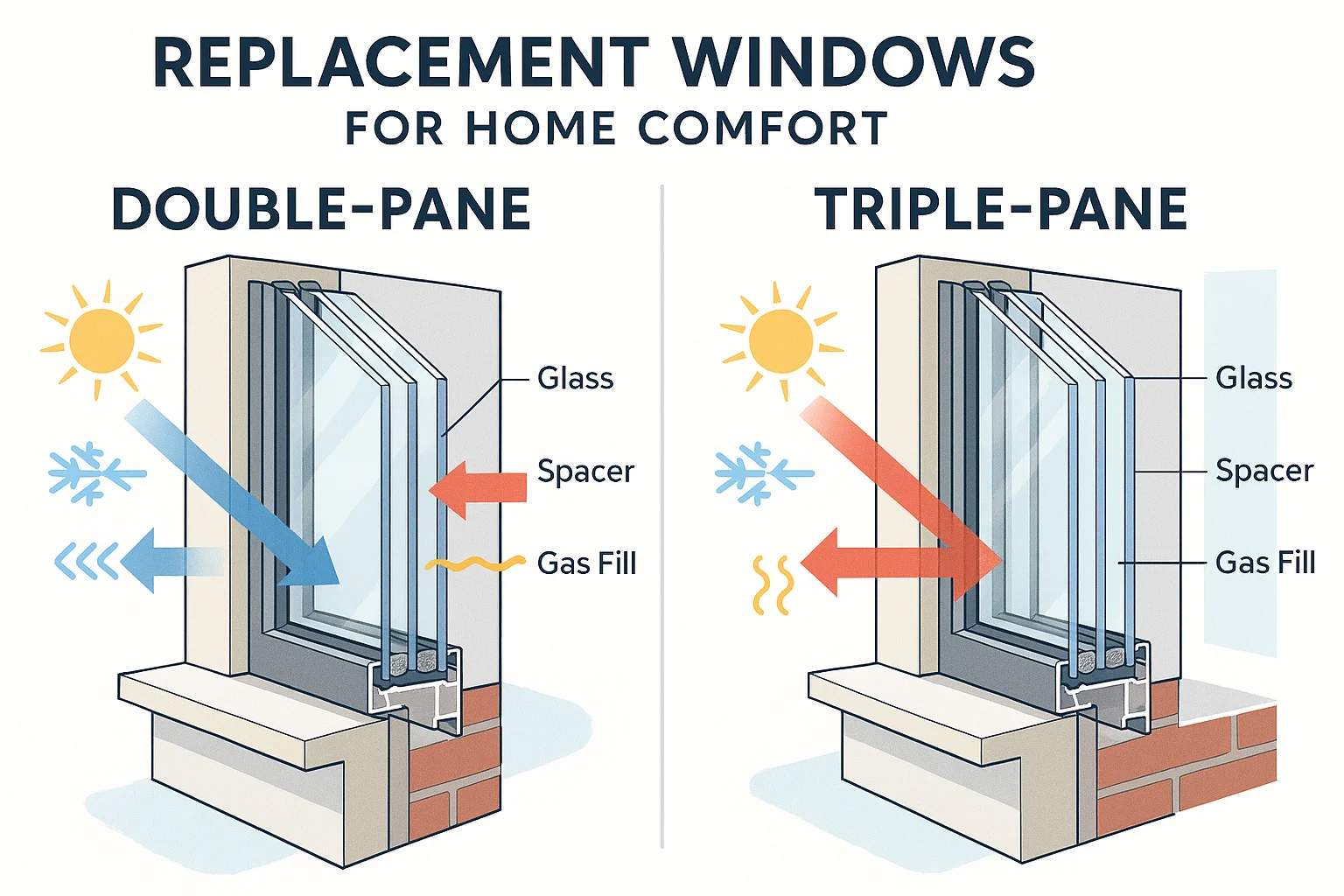
At its core, the difference between double and triple glazing lies in the number of glass panes and the air or gas-filled spaces that separate them. A standard double‑pane window consists of two sheets of glass with a sealed spacer filled with air or an inert gas such as argon. Triple‑pane windows add a third sheet and a second spacer, typically filled with a higher‑performance gas like krypton. The extra barrier creates more resistance to heat transfer, which is why many manufacturers tout triple glazing as the champion of the “double pane vs triple pane windows ultimate comfort battle.”
Beyond the technical construction, the performance of each system depends heavily on the quality of the spacer, the type of low‑emissivity (low‑E) coating, and the overall installation. A poorly installed double‑pane unit can underperform compared to a premium triple‑pane system, while a high‑quality double‑pane window with warm‑edge spacers and argon fill can hold its own in many climate zones. Understanding these nuances helps you evaluate which side of the battle offers the best return for your specific situation.
Double Pane vs Triple Pane Windows Ultimate Comfort Battle: Energy Efficiency Explained
Energy efficiency is the most frequently cited arena where the “double pane vs triple pane windows ultimate comfort battle” is fought. The key metric here is the U‑value, which measures the rate of heat loss; the lower the U‑value, the better the insulation. Typical double‑pane windows have U‑values ranging from 0.30 to 0.45 BTU/(hr·ft²·°F), while high‑performance triple‑pane units can dip below 0.20 BTU/(hr·ft²·°F). This difference translates into noticeable savings on heating and cooling bills, especially in colder climates where heat loss through windows can account for up to 30 % of a home’s total energy consumption.
Moreover, the gas fill plays a pivotal role. Argon, commonly used in double‑pane windows, improves insulating performance by roughly 10‑15 %. Krypton, employed in many triple‑pane products, offers a further 20‑30 % boost due to its lower thermal conductivity. For homeowners in regions with extreme temperature swings, the extra insulation of triple glazing can mean the difference between a drafty winter morning and a uniformly warm living space.
Thermal Performance and Home Comfort
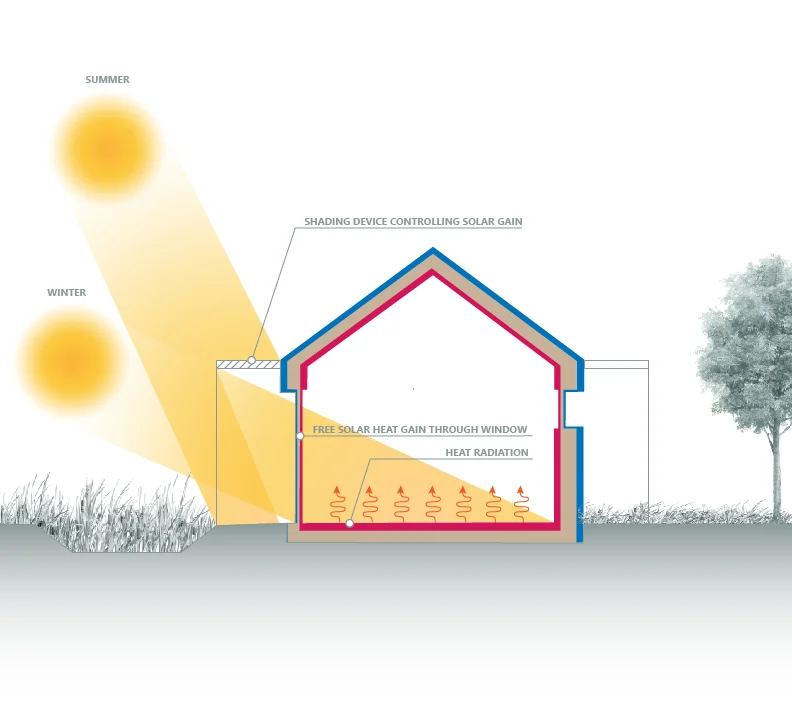
Comfort isn’t only about the numbers on an energy label; it’s about how those numbers affect the lived experience inside your walls. Double‑pane windows can create a comfortable environment if paired with proper sealing and appropriate low‑E coatings that reflect interior heat back into the room during winter and block solar gain in summer. However, in homes with large glass facades or in zones where the temperature differential is severe, triple‑pane glazing often wins the “double pane vs triple pane windows ultimate comfort battle” by maintaining a more consistent interior temperature.
- Winter Warmth: Triple‑pane units keep interior surfaces closer to room temperature, reducing the chill you feel when you walk past a window.
- Summer Coolness: The additional pane reflects a larger portion of solar radiation, helping to keep rooms cooler without excessive air‑conditioning.
- Condensation Reduction: By keeping interior glass surfaces warmer, triple glazing minimizes the risk of condensation, which can lead to mold in humid climates.
When planning a remodel, consider the orientation of each window. South‑facing windows in the Northern Hemisphere receive the most solar gain, so a high‑performance triple‑pane unit can dramatically improve comfort without sacrificing natural light.
Sound Insulation: Quieting the Home
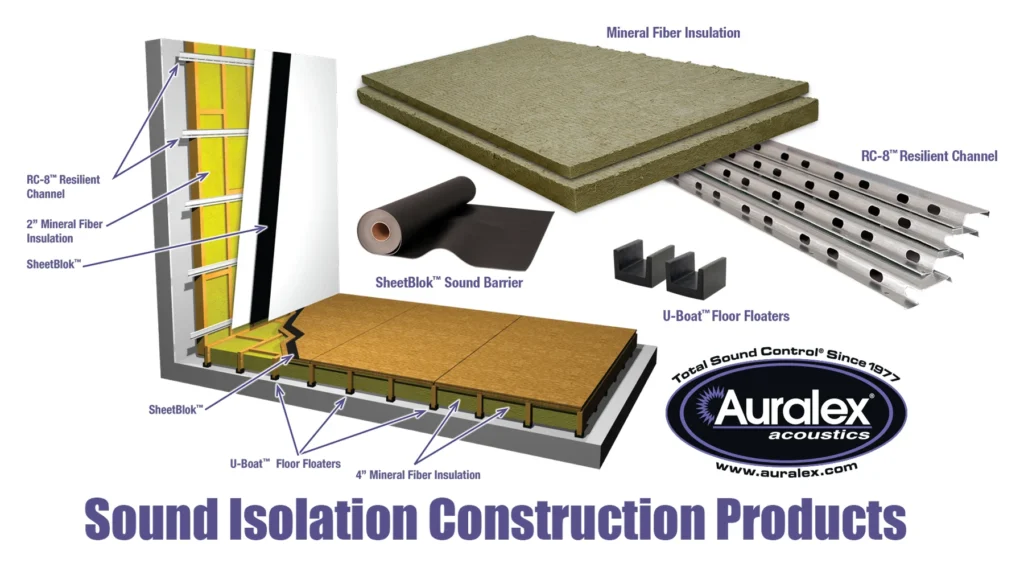
Noise pollution is a silent yet powerful factor in the “double pane vs triple pane windows ultimate comfort battle.” Triple‑pane windows add an extra mass barrier, which can reduce exterior noise transmission by up to 50 % compared to double‑pane counterparts. This benefit is most pronounced in urban settings, near busy streets, or in homes bordering noisy neighbors.
Sound reduction is measured by the Sound Transmission Class (STC) rating. Double‑pane windows typically score between 26 and 30, while triple‑pane installations often reach 30‑34. While the difference might seem modest, the perceived quiet can be dramatic—especially when combined with laminated glass, which adds an additional damping layer. For a home office or a bedroom that demands tranquility, opting for triple glazing can be a decisive factor in the comfort battle.
Cost vs Value: Financial Considerations in the Comfort Battle
One of the most practical aspects of the “double pane vs triple pane windows ultimate comfort battle” is the cost differential. Double‑pane windows are generally 20‑30 % less expensive than triple‑pane models, with price variations based on frame material, glass coatings, and gas fill. Triple‑pane windows, while pricier, often qualify for additional energy‑efficiency rebates and tax credits in many regions, offsetting the upfront investment.
When evaluating ROI, consider the following:
- Energy Savings: In colder climates, the annual energy savings from triple glazing can range from $150 to $500, depending on home size and heating system efficiency.
- Resale Value: Homes equipped with high‑performance triple‑pane windows often command a premium in the market, appealing to eco‑conscious buyers.
- Longevity: The extra pane adds structural strength, potentially extending the lifespan of the window assembly.
For many homeowners, the decision ultimately hinges on whether the long‑term savings and comfort benefits outweigh the initial price gap.
Design Aesthetics and View Clarity
From an interior design perspective, windows are a focal point that frames views and lets natural light define a space. Double‑pane windows have a slimmer profile, which can be advantageous in historic renovations where preserving sightlines is essential. Triple‑pane windows, on the other hand, tend to be thicker, which may affect the depth of the window recess and the overall façade aesthetics.
However, modern frame technologies have mitigated much of this visual bulk, allowing triple glazing to blend seamlessly into contemporary designs. When paired with low‑E coatings that maintain high visible light transmittance, triple‑pane windows can deliver both performance and a clear, unobstructed view—key for living rooms that showcase a garden or cityscape.
For inspiration on how windows complement interior décor, see our guide on living room décor with linen pillows – fresh ideas for modern spaces. The interplay of light, texture, and window placement can transform a simple pane into a design statement.
Installation and Maintenance: Keeping the Battle Fair
Even the most advanced glazing can underperform if installation is sloppy. Proper sealing, correct shimming, and ensuring a level frame are critical steps that affect both energy performance and durability. Double‑pane windows are lighter, making them easier for DIY installations, but the reduced weight can also lead to more flex under wind loads if not properly anchored.
Triple‑pane units are heavier and may require professional installation to guarantee structural integrity and warranty compliance. Maintenance-wise, both types benefit from regular cleaning of the glass and periodic inspection of the sealant. In humid environments, a compromised seal can lead to condensation between panes—an issue more costly to remediate in triple‑pane assemblies due to their added complexity.
Choosing a reputable installer with experience in high‑performance glazing can ensure the “double pane vs triple pane windows ultimate comfort battle” ends in a win for your home’s long‑term health.
Quick Comfort Boost Tips
- Use thermal curtains in the winter to complement your glazing’s insulation.
- Apply low‑E window film on existing double‑pane windows for an affordable performance bump.
- Seal gaps around window frames with weather‑stripping to prevent drafts.
- Consider exterior shading devices—like awnings or louvers—to reduce solar gain on south‑facing windows.
- Upgrade to argon‑filled double panes before moving to triple glazing for incremental savings.
Common Mistakes to Avoid in the Comfort Battle
Even well‑meaning homeowners can stumble into pitfalls that diminish the benefits of their window choice. One frequent error is selecting the highest‑performance glazing without accounting for climate suitability; a triple‑pane window in a mild coastal area may offer negligible energy savings yet increase cost.
Another mistake is neglecting the importance of frame material. Vinyl, wood, and fiberglass each have distinct thermal bridging characteristics. Opting for a low‑conductivity frame enhances the overall performance of both double‑ and triple‑pane systems.
Lastly, overlooking the role of proper ventilation can backfire. High‑performance windows create a tighter building envelope, so integrating balanced ventilation—such as heat‑recovery ventilators—maintains indoor air quality while preserving the comfort gains.
Frequently Asked Questions
Is triple pane always better than double pane for energy savings?
Triple pane generally offers lower U‑values, meaning better insulation. However, the actual savings depend on climate, home size, and existing insulation levels. In moderate climates, a high‑quality double‑pane window with argon fill and low‑E coating may provide comparable savings at a lower cost.
Can I retrofit my existing double‑pane windows to achieve triple‑pane performance?
Retrofitting is limited. Adding an interior secondary glazing layer can mimic some benefits of triple glazing, but it won’t match the sealed, gas‑filled performance of factory‑installed triple panes. For best results, replace the entire unit.
How much does a triple‑pane window cost compared to a double‑pane window?
Prices vary by brand and frame material, but on average, triple‑pane windows cost 20‑30 % more than comparable double‑pane models. Additional costs may include reinforced framing and professional installation due to the extra weight.
Do triple‑pane windows reduce exterior noise significantly?
Yes. The extra pane and gas layer increase mass and damping, raising the STC rating by roughly 4‑6 points, which can cut perceived outdoor noise by up to half in noisy environments.
Will triple‑pane windows affect the look of historic homes?
Modern low‑profile triple panes are thinner than older models, but they remain slightly deeper than double panes. In historic renovations, careful frame selection and custom mullions can preserve the original aesthetic while upgrading performance.
Choosing the right side in the “double pane vs triple pane windows ultimate comfort battle” ultimately rests on a balance of climate, budget, design goals, and long‑term energy aspirations. By understanding the technical differences, evaluating real‑world performance, and avoiding common missteps, you can make a confident decision that enhances comfort, reduces noise, and adds value to your home.
Ready to explore more ways to elevate your living spaces? Check out our modern kitchen décor inspiration for ideas on pairing high‑performance windows with stylish interiors, or read our guide on how to get charcoal out of carpet for practical cleaning tips that keep your home looking its best.