
Table of Contents
- Why DIY décor with woven plant hangers works for modern interiors
- Materials and tools you’ll need to start your project
- Choosing the right rope for DIY décor with woven plant hangers
- Step‑by‑step guide to crafting a classic macramé plant hanger
- Step 1: Measure and cut your cords
- Step 2: Create the anchor loop
- Step 3: Form the first square knot
- Step 4: Build the hanging net
- Step 5: Finish with a cradle
- Styling ideas for every room
- Living room: Create a vertical garden wall
- Bedroom: Soft lighting and soothing greenery
- Kitchen: Herb garden within arm’s reach
- Bathroom: Moisture‑loving ferns
- Outdoor patio or balcony: Weather‑proof displays
- Quick Tips for Perfectly Crafted Woven Plant Hangers
- Common mistakes and how to avoid them
- Frequently Asked Questions
- Can I use synthetic rope for indoor plant hangers?
- How often should I water hanging plants?
- Do woven plant hangers need special cleaning?
- Is it safe to hang plant hangers from drywall?
- Can I combine multiple plants in one hanger?
- What are the best plants for low‑light hanging displays?
DIY décor with woven plant hangers – Modern Home Styling Guide
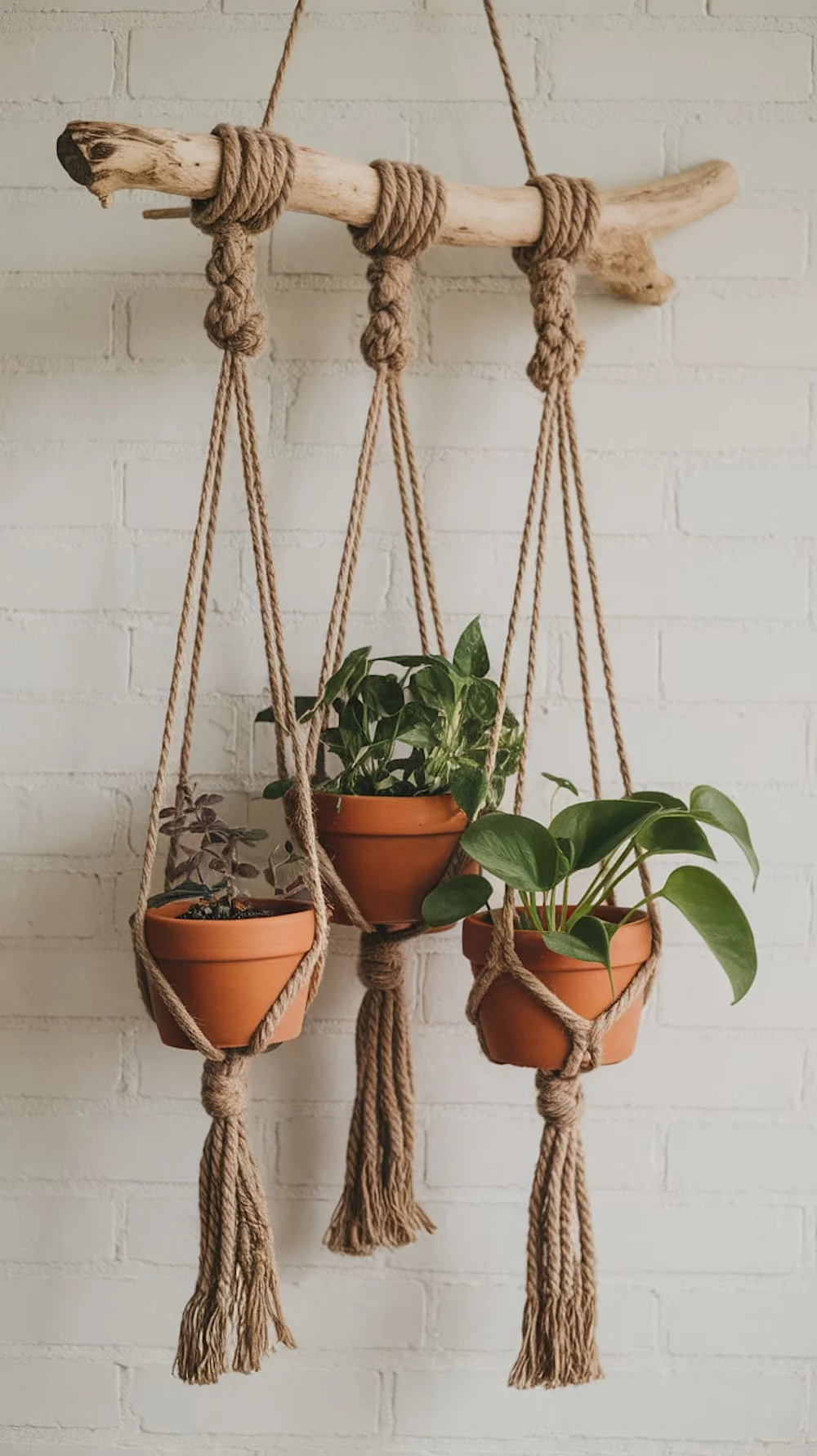
Woven plant hangers have moved from boho‑chic niche to a mainstream staple in contemporary interiors. Whether you live in a compact city apartment or a spacious suburban home, these handcrafted accessories add texture, visual interest, and a touch of nature without sacrificing floor space. In this guide we’ll explore why DIY décor with woven plant hangers is a smart choice, walk you through step‑by‑step creation methods, and show you how to integrate them into every room of the house. By the end, you’ll feel confident turning a simple bundle of rope into a statement piece that elevates your living environment.
Beyond aesthetics, the appeal of woven hangers lies in their versatility. They can cradle trailing pothos in a kitchen window, showcase a succulent cascade in a bathroom, or become a focal point above a bedroom nightstand. The DIY approach also allows you to customize materials, colors, and dimensions to match your existing décor palette. Let’s dive into the practical side of creating and styling these functional works of art.
Why DIY décor with woven plant hangers works for modern interiors
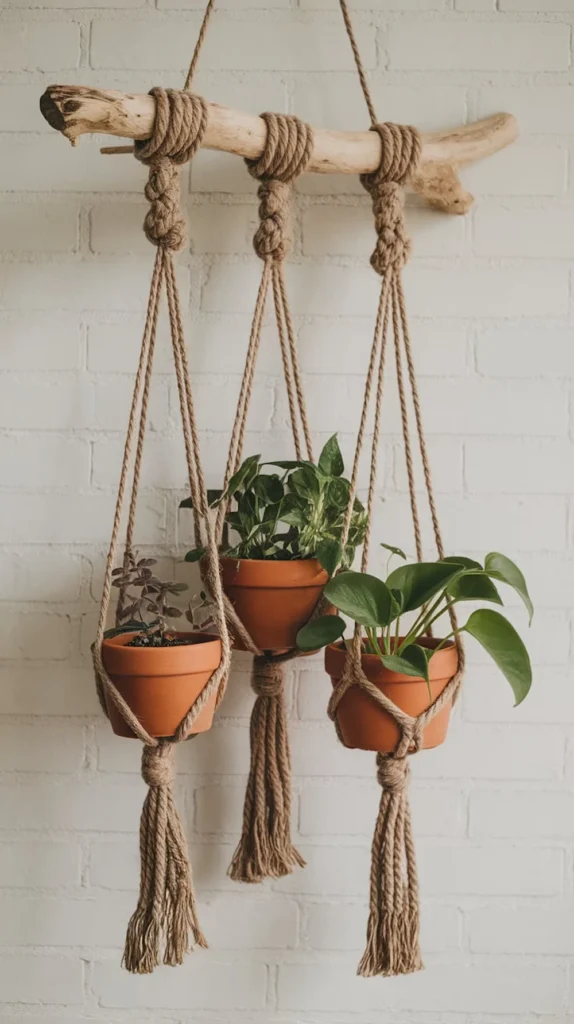
Modern interior design values clean lines, sustainable materials, and a seamless blend of form and function. DIY décor with woven plant hangers checks all those boxes. First, the tactile nature of woven fibers—whether jute, cotton, or hemp—adds a natural, organic layer that softens the hard surfaces typical of contemporary homes. Second, the hanging format lifts greenery off the floor, preserving precious square footage while still delivering the health benefits of indoor plants. Finally, crafting your own hangers gives you control over color schemes, knot styles, and finish, ensuring the piece feels bespoke rather than off‑the‑shelf.
When you choose a DIY route, you also join a growing community of environmentally conscious creators who prefer repurposing old rope, twine, or even reclaimed fishing line. This sustainable mindset aligns perfectly with modern design trends that prioritize eco‑friendly materials and low‑impact production.
Materials and tools you’ll need to start your project
Before you begin, gather the essential supplies. Having everything on hand prevents interruptions and lets you focus on the creative process.
Choosing the right rope for DIY décor with woven plant hangers
- Natural fibers: Jute, sisal, and hemp are sturdy, have a rustic appearance, and work well for larger plants.
- Cotton or linen: Softer to the touch, these are ideal for lighter greens and for spaces where a refined finish is desired.
- Recycled materials: Old macramé cords, reclaimed twine, or even repurposed garden hose can add character while reducing waste.
In addition to rope, you’ll need:
- A sturdy metal or wooden ring (diameter 4–6 in.) as the anchor point.
- Scissors or a sharp utility knife.
- A measuring tape.
- Optional beads, wooden charms, or painted wooden dowels for added flair.
With these items ready, you’re set to start weaving your own plant hanger that complements any décor style.
Step‑by‑step guide to crafting a classic macramé plant hanger
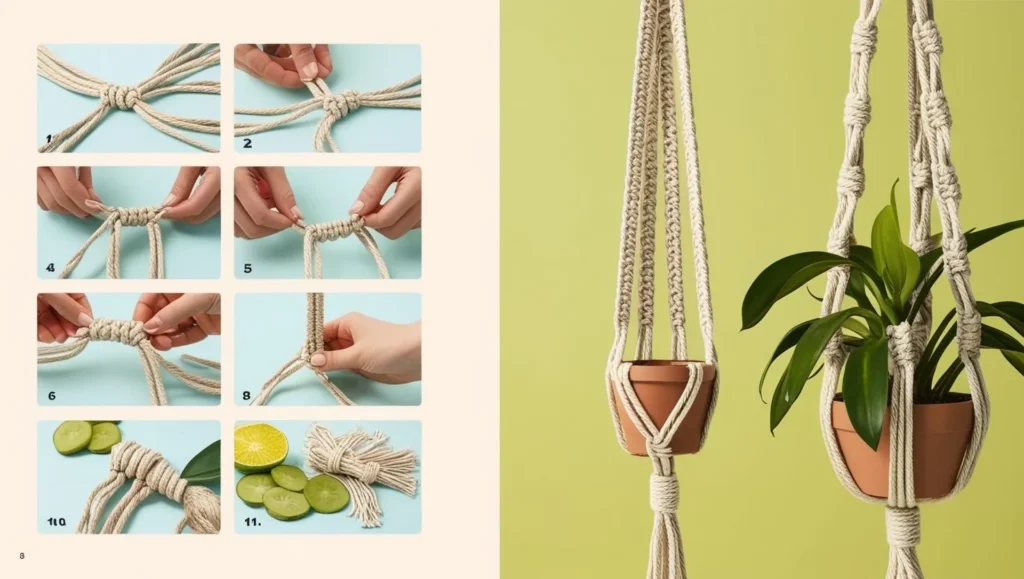
Macramé remains the most popular technique for DIY décor with woven plant hangers. Below is a concise, beginner‑friendly method that yields a sturdy, elegant hanger suitable for a wide range of pots.
Step 1: Measure and cut your cords
Measure four cords to be twice the desired finished length plus an extra 12 in. for knots. For a 24‑in. hanger, cut each cord to about 60 in. Trim the ends neatly to avoid fraying.
Step 2: Create the anchor loop
Fold each cord in half, forming a loop. Slide the loops through the metal ring, then pull the loose ends through the loop to make a secure lark’s head knot. This step ensures the hanger will hang evenly from the ceiling hook.
Step 3: Form the first square knot
Separate the cords into two groups of four. Take the leftmost cord of the left group and cross it over the two middle cords, then under the rightmost cord, forming a “C” shape. Pull the working cord through the loop created and tighten. Repeat the process with the rightmost cord of the right group. You now have a symmetrical square knot.
Step 4: Build the hanging net
Continue adding rows of square knots, alternating between the left and right groups, until the net reaches the height needed to support your pot comfortably—generally three to four rows. Keep tension even to maintain a balanced appearance.
Step 5: Finish with a cradle
Gather all eight cords together and tie a large knot about 2 in. from the bottom of the net. This knot forms the cradle that will hold the plant pot. Trim any excess cord, leaving a 2‑in. tail for a clean finish.
Now your macramé hanger is ready! Slip a pot into the cradle, adjust the length by pulling the cords, and hang it from a ceiling hook or sturdy bracket.
Styling ideas for every room
One of the greatest strengths of DIY décor with woven plant hangers is their adaptability. Below are curated ideas for integrating your handmade hangers into specific spaces, each paired with practical tips to maximize visual impact.
Living room: Create a vertical garden wall
Group three to five hangers of varying lengths along a single wall to form a cascading vertical garden. Use plants with different leaf shapes—like a fiddle‑leaf fig, a trailing string of pearls, and a compact snake plant—to generate depth. Pair this display with a low‑profile sofa and a neutral rug for a balanced look. For further inspiration, see our guide on Living Room décor with ceramic vases.
Bedroom: Soft lighting and soothing greenery
Hang a single, medium‑size woven hanger above the bedside table. Choose a plant that thrives in low light, such as a ZZ plant, to bring a calming vibe. Complement the natural texture with soft linen bedding and a muted color palette. Adding a small, handcrafted clay candle holder nearby can enhance the ambience—check out DIY décor with clay candle holders for ideas.
Kitchen: Herb garden within arm’s reach
Install a sturdy hook on the kitchen backsplash and suspend a woven hanger filled with basil, thyme, and rosemary. The hanging garden stays out of the way of countertops while providing fresh herbs for cooking. Pair the green foliage with stainless‑steel appliances for a modern farmhouse feel.
Bathroom: Moisture‑loving ferns
Bathrooms often have high humidity, perfect for ferns and air‑purifying plants. Use a short, water‑resistant rope (like synthetic macramé cord) to avoid rot. A small woven hanger near the vanity can host a Boston fern, adding a spa‑like atmosphere. For a full calming aesthetic, explore Bathroom décor with calming décor pieces.
Outdoor patio or balcony: Weather‑proof displays
Opt for UV‑treated hemp or marine‑grade rope when creating hangers for outdoor use. Secure them to a pergola or railing, then fill with drought‑tolerant succulents or trailing ivy. The natural fibers will blend with the outdoor setting while protecting the plants from wind.
Quick Tips for Perfectly Crafted Woven Plant Hangers
- Keep knot tension consistent; uneven tension leads to lopsided hangers.
- Use a dowel or wooden bead as a spacer when creating larger nets to maintain even gaps.
- Pre‑soak natural rope in warm water for 10 minutes to soften fibers and reduce splintering.
- Match rope color to existing décor—neutral tones for minimalist spaces, bold hues for eclectic rooms.
- Test the hanger’s strength by gently pulling before adding the plant; adjust knot size if needed.
Common mistakes and how to avoid them
Even seasoned crafters can stumble when making DIY décor with woven plant hangers. Recognizing common pitfalls helps you finish with confidence.
- Using the wrong rope thickness: Thin cords may snap under the weight of a larger pot. Choose a rope gauge that corresponds to the plant’s size—generally 4–6 mm for medium pots.
- Skipping the anchor knot: The lark’s head knot is crucial for a secure connection to the ceiling hook. Neglecting it can cause the hanger to slide off.
- Over‑tightening knots: Excessive tension can cause the rope to break over time. Aim for snug but flexible knots that allow a slight give.
- Ignoring plant weight: Heavy terracotta pots need a reinforced cradle—add an extra loop of rope around the pot’s rim for added support.
- Placing hangers in direct sunlight without protection: Sun‑bleached fibers look faded quickly. Position near a window with indirect light or use a UV‑resistant coating.
Frequently Asked Questions
Can I use synthetic rope for indoor plant hangers?
Yes. Synthetic cords such as nylon or acrylic are strong, resistant to moisture, and less likely to fray. They work well in high‑humidity areas like bathrooms, though they lack the natural texture of hemp or jute.
How often should I water hanging plants?
Watering frequency depends on the plant species and environmental conditions. As a rule of thumb, check the soil moisture every 5‑7 days; water when the top inch feels dry. Hanging pots often dry faster because of increased airflow.
Do woven plant hangers need special cleaning?
Yes, especially for natural fibers. Gently dust them weekly with a soft brush or a handheld vacuum. For deeper cleaning, spot‑wash with a damp cloth and mild soap, then let them air‑dry completely before rehanging.
Is it safe to hang plant hangers from drywall?
For light to medium‑weight hangers, use a sturdy anchor or toggle bolt designed for drywall. For heavier setups, locate a ceiling joist and drill directly into it to ensure maximum support.
Can I combine multiple plants in one hanger?
Absolutely. Create a tiered design by adding a secondary net below the main cradle, or use a wide macramé bowl that accommodates several small pots. Just be mindful of the combined weight and ensure the knots are reinforced.
What are the best plants for low‑light hanging displays?
Snake plant, ZZ plant, pothos, and philodendron varieties thrive in low‑light conditions and are ideal for hanging installations where direct sunlight is limited.
Integrating DIY décor with woven plant hangers into your home is more than a decorative choice; it’s an invitation to bring nature, texture, and personal craftsmanship into everyday life. By selecting the right materials, mastering basic macramé knots, and thoughtfully placing hangers throughout each room, you’ll achieve a cohesive, modern aesthetic that feels both curated and lived‑in. Experiment with colors, rope types, and plant varieties to keep the look fresh, and don’t hesitate to revisit our other style guides for complementary ideas. Happy weaving, and enjoy the verdant transformation of your space!