
Table of Contents
- Understanding the Basics: What Are Disc Lights and Can Lights?
- Design Aesthetics: Visual Impact of Disc Lights vs Can Lights
- Disc Lights vs Can Lights: Choosing the Right Finish
- Performance and Light Quality: Brightness, Beam Angle, and Color Rendering
- Energy Efficiency: How Disc Lights vs Can Lights Compare
- Installation Considerations: DIY Friendliness and Structural Constraints
- Installation Tips for Disc Lights vs Can Lights
- Cost Analysis: Upfront Investment and Long‑Term Value
- Practical Applications: Where Disc Lights vs Can Lights Excel
- Living Room
- Kitchen
- Bedroom
- Bathrooms and Spa‑Like Spaces
- Small Apartments and Loft Spaces
- Quick Tips for Choosing Between Disc Lights and Can Lights
- Common Mistakes to Avoid When Installing Disc Lights or Can Lights
- Frequently Asked Questions
- What is the main visual difference between disc lights and can lights?
- Can I use disc lights in a ceiling with insulation?
- Are dimmable disc lights more expensive than dimmable can lights?
- How many watts do I need for a typical kitchen island?
- Do disc lights work with smart home systems?
- Which option is better for a historic home renovation?
- Wrapping It All Up: Making the Right Choice for Your Space
Disc Lights vs Can Lights – A Comprehensive Comparison for Modern Homes
Lighting is one of the most powerful tools in interior design, shaping the mood of a room while also serving practical needs. Among the myriad options on the market, disc lights and can lights are two of the most popular recessed lighting solutions. Both promise a clean, streamlined look, yet they differ in performance, aesthetics, and installation considerations. Understanding these differences can help homeowners, renters, and designers select the fixture that best complements a given space.
In this article we’ll dive deep into the characteristics of disc lights versus can lights, explore where each shines (pun intended), and provide actionable tips for integrating them into various rooms—from living rooms and kitchens to compact apartments. Whether you’re remodeling a master bathroom, updating a bedroom, or adding ambience to a balcony, the right choice will enhance your design vision while keeping energy consumption in check.
Understanding the Basics: What Are Disc Lights and Can Lights?

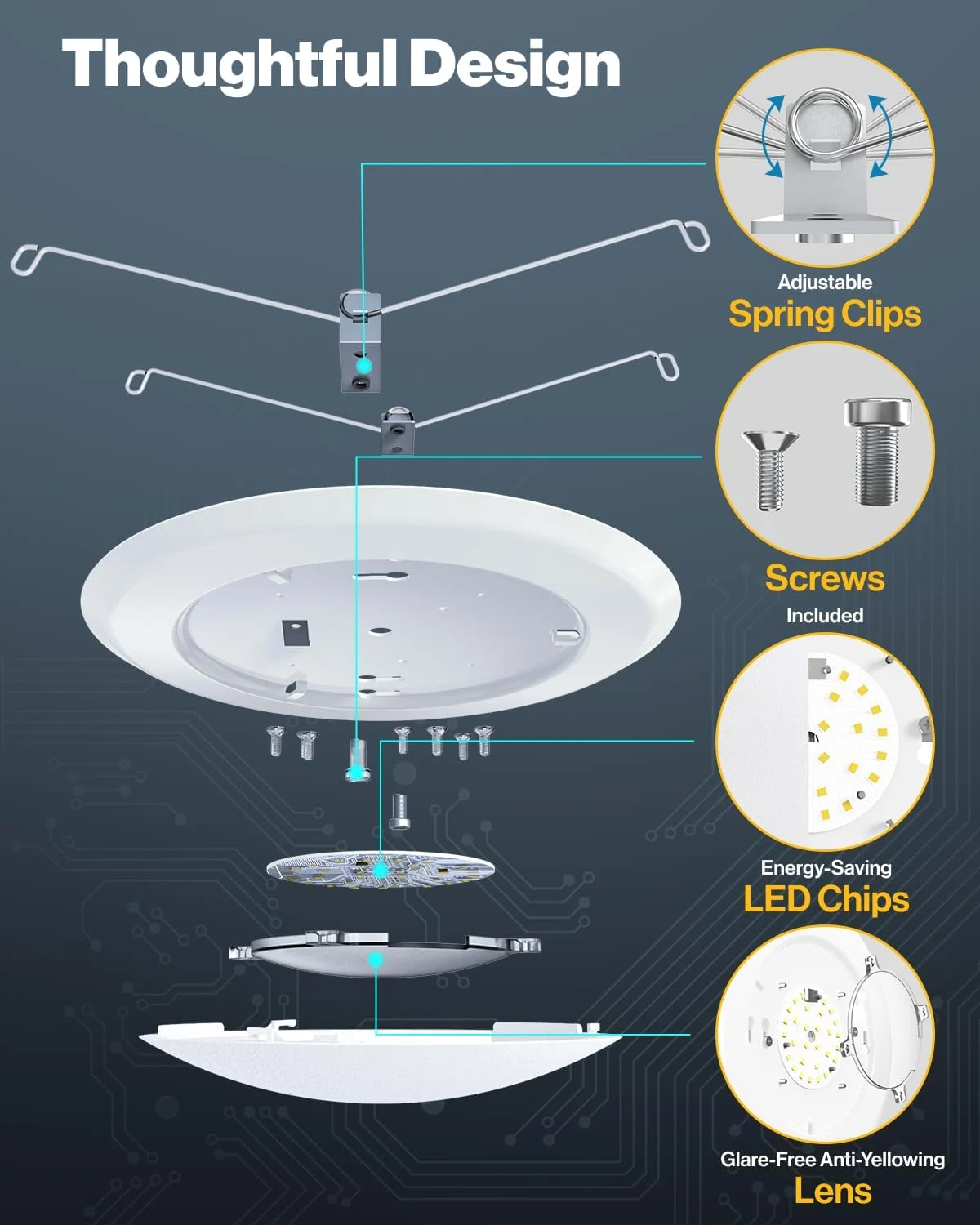
Disc lights, also known as “LED wafer lights” or “surface-mounted disc fixtures,” are ultra‑thin, circular lighting modules that sit flush with the ceiling or can be recessed a few millimeters deep. They typically use a single LED wafer, delivering even illumination with a low profile that’s ideal for modern minimalist aesthetics.
Can lights—sometimes called recessed cans, downlights, or pot lights—are deeper fixtures that house a bulb (often an LED retrofit) within a cylindrical housing. The housing is installed into the ceiling cavity, creating a clean hole that the trim (or baffle) covers. Can lights have been a staple in residential lighting for decades and offer a broad range of trims, beam angles, and dimming capabilities.
Both disc lights and can lights can be used to achieve a “no‑fixture” look, but the subtle differences in depth, heat dissipation, and light distribution make each suited for particular applications. Below we’ll compare them across key dimensions.
Design Aesthetics: Visual Impact of Disc Lights vs Can Lights
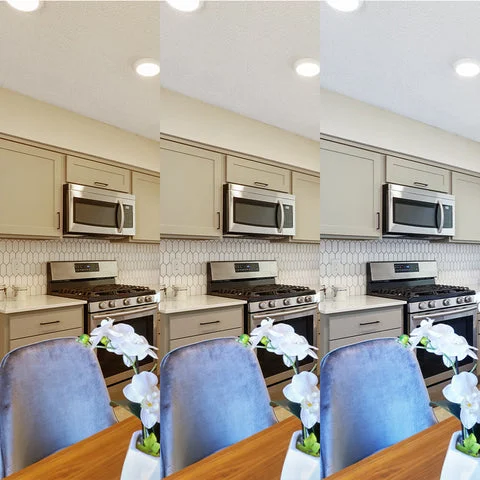
When you step into a room lit by disc lights, the first thing you notice is the almost invisible presence of the fixture. The thin disc blends seamlessly with the ceiling surface, making the light source appear as a floating glow. This is especially effective in rooms with low ceilings where a protruding can could feel bulky.
Can lights, on the other hand, create a subtle halo around the trim, which can be used intentionally to add depth and visual interest. The variety of trim options—such as baffle, reflector, or decorative—allows designers to tailor the look to a space’s style, whether it’s sleek modern or classic farmhouse.
For example, a high‑gloss kitchen ceiling paired with slim disc lights can reinforce a clean, high‑tech vibe, while a living room with warm wood paneling might benefit from matte‑finished can lights that echo the texture of the walls. The choice between disc lights vs can lights often boils down to how much you want the fixture to be seen versus hidden.
Disc Lights vs Can Lights: Choosing the Right Finish
- Disc Lights: Typically come in white, black, or brushed metal finishes; the thin profile limits decorative options.
- Can Lights: Offer a broader palette, including chrome, bronze, oil‑rubbed bronze, and custom colors. Decorative trims can become a subtle design statement.
Performance and Light Quality: Brightness, Beam Angle, and Color Rendering
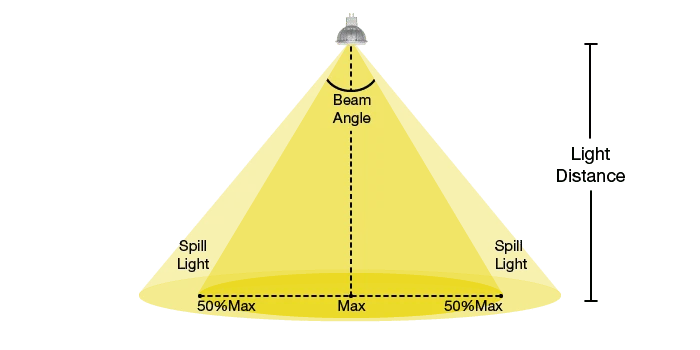
Performance is a critical factor when evaluating disc lights vs can lights. Disc lights often use a single high‑efficiency LED wafer that delivers a broad, soft spread of light—ideal for general ambient illumination. Their built-in diffusers help reduce glare, making them a comfortable choice for bedrooms and home offices.
Can lights, depending on the bulb and trim, can provide tighter beam angles (as low as 15°) for accent lighting, or wider spreads (up to 120°) for task lighting. This flexibility makes can lights a go‑to for kitchen islands, bathroom vanities, and art spotlighting. Moreover, many can light housings support higher wattage LEDs, which can produce greater brightness when needed.
Color rendering index (CRI) is another consideration. Modern disc lights typically boast a CRI of 90+, ensuring colors appear true‑to‑life—an advantage for spaces where accurate color perception matters, such as a dressing area. Can lights with high‑quality LED bulbs can match this performance, but older retrofit bulbs may lag behind.
Energy Efficiency: How Disc Lights vs Can Lights Compare
Both fixture types are now predominantly LED, offering comparable energy savings. However, disc lights usually have lower wattage requirements due to their integrated LEDs, often ranging from 5W to 15W for a typical 400‑lumens output. Can lights, especially those designed for retrofit, might use 10W to 20W LEDs to achieve similar brightness, but the difference in annual electricity cost is generally marginal.
Choosing the most efficient option depends on the overall layout: a large open‑plan area may benefit from a few high‑output can lights, while a series of disc lights can provide even illumination with lower total wattage.
Installation Considerations: DIY Friendliness and Structural Constraints
One of the biggest questions homeowners ask when comparing disc lights vs can lights is about installation difficulty. Disc lights shine in the DIY arena. Their ultra‑thin profile often requires only a shallow cutout in the ceiling, sometimes as little as 0.5 inches deep, and many models come with a simple “plug‑and‑play” wiring harness. This makes them an attractive option for renters who want a quick upgrade without major drywall work.
Can lights, conversely, demand a deeper cavity—typically 4 to 6 inches—to accommodate the housing. This often involves cutting a larger hole, possibly adjusting joists or insulation, and ensuring proper fire‑rating compliance. While experienced DIYers can manage the task, many opt for professional installation to avoid code violations.
Both types require proper voltage and grounding, and it’s essential to check the local electrical code before proceeding. When retrofitting an existing space, disc lights can be installed in places where a can would be impossible due to limited ceiling depth.
Installation Tips for Disc Lights vs Can Lights
- Plan your layout on paper first—measure spacing to avoid hot spots.
- Use a stud finder to locate joists and avoid drilling into structural elements.
- For disc lights, ensure the ceiling material can support the weight; most drywall works fine.
- When installing can lights, use insulation‑compatible housings to prevent heat buildup.
- Always turn off the circuit at the breaker before starting any wiring work.
Cost Analysis: Upfront Investment and Long‑Term Value
Budget is a decisive factor in the disc lights vs can lights debate. Disc lights tend to have a higher upfront price per fixture because of their integrated LED technology and sleek design. A typical 4‑inch disc light may range from $30 to $60, including the driver.
Can lights, especially basic trim and retrofit LED bulbs, can be found for $10 to $25 per unit, making them more attractive for large‑scale projects. However, when you factor in installation labor—especially the deeper cut required for cans—the total cost can level out. Over time, the energy savings of both options are comparable, so the decision often hinges on the aesthetic priority and installation budget.
For larger renovations, consider bulk purchasing discounts and the potential resale value added by a cohesive lighting scheme. High‑quality disc lights can signal a premium finish to prospective buyers, while well‑placed can lights demonstrate thoughtful design.
Practical Applications: Where Disc Lights vs Can Lights Excel
Below is a quick reference for choosing the right fixture based on room type and design goals.
Living Room
Disc lights work beautifully in low‑ceiling living rooms where you want a clean, unobtrusive look. They provide a uniform wash of light that highlights furniture without casting harsh shadows. If you need accent lighting for artwork or architectural features, supplement with a few directional can lights.
Kitchen
Can lights dominate in kitchens because they can be angled toward countertops, islands, and cabinets for task lighting. Their ability to accommodate higher wattage LEDs makes them suitable for bright, focused illumination. Disc lights can be used for ambient under‑cabinet lighting or as a subtle ceiling accent.
Bedroom
Disc lights create a soft, diffused glow that’s perfect for a relaxing bedroom ambiance. Their low profile allows for ceiling‑mounted reading lights without compromising ceiling height. If you prefer a reading nook with adjustable brightness, consider a dimmable can light near the bedside.
Bathrooms and Spa‑Like Spaces
Moisture‑resistant can lights with proper IP ratings are the go‑to for bathrooms, especially around showers and vanities. Disc lights with sealed, waterproof designs can also work, but make sure they meet the necessary wet‑area specifications. For a spa‑like bathroom, combine recessed can lights with dimmable controls and a few disc lights for indirect wall washing.
Small Apartments and Loft Spaces
Space constraints favor disc lights due to their shallow installation depth. They can be spaced closer together without creating a “crowded” look, making them ideal for studios and lofts where every inch matters.
For more inspiration on small space solutions, check out our guide on Neutral Small Living Room Décor: A Complete Guide for Modern Spaces.
Quick Tips for Choosing Between Disc Lights and Can Lights
- Assess ceiling height: low ceilings benefit from disc lights.
- Determine the primary function—ambient vs task lighting.
- Check local building codes for fire‑rating requirements.
- Consider dimmable drivers for flexible mood setting.
- Match fixture finish with existing hardware for a cohesive look.
Common Mistakes to Avoid When Installing Disc Lights or Can Lights
Even seasoned DIYers can slip into pitfalls that diminish the effectiveness of their lighting design. Here are a few frequent errors and how to sidestep them.
- Over‑spacing fixtures: Leaving too much distance between lights creates dark patches. Use a spacing calculator based on ceiling height and fixture beam angle.
- Ignoring heat buildup: While LED disc lights run cooler, can light housings need proper insulation clearance. Failing to leave a gap can shorten bulb life.
- Choosing the wrong trim: A glossy trim in a high‑glare area can cause uncomfortable brightness. Opt for baffle or matte trims for workspaces.
- Not using dimmers: Fixed‑intensity lighting reduces flexibility. Install compatible dimmers to adapt lighting to different activities.
- Skipping professional inspection: For complex installations, especially in bathrooms, a licensed electrician can ensure safety and compliance.
Frequently Asked Questions
What is the main visual difference between disc lights and can lights?
Disc lights sit almost flush with the ceiling, creating a nearly invisible light source, whereas can lights have a visible trim that can be decorative or functional, adding a subtle halo effect.
Can I use disc lights in a ceiling with insulation?
Yes, most modern disc lights are rated for direct contact with insulation, but always verify the manufacturer’s specifications to ensure compliance with fire codes.
Are dimmable disc lights more expensive than dimmable can lights?
Generally, dimmable disc lights carry a higher price tag due to integrated drivers, but the cost difference has narrowed as LED technology advances.
How many watts do I need for a typical kitchen island?
A kitchen island usually requires 30‑40 watts of LED output per linear foot for adequate task lighting. This can be achieved with 2‑3 can lights or a series of high‑output disc lights.
Do disc lights work with smart home systems?
Many disc lights come with built‑in Wi‑Fi or Zigbee modules, allowing integration with popular smart home platforms for voice control and scheduling.
Which option is better for a historic home renovation?
Can lights often win in historic renovations because their trims can be selected to match period‑appropriate hardware, while disc lights offer a contemporary look that may clash with historic aesthetics.
Wrapping It All Up: Making the Right Choice for Your Space
Choosing between disc lights and can lights isn’t a binary decision; it’s about aligning each fixture’s strengths with the functional and aesthetic goals of a room. Disc lights excel in low‑profile, seamless designs, delivering soft, uniform illumination with minimal installation depth. Can lights, meanwhile, provide versatile trim options, adjustable beam angles, and robust performance for task‑oriented spaces.
By evaluating ceiling height, lighting purpose, installation constraints, and budget, you can craft a lighting plan that feels both intentional and effortless. Remember to pair your chosen fixtures with quality dimmers, appropriate CRI ratings, and consistent finishes to create a cohesive look throughout your home.
Ready to transform your living spaces? Explore more design ideas on The Homara, experiment with the right blend of disc lights vs can lights, and watch how a well‑planned lighting scheme elevates every room.