
Table of Contents
- cryotherapy vs ice baths a comprehensive analysis: Understanding the Core Differences
- cryotherapy vs ice baths a comprehensive analysis: Which Method Suits Your Lifestyle?
- Physiological Benefits: What Science Says About Cryotherapy and Ice Baths
- Designing a Home Cold‑Therapy Space: Aesthetic and Functional Tips
- Cost, Maintenance, and Practical Considerations
- Safety Guidelines: Maximizing Benefits While Minimizing Risks
- Quick Tips for Integrating Cold Therapy into Your Daily Routine
- Common Mistakes and How to Avoid Them
- Frequently Asked Questions
cryotherapy vs ice baths a comprehensive analysis
Cold therapy has surged in popularity, finding its way from elite sports facilities into everyday homes. Whether you’re a fitness enthusiast, a recovery professional, or simply curious about the chill, understanding the nuances between cryotherapy and ice baths can help you make an informed decision that aligns with both health goals and lifestyle preferences. This article breaks down the science, practicalities, and design considerations, offering a holistic view that resonates with modern homeowners who value wellness as part of interior design.
Beyond the physiological effects, the integration of cold‑therapy stations into a living space raises questions about aesthetics, safety, and functionality. By the end of this comprehensive analysis, you’ll have a clear roadmap for selecting the right method, optimizing your recovery routine, and even styling the area to complement your home décor vision.
cryotherapy vs ice baths a comprehensive analysis: Understanding the Core Differences
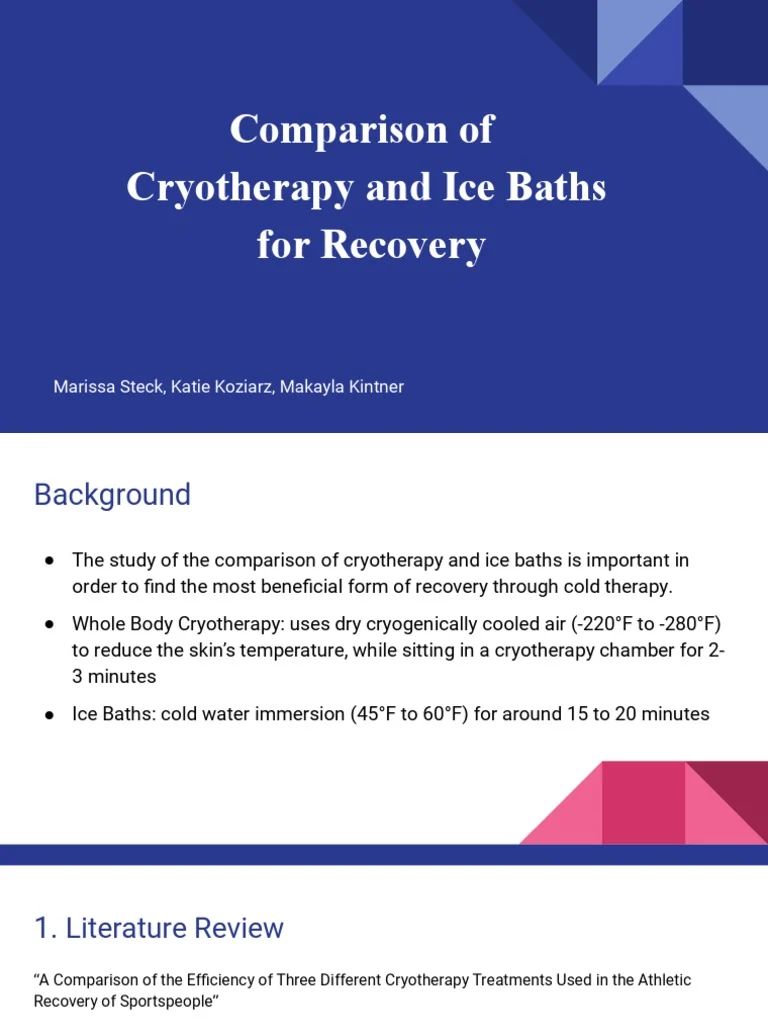
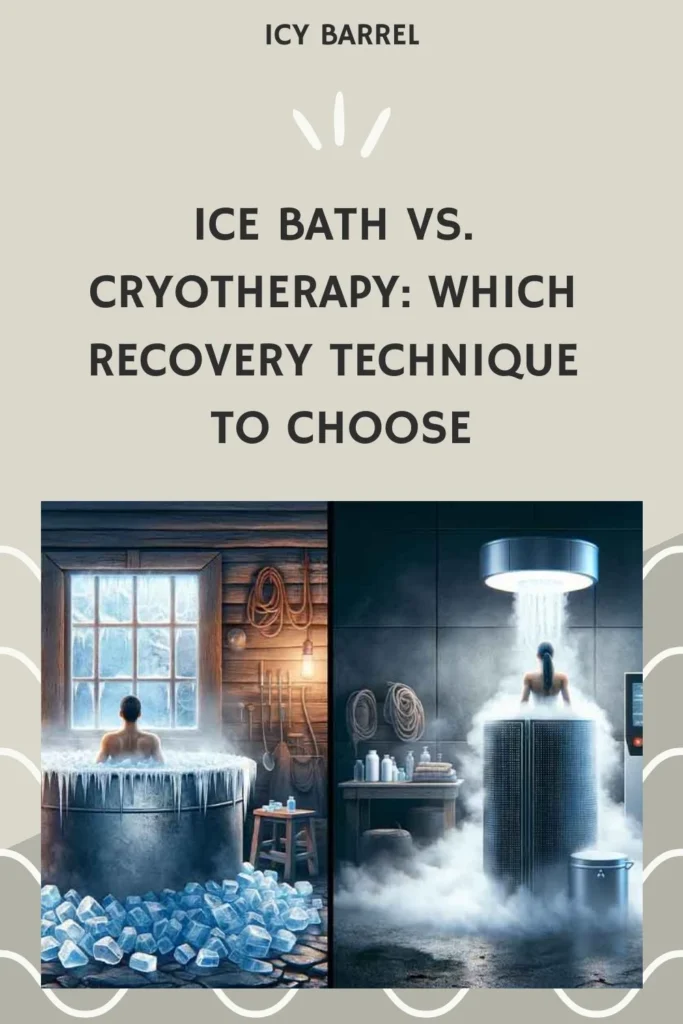
At first glance, cryotherapy and ice baths appear to share the same goal—exposing the body to low temperatures for therapeutic benefit. Yet the mechanisms, duration, and user experience differ markedly. Cryotherapy typically involves stepping into a chamber that blasts air at temperatures ranging from –110°C to –140°C for a short 2‑3 minute session. The extreme cold is delivered via nitrogen or refrigerated air, creating a rapid cooling effect across the skin’s surface.
Ice baths, on the other hand, submerge the body—usually up to the waist—in water cooled to 10‑15°C (50‑59°F). Sessions last longer, generally 8‑12 minutes, allowing the colder water to penetrate deeper tissues. While both modalities trigger vasoconstriction followed by vasodilation, the intensity and depth of the response vary, influencing outcomes such as inflammation reduction, pain relief, and metabolic boost.
cryotherapy vs ice baths a comprehensive analysis: Which Method Suits Your Lifestyle?
- Time Efficiency: Cryotherapy delivers results in a fraction of the time needed for an ice bath, making it ideal for busy professionals.
- Cost Considerations: A single cryotherapy session can range from $40 to $80, while an ice bath requires minimal equipment—a tub, water, and ice—making it a budget‑friendly alternative.
- Space Requirements: Cryotherapy chambers occupy dedicated floor space, often requiring a commercial‑grade room with ventilation. Ice baths can be set up in a bathtub, a portable tub, or even a large cooler, offering flexibility for apartment living.
- Safety Profile: Cryotherapy’s extreme cold can cause skin burns if protocols aren’t followed, whereas ice baths pose risks of hypothermia and water‑related slips if the area isn’t properly prepared.
Choosing between the two ultimately hinges on personal goals, schedule, and the aesthetic context of your home. For those who enjoy a sleek, high‑tech look, a cryotherapy chamber can become a statement piece, reminiscent of a futuristic spa corner. Meanwhile, an ice bath can be styled as a tranquil “wellness nook,” blending natural elements like stone tiles and indoor plants—perfect for readers interested in plant styling in living rooms and creating soothing ambience.
Physiological Benefits: What Science Says About Cryotherapy and Ice Baths
Both modalities trigger the body’s natural cold‑shock response, but the magnitude and cascade of biochemical events differ. Cryotherapy’s rapid cooling stimulates a surge of norepinephrine, a neurotransmitter linked to mood elevation, heightened focus, and reduced perception of pain. Studies also show a temporary increase in basal metabolic rate, which can aid in calorie expenditure.
Ice baths, by maintaining colder temperatures for a longer period, facilitate deeper muscle tissue cooling. This leads to reduced creatine kinase levels—a marker of muscle damage—and can accelerate recovery after intense training. Additionally, the prolonged exposure promotes the release of anti‑inflammatory cytokines, helping to alleviate chronic joint pain.
When evaluating a cryotherapy vs ice baths a comprehensive analysis, it’s essential to recognize that the benefits are not mutually exclusive. Many athletes rotate between both methods to capitalize on the acute hormonal boost from cryotherapy and the sustained muscular recovery provided by ice baths.
Designing a Home Cold‑Therapy Space: Aesthetic and Functional Tips

Integrating cold therapy into your residence doesn’t have to compromise style. Below are practical ideas that marry wellness with modern décor.
- Dedicated Cryotherapy Chamber: Install a sleek, minimalist chamber in a spare bathroom or utility room. Use matte black finishes, concealed lighting, and a glass partition to maintain visual continuity with the rest of the home. Add a small shelving unit for towels and a digital timer for a spa‑like experience.
- Ice Bath Retreat: Convert a large bathtub or a freestanding tub into a therapeutic ice bath. Line the interior with waterproof, non‑slip tiles in neutral tones. Incorporate bamboo or reclaimed wood side panels for warmth, and place a few low‑maintenance indoor plants—think snake plant or ZZ plant—to improve air quality and visual appeal.
- Multi‑Purpose Wellness Corner: Combine a compact cryotherapy unit with a portable ice tub, surrounded by a modular shelving system that holds essential oils, recovery tools, and decorative elements such as woven baskets. This approach mirrors the styling ideas found in kitchen décor with woven storage baskets, creating a cohesive look across rooms.
Lighting plays a pivotal role. Soft, cool‑white LEDs can enhance the clinical feel of a cryotherapy chamber, while warm amber lights create a soothing atmosphere for an ice bath area. Consider installing dimmable switches to transition from energizing to relaxing moods.
Cost, Maintenance, and Practical Considerations
Investing in a cryotherapy system involves a higher upfront cost, often exceeding $5,000 for a residential unit, plus ongoing expenses for nitrogen refills and professional servicing. Maintenance includes regular calibration of temperature controls and ensuring adequate ventilation to prevent moisture buildup.
Ice baths demand far less financial commitment. A high‑quality portable tub may cost $150‑$300, and the primary recurring cost is the purchase of ice. However, owners must manage water quality, drainage, and potential slip hazards. Installing a waterproof floor mat and a quick‑drain system mitigates these concerns.
From an environmental standpoint, cryotherapy consumes more electricity due to extreme cooling requirements, while ice baths rely on locally sourced ice, which may have a lower carbon footprint if sourced responsibly. Homeowners seeking sustainable solutions can offset energy use by integrating solar panels or scheduling sessions during off‑peak hours.
Safety Guidelines: Maximizing Benefits While Minimizing Risks
Regardless of the method chosen, safety should never be an afterthought. Below are essential protocols for a safe cryotherapy vs ice baths a comprehensive analysis implementation.
- Pre‑Session Screening: Consult a healthcare professional if you have cardiovascular conditions, hypertension, or cold‑related disorders such as Raynaud’s disease.
- Duration Control: Never exceed 3 minutes in a cryotherapy chamber and limit ice bath exposure to 12 minutes. Use a timer to stay within safe limits.
- Temperature Monitoring: Verify chamber temperature before each session and ensure the ice bath stays within the 10‑15°C range. A digital thermometer is a worthwhile investment.
- Clothing and Accessories: Wear moisture‑wicking, thin clothing in cryotherapy to allow uniform cooling. For ice baths, consider neoprene booties to protect feet from prolonged cold exposure.
- Post‑Session Warm‑Up: Gradually re‑warm the body with gentle stretching, a warm shower, or a light blanket. Sudden temperature changes can cause vascular stress.
By adhering to these guidelines, you create a safe environment that respects both the physiological demands of cold therapy and the design integrity of your home.
Quick Tips for Integrating Cold Therapy into Your Daily Routine
- Schedule a 3‑minute cryotherapy session right after your morning workout to boost alertness.
- Set up a compact ice tub in your bathroom and keep a bucket of ice ready for quick post‑exercise recovery.
- Use aromatherapy diffusers with eucalyptus or peppermint in the recovery space to enhance the rejuvenating effect.
- Incorporate a sleek digital timer that matches your décor theme—metallic finishes complement modern interiors.
- Keep a plush, quick‑dry towel within reach to wrap up immediately after each session, preserving warmth.
Common Mistakes and How to Avoid Them
Even with thorough research, many first‑timers fall into pitfalls that diminish the effectiveness of their cold‑therapy practice.
- Skipping the Warm‑Up: Jumping straight into a cryotherapy chamber without a brief warm‑up can cause unnecessary shock. Light cardio for 5 minutes prepares circulation.
- Over‑Chilling: Extending ice bath duration beyond recommended limits leads to diminished returns and increased risk of hypothermia.
- Poor Hygiene: Reusing water without proper sanitation can foster bacterial growth. Drain and clean the tub after each use.
- Neglecting Aesthetics: A cold‑therapy area that feels clinical and out of place can deter consistent use. Blend the space with existing décor elements to encourage regular engagement.
- Ignoring Feedback: Pay attention to how your body responds. Persistent numbness, dizziness, or skin discoloration signals the need to adjust temperature or duration.
Frequently Asked Questions
Is cryotherapy more effective than ice baths for muscle recovery?
Both methods are effective, but they target slightly different aspects of recovery. Cryotherapy offers a rapid hormonal boost and is time‑efficient, while ice baths provide deeper tissue cooling that may better reduce muscle soreness after intense training.
Can I install a cryotherapy chamber in a small apartment?
Space constraints make it challenging. Cryotherapy units typically require a dedicated room with proper ventilation and a minimum ceiling height. However, portable localized cryotherapy devices (e.g., localized cold‑air guns) can serve as a compact alternative.
How often should I use an ice bath?
For most individuals, 2‑3 sessions per week are sufficient. Athletes may increase frequency during heavy training cycles, but it’s crucial to monitor your body’s response and avoid over‑exposure.
Do I need special flooring for an ice bath area?
Yes, a non‑slip, waterproof surface is recommended to prevent accidents. Tiles, sealed concrete, or high‑quality vinyl flooring work well and can be styled to match your interior design theme.
Are there any long‑term health risks associated with cryotherapy?
When performed correctly, cryotherapy is generally safe. Long‑term risks are rare but may include skin burns or nerve damage if temperature controls malfunction. Regular maintenance and professional supervision mitigate these concerns.
By addressing these common queries, this cryotherapy vs ice baths a comprehensive analysis equips you with the confidence to incorporate cold therapy responsibly and stylishly.
Exploring the benefits of cold therapy can transform not only your body but also your home environment. Whether you opt for the high‑tech allure of a cryotherapy chamber or the timeless simplicity of an ice bath, the key lies in thoughtful integration—balancing health outcomes with aesthetic harmony. Embrace the chill, design a space that inspires, and let the rejuvenation flow.