
Table of Contents
- Understanding the Basics of Creative Wall Décor with Fabric Art
- Choosing Fabrics that Suit Your Creative Wall Décor with Fabric Art
- Design Strategies for Different Rooms
- Living Room – Making a Statement Without Overcrowding
- Bedroom – Softening the Sanctuary
- Kitchen – Functional Yet Decorative
- Bathroom – Moisture‑Resistant Options
- Installation Techniques that Ensure Longevity
- Quick Tips for Enhancing Creative Wall Décor with Fabric Art
- Common Mistakes and How to Avoid Them
- Choosing the Wrong Fabric Weight
- Ignoring Light Exposure
- Overcrowding the Space
- Frequently Asked Questions
- Can I use fabric art in a rental apartment?
- How do I clean fabric wall décor?
- Is fabric art suitable for high‑traffic areas?
- What is the best height to hang fabric art?
- Can fabric art improve room acoustics?
- Do I need professional help for installation?
Creative Wall Décor with Fabric Art: Transform Your Space with Soft Textures
When it comes to personalizing a home, walls often become the canvas for self‑expression. While paint, wallpaper, and framed prints dominate the market, creative wall décor with fabric art offers a tactile, layered approach that can soften a room’s atmosphere and add unexpected depth. Whether you’re styling a compact apartment living room or a spacious bedroom suite, fabric‑based installations bring warmth, color, and a sense of handcrafted authenticity that resonates with modern design sensibilities.
In this comprehensive guide, we’ll explore the fundamentals of fabric wall décor, from material selection to installation techniques. You’ll discover practical tips for mixing textures, learn how to avoid common mistakes, and find inspiration for every major area of the home. By the end, you’ll have a clear roadmap to turn blank walls into vibrant, inviting statements without breaking the budget.
Understanding the Basics of Creative Wall Décor with Fabric Art
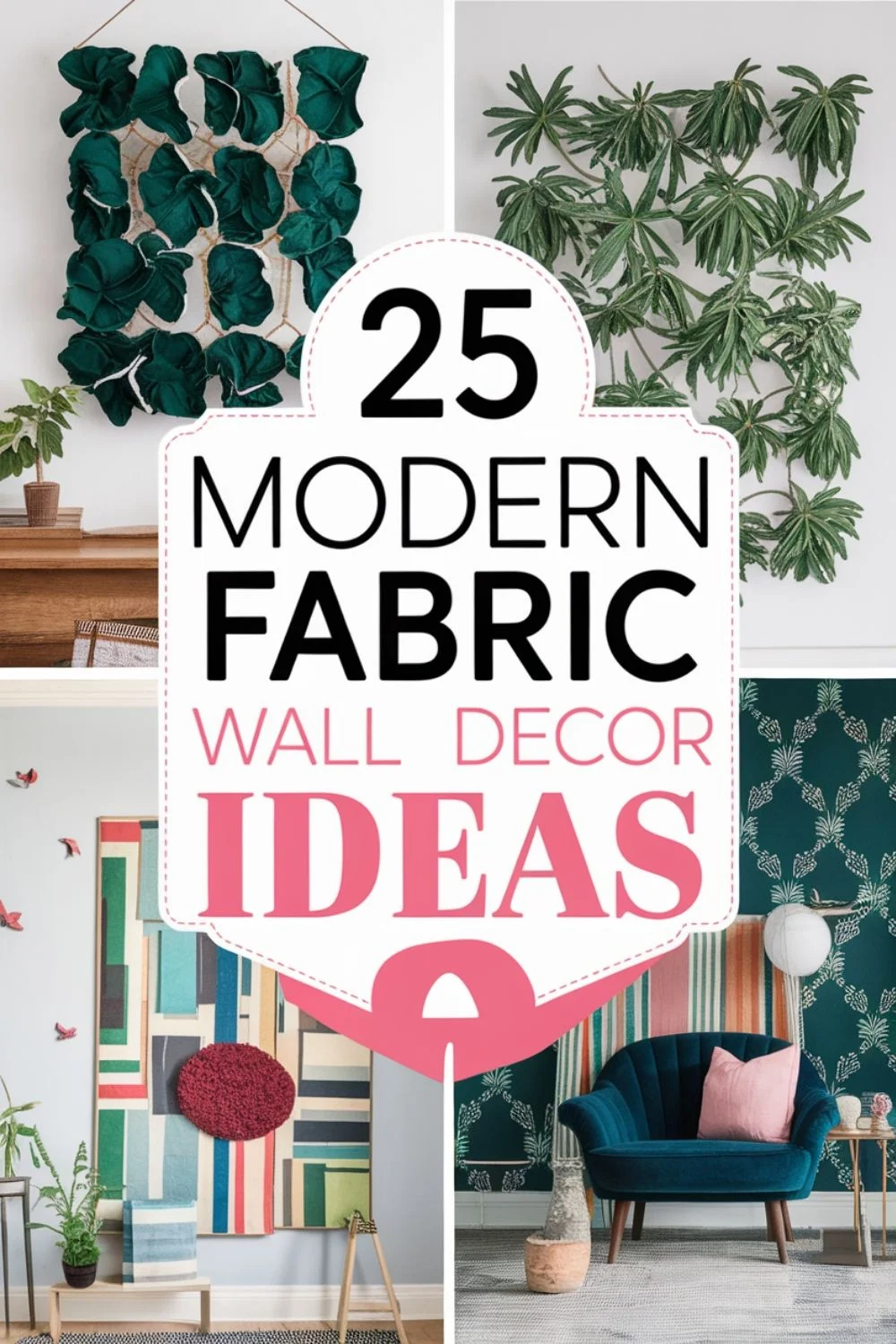
Fabric art is more than just hanging a tapestry; it’s an adaptable medium that can be stretched, layered, or even stitched directly onto a wall. The first step is choosing the right type of fabric. Natural fibers such as linen, cotton, and silk provide a luxurious drape and are breathable, making them ideal for rooms where you want a gentle, organic feel. Synthetic blends, on the other hand, often offer higher durability and fade resistance—perfect for high‑traffic zones like hallways or family rooms.
Beyond material, consider the fabric’s pattern and color palette. Large‑scale prints can serve as a bold focal point, while subtle, tonal designs work well as background textures. Pairing fabric art with other home décor ideas, such as a coordinated rug or cushions, creates a cohesive visual language that ties the whole room together. For example, a living room wall frame arrangement ideas guide shows how to balance framed artwork with fabric panels for a layered effect.
Choosing Fabrics that Suit Your Creative Wall Décor with Fabric Art
- Weight & Drape: Heavy drapery fabrics like velvet add drama, while lightweight voile offers a breezy, ethereal quality.
- Opacity: Opaque fabrics block light and create a solid backdrop; sheer options let natural light filter through, adding subtle illumination.
- Maintenance: Look for fabrics that are machine‑washable or easy to spot‑clean if you anticipate dust or spills.
Design Strategies for Different Rooms

Every room has unique functional and aesthetic demands, and fabric art can be adapted accordingly. Below are tailored strategies for four key spaces.
Living Room – Making a Statement Without Overcrowding
In a living room, the goal is often to create a conversation piece that complements seating arrangements. A large, hand‑woven wall hanging placed behind the sofa can anchor the space, while smaller fabric panels can be staggered above a media console for visual interest. Pair the fabric art with a muted sofa and a bold accent chair to maintain balance. Incorporating simple bathroom shelf décor ideas style principles—such as using consistent material tones—helps maintain a harmonious flow throughout the home.
Bedroom – Softening the Sanctuary
Bedrooms benefit from fabric art that promotes relaxation. A linen tapestry above the headboard adds texture without overwhelming the intimate space. Choose soothing hues like muted blues or soft greys to encourage calm. Layering a thin, woven rug beneath the bed can echo the wall’s fabric pattern, creating a unified sensory experience. For smaller bedrooms, consider a series of narrow fabric panels that run vertically; this elongates the wall and adds height without consuming floor space.
Kitchen – Functional Yet Decorative
While kitchens are traditionally dominated by tiles and backsplashes, a small fabric panel can introduce warmth and break the monotony of hard surfaces. Opt for a washable cotton fabric with a subtle pattern that can be removed for cleaning. Hang it near the dining nook or on a pantry door to add a pop of color without compromising practicality. Pairing the fabric with sleek hardware, such as brushed‑nickel cabinet pulls, creates a modern juxtaposition.
Bathroom – Moisture‑Resistant Options
Bathrooms require fabrics that can withstand humidity. Look for polyester blends treated with antimicrobial finishes. A fabric‑covered mirror frame or a small panel behind the vanity can add softness without risking damage. Choose light, airy patterns that reflect water‑friendly aesthetics, and ensure the fabric is securely mounted to prevent sagging. For inspiration on integrating décor into wet areas, see our article on simple bathroom shelf décor ideas.
Installation Techniques that Ensure Longevity

Proper installation is crucial for maintaining the visual impact of your fabric art over time. Begin by preparing the wall: clean, sand, and prime if needed. Use a sturdy mounting system—either a French cleat for larger pieces or adhesive strips for lightweight panels. When stretching fabric over a wooden frame, pull the material taut and secure it with a staple gun, ensuring even tension to avoid wrinkles.
For a more flexible approach, consider a hanging system using decorative rods or tension wires. This method allows you to change the fabric seasonally, keeping the room fresh. Remember to test the weight limit of any hardware and use wall anchors appropriate for your wall type (drywall, plaster, or concrete). Properly anchored pieces will resist sagging and remain safe for households with children or pets.
Quick Tips for Enhancing Creative Wall Décor with Fabric Art
- Mix textures: Pair a smooth silk panel with a chunky woven rug for contrast.
- Layer lighting: Use directional wall sconces to highlight fabric patterns after sunset.
- Play with scale: Combine a large statement piece with smaller accent panels.
- Coordinate colors: Pull a hue from the fabric into pillows or throws for cohesion.
- Seasonal swaps: Keep a few extra fabric panels on hand for quick style updates.
Common Mistakes and How to Avoid Them
Even seasoned decorators can stumble when working with fabric on walls. Below are typical pitfalls and practical solutions.
Choosing the Wrong Fabric Weight
Heavy fabrics on a poorly supported wall can cause sagging or even detach. Pair heavyweight textiles with a reinforced frame or a solid mounting system to distribute the load evenly.
Ignoring Light Exposure
Sunlight can fade vibrant colors over time. If your fabric art is placed near a large window, select UV‑resistant fabrics or install UV‑filtering window treatments.
Overcrowding the Space
Too many fabric panels can make a room feel chaotic. Limit the number of pieces per wall and allow negative space to let each element breathe.
Frequently Asked Questions
Can I use fabric art in a rental apartment?
Absolutely. Opt for removable adhesive hooks or tension rods that leave no marks. Lightweight cotton or polyester fabrics are ideal because they can be easily taken down and re‑installed without damaging the wall.
How do I clean fabric wall décor?
Most fabric panels can be spot‑cleaned with a mild detergent and a soft cloth. For larger pieces, consider using a handheld steamer to lift dust without excessive moisture. Always test a hidden area first.
Is fabric art suitable for high‑traffic areas?
Yes, if you choose durable, stain‑resistant fabrics like polyester blends. Reinforce the mounting hardware to handle occasional bumps, and consider a protective clear coating for added longevity.
What is the best height to hang fabric art?
As a rule of thumb, the center of the piece should be at eye level—approximately 57 to 60 inches from the floor. In rooms with higher ceilings, you can mount slightly higher to accentuate vertical space.
Can fabric art improve room acoustics?
Fabric absorbs sound, so large panels can help reduce echo in open‑plan living areas. Pair fabric art with plush furniture for an overall softer acoustic environment.
Do I need professional help for installation?
For small, lightweight pieces, DIY installation with adhesive strips is sufficient. However, for large or heavy installations, especially on plaster or concrete walls, hiring a professional ensures safety and a flawless finish.
Creative wall décor with fabric art offers endless possibilities to personalize any interior. By selecting the right materials, applying thoughtful design strategies, and avoiding common pitfalls, you can transform ordinary walls into captivating, tactile experiences. Explore your home’s potential, experiment with textures, and let fabric become the quiet yet powerful voice of your style. For more inspiration, dive into our other guides on workspace décor with simple shelf décor and discover how subtle touches can make a big impact across every room.