
Table of Contents
- Understanding the Core of Cozy Minimalist Apartment Décor
- Key Principles of Cozy Minimalism
- Choosing a Color Palette That Breathes Warmth
- How to Build Your Palette
- Furniture Selection: Form Meets Function
- Essential Furniture Pieces
- Layering Textures for a Warm Feel
- Ways to Introduce Texture
- Lighting Strategies That Enhance Minimalism
- Lighting Layers to Consider
- Smart Storage Solutions for Small Footprints
- Effective Storage Ideas
- Incorporating Personal Touches Without Overcrowding
- Curated Personal Elements
- Quick Home Décor Tips
- Common Mistakes and How to Avoid Them
- Typical Errors
- Frequently Asked Questions
- Can I achieve a cozy minimalist look on a tight budget?
- How do I make a small living room feel larger?
- Is it okay to mix wood tones in a minimalist apartment?
- What type of artwork works best with minimalist décor?
- How can I keep my apartment cozy during winter?
- Should I use patterned fabrics in a minimalist space?
Cozy Minimalist Apartment Décor: A Complete Guide
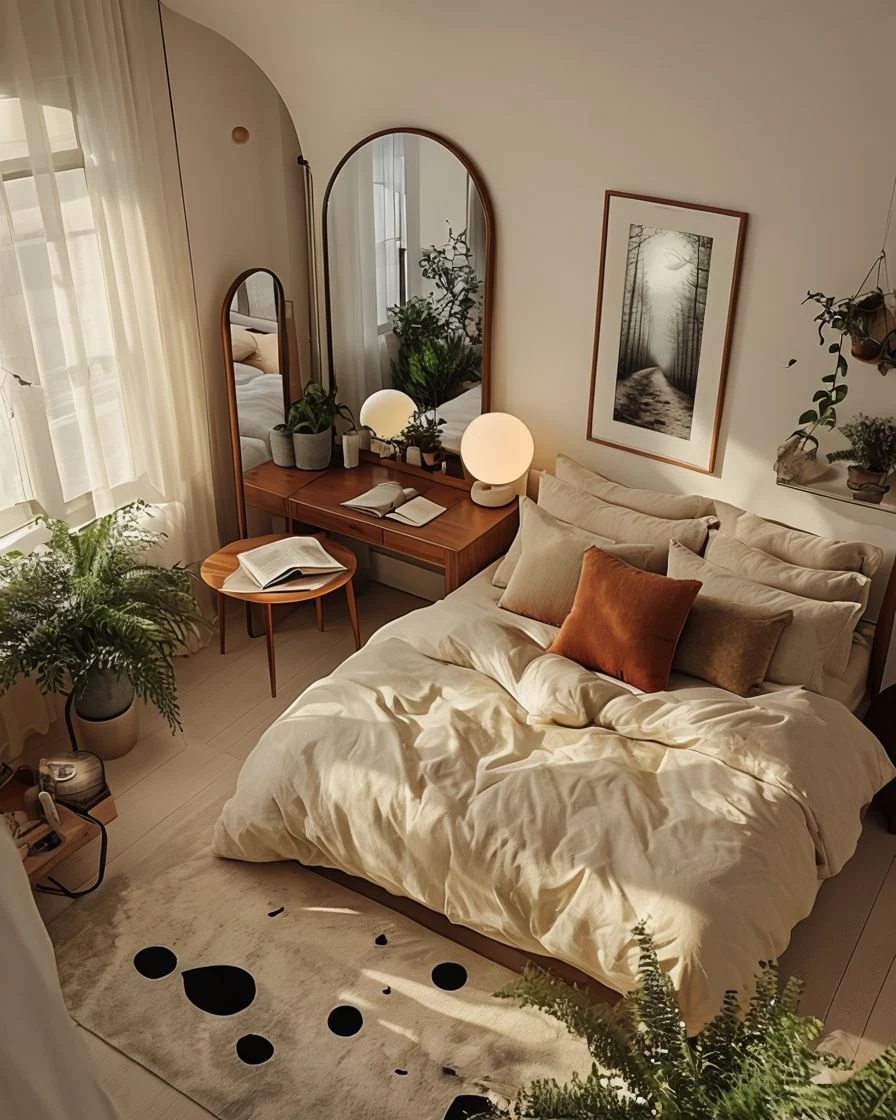
Living in a compact apartment doesn’t mean you have to sacrifice comfort or style. The cozy minimalist apartment décor movement proves that a pared‑down aesthetic can feel warm, inviting, and uniquely yours. By focusing on simplicity, thoughtful textures, and intentional placement, you can transform even the tiniest floor plan into a sanctuary that feels both spacious and snug.
In this guide we’ll walk through the core principles of minimalist design, explore how to layer coziness without clutter, and provide room‑by‑room strategies that work for renters and owners alike. Whether you’re starting from a blank canvas or looking to refresh an existing space, you’ll find actionable ideas that blend modern elegance with homey comfort.
Expect practical advice on colour palettes, furniture selection, lighting tricks, and storage solutions—all tied together with a calm, cohesive vibe. Let’s begin the journey toward a home that feels airy yet warm, sleek yet lived‑in.
Understanding the Core of Cozy Minimalist Apartment Décor
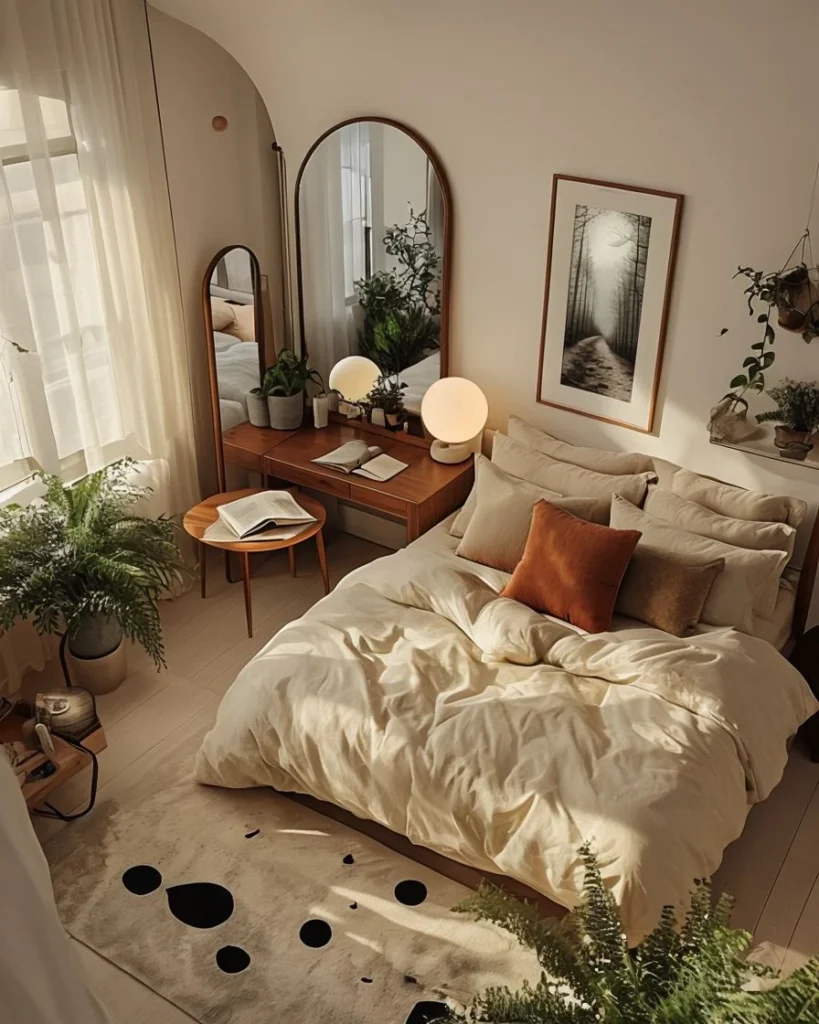
The term “minimalist” often conjures images of stark white walls and bare floors, but the cozy minimalist apartment décor philosophy adds an extra layer of warmth. The key is balancing clean lines with tactile elements that invite touch and linger in the mind.
Key Principles of Cozy Minimalism
- Less is more, but not less than enough. Keep only items that serve a purpose or spark joy.
- Neutral foundations. Soft whites, warm grays, and muted earth tones create a calm backdrop.
- Layered textures. Mix natural fibers, plush throws, and matte finishes to soften the space.
- Strategic accent. One or two statement pieces—like a sculptural lamp or a handcrafted rug—add personality without overwhelming.
When these principles guide each design decision, the result feels airy yet intimate, perfect for modern city living.
Choosing a Color Palette That Breathes Warmth
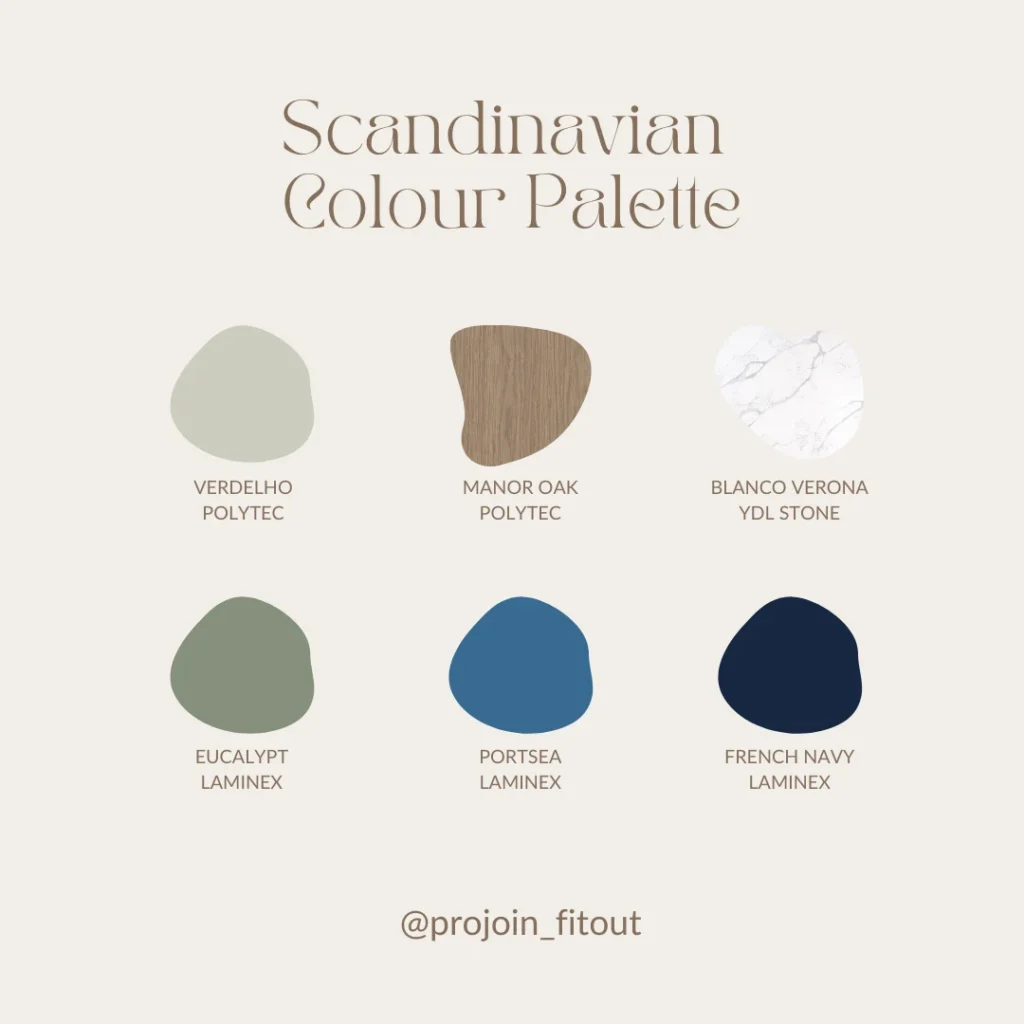
A thoughtful palette is the backbone of any cozy minimalist apartment décor. Start with a light, neutral base and then introduce subtle warm undertones.
How to Build Your Palette
- Base color. Choose a wall color in the 50‑70 L* range (soft dove gray, warm ivory, or pale greige).
- Secondary hues. Incorporate muted blues, sage greens, or dusty terracotta in soft furnishings.
- Accent tones. Use deep charcoal, navy, or rust sparingly for contrast on pillows, artwork, or a single piece of furniture.
To keep the space feeling cohesive, repeat the accent tone in at least two different rooms. This visual thread creates continuity without clutter.
Furniture Selection: Form Meets Function
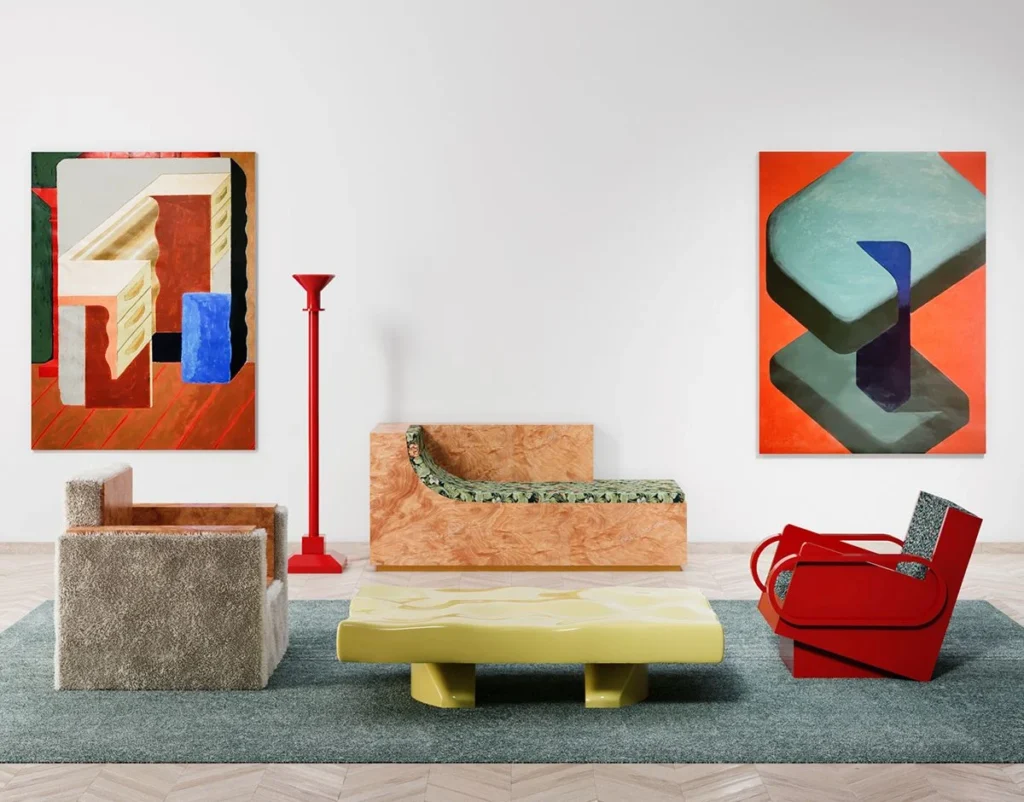
In a limited footprint, every piece of furniture must earn its place. Opt for clean‑lined, low‑profile items that offer storage or multi‑functionality.
Essential Furniture Pieces
- Modular sofa. A sectional with hidden compartments can serve as seating and storage.
- Floating shelves. Wall‑mounted units free up floor space while showcasing curated décor.
- Multi‑purpose coffee table. Look for designs with built‑in drawers or a lift‑top for work‑from‑home needs.
- Compact dining set. A round, drop‑leaf table paired with stackable chairs keeps the area flexible.
For a deeper dive into space‑saving entryway ideas, see our Minimal Entryway Shelf Décor Ideas – 7 Fresh Ways to Elevate Your Foyer. The same principles apply to living areas, reinforcing a unified aesthetic throughout the apartment.
Layering Textures for a Warm Feel
Textures are the secret ingredient that turn a minimalist canvas into a lived‑in haven. They add depth without adding visual noise.
Ways to Introduce Texture
- Rugs. A low‑pile natural fiber rug anchors a seating area and adds a tactile layer.
- Throws and cushions. Choose linen, wool, or boucle fabrics in muted shades to create visual interest.
- Wall art. Wooden panels, woven tapestries, or matte metal prints add subtle texture without overwhelming the wall.
- Plants. A mix of succulents, pothos, or a single fiddle‑leaf fig brings organic texture and fresh air.
Pair a soft wool blanket with a sleek leather sofa, and you’ll notice how the contrast amplifies both elements, achieving that cozy yet minimal vibe.
Lighting Strategies That Enhance Minimalism
Lighting can either sharpen a minimalist space or soften it into a welcoming retreat. The goal is to layer light sources for functional and ambient needs.
Lighting Layers to Consider
- Ambient lighting. Recessed LED downlights or a simple dimmable ceiling fixture provide even illumination.
- Task lighting. Table lamps with matte finishes or adjustable wall sconces work well for reading corners and work desks.
- Accent lighting. LED strip lights behind floating shelves or a statement floor lamp add drama without clutter.
Warm‑tinted bulbs (2700–3000K) keep the overall mood gentle, reinforcing the cozy minimalist apartment décor atmosphere.
Smart Storage Solutions for Small Footprints
Clutter is the biggest enemy of minimalism. Clever storage keeps belongings out of sight while preserving the clean aesthetic.
Effective Storage Ideas
- Under‑bed drawers. Utilize the space beneath the bed for linens and seasonal items.
- Built‑in closets. Floor‑to‑ceiling wardrobes with sliding doors eliminate the need for external wardrobes.
- Hidden compartments. Ottomans or benches with lift‑top storage provide seating and stash space simultaneously.
- Vertical storage. Tall, narrow cabinets or stacked crates keep items organized without occupying valuable floor area.
If you need inspiration for a cohesive kitchen look, check out Kitchen décor with neutral dishware décor – Timeless Styling Ideas. Consistency across rooms enhances the overall minimalist feel.
Incorporating Personal Touches Without Overcrowding
Even the most streamlined space should reflect the homeowner’s personality. The trick is to curate a few meaningful items rather than display everything.
Curated Personal Elements
- Artwork. Choose one large piece or a small gallery wall with matching frames.
- Travel souvenirs. Display a single, well‑chosen object on a floating shelf.
- Books. A neatly arranged stack on a coffee table or a built‑in bookshelf adds intellectual warmth.
- Handmade textiles. A hand‑woven throw or a custom‑stitched pillow can become a focal point.
These elements add narrative without compromising the clean lines that define cozy minimalist apartment décor.
Quick Home Décor Tips
- Stick to a 3‑color scheme: one neutral base, one muted secondary, and one deep accent.
- Use mirrors strategically to amplify natural light and create the illusion of more space.
- Swap heavy curtains for lightweight linen panels to maintain privacy while keeping the room airy.
- Rotate decorative items seasonally to keep the space fresh without adding permanent clutter.
- Invest in a quality rug that defines a zone; it grounds furniture and adds softness.
Common Mistakes and How to Avoid Them
Even seasoned decorators can slip into habits that undermine the minimalist vibe. Recognizing these pitfalls early saves time and money.
Typical Errors
- Over‑decorating. Adding too many decorative objects creates visual noise. Keep accessories to a minimum.
- Choosing the wrong scale. Oversized furniture can overwhelm a small apartment. Opt for pieces that complement the room’s dimensions.
- Neglecting lighting layers. Relying solely on overhead lighting makes the space feel harsh. Blend ambient, task, and accent lighting.
- Ignoring texture. A purely smooth surface palette feels cold. Introduce at least three different textures.
- Forgetting storage. Without designated storage, clutter accumulates quickly, eroding the minimalist look.
Addressing these issues early ensures your apartment remains both functional and aesthetically pleasing.
Frequently Asked Questions
Can I achieve a cozy minimalist look on a tight budget?
Absolutely. Focus on a neutral base and invest in a few key pieces—like a quality rug or a versatile sofa. DIY projects such as handmade cushions or repurposed wooden crates can add texture without breaking the bank.
How do I make a small living room feel larger?
Use light colors on walls, incorporate reflective surfaces like mirrors, and choose furniture with slender legs. Floating shelves keep the floor clear, and a single, well‑placed rug defines the seating area without crowding the space.
Is it okay to mix wood tones in a minimalist apartment?
Yes, as long as the tones share a common undertone (e.g., warm honey or cool ash). Mixing helps add visual interest while maintaining a cohesive look. Keep the overall palette muted to avoid a disjointed feel.
What type of artwork works best with minimalist décor?
Large, simple pieces with minimal detail—such as abstract monochrome prints or subtle line drawings—complement the clean aesthetic. If you prefer colour, choose one dominant hue that echoes your accent colour.
How can I keep my apartment cozy during winter?
Layering is key: add plush throws, thicker rugs, and warm‑toned lighting. Consider a portable electric heater or a stylish floor lamp with a soft glow. Natural textures like wool and felt amplify warmth without clutter.
Should I use patterned fabrics in a minimalist space?
Use patterns sparingly. A subtle geometric or tonal pattern on a pillow or rug can add depth, but avoid bold, busy prints that compete with the clean lines of minimalist design.
Creating a cozy minimalist apartment décor is less about strict rules and more about mindful choices. By embracing a restrained colour scheme, purposeful furniture, layered textures, and thoughtful lighting, you’ll craft a space that feels expansive yet intimate. Remember to keep personal items curated, storage smart, and any decorative accents intentional.
Take these principles to heart, experiment with the suggestions above, and watch your apartment evolve into a modern haven that welcomes you home every day. For further inspiration, explore more articles on The Homara—your go‑to resource for practical design ideas that make small living stylish and comfortable.