
Table of Contents
- Understanding the Material: What Makes a Stone Bath Mat Unique
- Key Characteristics to Remember When Cleaning a Stone Bath Mat
- Why Proper Cleaning Matters: Health, Aesthetics, and Longevity
- Step‑by‑Step Guide to Cleaning a Stone Bath Mat
- Choosing the Right Cleaning Products for Stone Bath Mats
- Preventive Maintenance: Keeping Your Stone Bath Mat Spotless Year‑Round
- Quick Tips for a Spotless Stone Bath Mat
- Common Mistakes When Cleaning a Stone Bath Mat—and How to Avoid Them
- Frequently Asked Questions
- Can I use vinegar to clean a stone bath mat?
- How often should I seal my stone bath mat?
- Is it safe to place a heated towel rack near a stone bath mat?
- Can a stone bath mat be used outdoors?
- What’s the best way to remove stubborn soap scum?
- Will a stone bath mat become slippery when wet?
Cleaning a Stone Bath Mat: A Complete Guide for Spotless Luxury
Stone bath mats add a touch of natural elegance to any bathroom, offering a sturdy, slip‑resistant surface that feels cool underfoot. Yet, like any high‑traffic item, they attract soap scum, hard water stains, and occasional mildew. Knowing how to properly clean a stone bath mat not only preserves its beauty but also extends its lifespan, keeping your bathroom looking fresh and inviting.
In this article, we’ll walk you through everything you need to know about cleaning a stone bath mat— from the science behind stone materials to the step‑by‑step routine that fits busy schedules. Whether you’re a homeowner, renter, or interior‑design enthusiast, you’ll walk away with practical, easy‑to‑implement tips that protect your investment and maintain that spa‑like feel.
Ready to transform your stone bath mat from dull to dazzling? Let’s dive in.
Understanding the Material: What Makes a Stone Bath Mat Unique
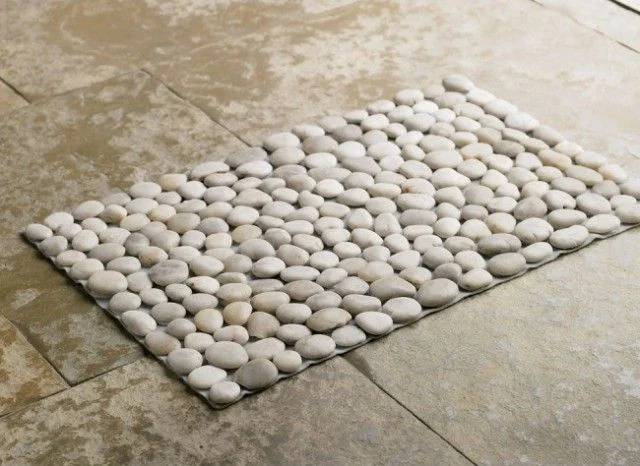
Before you start cleaning a stone bath mat, it helps to understand the material you’re working with. Most stone mats are crafted from natural stone tiles—such as marble, travertine, or slate—mounted on a rubber or silicone backing. The stone surface is porous, meaning it can absorb liquids and oils if not sealed properly. This porosity is also why stone can develop etching from acidic cleaners.
Because of its natural composition, a stone bath mat reacts differently to cleaning agents compared to synthetic mats. Using the wrong product can cause discoloration, dullness, or even structural damage. That’s why the cleaning process emphasizes gentle, pH‑balanced solutions and regular sealing.
Key Characteristics to Remember When Cleaning a Stone Bath Mat
- Porosity: Stone absorbs water and soap, so thorough rinsing is essential.
- Slip Resistance: The backing provides grip, but it can collect grime that reduces effectiveness.
- Sealing Needs: A sealed surface repels stains; an unsealed stone stains more easily.
Why Proper Cleaning Matters: Health, Aesthetics, and Longevity
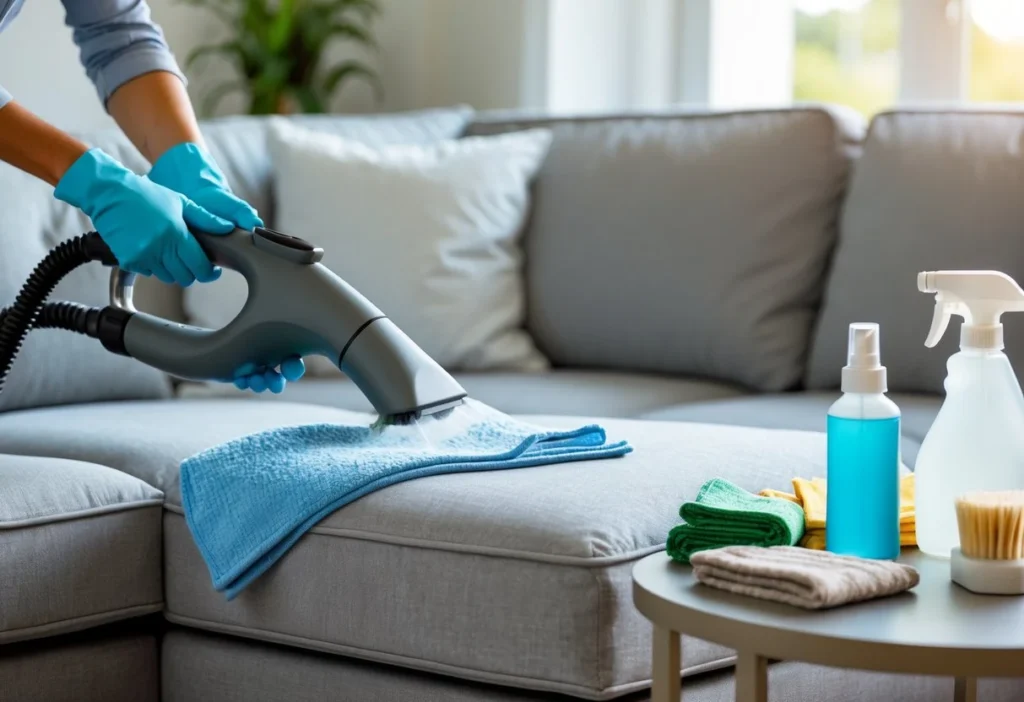
Cleaning a stone bath mat isn’t just about aesthetics; it’s a health and safety matter too. Soap residues and mineral deposits create a slick surface, increasing the risk of slips. Moreover, stagnant water can become a breeding ground for mold and mildew, especially in humid bathrooms.
From an interior‑design perspective, a pristine stone mat complements other bathroom décor with woven trays and enhances the overall ambiance. A well‑maintained stone mat reflects light beautifully, reinforcing a modern, spa‑like atmosphere.
Step‑by‑Step Guide to Cleaning a Stone Bath Mat
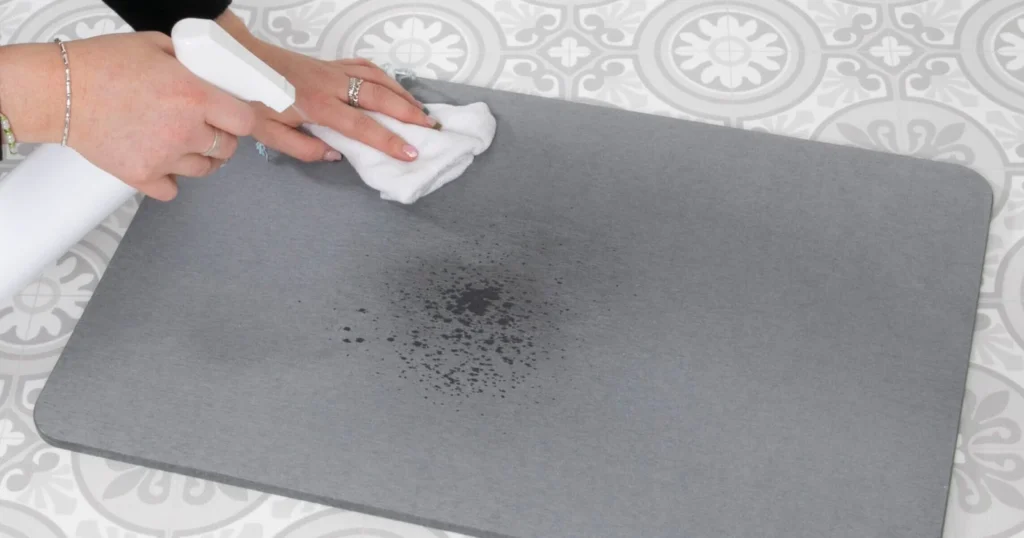
Follow this systematic routine to ensure you clean a stone bath mat safely and efficiently. The process works for most stone types, but always refer to the manufacturer’s care instructions when available.
- Gather Materials: Soft microfiber cloths, a bucket of warm water, pH‑neutral stone cleaner, a soft‑bristle brush, and a high‑quality stone sealer.
- Remove Loose Debris: Shake the mat gently or vacuum it on a low setting to dislodge hair, dust, and loose soap scum.
- Pre‑Rinse: Hold the mat under lukewarm running water for 30 seconds to loosen surface grime. Avoid using high pressure, which can drive water into the backing.
- Apply Cleaner: Spray or pour a small amount of pH‑neutral stone cleaner onto the stone surface. Let it sit for 2–3 minutes; this breaks down oils without etching the stone.
- Gentle Scrub: Using a soft‑bristle brush, work in circular motions. Focus on stained areas, but keep the pressure light to avoid micro‑scratches.
- Rinse Thoroughly: Rinse the mat with clean water until no suds remain. Residual cleaner can attract dirt later on.
- Dry Completely: Pat the mat dry with a microfiber towel, then lay it flat in a well‑ventilated area. Ensure both the stone surface and the backing are fully dry before placing it back.
- Seal the Stone (Optional but Recommended): Once the mat is dry, apply a thin layer of penetrating stone sealer according to the product directions. This creates a protective barrier against future stains.
Repeating this routine every two weeks for high‑traffic bathrooms, or monthly for less‑used spaces, keeps the stone mat looking new and maintains its slip‑resistant qualities.
Choosing the Right Cleaning Products for Stone Bath Mats
Not all cleaners are created equal. When cleaning a stone bath mat, select products that are specifically labeled “pH‑neutral” or “stone safe.” Acidic cleaners (like vinegar or lemon juice) can etch marble and limestone, while alkaline solutions (like bleach) may cause discoloration or degrade the backing.
Here are some reliable options:
- Stone‑Specific Cleaners: Brands such as Marblelife or StoneTech provide gentle yet effective formulas.
- DIY Solution: Mix a few drops of mild dish soap with warm water. Test on a hidden spot first.
- Avoid: Abrasive powders, bleach, ammonia, and vinegar.
Remember, the goal is to lift grime without compromising the stone’s natural pores. Pair the right cleaner with a soft brush, and you’ll see a noticeable difference after each wash.
Preventive Maintenance: Keeping Your Stone Bath Mat Spotless Year‑Round
Cleaning a stone bath mat is only half the battle; preventive care reduces the frequency and intensity of deep cleans. Below are everyday habits that protect your investment.
- Quick Wipe‑Down: After each shower, use a dry microfiber cloth to remove excess water and soap.
- Use a Mat Pad: Placing a thin, absorbent pad beneath the stone mat captures moisture, extending the time between washes.
- Control Humidity: Run an exhaust fan or open a window to lower bathroom humidity, deterring mold growth.
- Rotate Placement: Occasionally move the mat to a different spot to even out wear and allow the backing to breathe.
- Seal Annually: A fresh coat of stone sealer reinforces protection against stains and water penetration.
These simple steps make the process of cleaning a stone bath mat less daunting and keep the mat looking showroom‑ready.
Quick Tips for a Spotless Stone Bath Mat
- Test any new cleaner on a hidden corner before full application.
- Use a soft brush, not a scouring pad, to avoid scratching.
- Never let standing water sit on the mat for more than a few minutes.
- Refresh the stone sealer every 12 months for optimal protection.
- Combine cleaning with a bathroom styling refresh—think woven trays for added elegance.
Common Mistakes When Cleaning a Stone Bath Mat—and How to Avoid Them
Even seasoned homeowners can slip up. Recognizing frequent errors helps you maintain a flawless stone bath mat.
- Using Harsh Chemicals: Acidic or bleach‑based cleaners can cause irreversible damage. Stick to pH‑neutral options.
- Scrubbing Too Vigorously: Over‑scrubbing creates micro‑abrasions, dulling the stone’s natural shine.
- Skipping the Rinse: Residual cleaner attracts dirt; always rinse thoroughly.
- Neglecting the Backing: The rubber or silicone backing can accumulate grime that reduces slip resistance. Clean both sides with a mild soap solution.
- Forgetting to Dry: Moisture trapped in the stone promotes mold. Ensure full drying before reuse.
By staying mindful of these pitfalls, your routine for cleaning a stone bath mat remains efficient and safe.
Frequently Asked Questions
Can I use vinegar to clean a stone bath mat?
No. Vinegar is acidic and can etch natural stone surfaces. Opt for a pH‑neutral stone cleaner or a mild dish‑soap solution instead.
How often should I seal my stone bath mat?
Sealing once a year is ideal for most indoor stone mats. However, high‑traffic bathrooms may benefit from semi‑annual resealing to maintain water repellency.
Is it safe to place a heated towel rack near a stone bath mat?
Yes, as long as the mat’s backing is heat‑resistant. Keep the rack at least a few inches away to avoid direct heat exposure that could warp the backing.
Can a stone bath mat be used outdoors?
Most stone bath mats are designed for indoor use because the backing may not tolerate extreme temperature changes or direct sunlight. For outdoor areas, look for mats specifically rated for exterior conditions.
What’s the best way to remove stubborn soap scum?
Apply a stone‑safe cleaner, let it sit for a few minutes, then use a soft‑bristle brush to gently work the scum away. Rinse thoroughly and dry.
Will a stone bath mat become slippery when wet?
The stone surface itself can feel slick, but the backing is engineered to stay slip‑resistant. Regular cleaning ensures that grime doesn’t compromise that grip.
By addressing these common concerns, you’ll feel confident in maintaining a beautiful, safe, and durable stone bath mat.
Keeping a stone bath mat in top condition is a blend of proper cleaning techniques, preventive habits, and the right products. With the steps outlined above, you’ll protect the natural beauty of the stone, enhance your bathroom’s design, and enjoy a safer, more luxurious space.
Ready to elevate your bathroom’s style? Explore more ideas, such as entryway styling tips or warm bedroom décor ideas, to create a cohesive look throughout your home.