
Table of Contents
- central air vs window unit: Core Functional Differences
- central air vs window unit: Energy Efficiency Explained
- Installation and Space Considerations
- Impact on Interior Design and Aesthetics
- Cost Comparison: Upfront and Long‑Term Expenses
- Air Quality and Comfort Levels
- Choosing the Right System for Different Home Types
- Quick Home Cooling Tips
- Common Mistakes When Selecting a Cooling System
- Frequently Asked Questions
- Final Thoughts on central air vs window unit
Central Air vs Window Unit: Making the Right Cooling Choice for Your Home
When the temperature climbs, the decision between a central air system and a window unit becomes more than a technical choice—it’s a lifestyle decision. Homeowners, renters, and interior‑design enthusiasts all weigh comfort, cost, aesthetics, and space constraints before committing to a cooling solution. Understanding how each system works, where it shines, and where it falls short can save you money, improve indoor air quality, and keep your décor looking polished.
In this article we’ll break down the essential differences, explore energy consumption, installation considerations, and even style implications. By the end, you’ll have a clear roadmap for deciding whether central air or a window unit is the better fit for your particular living environment.
central air vs window unit: Core Functional Differences
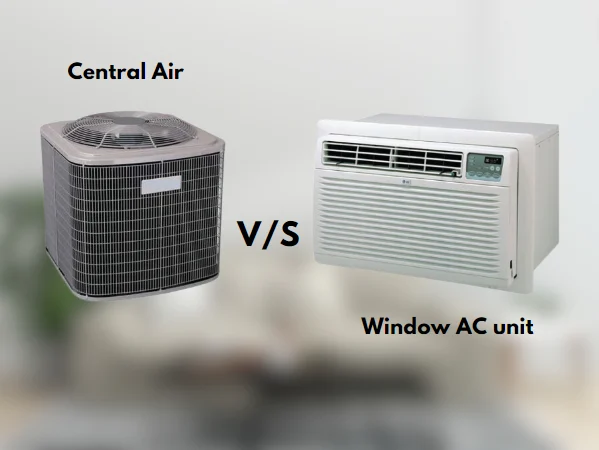
Both central air and window units aim to lower indoor temperature, yet they operate on distinct principles. Central air uses a network of ducts that distribute cooled air throughout the entire house from a single, outdoor condenser. A window unit, on the other hand, is a self‑contained appliance that cools one room by pulling in outside air, cooling it, and exhausting warm air back out the same window.
Because central air treats the home as a unified zone, it can maintain consistent temperatures across multiple rooms, which is especially beneficial for larger floor plans. Window units provide localized cooling, making them ideal for single rooms, apartments, or spaces where a whole‑house system would be overkill.
central air vs window unit: Energy Efficiency Explained
Energy efficiency is a key factor in the central air vs window unit debate. Central air systems typically boast higher Seasonal Energy Efficiency Ratio (SEER) ratings because they are designed for long‑term, whole‑home use. However, the energy cost of running a large system when only a few rooms need cooling can erode those savings.
Window units, especially newer models with Energy Star certification, can be surprisingly efficient for cooling small spaces. They consume less power overall because they target only the area you occupy. If you frequently close doors and use the unit sparingly, a window unit may actually have a lower annual electricity bill than an oversized central system.
Installation and Space Considerations

Installation complexity is another decisive factor. Central air requires professional installation, including ductwork, a new thermostat, and a sizable outdoor condenser. This process can be intrusive, especially in older homes where adding ducts may involve cutting into walls or ceilings.
Window units are far more straightforward. Most models simply slide into a standard window, hook up to a power outlet, and you’re ready to go. This makes them an attractive option for renters or homeowners who want a quick, reversible solution. However, the unit does occupy valuable window space and can affect natural light.
Impact on Interior Design and Aesthetics

From a design perspective, central air is virtually invisible. The only visible component is the thermostat, which can be selected to match your décor style. This seamless integration is perfect for modern interiors where clean lines and minimal visual clutter are prized.
Conversely, a window unit is a visible appliance that can clash with a carefully curated aesthetic. Choosing a unit with a sleek, low‑profile design or a color that matches the window frame can mitigate this impact. For example, a white unit in a bright kitchen can blend in, while a darker model may serve as a visual accent in a loft‑style living room.
For inspiration on how to balance functional appliances with style, see our guide on DIY home décor projects for beginners. Small design tweaks can make even a window unit feel like a deliberate part of the room’s look.
Cost Comparison: Upfront and Long‑Term Expenses
When weighing central air vs window unit, consider both upfront costs and long‑term operating expenses. A central system can cost anywhere from $3,000 to $7,000 including installation, whereas a high‑quality window unit typically ranges from $150 to $600.
However, the cost gap narrows over time if you factor in maintenance, repairs, and energy consumption. Central systems require periodic filter changes, duct cleaning, and occasional refrigerant refills. Window units need less maintenance but may need replacement every 5–10 years, especially in high‑usage scenarios.
Financial calculators can help you model the total cost of ownership. Remember to include potential rebates for energy‑efficient central units, which can offset the initial outlay.
Air Quality and Comfort Levels
Beyond temperature, air quality is a crucial component of indoor comfort. Central air systems often incorporate advanced filtration, humidification, and ventilation options that can improve overall health. This is especially valuable for households with allergy sufferers or for homes in polluted urban areas.
Window units typically have basic filters that capture dust but do not address humidity or outdoor pollutants. If you rely on a window unit, supplementing it with a portable air purifier can help maintain a healthier environment.
For a deeper dive into creating a healthy home environment, check out our article on Is Stickley Furniture Worth It?—the discussion includes tips on material choices that affect indoor air quality.
Choosing the Right System for Different Home Types
Single‑Family Homes: Central air often makes sense for larger homes where multiple zones require cooling. Ducted systems can be paired with programmable thermostats to tailor temperature settings room by room.
Condos and Apartments: Window units are generally the go‑to solution due to limited space for ductwork and landlord restrictions. Some newer condo buildings even allow mini‑split systems, which blend the benefits of central air and window units.
Small Studios and Lofts: A wall‑mounted mini‑split offers a middle ground—more efficient than a window unit but less invasive than full central air. Though not a direct answer to central air vs window unit, it’s worth mentioning as an alternative for compact living spaces.
Quick Home Cooling Tips
- Use ceiling fans to circulate cool air from a window unit, extending its reach.
- Seal gaps around windows and doors to prevent cool air from escaping.
- Set your thermostat a few degrees higher in summer; each degree saves about 3% on energy use.
- Schedule regular filter changes for central systems to maintain efficiency.
- Consider a programmable thermostat to reduce cooling when the house is empty.
Common Mistakes When Selecting a Cooling System
One frequent error is oversizing a central system for a small home, leading to short cycling, higher humidity, and wasted energy. Conversely, buying a window unit that’s too small for the room will cause it to run continuously, increasing wear and electricity costs.
Another pitfall is neglecting the aesthetic impact. Installing a bulky window unit without planning the surrounding décor can disrupt the visual flow of a room. Use curtains, blinds, or decorative frames to soften the appearance.
Finally, overlooking local building codes can cause costly retrofits. Always verify whether your building permits ductwork or external condensers before committing to a central air installation.
Frequently Asked Questions
Can a window unit be used in a bedroom without affecting sleep quality?
Yes, modern window units often have a “quiet” or “sleep” mode that reduces fan noise and adjusts temperature gradually. Pairing the unit with a white‑noise machine can further enhance sleep comfort.
Is it possible to install a central air system in a rental property?
Most landlords require permission before installing ductwork. Portable mini‑split systems, which need only a small wall penetration, may be a more rental‑friendly alternative.
How often should I service a central air system compared to a window unit?
Central systems benefit from annual professional maintenance, including filter replacement and coil cleaning. Window units need filter checks every 1–2 months and should be cleaned at least once a season.
Do window units increase humidity in a room?
Window units primarily remove heat, not moisture. In very humid climates, you may notice higher humidity levels; using a dehumidifier alongside the unit can resolve this.
What is the lifespan of each system?
Central air units typically last 15–20 years with proper maintenance, while window units have a useful life of 5–10 years, depending on usage intensity.
Final Thoughts on central air vs window unit
Choosing between central air and a window unit ultimately hinges on your home’s size, budget, design preferences, and long‑term comfort goals. Central air offers seamless integration, superior air quality, and whole‑home consistency—perfect for larger residences and those who value a clean aesthetic. Window units deliver quick, affordable, and targeted cooling that suits renters, small apartments, or rooms that rarely need climate control.
Assess your space, calculate potential energy savings, and weigh the visual impact before making a decision. Whichever route you take, remember that regular maintenance, proper sizing, and thoughtful placement are key to maximizing efficiency and preserving the style of your home.
Ready to explore more design ideas? Browse our article on Small Home Office Décor Ideas for clever ways to incorporate cooling solutions without sacrificing productivity or aesthetics.
Enjoy a cooler, more comfortable living environment—one that reflects both your functional needs and your personal style.