
Table of Contents
- Can You Put a Bath Bomb in a Hot Tub? Understanding the Basics
- Can You Put a Bath Bomb in a Hot Tub? Factors to Consider
- Impact on Water Chemistry: pH, Alkalinity, and Sanitizer Balance
- Effect on Filtration and Mechanical Components
- Choosing the Right Bath Bomb for Hot‑Tub Use
- Alternative Ways to Enhance Hot‑Tub Aromas
- Step‑by‑Step Guide: How to Safely Use a Bath Bomb in a Hot Tub
- Quick Home‑Spa Tips
- Common Mistakes When Adding Bath Bombs to Hot Tubs
- Frequently Asked Questions
- Can you put a bath bomb in a hot tub without voiding the warranty?
- Will a bath bomb affect the sanitizer levels?
- Are there any bath bombs specifically made for hot tubs?
- How often can I use a bath bomb in my hot tub?
- Can I use essential oils directly in the hot tub?
- Do bath bombs cause any health risks?
Can You Put a Bath Bomb in a Hot Tub? A Complete Guide
Bath bombs have become a staple of modern bathroom rituals, offering fragrant bubbles, vibrant colors, and skin‑loving ingredients. The idea of extending that spa‑like experience to a hot tub is tempting, especially after a long week of work or a weekend of outdoor fun. However, before you toss a fizzing sphere into the warm water, it’s important to understand how a bath bomb interacts with hot‑tub systems, water chemistry, and the overall safety of the soak.
In this comprehensive guide, we’ll explore whether you can put a bath bomb in a hot tub without damaging the equipment, how the ingredients affect water balance, and what alternatives exist for a scented, luxurious soak. Whether you own a private backyard spa, share a community hot tub, or simply love experimenting with home‑spa accessories, this article equips you with the knowledge to make an informed decision.
We’ll also weave in practical interior‑design insights—such as coordinating your hot‑tub ambiance with the surrounding outdoor décor—to ensure the experience feels cohesive with the rest of your home styling. Let’s dive into the chemistry, the mechanics, and the style considerations that answer the central question: can you put a bath bomb in a hot tub?
Can You Put a Bath Bomb in a Hot Tub? Understanding the Basics
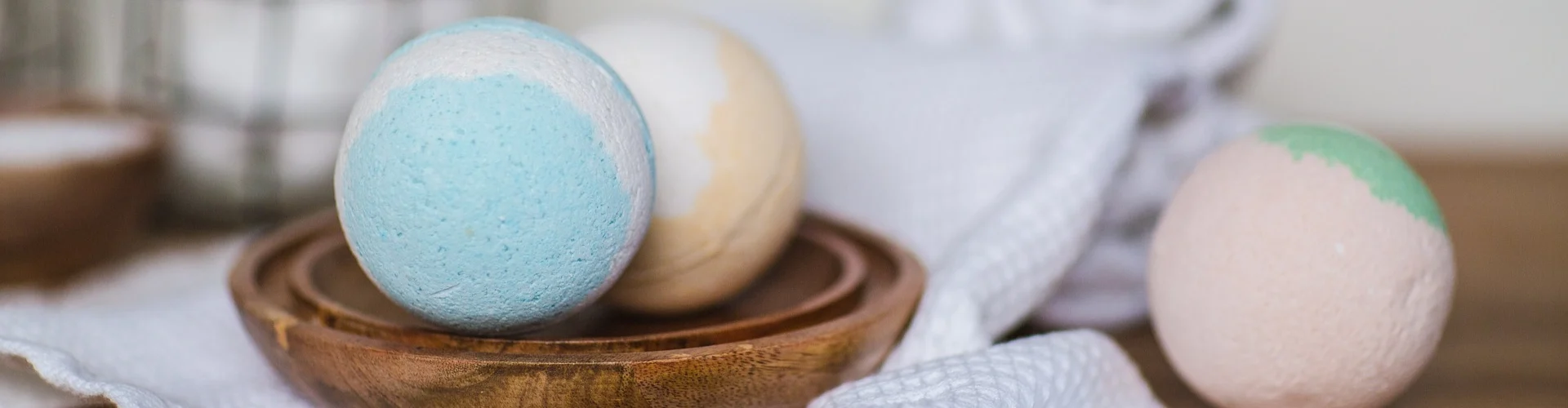
The short answer is: it depends. Most manufacturers advise against using regular bath bombs in hot tubs because the ingredients can interfere with water chemistry, clog filtration systems, and potentially damage the heating elements. Bath bombs typically contain sodium bicarbonate, citric acid, fragrance oils, and colorants—all of which dissolve quickly in warm water. In a hot tub, the water temperature is usually between 100°F and 104°F, a range that accelerates the dissolution process.
When a bath bomb fizzes, it releases carbon dioxide bubbles and distributes its ingredients throughout the water. In a bathtub, this is harmless because the water is drained after a single use. In a hot tub, however, the same ingredients become part of a larger volume of water that is recirculated many times. This means the acids can lower pH, the oils can coat jets, and the colorants can stain the acrylic shell or the surrounding decking if not properly diluted.
To answer the question directly—can you put a bath bomb in a hot tub?—the safest answer is “only if you take specific precautions.” Below we outline the key factors you need to assess before making the decision.
Can You Put a Bath Bomb in a Hot Tub? Factors to Consider
- Water Chemistry: pH, alkalinity, and sanitizer levels are critical for safe operation. A bath bomb can shift these balances.
- Filtration System: Fine particles and oils can clog filters, reducing circulation and increasing maintenance.
- Material Compatibility: Acrylic shells and metal jets may react to certain dyes or oils.
- Manufacturer Guidelines: Most hot‑tub warranties void if prohibited chemicals are introduced.
Impact on Water Chemistry: pH, Alkalinity, and Sanitizer Balance

Hot‑tub water is carefully balanced to prevent bacterial growth and to protect the equipment. The ideal pH range is 7.2–7.6, while total alkalinity should sit between 80–120 ppm. A typical bath bomb contains citric acid, which can drop the pH quickly, especially in a larger volume of water. If the pH falls below 7.0, the sanitizer (usually chlorine or bromine) becomes less effective, allowing microbes to thrive.
Furthermore, many bath bombs include sodium bicarbonate (baking soda) to create the fizzing reaction. While baking soda can raise alkalinity, the simultaneous presence of citric acid creates a tug‑of‑war that makes it difficult to maintain a stable level. Over time, the constant addition of these chemicals can lead to “chemical creep,” where you must adjust the water balance more frequently.
For those who love the scented experience, consider using spa‑specific aromatherapy products that are formulated to be pH‑neutral. These products deliver fragrance without compromising water chemistry, allowing you to keep the hot tub’s sanitizer working efficiently.
Effect on Filtration and Mechanical Components

Hot‑tub filters are designed to capture fine debris, but they are not built to handle the oil‑based fragrance compounds found in many bath bombs. These oils can coat the filter media, reducing its ability to trap particles and forcing the pump to work harder. Over time, this can lead to premature wear of the pump and motor.
In addition, the fizzing action produces a surge of micro‑bubbles that can temporarily clog jet nozzles. While a single use might not cause lasting damage, repeated use without proper rinsing can lead to reduced water flow and uneven pressure. For those who enjoy a high‑jet experience, the last thing you want is a clogged nozzle.
To mitigate these risks, if you decide to try a bath bomb, choose a low‑oil, dye‑free option and run the filtration system on high for at least 30 minutes after the soak. This helps capture any residual particles before they settle into the plumbing.
Choosing the Right Bath Bomb for Hot‑Tub Use
Not all bath bombs are created equal. Some are marketed as “spa‑safe” or “essential‑oil‑only,” meaning they contain fewer synthetic dyes and a lower concentration of acidic components. When looking for a bomb that can be used in a hot tub, consider the following criteria:
- pH‑Neutral Formulation: Look for products that specifically state a balanced pH.
- Minimal Oils: Oils can cause film buildup; a water‑soluble fragrance is preferable.
- Dye‑Free or Natural Colorants: Synthetic dyes are more likely to stain acrylic surfaces.
- Small Size: A half‑size bomb reduces the total amount of chemicals introduced.
Brands that focus on natural ingredients often use magnesium, Epsom salts, or sea salts, which can actually benefit the skin without harming the hot‑tub system. However, even natural additives can alter water hardness, so regular testing remains essential.
Alternative Ways to Enhance Hot‑Tub Aromas
If you love the idea of a fragrant soak but want to avoid the potential pitfalls of bath bombs, there are hot‑tub‑friendly alternatives that deliver aroma without compromising equipment:
- Essential‑Oil Diffusers: Place a few drops of a spa‑safe essential oil in a designated diffuser that releases scent into the air, not directly into the water.
- Water‑Soluble Aromatherapy Tablets: These are formulated for hot‑tub use and dissolve slowly, maintaining water balance.
- Floating Scented Candles: Designed for water use, they release fragrance as they melt, providing a gentle aroma.
- Seasonal Herbs: Adding a bundle of fresh lavender or rosemary to the water can infuse a natural scent without harsh chemicals.
These methods also align nicely with interior‑design trends that emphasize natural materials and wellness‑focused spaces. For inspiration on coordinating spa elements with your home décor, check out our article on Accessible Beige vs Revere Pewter: Which Neutral Wins? to choose paint colors that complement the calming hues of your hot‑tub area.
Step‑by‑Step Guide: How to Safely Use a Bath Bomb in a Hot Tub
For those who still want to experiment, follow this detailed process to minimize risk:
- Test Water Chemistry First: Use test strips to record pH, alkalinity, and sanitizer levels.
- Select a Low‑Impact Bath Bomb: Choose a pH‑neutral, dye‑free product.
- Pre‑Dissolve the Bomb: Fill a separate bucket with a small amount of hot‑tub water, drop the bomb in, and let it dissolve completely.
- Gradually Add to the Tub: Pour the dissolved mixture slowly around the perimeter, avoiding the jets.
- Re‑Test Water Chemistry: After five minutes, test again and adjust sanitizer as needed.
- Run Filtration: Keep the pump on high for at least 30 minutes post‑soak.
- Drain and Refill: If any cloudiness or residue remains, consider a partial drain and refill to maintain clarity.
Following these steps reduces the chance of equipment damage while still allowing you to enjoy a scented soak.
Quick Home‑Spa Tips
- Keep a dedicated set of testing strips for hot‑tub water; consistency is key.
- Rotate fragrances to avoid buildup of any one oil or dye.
- Schedule a deep clean of the filter every 3–4 months, especially after using scented products.
Common Mistakes When Adding Bath Bombs to Hot Tubs
Even well‑intentioned users can slip into habits that shorten the lifespan of their spa. Here are the most frequent errors and how to avoid them:
- Using Large, Commercial‑Size Bombs: Overloads the water with acids and oils. Opt for mini‑size bombs or half a regular one.
- Skipping Water‑Balance Tests: Leads to hidden pH swings that can corrode metal components.
- Pouring Directly Into Jets: Causes immediate clogging and uneven distribution of fragrance.
- Neglecting Filter Maintenance: Allows buildup that reduces circulation and can cause cloudy water.
By staying mindful of these pitfalls, you’ll keep your hot tub performing optimally while still enjoying a pampering experience.
Frequently Asked Questions
Can you put a bath bomb in a hot tub without voiding the warranty?
Most manufacturers specify that only approved spa chemicals may be used. Using a regular bath bomb could void the warranty if damage occurs. Always check the user manual or contact the manufacturer before adding any non‑spa product.
Will a bath bomb affect the sanitizer levels?
Yes. The citric acid can lower pH, which reduces the effectiveness of chlorine or bromine. You may need to add extra sanitizer after the soak to maintain safe levels.
Are there any bath bombs specifically made for hot tubs?
A few niche brands produce “spa‑safe” bath bombs that are pH‑neutral and low‑oil. Look for products marketed for hot‑tub use and read the ingredient list carefully.
How often can I use a bath bomb in my hot tub?
Because of the impact on water chemistry, limit use to once a month or less, and always perform a full water test and filter cleaning after each use.
Can I use essential oils directly in the hot tub?
Pure essential oils are not recommended as they can coat surfaces and affect the filtration system. Use spa‑approved aromatherapy tablets or a diffuser designed for hot‑tub water.
Do bath bombs cause any health risks?
If the water chemistry becomes unbalanced, it can irritate skin or eyes. Proper testing and rinsing help prevent any adverse reactions.
Incorporating a scented element into your hot‑tub routine can elevate relaxation, but it requires a thoughtful approach to protect both your health and the equipment. By understanding the chemistry, choosing the right products, and following a disciplined maintenance routine, you can answer the question—can you put a bath bomb in a hot tub?—with confidence and enjoy a truly luxurious soak.
Ready to transform your outdoor oasis? Pair your hot‑tub experience with coordinated décor ideas, such as stylish balcony rugs or floating shelves, for a cohesive look that blends function and aesthetics. For more inspiration, explore our guide on Simple Balcony Rug Decoration Ideas – Fresh & Easy Outdoor Styling and discover how the right accessories can enhance your spa atmosphere.
Remember, the key to a successful scented soak is balance—both in water chemistry and in design. Keep testing, maintain your equipment, and let the fragrance transport you to a state of calm. Happy soaking!