

Table of Contents
- Can you mix metals in home decor? Understanding the basics
- Can you mix metals in home decor? The color theory behind it
- Choosing the right metal palette for each room
- Gold, silver, and bronze: when to use each
- Practical ways to blend metals in living spaces
- Furniture, lighting, accessories
- Mixing metals on a budget: DIY and thrift finds
- Upcycling metal pieces
- Quick Tips for Successful Metal Mixing
- Common Mistakes When Mixing Metals
- Frequently Asked Questions
- Conclusion
Can you mix metals in home decor? A modern guide
When it comes to modern interior design, the question “can you mix metals in home decor” appears more often than ever. Homeowners and renters alike are drawn to the sleek, reflective qualities of metal finishes, yet many wonder if pairing gold, silver, copper, or brass will create harmony or chaos. Understanding the principles behind metal mixing can unlock a sophisticated, layered look that feels intentional rather than haphazard.
This article walks you through the fundamentals of blending metal tones, offers room‑by‑room strategies, and shares budget‑friendly ideas for those who love the gleam of metal but don’t want to splurge on high‑end pieces. By the end, you’ll know exactly how to answer the age‑old design dilemma: can you mix metals in home decor without it looking overdone?
From the living room to the bedroom, from tiny studio apartments to spacious open‑plan homes, the guidelines below are adaptable to any style. Let’s explore how to turn metal mixing from a risky experiment into a confident, stylish choice.
Can you mix metals in home decor? Understanding the basics

The short answer is yes—mixing metals can add depth, visual interest, and a touch of luxury to any space. However, success depends on a few foundational concepts. First, consider the overall color temperature of your room. Warm metals like brass, gold, and copper pair best with earthy tones, warm wood, and rich textiles, while cool metals such as chrome, nickel, and brushed steel harmonize with cooler palettes, grays, and blues.
Second, think about proportion. A common mistake is using too many different metals in a single area, which can overwhelm the eye. Aim for a dominant metal (usually the one that appears most frequently) and introduce one or two accent metals in smaller doses—think a gold lamp shade paired with a silver side table.
Finally, texture plays a pivotal role. Mixing polished, matte, and brushed finishes can soften the contrast between metals, creating a cohesive look. By paying attention to temperature, proportion, and texture, you’ll find that the answer to can you mix metals in home decor is a resounding yes—when you do it thoughtfully.
Can you mix metals in home decor? The color theory behind it
Color theory isn’t limited to paints and fabrics; it extends to metallic hues as well. Warm metals reflect yellow‑orange undertones, while cool metals echo blue‑gray tones. When you pair a warm gold vase with a cool silver photo frame, the contrast can act like a complementary color scheme, adding energy without clashing. The key is to anchor the palette with neutral elements—such as a gray rug or white walls—that allow both metal tones to shine without competing for attention.
In practice, start by selecting a base metal that matches the dominant color temperature of your room. Then, sprinkle in the opposite temperature metal in a subtle way. For example, a brass chandelier (warm) can be balanced with a sleek chrome kitchen faucet (cool), creating a balanced visual rhythm that answers the question, “can you mix metals in home decor” with confidence.
Choosing the right metal palette for each room

Different rooms have distinct functional and aesthetic needs, so your metal choices should reflect that. In the living room, where you often gather and entertain, a mix of gold and brass accessories can add warmth and a sense of hospitality. Pair a gold coffee table with brass candle holders, and finish the look with a few silver picture frames for contrast.
The bedroom, on the other hand, benefits from a softer, more subdued palette. Here, mixing brushed nickel bedside lamps with a matte copper pendant can create a calm, cohesive environment. Because bedrooms are personal sanctuaries, you might choose a single accent metal that reflects your personality—perhaps a copper mirror for a touch of boho chic.
In kitchens, functionality meets style. Stainless steel appliances are a given, but you can introduce a warm metal element like a copper pot rack or brass faucet to soften the industrial feel. Bathrooms often feature chrome or polished nickel, yet a gold soap dispenser or bronze towel bar can instantly elevate the space without sacrificing practicality.
When planning your metal palette, always consider the room’s primary function and the emotional tone you wish to set. By aligning metal choices with purpose, you’ll naturally answer “can you mix metals in home decor” in a way that feels both purposeful and stylish.
Gold, silver, and bronze: when to use each
- Gold: Ideal for warm, inviting spaces like living rooms and dining areas. It pairs well with rich fabrics, dark woods, and jewel tones.
- Silver/Chrome: Perfect for modern, minimalist settings such as kitchens and bathrooms. Its cool sheen complements whites, grays, and monochrome palettes.
- Bronze/Bronzeware: Works beautifully in eclectic or rustic interiors. It adds an earthy, vintage feel that blends with reclaimed wood and natural fibers.
By assigning a primary role to each metal and using the others as accent pieces, you’ll keep the overall design balanced while still exploring the creative question of can you mix metals in home decor.
Practical ways to blend metals in living spaces
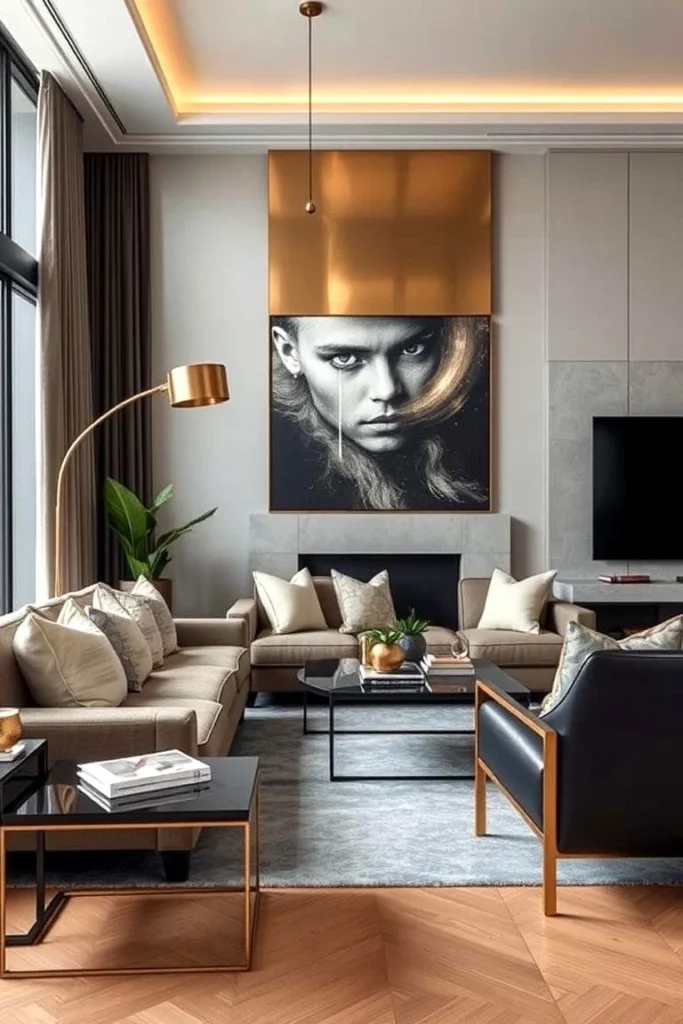
Now that you understand the theory, let’s dive into concrete applications. One of the easiest ways to answer the “can you mix metals in home decor” query is through lighting. A mixed-metal chandelier—perhaps featuring a combination of brushed brass and chrome arms—creates an immediate focal point that signals intentional design.
Next, consider hardware. Swapping out drawer pulls, cabinet knobs, and door handles with a mixture of finishes can subtly introduce variety. For example, a kitchen with stainless steel appliances can feature copper pendant lights and matte black cabinet handles, creating a layered look that feels curated.
Accessories are also key. A silver tray on a gold coffee table, a bronze sculpture beside a chrome vase, or a copper picture frame next to a brushed nickel mirror can all coexist when balanced with neutral backdrops. Remember to keep the visual weight of each metal in proportion—larger pieces should dominate, while smaller accents add sparkle.
For those who love a cohesive look across rooms, consider a signature metal that travels throughout the house. A polished nickel finish on bathroom fixtures, kitchen backsplashes, and living room side tables can serve as a unifying thread, allowing you to experiment with additional metals without causing dissonance.
Furniture, lighting, accessories
Furniture offers a substantial canvas for metal mixing. A sofa with gold‑toned legs paired with a silver coffee table creates a striking juxtaposition. When selecting sofas or chairs, look for metal legs in one finish and pair them with side tables or lamps in a complementary metal.
Lighting, as mentioned earlier, is a natural place to blend metals. A floor lamp with a brass base and a chrome shade can tie together the metals used elsewhere in the room. Even simple fixtures like pendant lights can incorporate multiple finishes—think a brushed gold canopy with a chrome bulb socket.
Accessories—think candle holders, picture frames, and decorative bowls—are the most flexible way to experiment. Because they are relatively inexpensive, you can swap them out seasonally, testing different combinations of gold, silver, copper, and blackened steel without committing to a permanent design decision.
Mixing metals on a budget: DIY and thrift finds
Mixing metals doesn’t require a designer’s budget. Thrift stores, flea markets, and online resale platforms are treasure troves of metal pieces waiting for a fresh context. Look for vintage brass candlesticks, reclaimed copper trays, or industrial steel pipe shelving that can be repurposed.
DIY projects amplify the budget‑friendly approach. Paint a plain metal frame with metallic spray paint to mimic a higher‑end finish, or apply a matte black powder coating to a brass lamp for a modern twist. Simple techniques like patina or antiquing can transform inexpensive metal items into statement pieces.
One of the most satisfying ways to answer “can you mix metals in home decor” while staying frugal is to upcycle. Take an old silver picture frame, sand it down, and refinish it in a warm bronze tone. Pair it with a newly acquired gold‑leafed mirror for a curated look that feels intentional despite the low cost.
Upcycling metal pieces
Start with a solid base: clean any rust or grime from the metal surface. Use a wire brush, then apply a primer designed for metal to ensure paint adhesion. Choose a finish that contrasts with the original metal—if the piece is brass, a matte black or charcoal paint can create a contemporary edge. Finally, seal with a clear protective coat to preserve your new look.
This process not only saves money but also adds a personal touch to your décor, reinforcing the idea that “can you mix metals in home decor” is a question best answered with creativity, not cost.
Quick Tips for Successful Metal Mixing
- Start with a dominant metal and limit accents to one or two other finishes.
- Balance warm and cool tones by anchoring with neutral colors.
- Mix textures—polished, brushed, and matte—to soften contrasts.
- Use lighting as a unifying element; a mixed‑metal chandelier can tie the room together.
- Incorporate a signature metal throughout the house for cohesion.
For more inspiration, see our guide on minimalist small apartment décor ideas that shows how a limited palette can still feel luxurious.
Common Mistakes When Mixing Metals
Even seasoned designers can slip up. One frequent error is overloading a space with too many metal colors, which creates visual clutter. Remember the rule of three: a dominant metal, a secondary accent, and a tertiary accent. Exceeding this can make the room feel chaotic.
Another pitfall is ignoring the room’s existing color temperature. Pairing a warm copper vase with a cool silver rug on a stark white wall may look disjointed unless you introduce warm textiles or wood tones to bridge the gap.
Lastly, neglecting scale can undermine your design. A massive bronze statue paired with delicate silver jewelry boxes can feel unbalanced. Match the size and visual weight of each metal element to maintain harmony.
Frequently Asked Questions
Can you mix metals in home decor without it looking cheap?
Yes, by focusing on quality finishes, balanced proportions, and complementary textures. Choose at least one high‑end piece and use more affordable accents to create a cohesive, upscale look.
Is it better to start with warm or cool metals?
Begin with the metal that matches the room’s overall temperature. Warm rooms (with earthy tones) start with gold or brass; cool rooms (with blues or grays) start with silver or chrome.
How many different metals should I use in a single room?
Aim for two to three metals at most. One dominant metal and one or two accent metals keep the design intentional and avoid visual overload.
Can I mix metals in a small apartment?
Absolutely. In smaller spaces, subtlety is key—use a single metal for larger furniture and add accents of another metal through lighting or décor items. This adds interest without overcrowding.
Do metal finishes need to match other materials like wood or fabric?
They should complement, not match. Warm wood tones pair naturally with gold and copper, while sleek glass or concrete pairs well with silver and chrome. The goal is harmony, not identicalness.
For a practical example of blending metals with functional décor, explore our article on wall shelf décor ideas that demonstrates how metal brackets can coexist with wooden shelves.
Conclusion
Answering the question “can you mix metals in home decor” is less about a strict rulebook and more about understanding balance, temperature, and texture. By selecting a primary metal, introducing complementary accents, and grounding the palette with neutral tones, you can create spaces that feel curated, dynamic, and undeniably stylish. Whether you’re furnishing a sprawling living room, a cozy bedroom, or a compact studio, the principles outlined here empower you to experiment confidently.
Remember, metal mixing is an evolving journey—start small, observe how the finishes interact, and adjust as needed. With the right approach, your home will showcase a sophisticated blend of metals that reflects your personal taste and the timeless elegance of modern design. For more ideas and inspiration, keep exploring The Homara’s extensive library of décor guides.