
Table of Contents
- Understanding the Basics of Bullnose Tile vs Metal Trim
- Key Differences in Bullnose Tile vs Metal Trim
- Aesthetic Impact: Which Look Complements Modern Interiors?
- Durability and Maintenance: Longevity Matters
- Installation Considerations: What Your Contractor Needs to Know
- Cost Comparison: Budgeting for the Right Edge
- When to Choose Bullnose Tile: Ideal Scenarios
- When to Choose Metal Trim: Ideal Scenarios
- Quick Tips for a Flawless Finish
- Common Mistakes and How to Avoid Them
- Frequently Asked Questions
- Is bullnose tile suitable for outdoor applications?
- Can I combine bullnose tile and metal trim in the same room?
- How do I clean stainless‑steel metal trim without leaving streaks?
- Do I need a professional to install bullnose tiles?
- What is the lifespan of metal trim compared to bullnose tile?
- Choosing the Right Edge for Your Project
Bullnose Tile vs Metal Trim: Choosing the Perfect Edge for Modern Spaces
When a room’s floor or wall finishes come together, the transition between surfaces can either elevate the design or expose a weak point. Two of the most common solutions for that transition are bullnose tile and metal trim. Both have distinct visual language, performance traits, and budgeting implications, which is why many homeowners and designers spend a considerable amount of time weighing bullnose tile vs metal trim before making a final call.
This article breaks down every angle you need to consider—style, durability, installation, and cost—so you can decide which edge treatment best aligns with your design vision and practical needs. Whether you’re renovating a sleek bathroom, a high‑traffic kitchen, or a cozy living room, you’ll walk away with a clear roadmap for finishing your project with confidence.
We’ll also sprinkle in quick tips, common pitfalls, and a handy FAQ section to answer the questions that typically pop up during the decision‑making process. Let’s dive in.
Understanding the Basics of Bullnose Tile vs Metal Trim
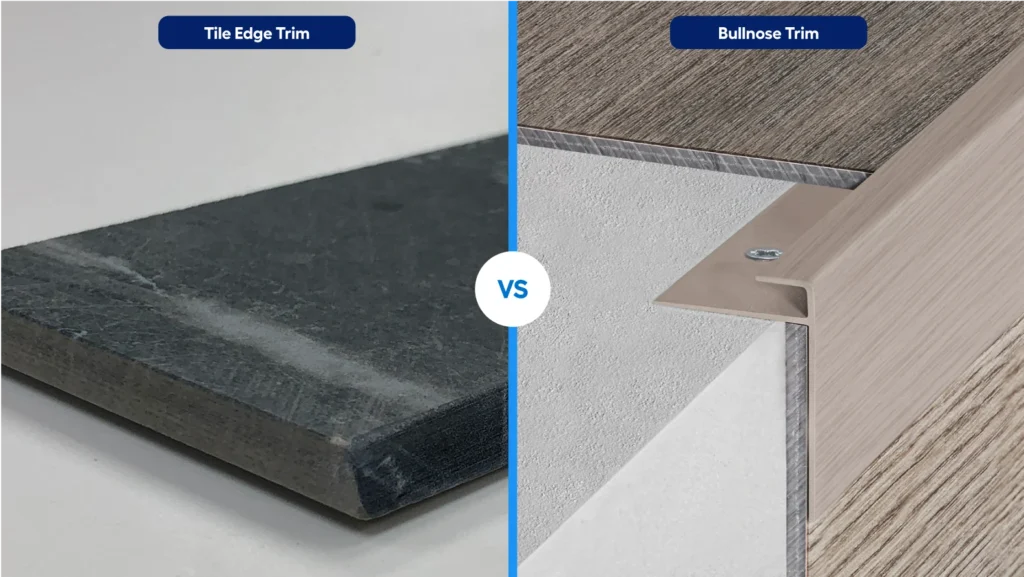
At its core, the debate between bullnose tile and metal trim is about how you want to end a tiled surface. Bullnose tile is a ceramic or porcelain piece that has a rounded, smooth edge, creating a soft transition. Metal trim, on the other hand, is a narrow strip—often stainless steel, brass, or aluminum—designed to provide a crisp, defined line where the tile meets another material.
Both options serve the same functional purpose: protecting the tile edge from chipping, hiding imperfections, and delivering a polished look. The choice hinges on the aesthetic you’re after, the environment of the installation, and the long‑term maintenance you’re comfortable with.
Key Differences in Bullnose Tile vs Metal Trim
- Material composition: Bullnose tiles are made from the same body as the rest of the tile, while metal trim is a separate alloy.
- Visual profile: Bullnose offers a rounded, seamless silhouette; metal trim gives a sharp, linear contrast.
- Installation method: Bullnose tiles are set like any other tile; metal trim typically requires a separate fastening system or adhesive.
- Durability: Metal trim can resist impact better in high‑traffic zones, whereas bullnose can be more susceptible to edge damage if not installed correctly.
Aesthetic Impact: Which Look Complements Modern Interiors?

Design trends today favor clean lines and subtle transitions. Bullnose tile, with its gentle curve, blends into the surrounding material, making it ideal for minimalist bathrooms or spa‑like spaces where a soft finish enhances tranquility. Its rounded edge can also hide slight imperfections in the cut, offering a forgiving look that feels “finished” without demanding laser‑precise cuts.
Metal trim, conversely, introduces a deliberate visual break. A brushed stainless steel or matte black strip can act as a design accent, drawing the eye and reinforcing geometric patterns. In contemporary kitchens, a thin metal line can echo the hardware finishes—think cabinet pulls or appliance panels—creating a cohesive story throughout the room.
For those who love mixing textures, pairing a bullnose tile floor with a metal‑trimmed backsplash can create a layered, sophisticated look. The contrast between the soft, rounded floor and the crisp, reflective wall edge adds depth without overwhelming the space.
Durability and Maintenance: Longevity Matters

Both solutions protect the tile edge, but they do so in different ways. Bullnose tile’s rounded edge distributes stress more evenly, reducing the likelihood of cracks from minor impacts. However, if the bullnose is exposed to heavy foot traffic or moving furniture, the edge can chip over time, especially if the underlying substrate shifts.
Metal trim shines in high‑traffic environments. Its metal body resists dents and scratches far better than ceramic. Stainless steel, for example, won’t rust and is easy to wipe clean, making it a favorite for commercial bathrooms or busy family kitchens. The flip side is that metal can show fingerprints and water spots, requiring regular cleaning to maintain its sheen.
When you consider long‑term upkeep, think about the cleaning products you’ll use. Acidic cleaners can etch some metal finishes, while abrasive pads can wear down a bullnose edge. Choosing a finish that aligns with your cleaning routine can save you headaches down the road.
Installation Considerations: What Your Contractor Needs to Know
Installation is where theory meets reality. Bullnose tiles are installed the same way as regular tiles—using thin‑set mortar, leveling systems, and grout. The main challenge is ensuring a consistent radius on each tile, especially when working around corners or irregular shapes. Skilled tile setters can cut bullnose pieces accurately, but the margin for error is narrower than with standard tiles.
Metal trim often requires a different approach. Most metal strips come with a pre‑drilled channel or a snap‑fit design that slides over the tile edge. Some installers prefer a two‑step method: first laying the tile, then applying the metal trim with a high‑strength construction adhesive. Proper alignment is crucial; a misaligned strip can look sloppy and may collect dirt.
One practical tip is to request a mock‑up before the full installation. A small test area lets you see how the bullnose tile vs metal trim choice behaves under real lighting and foot traffic conditions.
Cost Comparison: Budgeting for the Right Edge
Budget is a decisive factor for most projects. Bullnose tiles generally cost a bit more per square foot than standard tiles because they require additional manufacturing steps to create the rounded edge. Expect an increase of 15–25 % over the base tile price, plus any extra labor for precise cuts.
Metal trim pricing varies widely based on material and finish. A simple aluminum strip can be quite affordable, while a custom‑finished brass or polished stainless steel piece may rival the cost of premium bullnose tiles. Installation labor for metal trim can be slightly higher due to the need for precise fastening, but the overall expense often balances out when you factor in the longer lifespan in heavy‑use areas.
When you add up material, labor, and potential future repairs, the total cost of bullnose tile vs metal trim can converge. The decision should therefore lean more toward aesthetic preference and performance needs rather than raw price alone.
When to Choose Bullnose Tile: Ideal Scenarios
Consider bullnose tile if any of the following apply to your project:
- You’re designing a bathroom or spa‑inspired space where softness and continuity are paramount.
- The tiled area ends against a wall with the same tile, and you want an invisible transition.
- You prefer a low‑maintenance edge that doesn’t show fingerprints or water spots.
- Budget constraints allow for a modest premium over standard tile but you want to avoid metal hardware.
In these cases, the rounded profile of bullnose tiles provides a seamless, elegant finish that aligns well with neutral palettes and natural materials.
When to Choose Metal Trim: Ideal Scenarios
Metal trim shines in environments that demand durability and visual definition. Choose it when:
- You have a high‑traffic kitchen, hallway, or commercial setting where impact resistance is essential.
- You want to highlight a design feature—such as a geometric tile pattern or a contrasting wall color.
- Your interior already incorporates metal accents (cabinet handles, lighting fixtures) and you desire a cohesive look.
- You need a quick, clean line that can be easily replaced if damaged.
Metal trim also works well when you’re installing tile over a substrate that may shift, as the metal can absorb minor movements without cracking.
Quick Tips for a Flawless Finish
- Test a small area with both bullnose tile and metal trim to see which one resonates with your lighting and color scheme.
- When using metal trim, select a finish that matches other hardware to maintain visual harmony.
- Seal bullnose tile edges with a penetrating sealant to enhance water resistance.
- For metal trim, use a non‑abrasive cleaner to keep the surface spotless without scratching.
- Consult a professional installer who has experience with both methods; their insight can prevent costly rework.
Common Mistakes and How to Avoid Them
Even seasoned DIYers can stumble when deciding between bullnose tile vs metal trim. Below are frequent errors and simple fixes:
- Ignoring substrate movement: If the subfloor isn’t stable, both bullnose and metal trim can crack. Use a high‑quality underlayment and allow the cement board to cure fully before tiling.
- Mismatched colors: Pairing a bright metal trim with muted bullnose tiles can create visual discord. Choose complementary tones or keep both elements in the same finish family.
- Improper sealing: Skipping the sealant on bullnose edges leaves them vulnerable to moisture infiltration. Apply a thin coat of silicone‑based sealant after grouting.
- Over‑tightening metal trim fasteners: This can warp the strip, leading to gaps. Follow manufacturer torque specifications and use a rubber mallet for gentle adjustments.
- Neglecting expansion joints: Large tiled areas need movement joints. Forgetting these can cause both bullnose and metal trim to lift over time.
Frequently Asked Questions
Is bullnose tile suitable for outdoor applications?
While bullnose tiles can be used outdoors, they must be rated for frost resistance and have a low water absorption rate. Metal trim is generally preferred for exterior use because it handles temperature fluctuations better.
Can I combine bullnose tile and metal trim in the same room?
Absolutely. Combining the two can add visual interest—use bullnose for the floor transition and metal trim for a striking wall edge. Just ensure the finishes complement each other to avoid a disjointed look.
How do I clean stainless‑steel metal trim without leaving streaks?
Use a soft microfiber cloth dampened with warm water and a mild dish soap. Rinse with a clean damp cloth and dry immediately. For stubborn spots, a dedicated stainless‑steel cleaner works well.
Do I need a professional to install bullnose tiles?
While DIY installation is possible, bullnose tiles require precise cuts and consistent radii. Hiring an experienced installer reduces the risk of uneven edges and ensures a polished finish.
What is the lifespan of metal trim compared to bullnose tile?
Metal trim, especially stainless steel, can last 20+ years with proper care. Bullnose tile’s lifespan depends on the underlying tile quality; with good installation, it can also endure decades but may need edge repairs if chipped.
Choosing the Right Edge for Your Project
At the end of the day, the decision between bullnose tile vs metal trim boils down to three core considerations: the visual language you want, the functional demands of the space, and the budget you’re comfortable with. If you crave a soft, seamless transition that whispers elegance, bullnose tile is your ally. If you need a bold, resilient line that can stand up to heavy use and tie together metal accents, metal trim takes the lead.
For a deeper dive into how other trim options compare, see our article on Schluter vs Bullnose – Which Trim Works Best for Your Tile Projects. Need inspiration for a cohesive color scheme? Check out Edgecomb Gray vs Accessible Beige: Choosing the Perfect Neutral for Modern Interiors. And if you’re styling a kitchen, our Neutral Kitchen Counter Styling Ideas for a Timeless Look offers practical tips that pair well with both bullnose and metal finishes.
Take the time to evaluate the specific conditions of your space, experiment with samples, and consult a trusted installer. With the right edge treatment, your tiled surfaces will not only look impeccable but also stand the test of time.
Ready to transform your home? Apply these insights, experiment confidently, and watch your rooms come alive with the perfect finish.