
Table of Contents
- br40 vs par38 – Understanding the Basics
- Key Differences in the br40 vs par38 Comparison
- Light Output and Energy Efficiency
- Physical Dimensions, Compatibility, and Installation
- Aesthetic Considerations in Modern Home Décor
- Cost, Longevity, and Value Assessment
- Quick Tips for Choosing Between br40 vs par38
- Common Mistakes and How to Avoid Them
- Frequently Asked Questions
- What is the main advantage of a br40 over a par38?
- Can I use a par38 LED in a fixture designed for a br40?
- Which bulb consumes less electricity: br40 or par38?
- Do br40 and par38 bulbs work with dimmers?
- How often should I replace br40 or par38 LEDs?
br40 vs par38: Choosing the Right Light Fixture for Modern Homes
Lighting is one of the most powerful tools in a homeowner’s design arsenal. The right bulb can highlight architectural details, set a mood, and even influence how spacious a room feels. When it comes to recessed and track lighting, two sizes dominate the market: the br40 and the par38. Understanding the nuances between these options is essential for anyone looking to upgrade a kitchen island, accent a hallway, or create a cozy reading nook.
This article walks you through the technical specifications, aesthetic implications, and practical considerations of the br40 vs par38 debate. Whether you’re a DIY enthusiast, a professional interior designer, or simply a homeowner who loves a well‑lit space, you’ll find actionable insights that help you make an informed decision without feeling overwhelmed.
By the end of the read, you’ll know which fixture aligns with your style, budget, and functional needs, and you’ll be equipped with tips that keep installation safe and efficient.
br40 vs par38 – Understanding the Basics

The first step in comparing the br40 vs par38 is to grasp what each designation actually means. “BR” stands for “Bulged Reflector,” a shape that directs light forward with a wide, even spread. The “PAR” series—short for “Parabolic Aluminized Reflector”—produces a tighter, more focused beam. Both are commonly used in recessed cans, track lighting, and specialty fixtures, but their form factors differ: a br40 typically measures 5 inches in diameter, while a par38 measures roughly 4.75 inches.
Because the sizes are close, many homeowners assume they are interchangeable. In reality, the mounting hardware, trim options, and heat dissipation requirements vary enough to influence both performance and longevity. Knowing these subtleties helps you avoid mismatched components that can lead to flickering, premature burnout, or even safety hazards.
Key Differences in the br40 vs par38 Comparison
- Beam Angle: br40 offers a 120‑180° spread, ideal for general illumination; par38 delivers a 25‑35° spot, perfect for accent lighting.
- Heat Management: The larger housing of a br40 often accommodates better heat sinks, extending LED lifespan.
- Trim Compatibility: Certain decorative trims—such as baffles, lenses, and diffusers—are designed exclusively for one size.
- Energy Efficiency: Modern LED versions of both can reach 80‑90 lumens per watt, but the br40’s larger surface area may allow higher wattage without overheating.
Light Output and Energy Efficiency
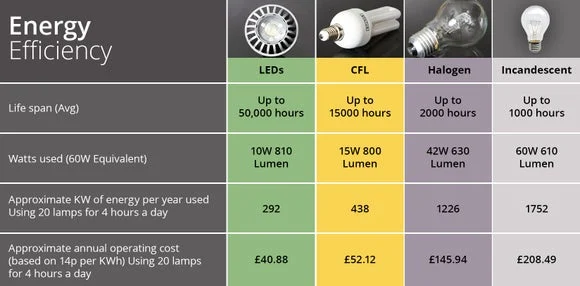
When evaluating the br40 vs par38, light output is a primary metric. Measured in lumens, a typical 10‑watt LED br40 can produce around 800–900 lumens, while a comparable par38 may deliver 700–800 lumens due to its smaller reflector area. However, the perceived brightness also depends on the beam angle; a broader spread from a br40 can make a space feel brighter even with slightly fewer lumens.
Energy efficiency has dramatically improved over the past decade. Both bulb types now benefit from LED technology that consumes a fraction of the power required by older halogen or incandescent versions. When selecting between the two, consider the fixture’s intended use: for ambient lighting across a ceiling, the br40’s wider distribution is often more efficient. For spotlighting artwork or architectural features, the par38’s concentrated beam reduces wasted light.
For a real‑world example, imagine a modern kitchen with under‑cabinet lighting. Installing br40 LED strips along the entire length can provide uniform illumination for food prep, while a single par38 recessed fixture above the island can highlight the countertop without glare.
Physical Dimensions, Compatibility, and Installation

Physical dimensions play a crucial role in the br40 vs par38 decision. The br40’s 5‑inch diameter requires a slightly larger housing, which can affect ceiling depth and the type of trim you can use. Par38 fixtures, being marginally smaller, fit into tighter ceiling cavities and are often the go‑to choice for historic homes with limited ceiling space.
Compatibility isn’t just about size. Electrical wiring gauge, voltage rating, and the type of ballast (if using non‑LED bulbs) must align with the chosen fixture. Modern LED versions usually operate on direct line voltage, eliminating the need for a separate ballast, but you still need to verify that the fixture’s wiring can handle the current draw.
Installation safety is paramount. Both sizes generate heat, and inadequate ventilation can shorten bulb life. When installing a br40, ensure there’s at least a ¼‑inch clearance between the bulb and the ceiling material. For a par38, the tighter housing often includes built-in ventilation, but you should still follow the manufacturer’s guidelines. If you’re unsure, consult a licensed electrician to avoid fire hazards.
Aesthetic Considerations in Modern Home Décor
Lighting isn’t purely functional; it’s a design statement. The br40 vs par38 comparison extends to how each fixture complements your interior style. A br40 recessed can with a baffle trim can create a soft, diffused glow that works beautifully in minimalist living rooms, especially when paired with neutral walls and sleek furniture.
Conversely, a par38 spotlight with a clear glass lens can add drama to a gallery wall or a textured accent wall. Because the par38’s beam is tighter, it can emphasize textures such as exposed brick, reclaimed wood, or a statement rug, aligning with home décor with ceramic décor pieces for a cohesive look.
When planning a layered lighting scheme, many designers combine both sizes: br40 fixtures for general illumination and par38s for accent. This approach offers flexibility, allowing you to adjust mood and focus without swapping out hardware. For small apartments, using a par38 in a narrow hallway can prevent the space from feeling cramped, while a br40 in the living area keeps the room bright and welcoming.
Cost, Longevity, and Value Assessment
Cost is often a decisive factor in the br40 vs par38 debate. While the initial price of a br40 LED can be slightly higher—often ranging from $12 to $20 per bulb—its larger size may allow you to use a higher wattage without overheating, potentially reducing the number of fixtures needed. Par38 LEDs typically sit in the $10‑$15 range per unit.
Longevity is where both shine: modern LEDs for both sizes promise 25,000 to 50,000 hours of operation. However, because the br40’s housing generally offers better heat dissipation, you may see a marginally longer lifespan in real‑world conditions. When calculating total cost of ownership, factor in energy savings (up to 80% less power than incandescents) and the reduced frequency of replacements.
For homeowners on a budget, a mixed approach can be cost‑effective: install br40s in high‑traffic areas where uniform light is needed, and reserve par38s for decorative accents that don’t require as many units. This strategy balances upfront expense with long‑term performance.
Quick Tips for Choosing Between br40 vs par38
- Assess the room’s purpose: use br40 for ambient, par38 for accent.
- Measure ceiling depth before buying; tighter spaces favor par38.
- Match trim style to décor—baffle trims for soft light, clear lenses for focused beams.
- Check LED wattage limits to avoid overheating, especially with br40 fixtures.
- Consider future upgrades; LED modules often fit both sizes with proper adapters.
Common Mistakes and How to Avoid Them
Even experienced DIYers can slip up when dealing with the br40 vs par38 decision. One frequent error is assuming any LED will fit any recessed can. Always verify the bulb’s diameter and base type (E26/E27) before purchase. Another pitfall is neglecting heat management—installing high‑wattage LEDs in a small par38 housing can cause premature failure.
Lastly, overlooking the impact of trim selection can lead to unwanted glare or uneven lighting. For example, a par38 paired with a wide‑angle baffle trim can create a washed‑out look, defeating the purpose of a focused beam. To avoid these issues, consult the fixture’s specification sheet and, when in doubt, ask a lighting specialist.
Frequently Asked Questions
What is the main advantage of a br40 over a par38?
The br40 provides a wider beam angle, making it ideal for general illumination and creating a soft, even glow throughout a room. This is especially useful in open‑plan living spaces where uniform lighting is desired.
Can I use a par38 LED in a fixture designed for a br40?
Most br40 housings are sized for a 5‑inch bulb, so a par38 (4.75 inches) may sit loosely and cause heat buildup. It’s generally not recommended unless you use an adapter or a trim that secures the smaller bulb properly.
Which bulb consumes less electricity: br40 or par38?
Both LED versions are highly efficient, but the exact consumption depends on wattage. A 10‑watt br40 LED and a 9‑watt par38 LED will have similar energy usage; choose based on the needed light output and beam angle.
Do br40 and par38 bulbs work with dimmers?
Yes, provided the LED bulbs are dimmable and the dimmer is compatible with LED technology. Check the manufacturer’s specifications for both the bulb and the dimmer to ensure smooth operation.
How often should I replace br40 or par38 LEDs?
LEDs typically last 25,000–50,000 hours. In a residential setting, that translates to 10–15 years of normal use. Replace them only when you notice a significant drop in brightness or if the fixture shows signs of overheating.
Choosing between br40 vs par38 ultimately hinges on your lighting goals, the architectural constraints of your space, and your design aesthetic. By weighing beam angle, size, energy use, and cost, you can select the right fixture that enhances both functionality and style. For further inspiration on blending lighting with décor, explore our guide on creative small living room ideas for modern homes and see how strategic lighting transforms compact spaces.
Remember, good lighting is an investment in comfort, safety, and visual appeal. Take the time to plan, measure, and test before committing to a full‑scale installation. With the right approach, the br40 vs par38 decision becomes a straightforward choice that elevates your home’s ambience for years to come.