
Table of Contents
- Understanding beveled vs flat subway tile
- beveled vs flat subway tile – visual impact
- How the choice affects lighting and space perception
- Installation considerations for beveled and flat tiles
- Style pairing – matching tiles with fixtures, colors, and textures
- Maintenance and durability: What to expect over time
- Cost and budgeting: Weighing the financial aspects
- Quick Tips for Choosing beveled vs flat subway tile
- Common Mistakes When Selecting Between beveled and flat Subway Tile
- Frequently Asked Questions
- Putting It All Together: Making the Final Decision
Beveled vs Flat Subway Tile: The Complete Guide for Modern Home Design
When it comes to updating a wall, backsplash, or flooring, the decision between beveled and flat subway tile can feel surprisingly pivotal. Both options belong to the timeless subway tile family, yet their subtle differences can dramatically reshape the look and feel of a room. Homeowners, renters, and interior design enthusiasts alike often wonder which style aligns best with their aesthetic goals, functional needs, and budget constraints.
This article unpacks the nuanced rivalry of beveled vs flat subway tile, offering a deep dive into visual impact, lighting dynamics, installation tips, maintenance, and cost considerations. By the end, you’ll be equipped to make an informed choice that enhances your space—whether it’s a sleek kitchen, a spa‑like bathroom, or a chic hallway.
Throughout the guide, we’ll sprinkle practical advice, real‑world examples, and a few insider shortcuts. And because design never happens in isolation, we’ll connect the dots to related topics like bathroom décor with linen towels and earth tone interior décor inspiration, so you can see the bigger picture of modern home styling.
Understanding beveled vs flat subway tile
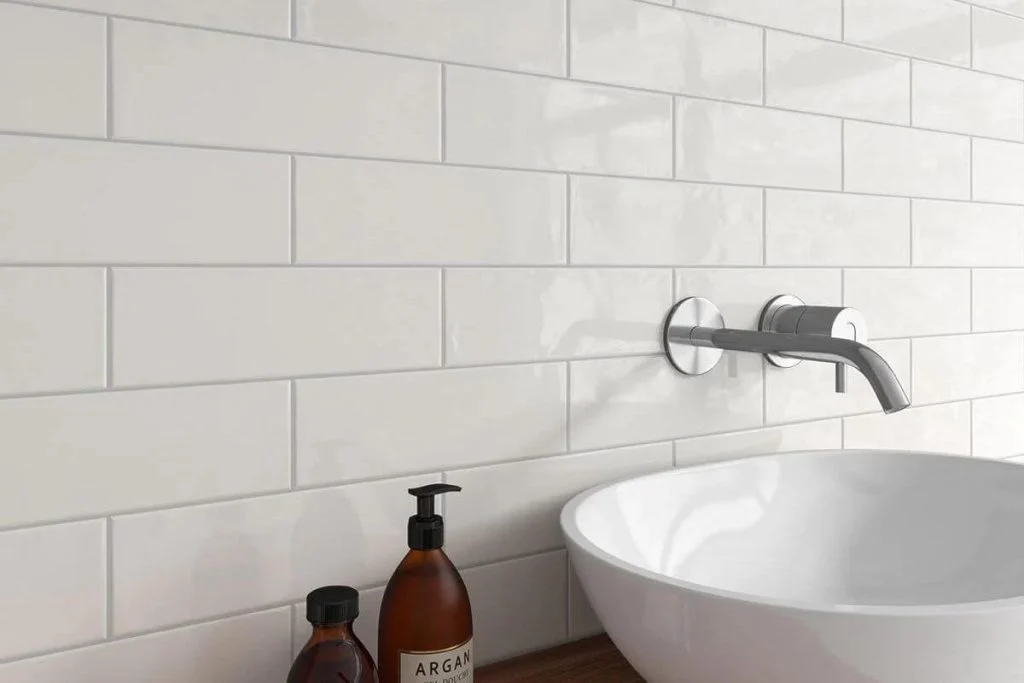
The first step in the debate is grasping the basic characteristics of each tile type. Flat subway tile, as the name suggests, has a smooth, even surface with minimal texture. Its classic 3‑by‑6‑inch or 4‑by‑8‑inch dimensions have been a staple in American homes since the early 1900s, delivering a clean, unobtrusive backdrop that works well in both traditional and contemporary settings.
Beveled subway tile, on the other hand, features a subtle angled edge—typically a 15‑ to 30‑degree chamfer—that adds a three‑dimensional quality to the surface. This edge catches light in a way flat tiles cannot, creating a sense of depth and visual intrigue. The bevel can be pronounced or modest, and the tile may still retain the classic rectangular shape, preserving the familiar subway aesthetic while offering a fresh twist.
Both options share the same basic shape and are commonly made from ceramic or porcelain, but the bevel introduces a new set of design possibilities and technical considerations. Understanding these foundational differences sets the stage for exploring how each choice interacts with lighting, space perception, and style.
beveled vs flat subway tile – visual impact
The visual impact of beveled vs flat subway tile is often the deciding factor for many designers. A flat tile provides a seamless, almost painterly surface that lets other design elements—such as wall color, cabinetry, or artwork—take center stage. It’s a safe, neutral canvas that works well in minimalist interiors where simplicity reigns.
Conversely, a beveled tile adds texture without overwhelming the space. The chamfered edges create tiny shadows that shift throughout the day as natural light changes, giving the wall a dynamic quality. In a kitchen backsplash, this subtle play of light can highlight the craftsmanship of the tile, making the area feel more curated. In a bathroom, the bevel can lend a spa‑like atmosphere, especially when paired with soft linen towels—a perfect link to explore bathroom décor with linen towels for a cohesive look.
Because the beveled edge reflects light, it can make a small room appear larger, while flat tiles tend to keep the space feeling grounded and intimate. The choice ultimately hinges on whether you desire a subtle statement or a pure, understated backdrop.
How the choice affects lighting and space perception
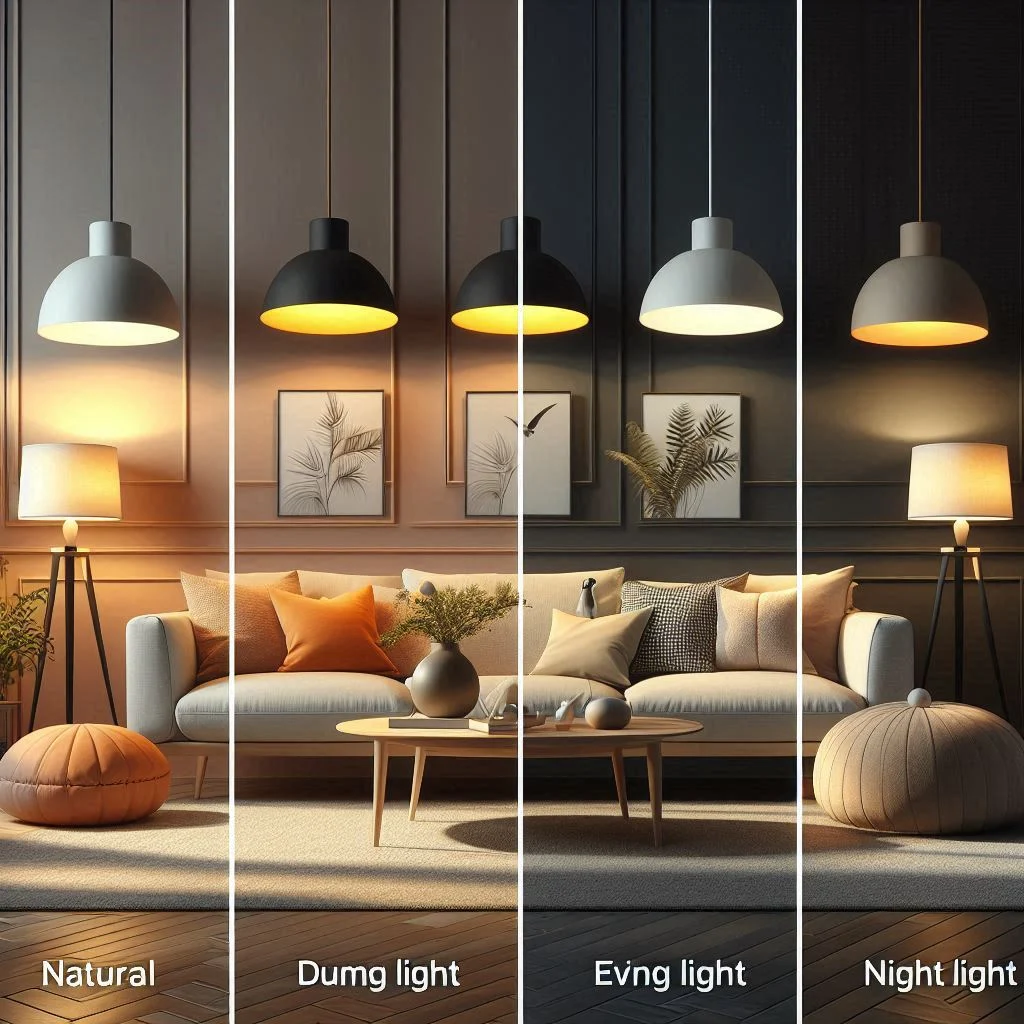
Lighting is a silent partner in interior design, and beveled vs flat subway tile interact with it in distinct ways. Flat subway tiles absorb and diffuse light evenly, which helps maintain a consistent glow across the surface. This quality is ideal for rooms that already have abundant natural light or where you want a soft, diffuse ambience—think a living room with large windows or a hallway bathed in daylight.
Beveled tiles, however, act like tiny mirrors. The angled edges catch both natural and artificial light, producing micro‑highlights that can brighten a space without additional fixtures. In a dimmer kitchen, a beveled backsplash can become a focal point that subtly amplifies the illumination from under‑cabinet lights. In contrast, if a room relies heavily on recessed ceiling lighting, flat tiles may prevent unwanted glare and keep the illumination even.
Strategically, you can use the beveled effect to guide the eye. Installing beveled tiles in a vertical pattern can elongate a wall, while a horizontal arrangement can widen a narrow corridor. Pairing the right lighting fixtures—such as warm LED strips for a bathroom or cool recessed lights for a modern kitchen—enhances the tile’s inherent qualities and ensures the space feels balanced.
Installation considerations for beveled and flat tiles
From an installer’s perspective, beveled vs flat subway tile present different challenges. Flat tiles are generally more forgiving; their uniform surface allows for easier alignment and tighter grout lines, often as thin as 1/16 inch. Because the grout joints are less pronounced, the overall wall can appear more seamless, reducing the risk of unevenness caused by uneven subfloors or wall imperfections.
Beveled tiles, while visually rewarding, demand greater precision. The angled edge accentuates any misalignment, making it essential to maintain consistent spacing and levelness. Many professionals recommend a slightly wider grout joint—about 1/8 inch—to accommodate the tile’s depth and to prevent chipping of the bevel during installation. Additionally, using a high‑quality, non‑sagging mortar helps keep the tile seated properly, especially on vertical surfaces.
Both types benefit from a well‑prepared substrate. For wet areas like showers, a waterproof membrane is non‑negotiable, regardless of whether you choose beveled or flat subway tile. If you’re tackling a DIY project, consider starting with a small test area to gauge your comfort level with the tile’s thickness and edge profile. For larger undertakings, hiring a seasoned installer who understands the subtleties of each tile can save you time, money, and potential headaches.
Style pairing – matching tiles with fixtures, colors, and textures
The aesthetic harmony of your space hinges on how you pair the chosen tile with surrounding elements. When using flat subway tile, you have a neutral backdrop that pairs effortlessly with bold color schemes, graphic wall art, or industrial fixtures. A matte black faucet in a kitchen, for example, can stand out strikingly against a crisp white flat tile, creating a high‑contrast visual that feels modern.
Beveled subway tile invites a more nuanced palette. The subtle shadow lines respond beautifully to warm, earthy tones—think soft terracotta, muted sage, or deep navy. Pairing beveled tiles with brass or brushed gold hardware can amplify the luxurious feel, as the light reflecting off the bevel highlights the metal’s sheen. For those interested in earth tone interior décor inspiration, check out our guide on earth tone interior décor for coordinating ideas.
Texture plays a pivotal role, too. In a bathroom, a beveled tile can complement the plush texture of linen towels, enhancing the sensory experience. In a living area, juxtaposing a smooth glass coffee table with the tactile depth of beveled walls adds layers of interest without overcrowding the visual field.
Maintenance and durability: What to expect over time
Both beveled and flat subway tiles are crafted for longevity, but their maintenance routines differ slightly. Flat tiles, with their even surface, are easier to wipe clean. Grout lines, however, are more visible because there’s no shadow to conceal stains. Regular sealing of grout—every 1–2 years—helps prevent discoloration, especially in high‑traffic zones like kitchens.
Beveled tiles accumulate dirt in the recessed bevels, making thorough cleaning a bit more involved. A soft brush or a non‑abrasive sponge works best for reaching into the chamfered edges. Selecting a tile with a low‑porosity glaze can reduce staining, and opting for larger grout joints can simplify cleaning. Many manufacturers also offer pre‑sealed beveled tiles that require less upkeep, a practical consideration for busy households.
Durability is comparable; both tile types resist scratches, moisture, and heat when installed correctly. In high‑impact areas such as entryways, consider a higher PEI rating (Porcelain Enamel Institute) tile—typically a rating of 4 or 5—for added resilience. Proper sealing, regular cleaning, and mindful usage ensure that whether you choose beveled or flat, your subway tile will remain a lasting feature.
Cost and budgeting: Weighing the financial aspects
Budget is often the decisive factor in the beveled vs flat subway tile debate. Flat tiles generally carry a lower price tag per square foot because they’re produced in larger quantities and involve fewer manufacturing steps. Expect a baseline cost ranging from $2 to $5 per square foot for basic porcelain or ceramic options.
Beveled tiles command a premium—usually $3 to $8 per square foot—due to the additional machining required to create the chamfered edge. Installation costs can also be higher for beveled tiles, as the precise alignment may require more labor hours. However, the visual payoff can justify the investment, especially in focal areas like kitchen backsplashes or bathroom showers where the tile becomes a design centerpiece.
To stay within budget, consider mixing both types. Using flat tiles in larger, less visible areas and reserving beveled tiles for accent walls or strips can achieve a high‑end look without breaking the bank. Additionally, keep an eye out for sales, bulk discounts, or surplus stock from tile distributors—these opportunities can make premium beveled options more accessible.
Quick Tips for Choosing beveled vs flat subway tile
- Assess natural light: Bright rooms handle flat tiles well, while dim spaces benefit from the light‑catching bevel.
- Consider room size: Beveled edges can make small rooms feel larger; flat tiles keep spacious rooms grounded.
- Match hardware finishes: Warm metal tones complement beveled tiles; matte black or chrome pairs nicely with flat tiles.
- Plan grout width: Wider joints suit beveled tiles, tighter lines suit flat tiles.
- Budget wisely: Mix both styles to balance cost and visual interest.
Common Mistakes When Selecting Between beveled and flat Subway Tile
Even seasoned homeowners can slip into common pitfalls. One frequent error is underestimating the impact of grout color. A stark white grout on a beveled tile can create a checkerboard effect that distracts from the tile’s subtle depth. Opt for a grout tone that blends with the tile shade for a cohesive appearance.
Another mistake is ignoring the wall’s flatness. Installing beveled tiles on uneven surfaces exaggerates imperfections, making the bevel appear crooked. Always ensure the substrate is level before laying the first row.
Finally, neglecting the long‑term cleaning routine can turn the bevel’s charm into a maintenance burden. Regularly cleaning the recessed edges and resealing grout prevents grime buildup that can dull the tile’s shine. By anticipating these issues early, you’ll enjoy the beauty of beveled or flat subway tile for years to come.
Frequently Asked Questions
Which tile type makes a bathroom feel larger?
Beveled subway tile reflects light off its chamfered edges, creating a subtle glow that can visually expand a bathroom. Pair it with light‑colored walls and a reflective vanity mirror for maximum effect.
Are beveled tiles more prone to chipping?
The bevel adds a thin edge that can chip if struck sharply, but high‑quality porcelain tiles are engineered to resist damage. Using a professional installer and avoiding direct impact (e.g., heavy pots in a kitchen) mitigates risk.
Can I use the same tile for both walls and floors?
Yes, many subway tiles are rated for both wall and floor applications. Ensure the tile’s PEI rating is appropriate for foot traffic and choose a slip‑resistant finish for floors.
How do I choose the right grout color for beveled tiles?
Select a grout hue that’s close to the tile’s shade to let the bevel’s shadows shine. If you prefer contrast, a neutral gray or muted taupe can add visual interest without overwhelming the design.
Is it okay to mix beveled and flat tiles in the same room?
Mixing can create a dynamic, layered look—use flat tiles as a backdrop and incorporate beveled tiles as an accent strip or border. This approach balances cost and visual impact.
Putting It All Together: Making the Final Decision
Choosing between beveled vs flat subway tile ultimately reflects your personal style, functional needs, and budget. If you crave subtle texture, dynamic light play, and a sense of depth, beveled tiles are the way to go. They excel in accent zones, smaller spaces, and areas where lighting is limited. Flat tiles, meanwhile, deliver a clean, timeless canvas perfect for larger surfaces, minimalist aesthetics, and tighter budgets.
Take stock of your existing fixtures, the room’s natural illumination, and your long‑term maintenance willingness. Sketch out a layout, perhaps using a free online room planner, and experiment with both finishes before committing. Don’t forget to explore related resources for a holistic design approach—whether it’s starting a home decor boutique for entrepreneurial inspiration or diving into earth tone interior décor inspiration for color palettes.
In the end, the right choice will feel intuitive, enhance the room’s functionality, and align with your vision for a modern, welcoming home. Armed with the insights from this guide, you’re ready to select the tile that will transform your space into a statement of personal style.
Happy tiling, and may your walls tell the story you envision.
[INTERIOR DESIGN]
[META_DESC]Explore the full guide to beveled vs flat subway tile—visual impact, lighting, installation, cost, and maintenance for modern home design. Find the perfect tile for your space.[/META_DESC]
[TAGS]subway tile, beveled tile, flat tile, interior design, home renovation[/TAGS]